
How to Handle a Guest List Ultimatum Without Losing Your Mind (or Your Wedding)

You're deep in wedding planning, carefully curating your guest list, when a relative drops a bomb: "If they're invited, I'm not coming." It's one of the most stressful situations engaged couples face, and it's more common than you might think. Whether it's a long-standing family feud, a messy divorce, or old drama you thought was buried, here's how to handle it with clarity, kindness, and your sanity intact.
Understand What's Really Being Asked of You
Before you react, take a breath and recognize what this ultimatum actually is: one adult asking you to manage their discomfort by excluding another person from your celebration. That's a significant ask. It's worth separating the emotion behind the request from the demand itself.
Ask yourself a few honest questions:
- How close are you to the relative making the ultimatum?
- How close are you to the person they want excluded?
- Is there a genuine safety concern, or is this about pride and old grudges?
- Would uninviting one guest create a larger ripple of exclusions across the family?
In most cases, this is not about you at all — it's unresolved conflict between two other people being placed on your shoulders. Recognizing that helps you respond from a grounded place rather than a reactive one.
Have One Honest Conversation — Then Hold Your Ground
Schedule a calm, private conversation with the relative who issued the ultimatum. Do this in person or over the phone — never by text, where tone gets lost. Keep it warm but direct:
"I love you and I want you there. But I also care about [other guest], and uninviting them isn't something I'm able to do. I really hope you'll reconsider, because your presence means so much to us."
You are not obligated to justify your guest list or negotiate it. Listen to their concerns once, acknowledge their feelings genuinely, and then gently restate your position. Avoid getting drawn into the history of their conflict — that's not your story to referee.
If they push back, it's okay to say: "I understand this is hard. The invitation stands, and I hope you'll find a way to be there." Then let the conversation end. One honest exchange is enough; repeated debates only escalate tension.
Don't Let One Person Rewrite Your Entire Guest List
Here's the hard truth: if you cave to one ultimatum, you may open the door to more. Other relatives may notice and try the same tactic. Worse, you could end up uninviting someone who genuinely deserves to celebrate with you — and resenting it for years.
Your wedding guest list should reflect the people who matter most to both of you as a couple, not a peace treaty between feuding family members. If both guests are meaningful to you, both deserve an invitation.
That said, there are rare exceptions where safety or severe trauma history makes the situation different. If there's genuine concern about conflict at the event itself — not just awkwardness — talk to your venue coordinator about seating arrangements, and consider whether a conversation with a family mediator might help ahead of the day.
Make the Day Work Regardless of Who Shows Up
Once you've had your conversation and held your boundary, shift your energy to logistics. A few practical moves can reduce friction on the actual day:
- Seat the two parties far apart — different tables, different sides of the ceremony space if possible.
- Brief your wedding party so they're not caught off guard if tension surfaces.
- Assign a trusted family member (not a parent — they have enough to manage) to gently redirect either guest if things get uncomfortable.
- Let go of the outcome — if the relative chooses not to attend, that is their choice, not your failure.
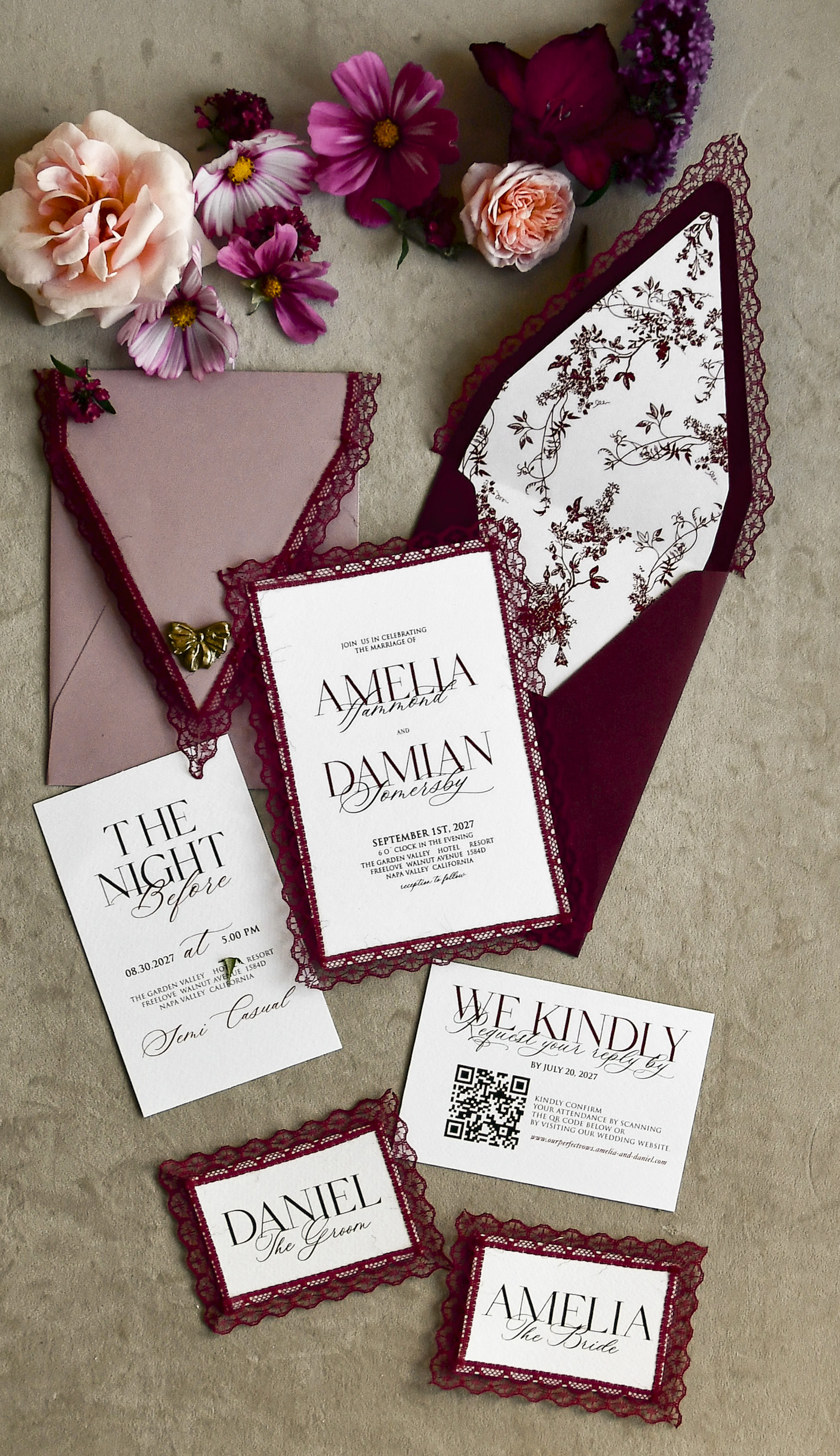
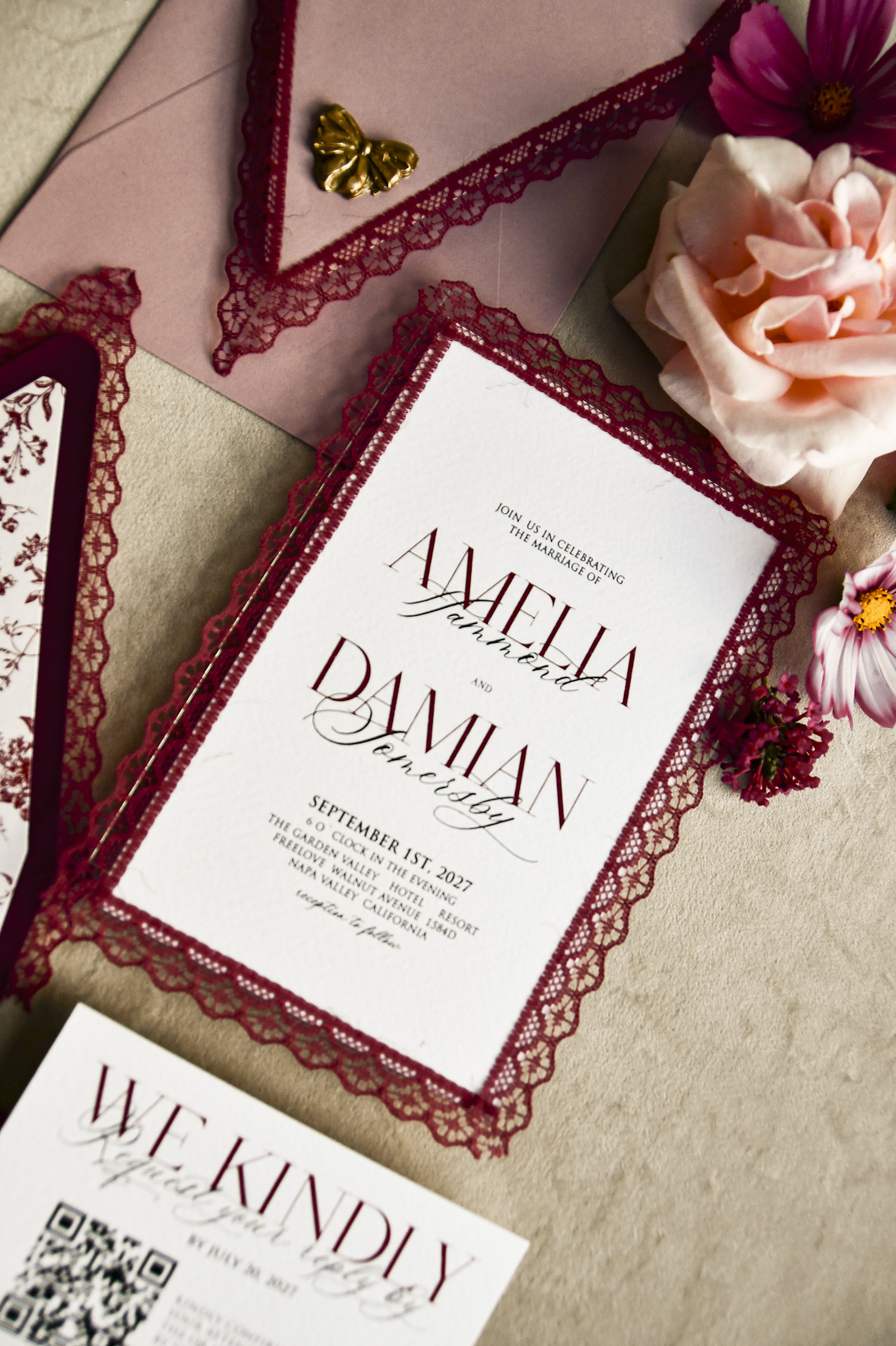
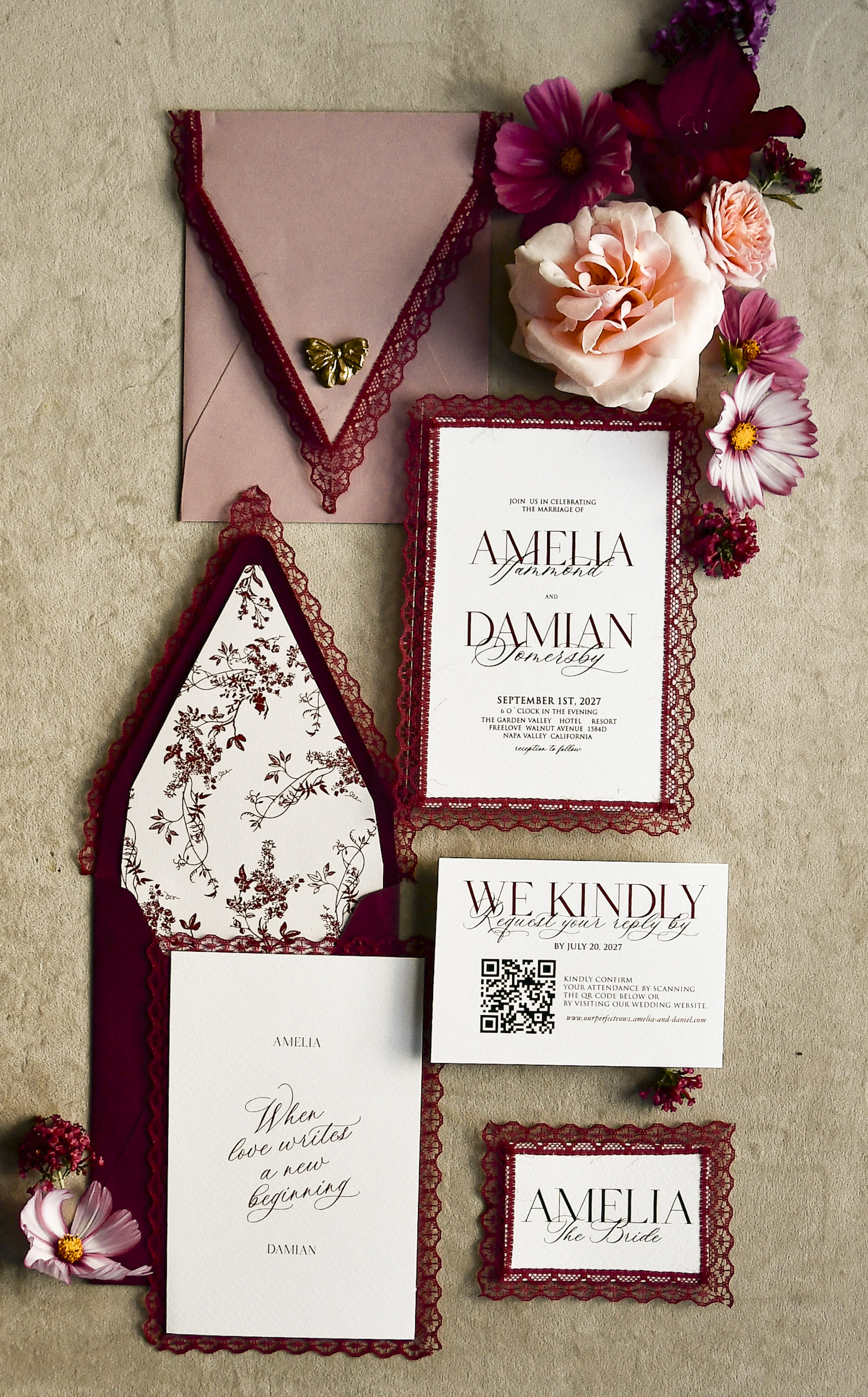
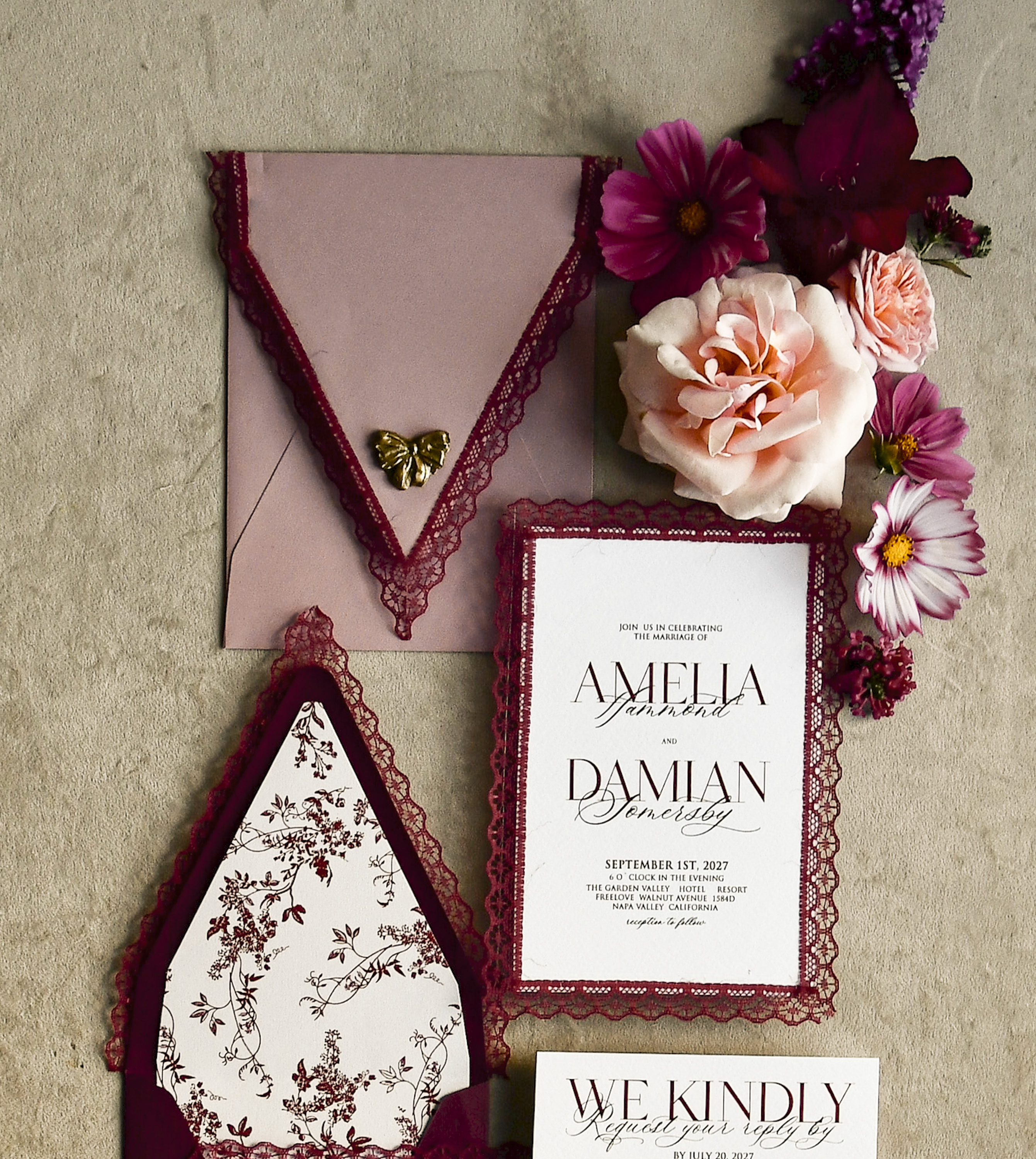
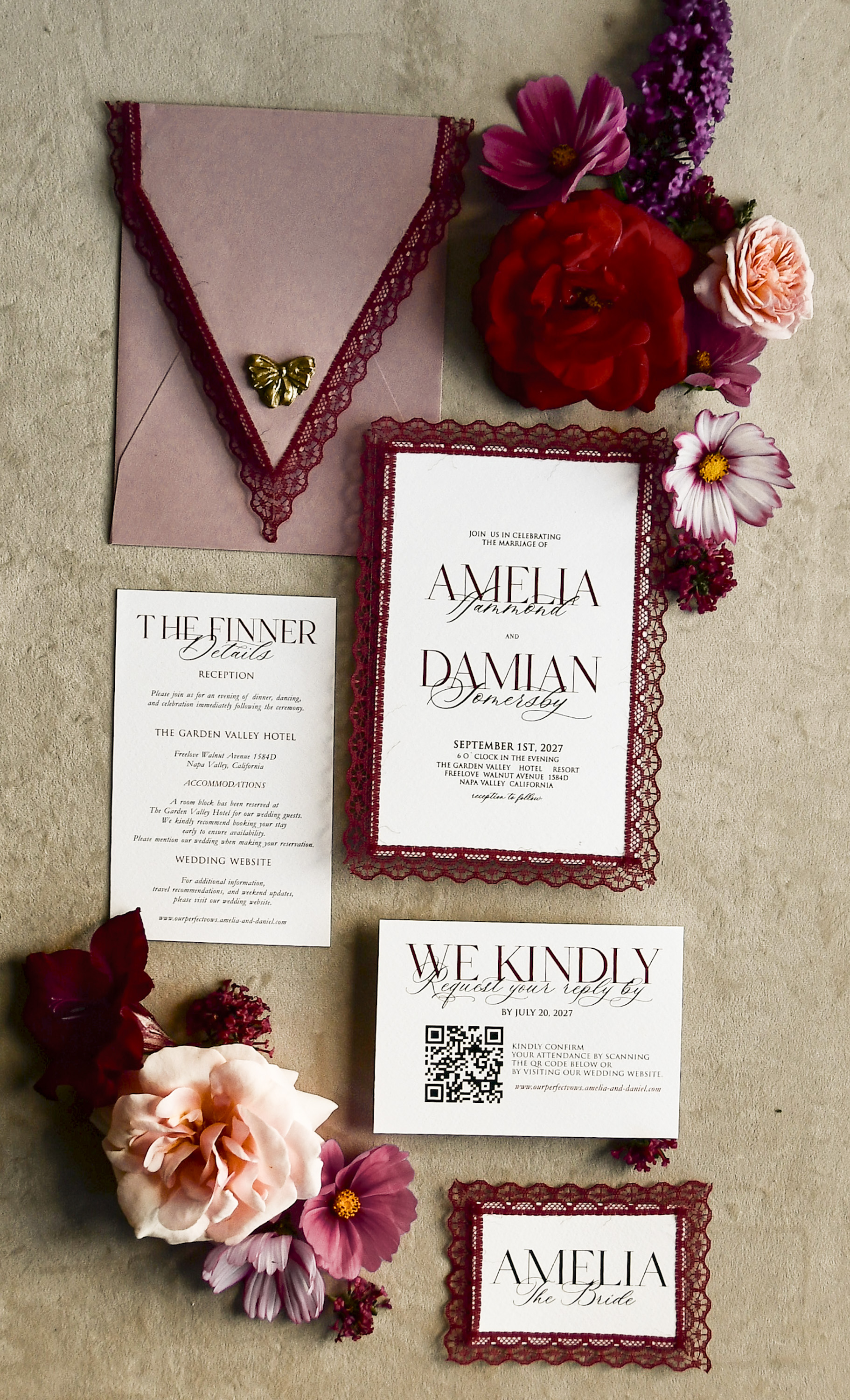
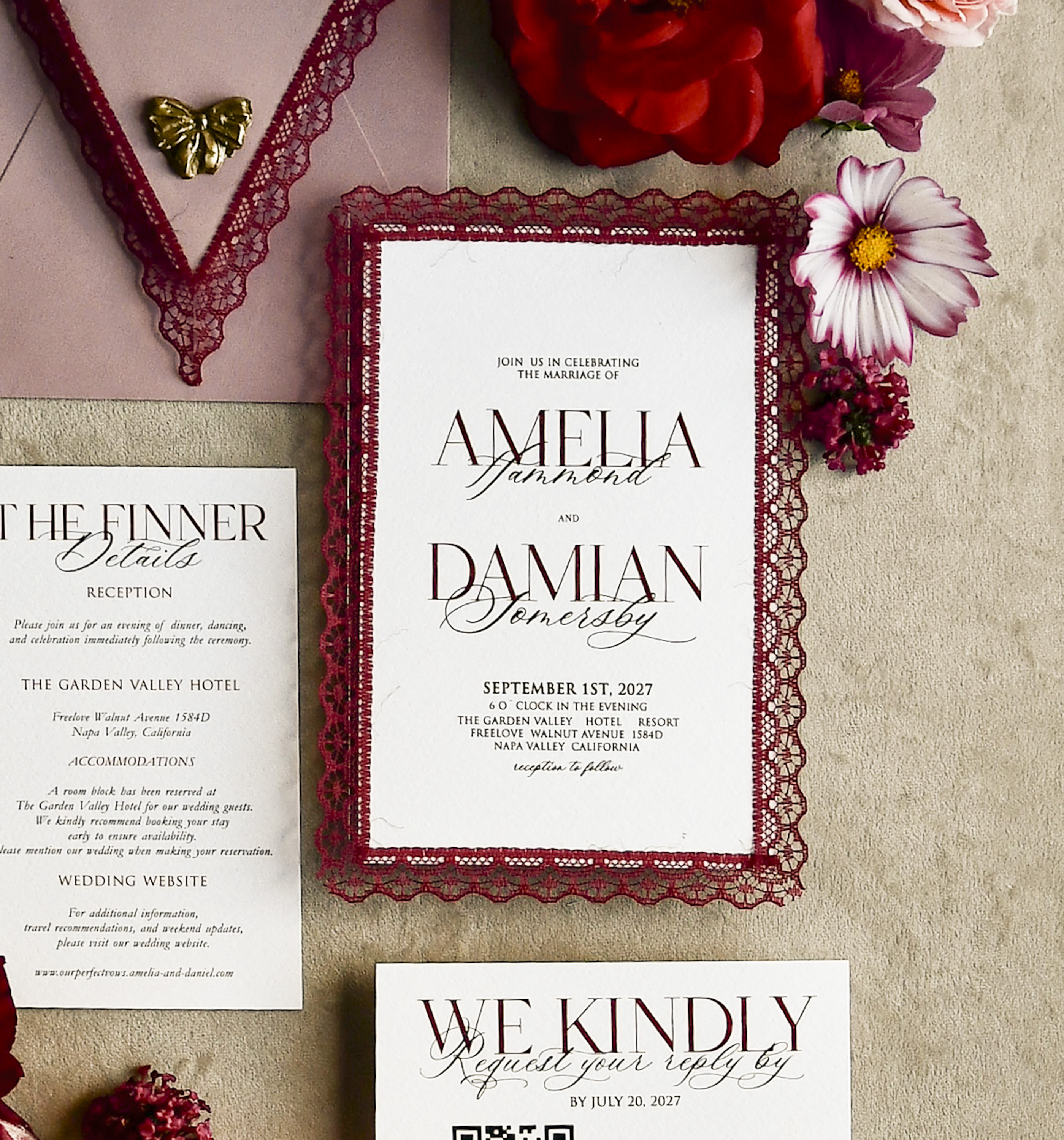
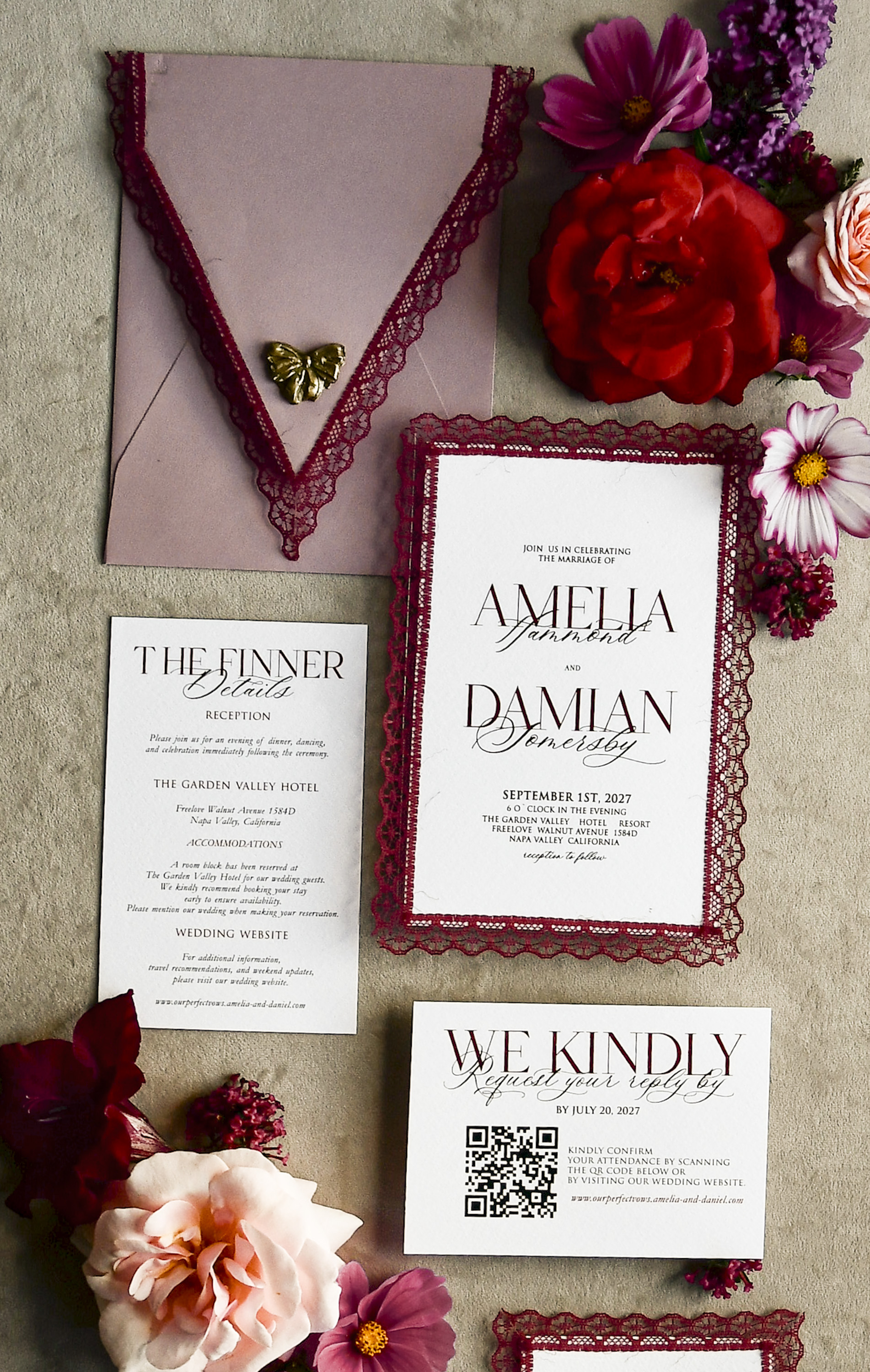
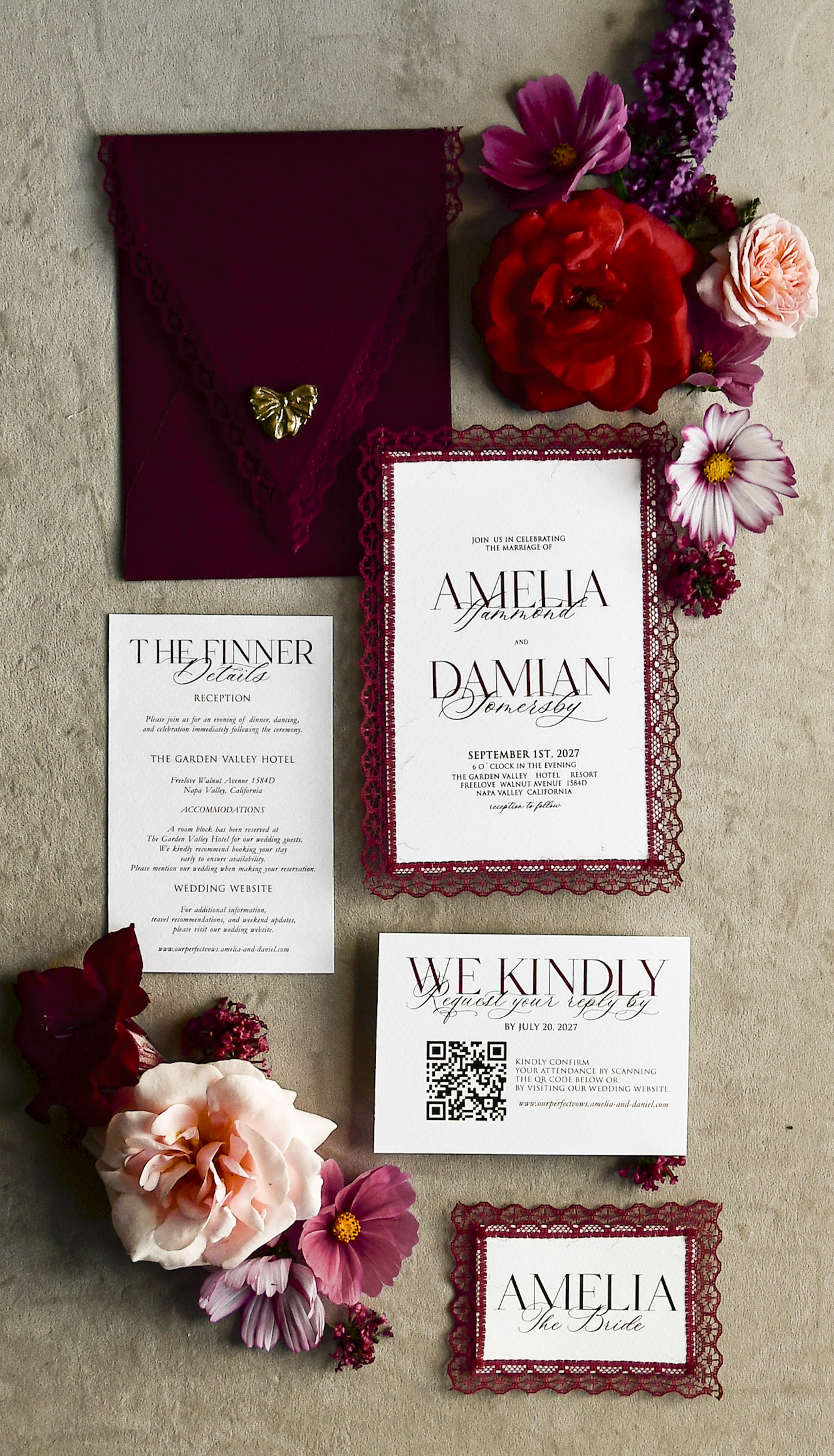
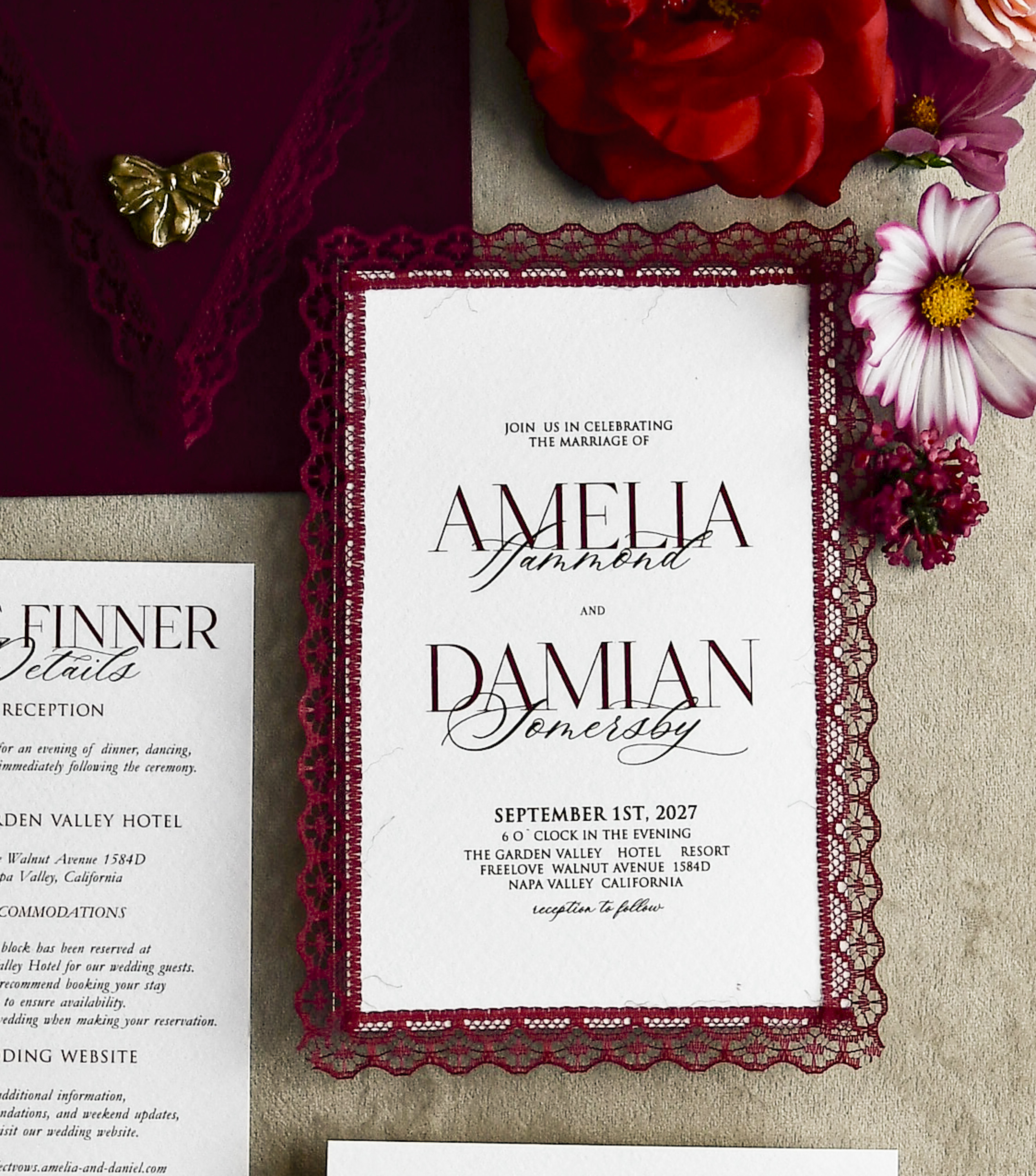
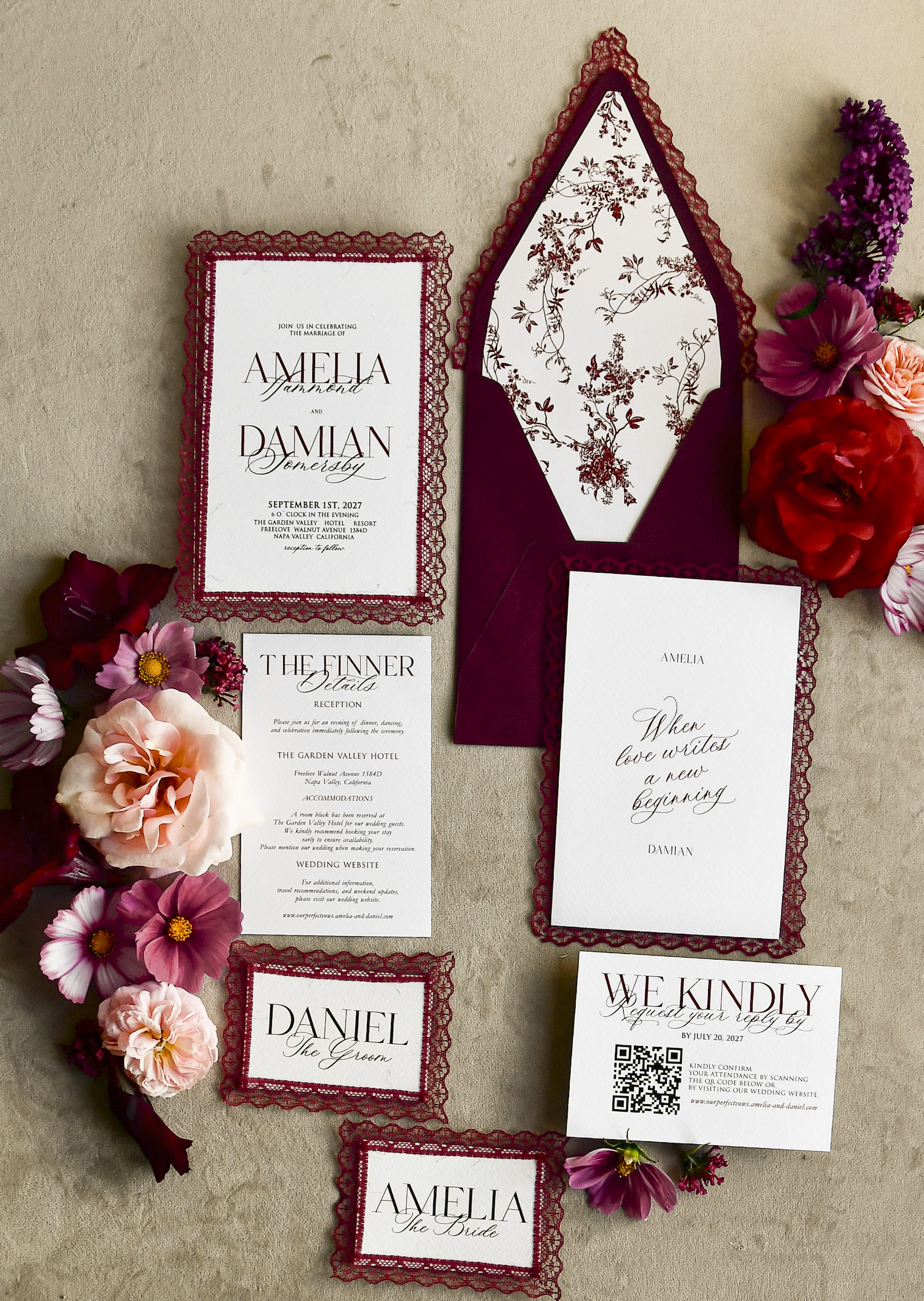
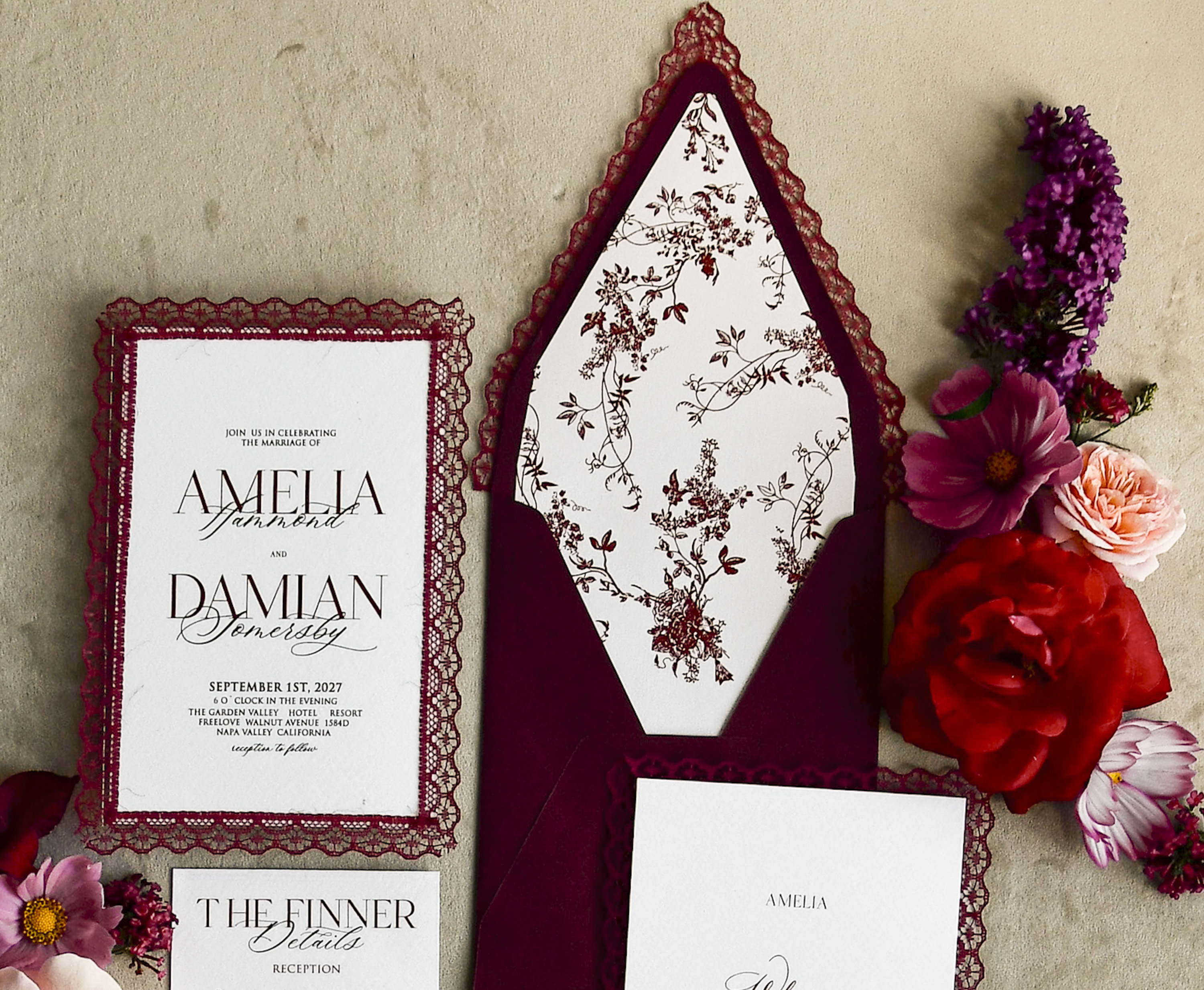
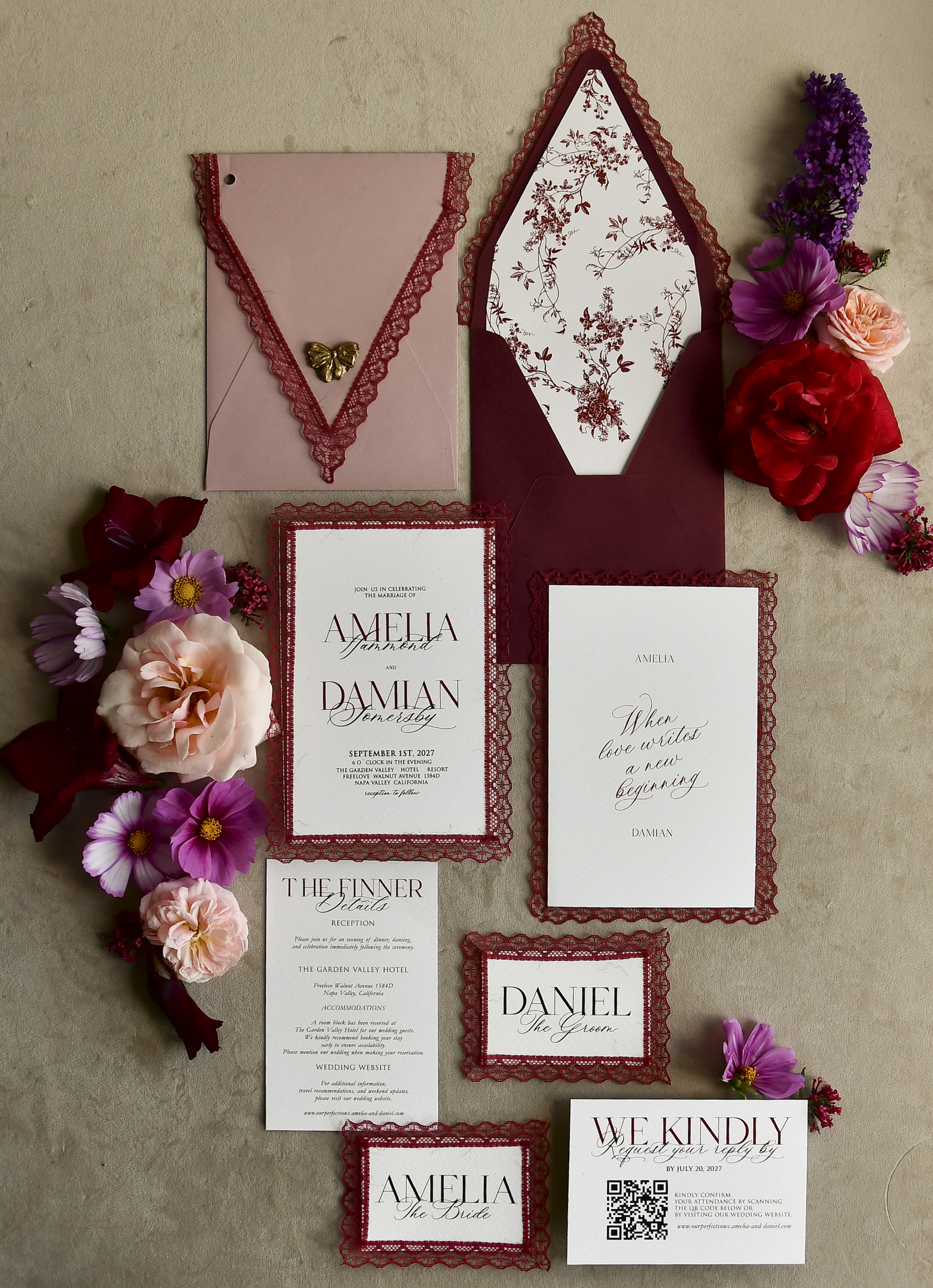
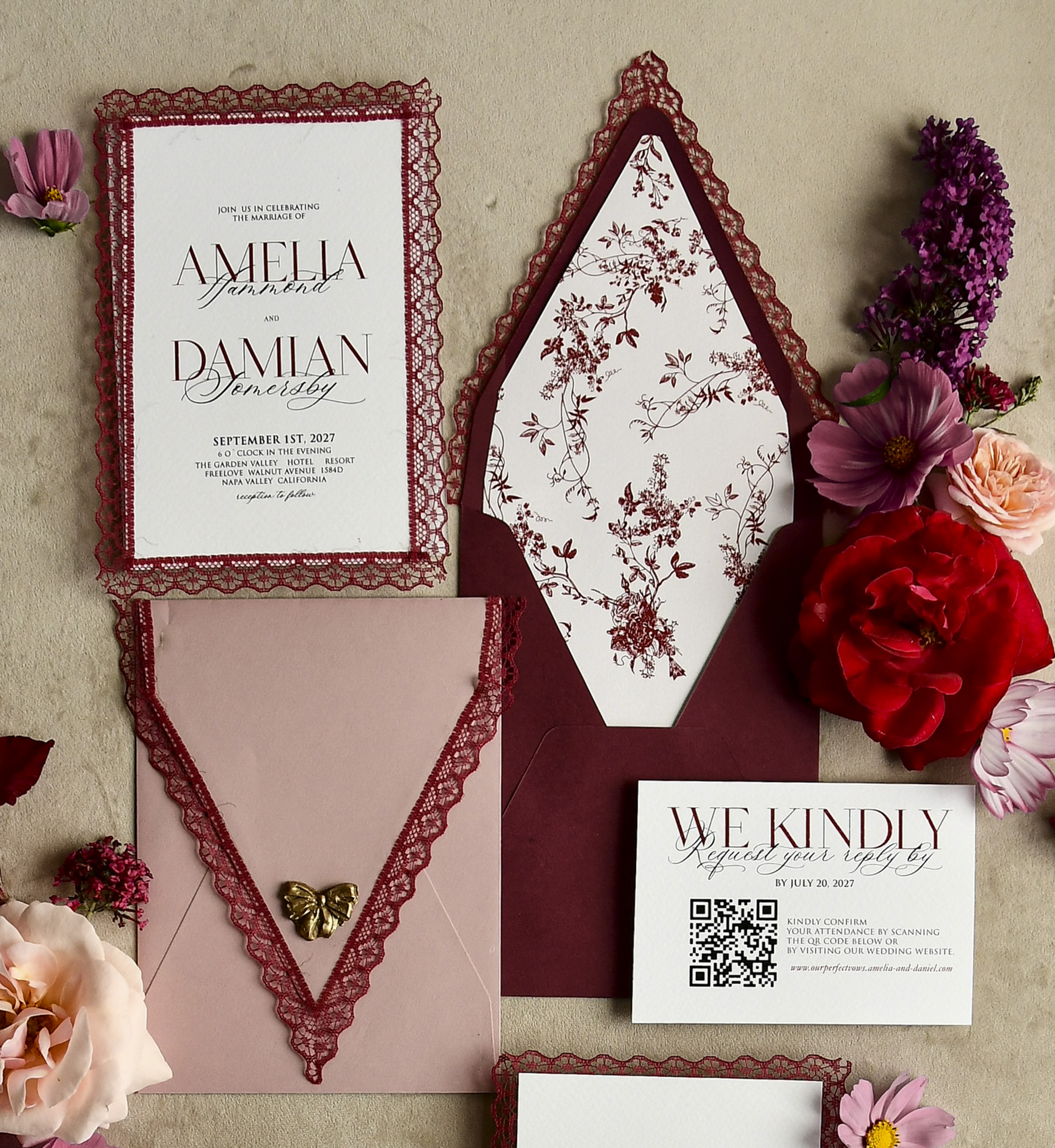
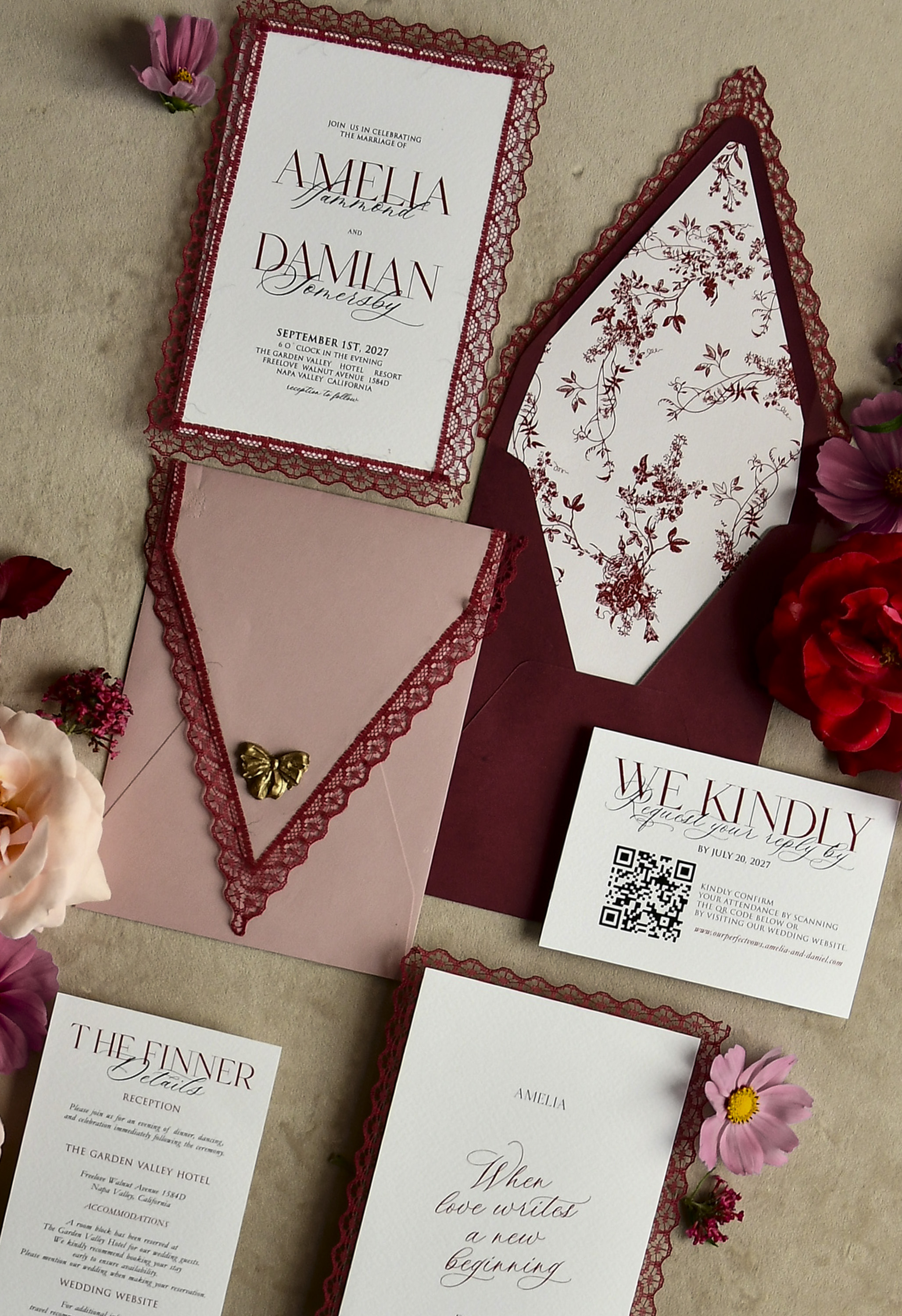
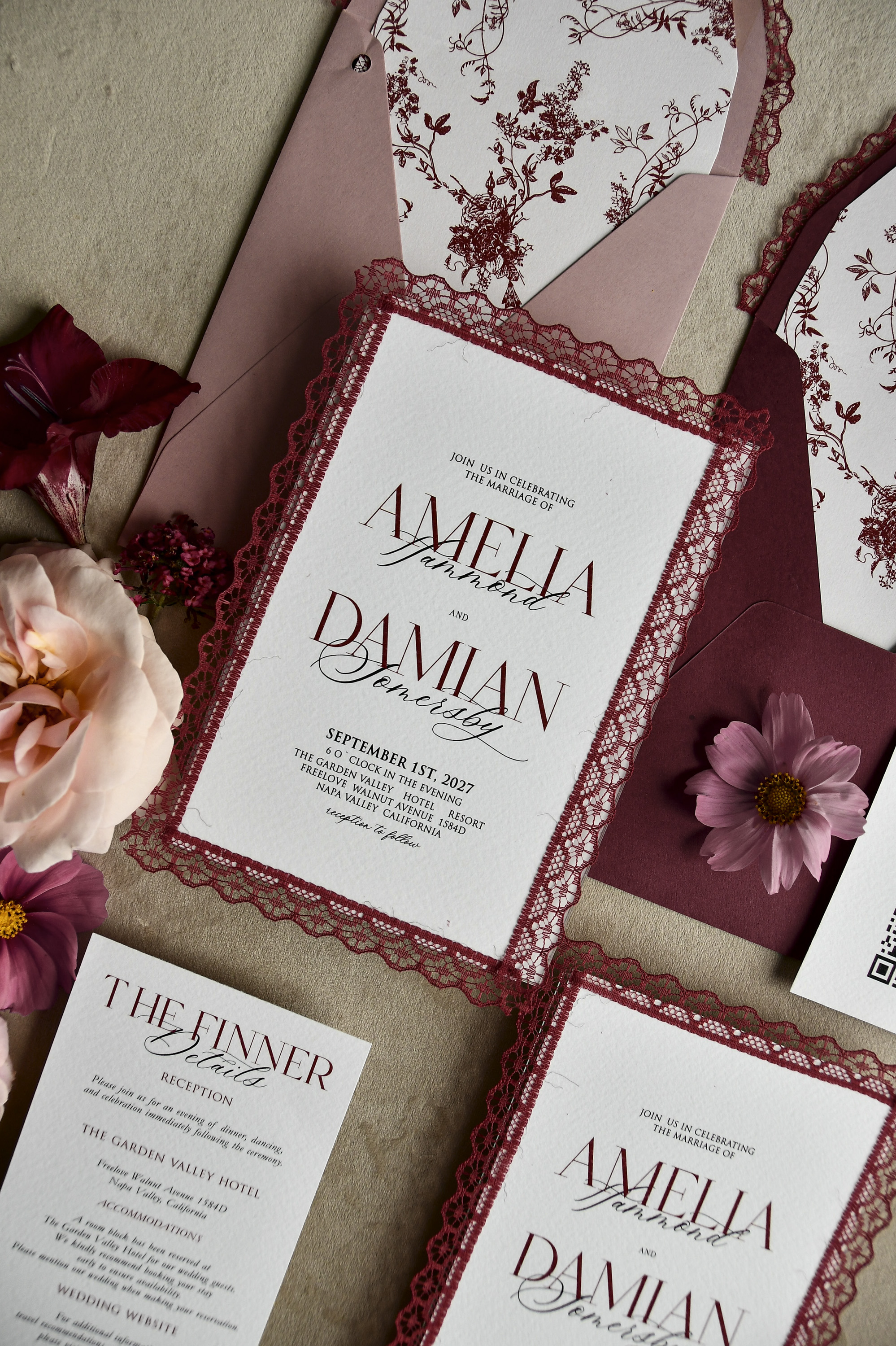
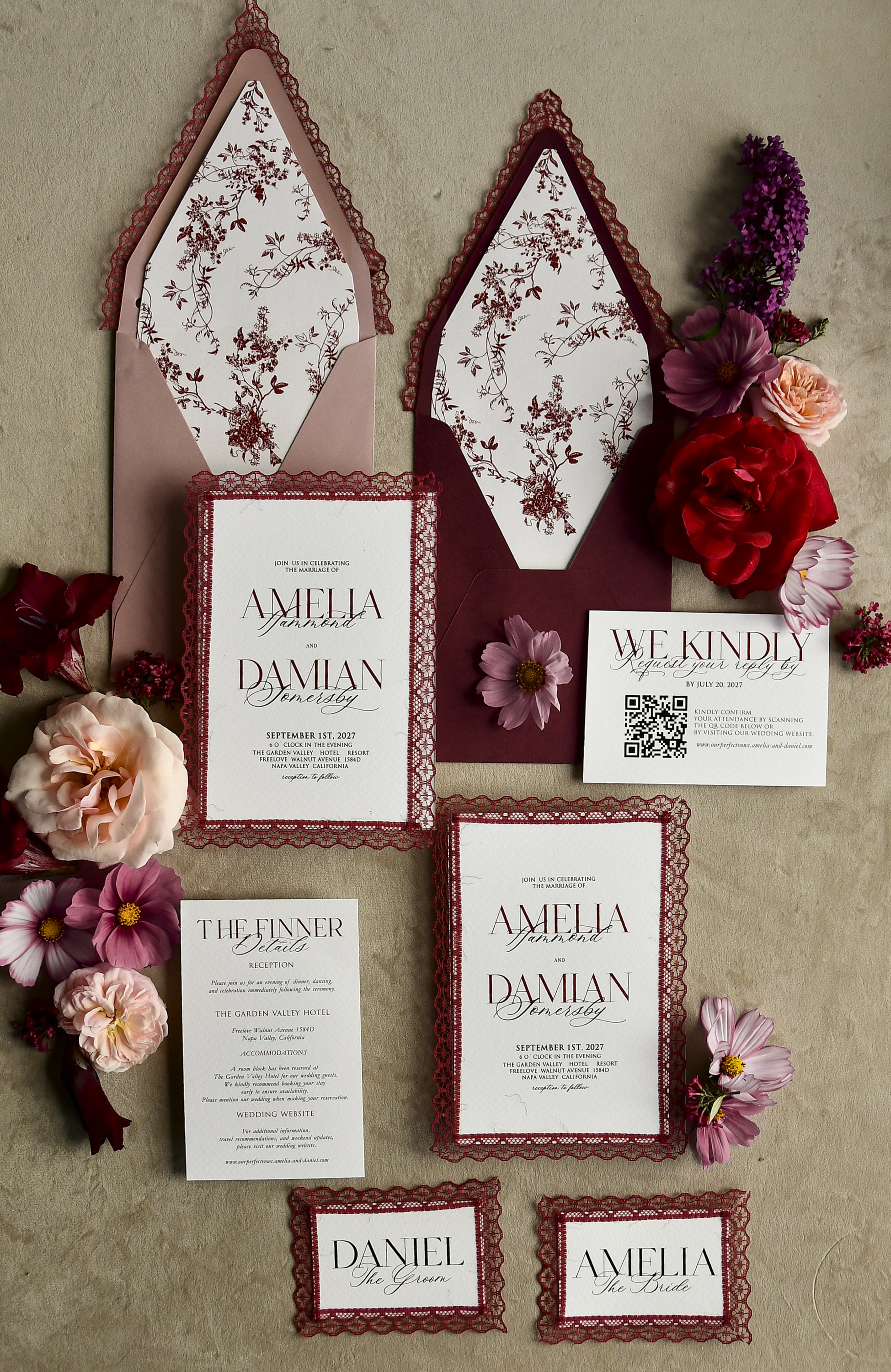
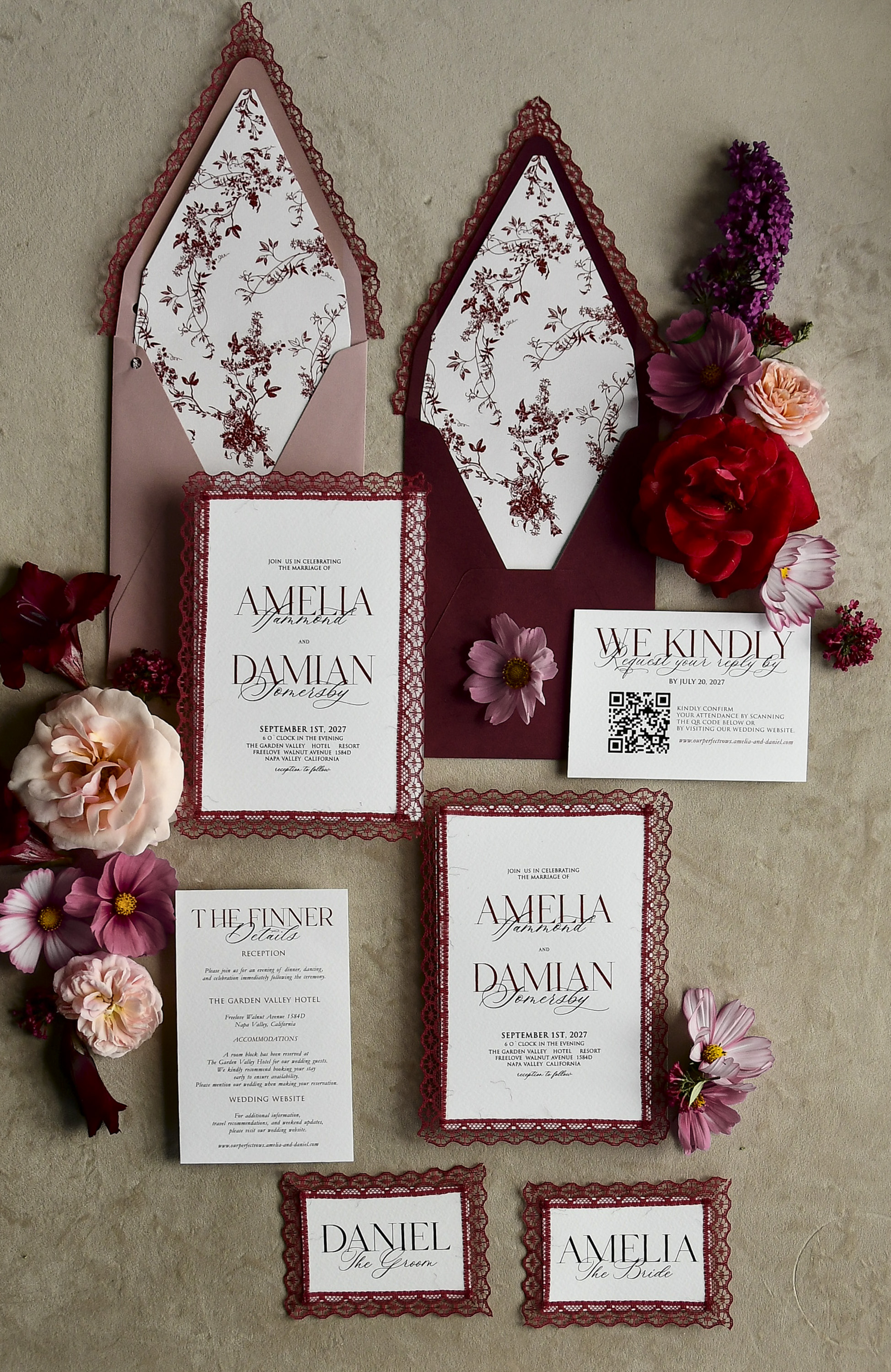
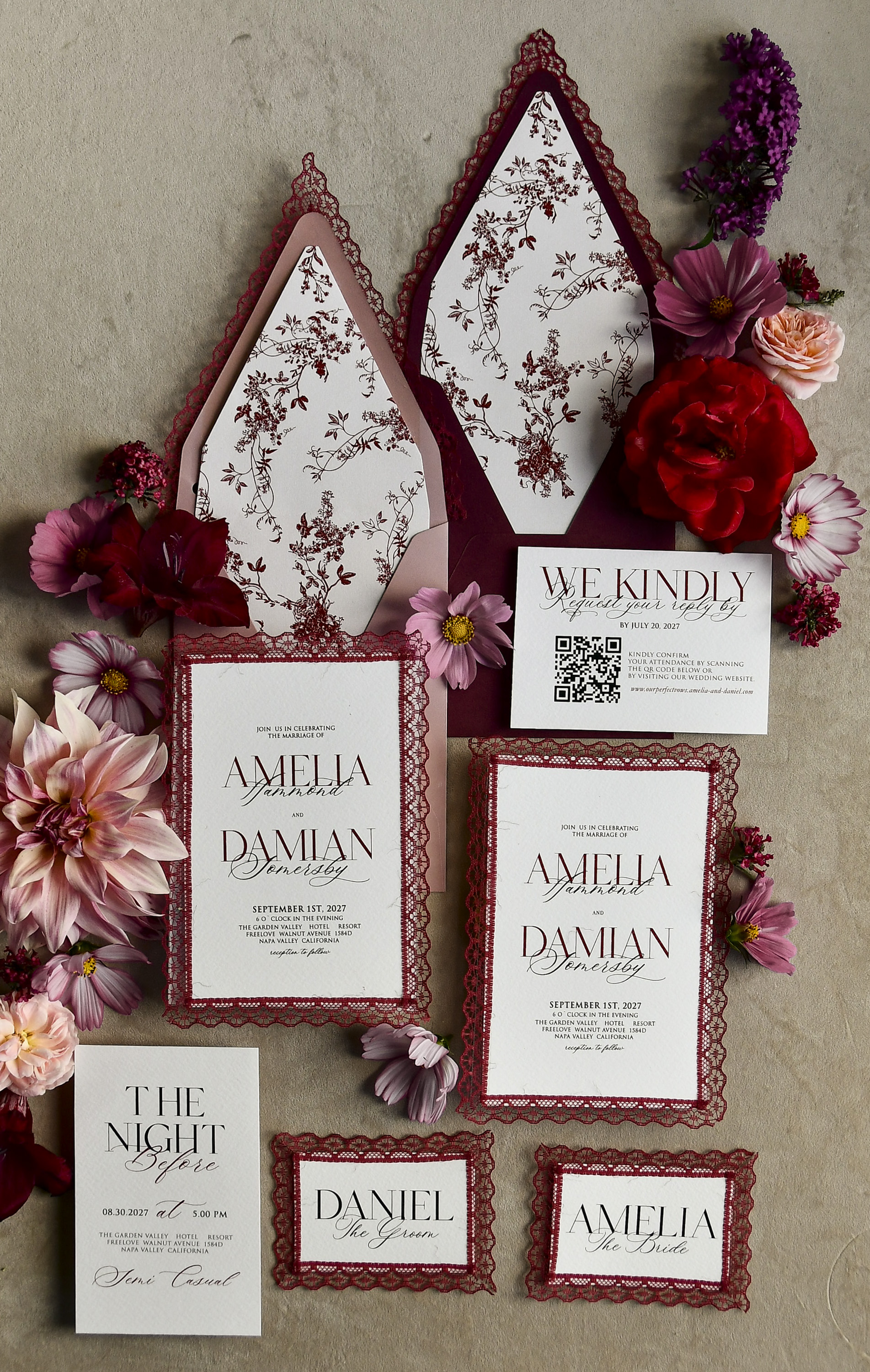
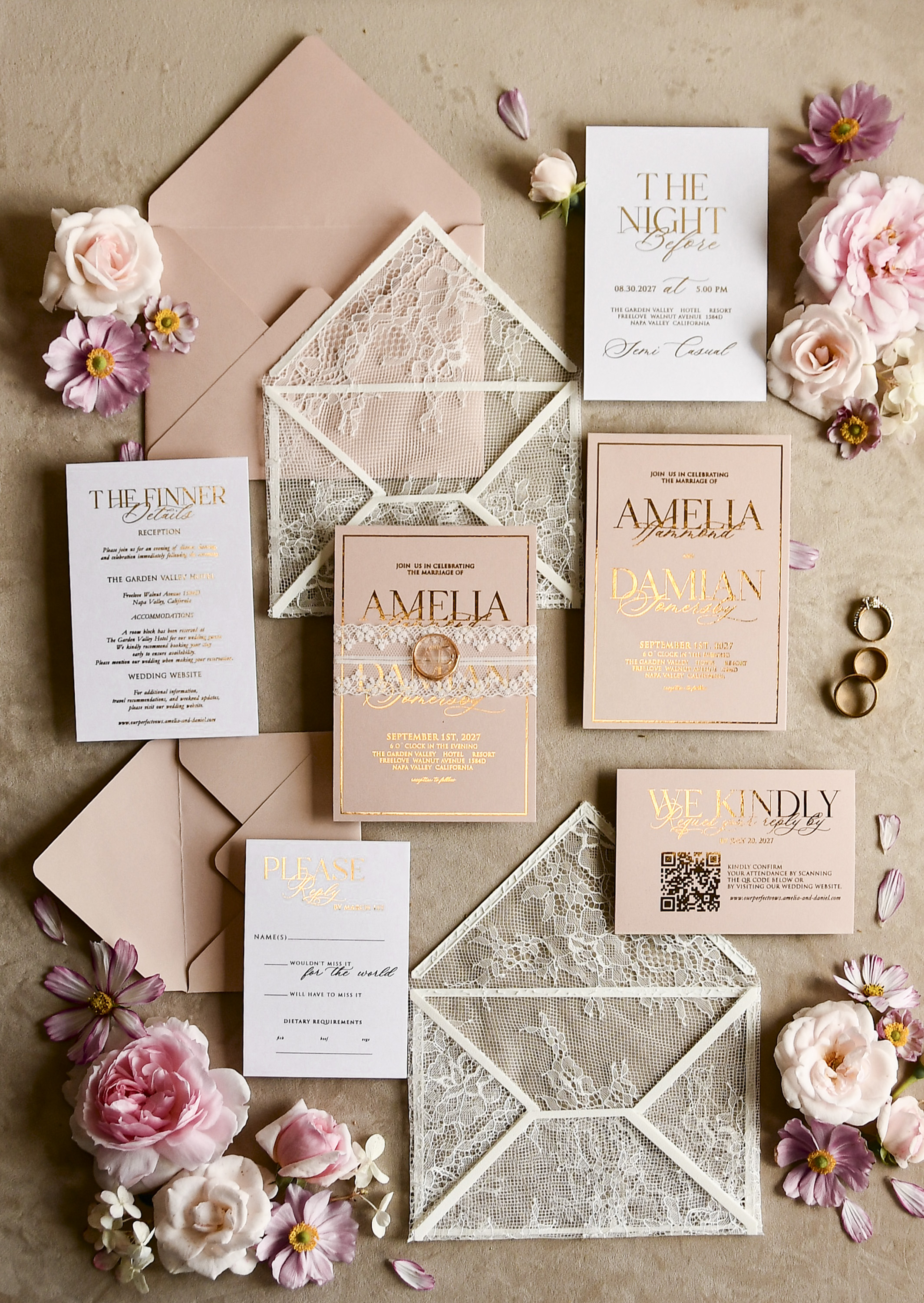
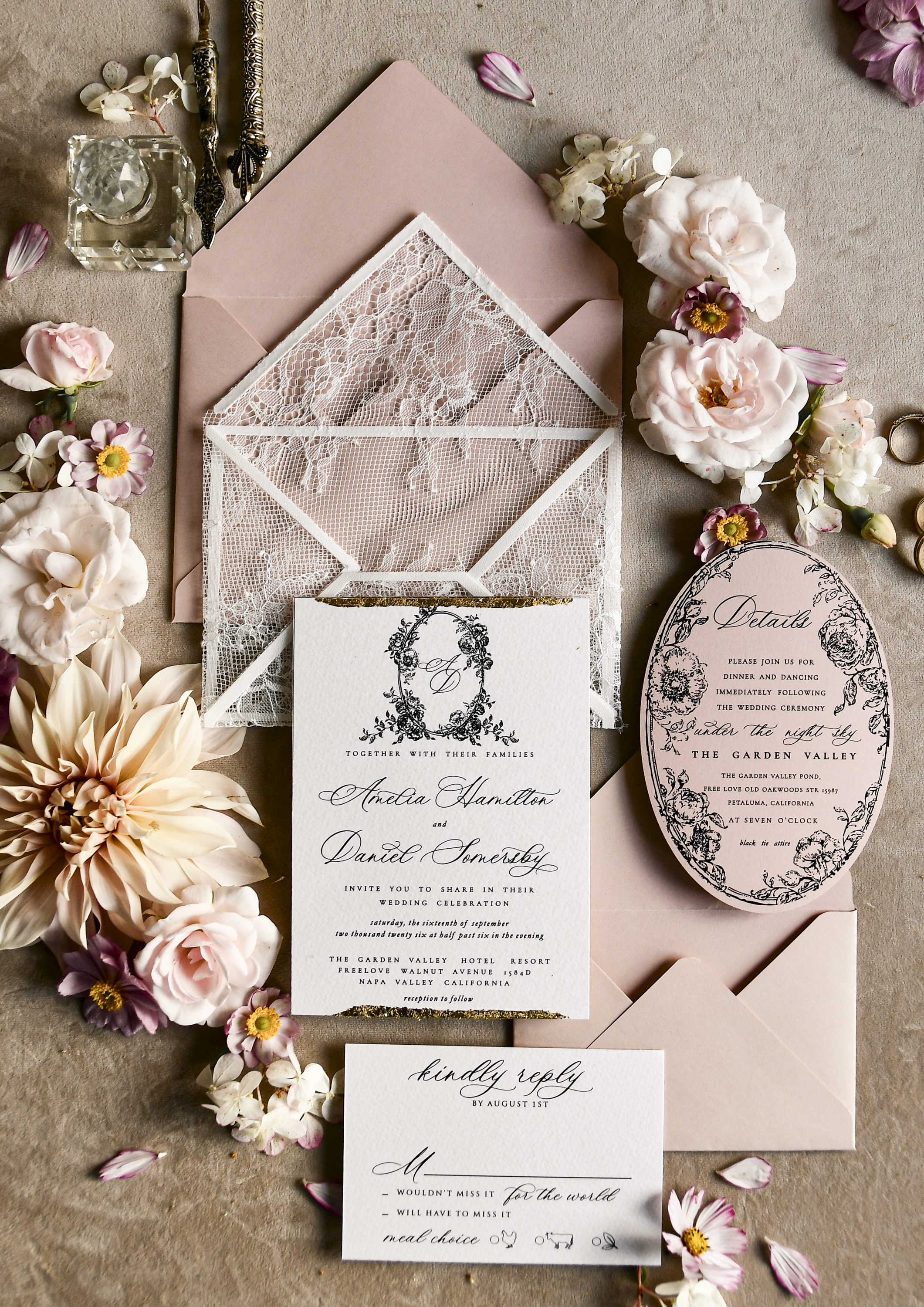
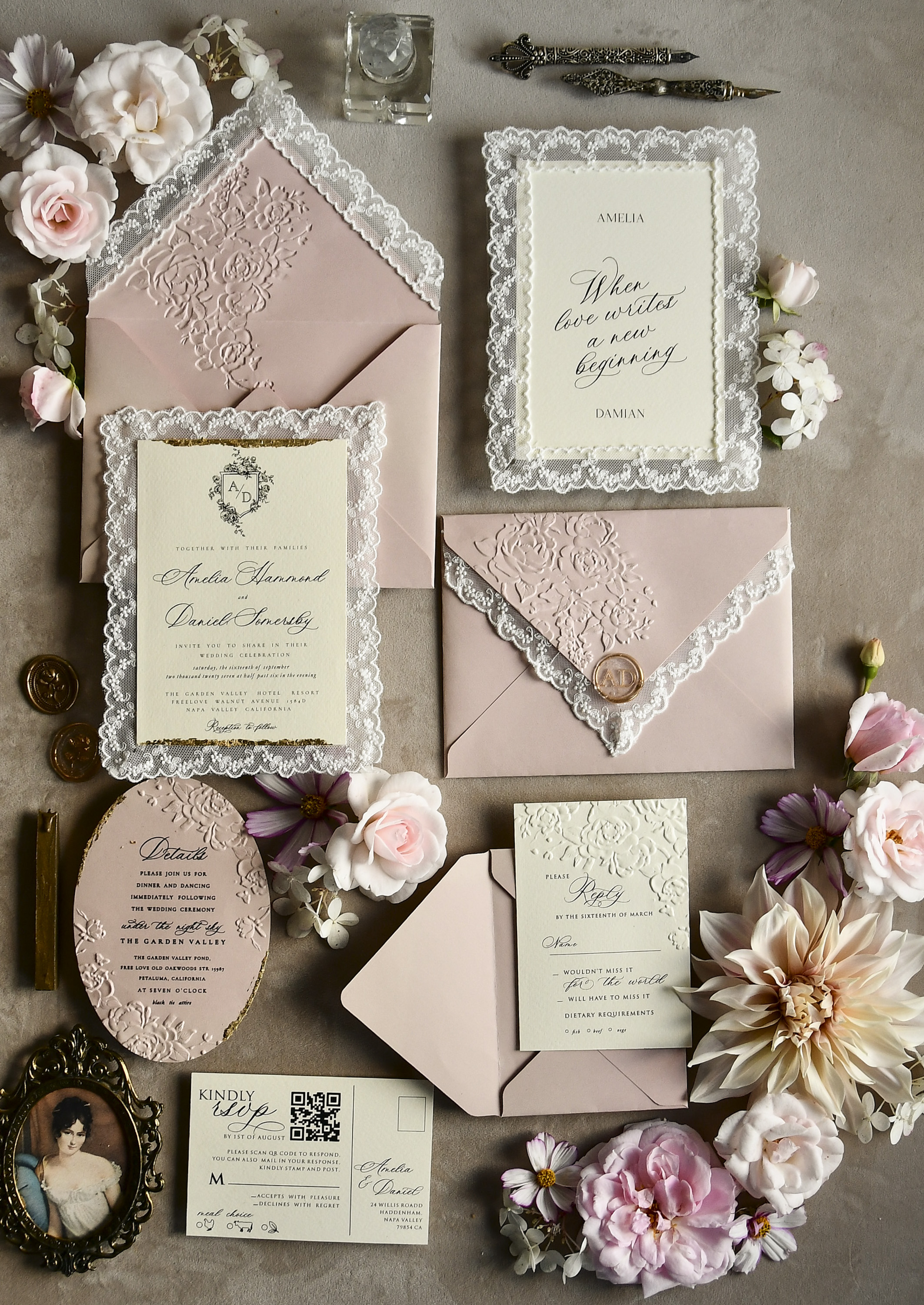
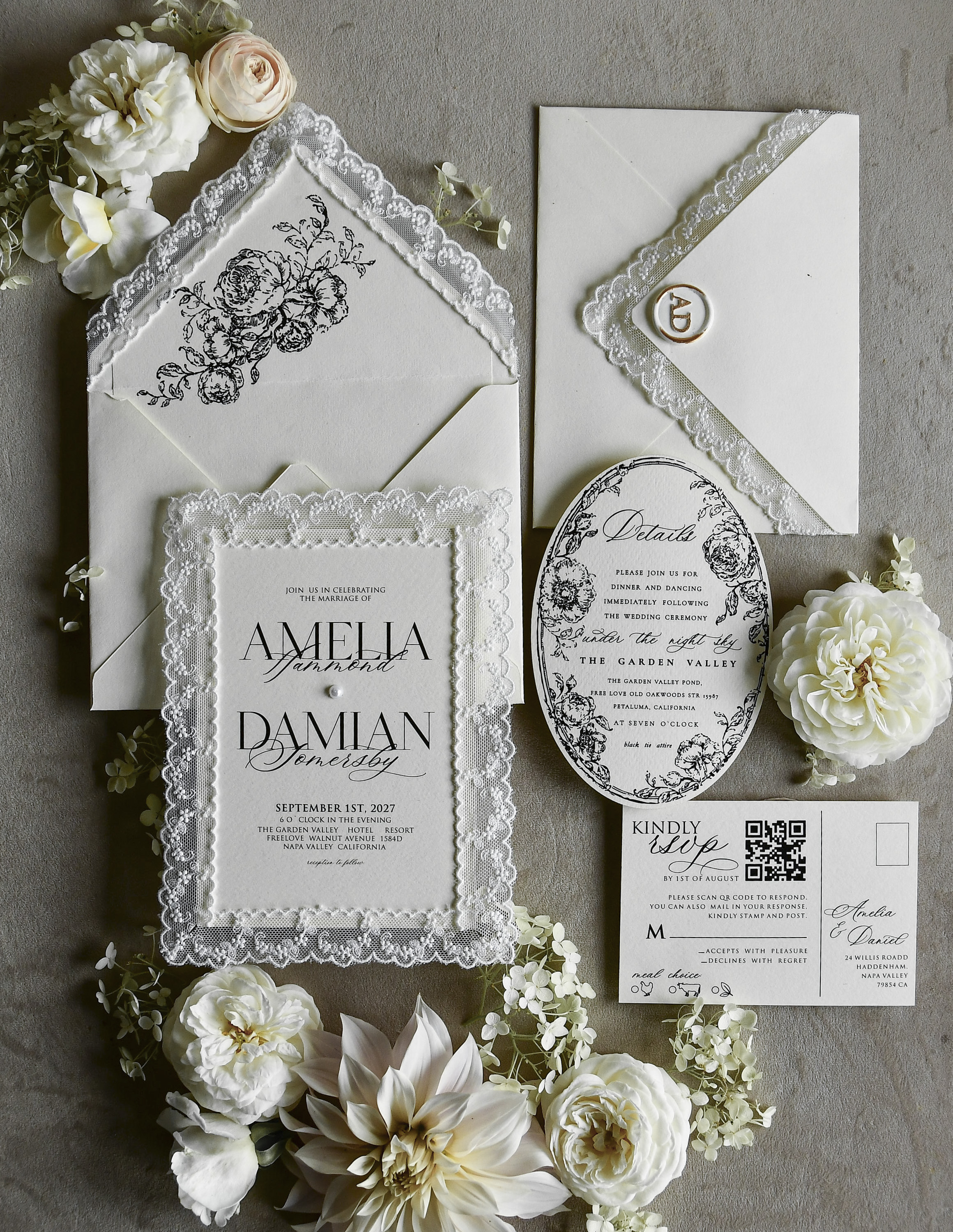
Your invitations set the tone for the whole event. A beautifully designed suite like the 03/laceD/z vintage lace wedding invitation from Margo&Bees signals warmth and intention from the very first impression — reminding every guest that this day is about love, not conflict.
Send your invitations on schedule. Don't delay them hoping the situation resolves itself. The couple who waits too long to mail invites often creates a new set of logistical headaches.
After the Wedding, Give the Relationship Time
Whether the relative attended or not, give the relationship some breathing room after the wedding. A short, gracious note — "We missed you and hope we can celebrate together soon" — keeps the door open without relitigating the drama. Some relatives come around once they see the event went beautifully without the conflict they predicted. Others need more time. Either way, you handled it with integrity, and that matters.
Designing your stationery suite, like the elegant 03/laceD/z rustic lace invitation, is one of the genuinely joyful parts of wedding planning. Don't let someone else's ultimatum steal your focus from the moments that deserve your energy most.
Frequently Asked Questions
Only in extremely rare circumstances — such as a genuine safety concern — should you uninvite a guest to satisfy another's ultimatum. In most cases, caving sets a precedent and may cause you long-term regret. Hold your guest list with confidence.
The closeness of the relationship raises the emotional stakes, but the principle is the same: have one honest, loving conversation, then hold your position. Even parents don't have the right to veto your guest list, though it's worth extra care in how you communicate that boundary.
Brief a trusted friend or family member ahead of time to serve as a quiet buffer. In most cases, guests who threatened drama beforehand tend to behave at the actual event — social settings and wedding joy have a way of de-escalating old grievances.
No. You are not required to narrate family conflict to your other guests. A simple "we're so glad everyone is here" is enough. Let the day speak for itself rather than pre-explaining dynamics that most guests may not even notice.
Yes, and this can actually work well when done privately and kindly. Reach out to each person separately and simply ask them to set aside the history for one day in honor of your marriage. Frame it as a gift to you, not a judgment of them.
Accept their decision gracefully and don't guilt-trip them publicly or privately. Send a kind note after the wedding leaving the door open. People sometimes realize after the fact that they made the wrong call, and your graciousness makes reconciliation easier.
See This Design Up Close
You May Also Like
More Wedding Planning Guides
- → Your Fiancé Doesn't Want Your Family at the Wedding — Here's How to Navigate It
- → Wedding Invitation Addressing: Who Gets What Line and Why
- → Should You Invite Someone Just Because Mom Asked? Here's How to Decide
- → The Single Guest Plus-One Question: What Every Couple Should Know
- → Should You Mail or Hand-Deliver Your Wedding Invitations? A Couple's Guide
- → Handling the 'Why Wasn't I Invited to Your Wedding?' Question
- → Save the Dates vs. Wedding Invitations: A Clear Guide to What Goes Out When and Why
- → Uninvited Plus-Ones and Tag-Alongs: How to Keep Your Guest List Intact
- → When Family Feuds Threaten Your Wedding Plans: A Practical Peacekeeper's Guide
- → Inviting an Estranged Brother or Sister: Finding Clarity Before You Seal the Envelope
- → Cousins, Invites, and Hard Choices: A Practical Guest List Guide