
Your Fiancé Doesn't Want Your Family at the Wedding — Here's How to Navigate It

Few wedding disagreements cut as deep as this one. You're excited to celebrate with the people who raised you, and your fiancé is pushing back — maybe firmly. Whether it's about keeping the guest list tiny, avoiding family drama, or a deeper conflict, this situation deserves a calm, honest conversation before a single invitation goes out. Here's how to work through it without losing your relationship or your sense of self in the process.
Understand What's Really Behind the Request
Before you react, get curious. There's almost always a reason beneath the surface, and it matters a lot what that reason is. Ask your fiancé directly and listen without defending:
- Budget constraints: Every additional guest adds cost. If your family is large and the budget is tight, your fiancé may be making a financial argument, not a personal one.
- Desire for an intimate wedding: Some people genuinely envision a micro-wedding of 10–20 people. If your fiancé wants only immediate family on both sides, that's a different conversation than a blanket exclusion of your relatives.
- Past conflict or discomfort: Has there been tension between your fiancé and certain family members? A specific history of conflict is a legitimate concern worth discussing.
- Anxiety or family dynamics: Some people have complicated feelings about large gatherings or about the concept of family itself. This can show up as resistance that isn't really about your relatives at all.
Understanding the why tells you whether you're problem-solving together or facing something more serious.
Know Which Lines Are Yours to Hold
This is your wedding too. A wedding is a legal and personal union of two people, and both people's closest relationships deserve respect. It's completely reasonable to have non-negotiables — and you should identify yours before the next conversation.
Ask yourself honestly: Which family members are essential to you being fully present and joyful on your wedding day? For most people, that list is shorter than the full extended family but longer than zero. Your parents, a sibling, a grandparent who is still living — these are people whose absence would leave a real hole in your memory of the day.
Be clear with your fiancé: "I need my mom and my sister there. That's not something I'm able to compromise on." Stating your non-negotiables calmly and early prevents weeks of circular argument. You can be flexible about cousins or distant relatives while being firm about your inner circle.
Find the Compromise That Honors Both of You
Most guest list conflicts have a workable middle ground. Here are real solutions couples use:
- Trim symmetrically: Agree on a total guest count and divide it equally. If your fiancé wants 40 guests, each of you gets 20 invitations to allocate however you choose.
- Separate ceremony from celebration: Have a small, private ceremony with only the people both of you are comfortable with, then host a larger reception or celebration-of-marriage party afterward where your full family can attend.
- Identify the specific concern: If your fiancé objects to one or two family members rather than your family as a whole, that's a different conversation — one about specific people, not your family's worth.
- Bring in a neutral third party: A pre-marital counselor can help you both articulate your needs without it turning into an argument. Many couples find even two or three sessions clarifying before a wedding.
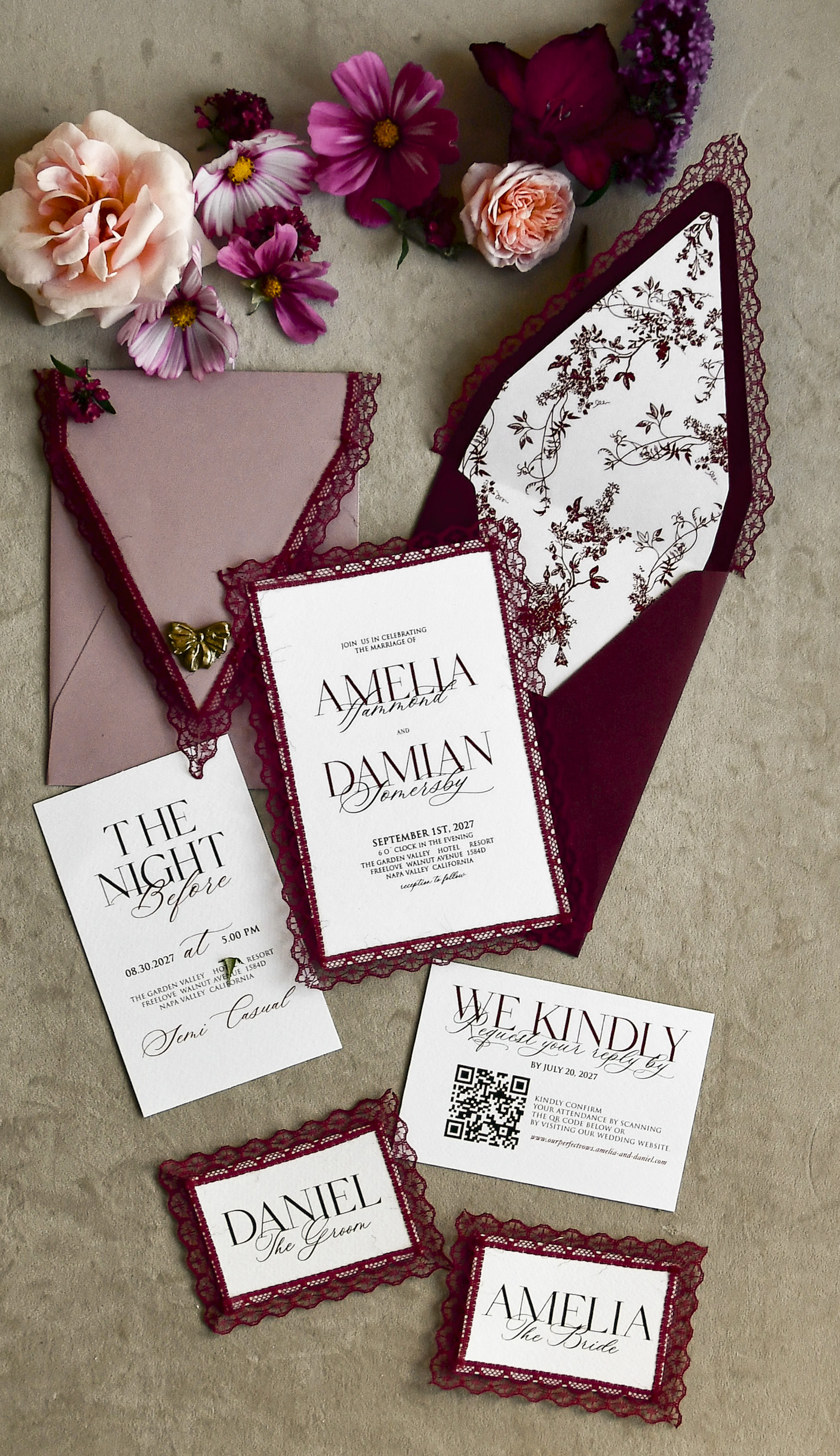
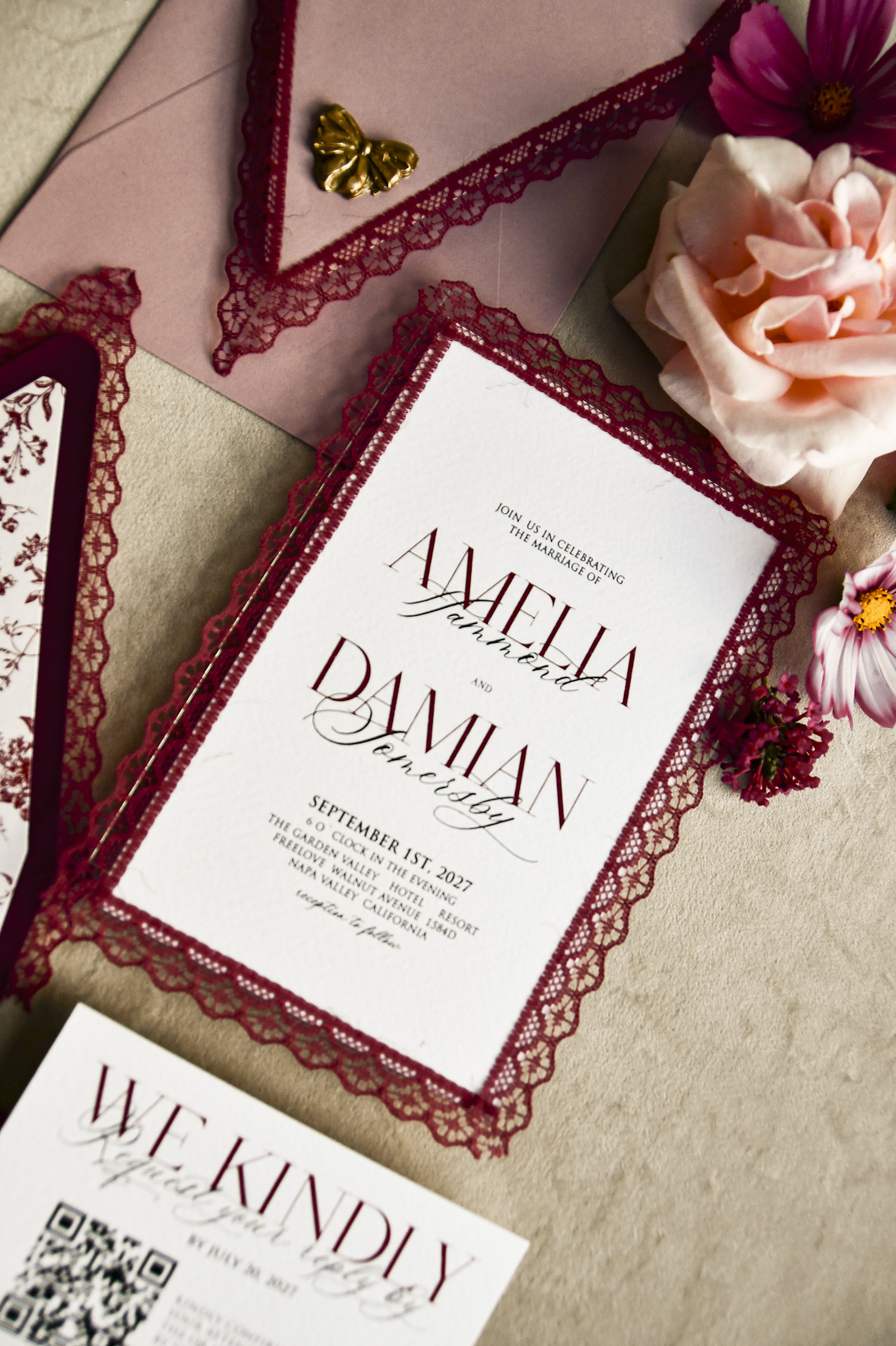
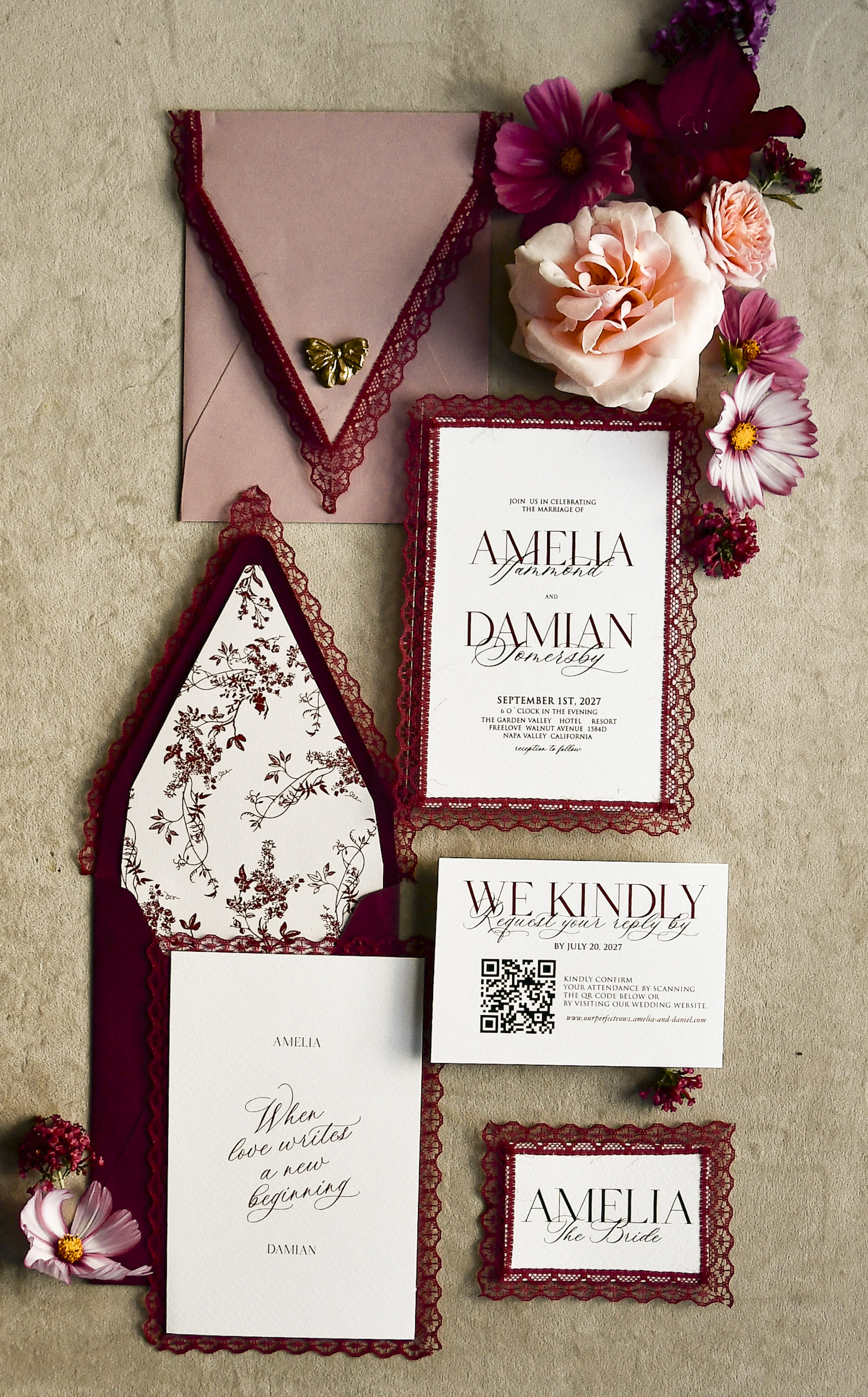
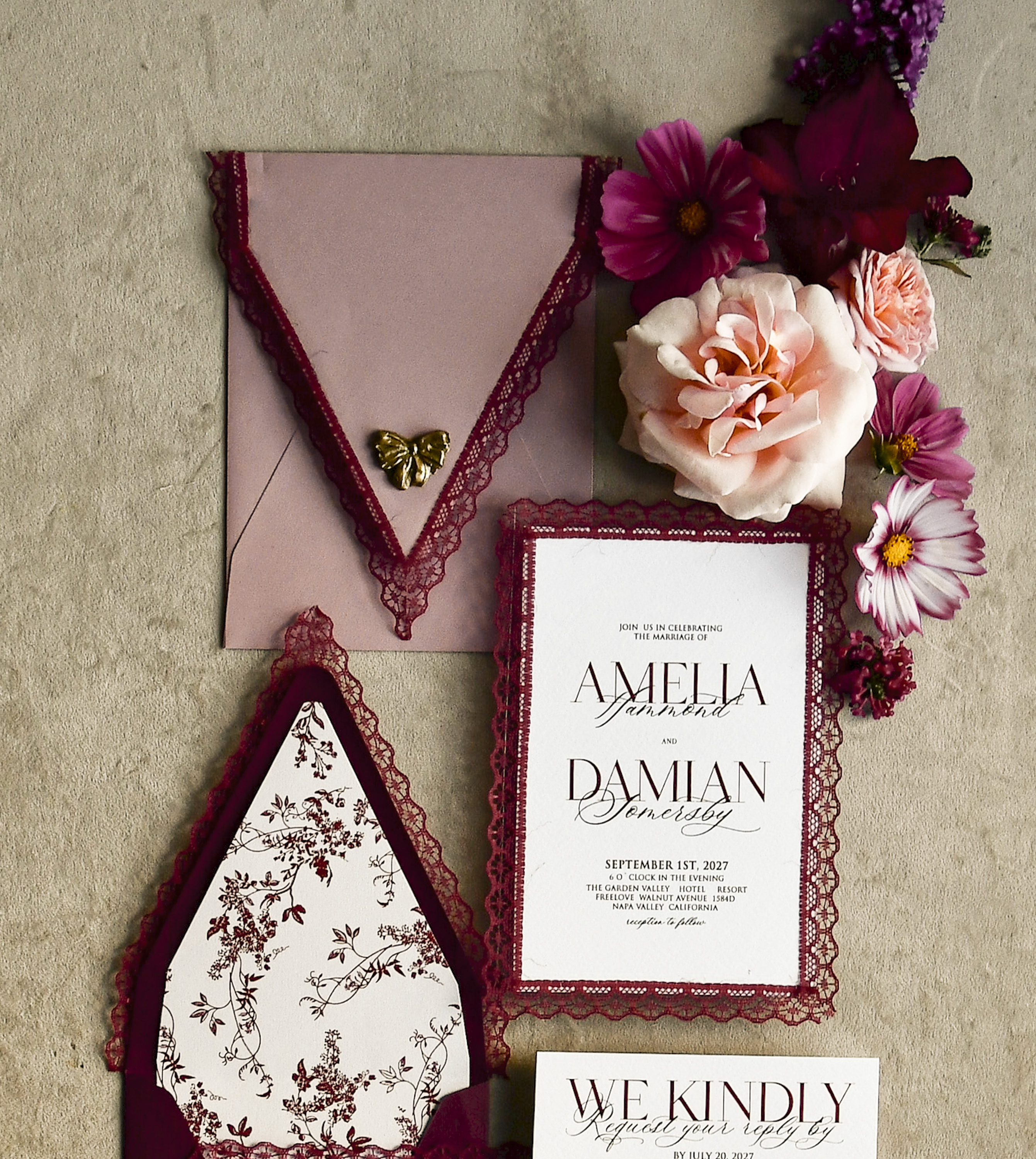
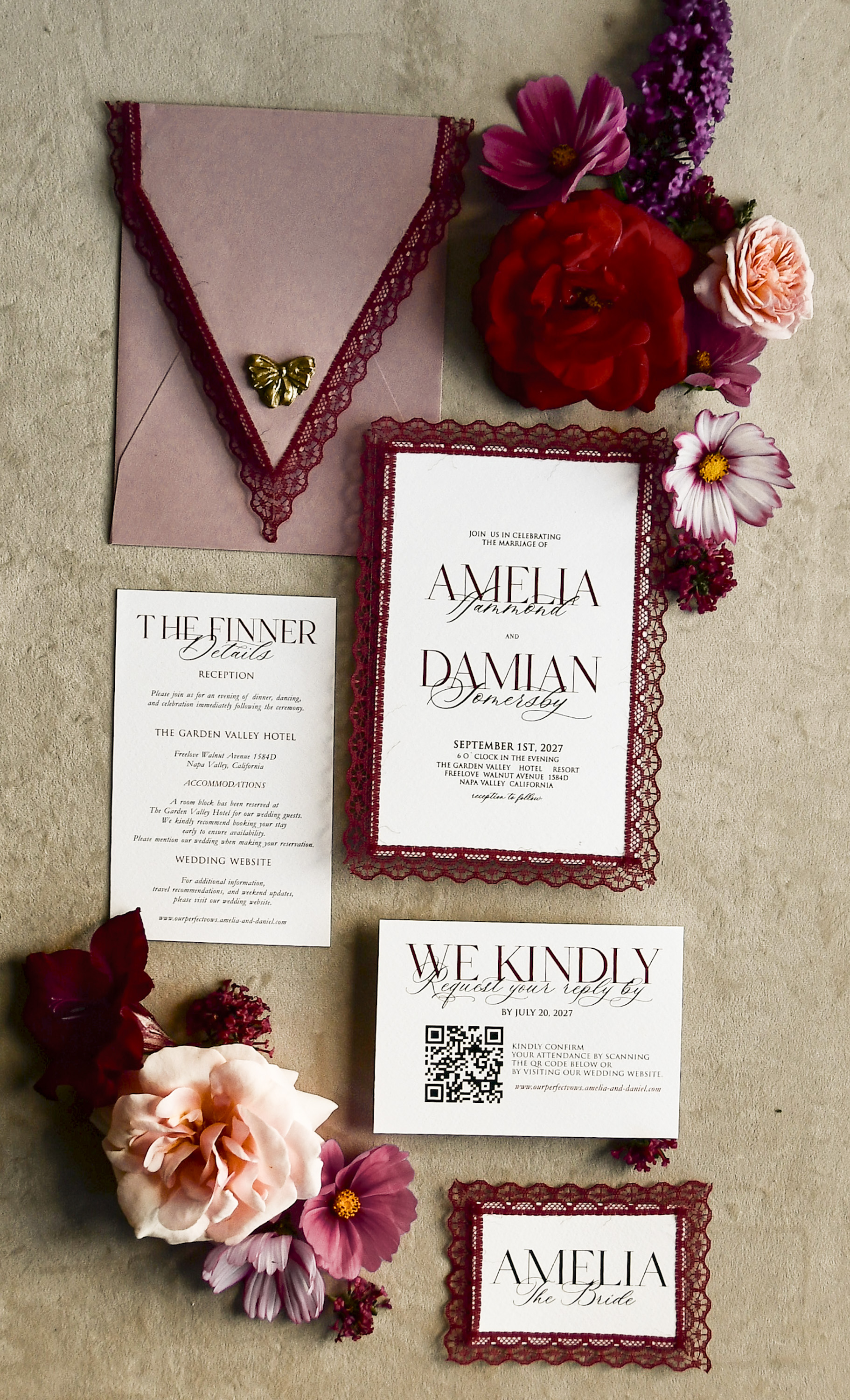
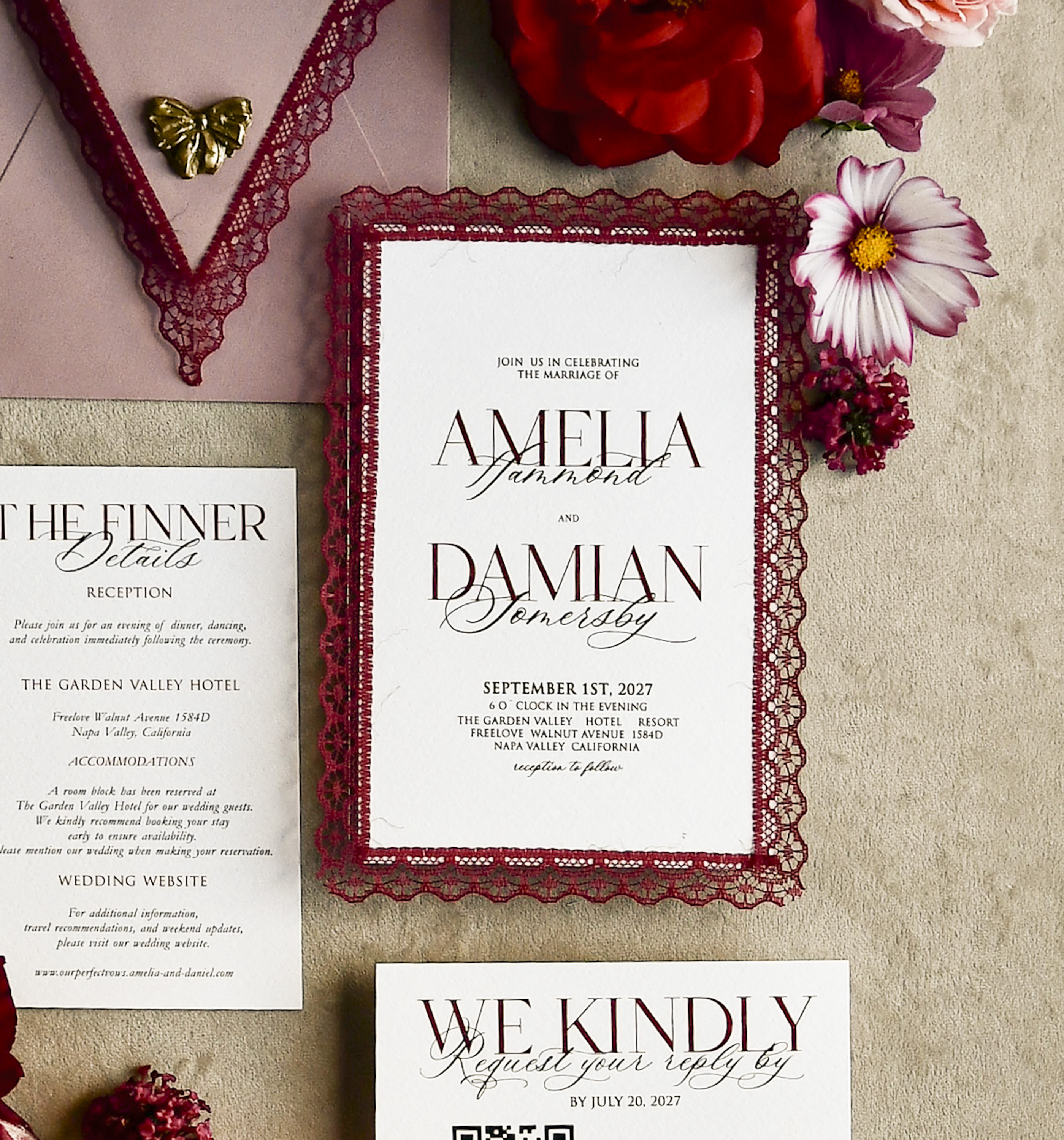
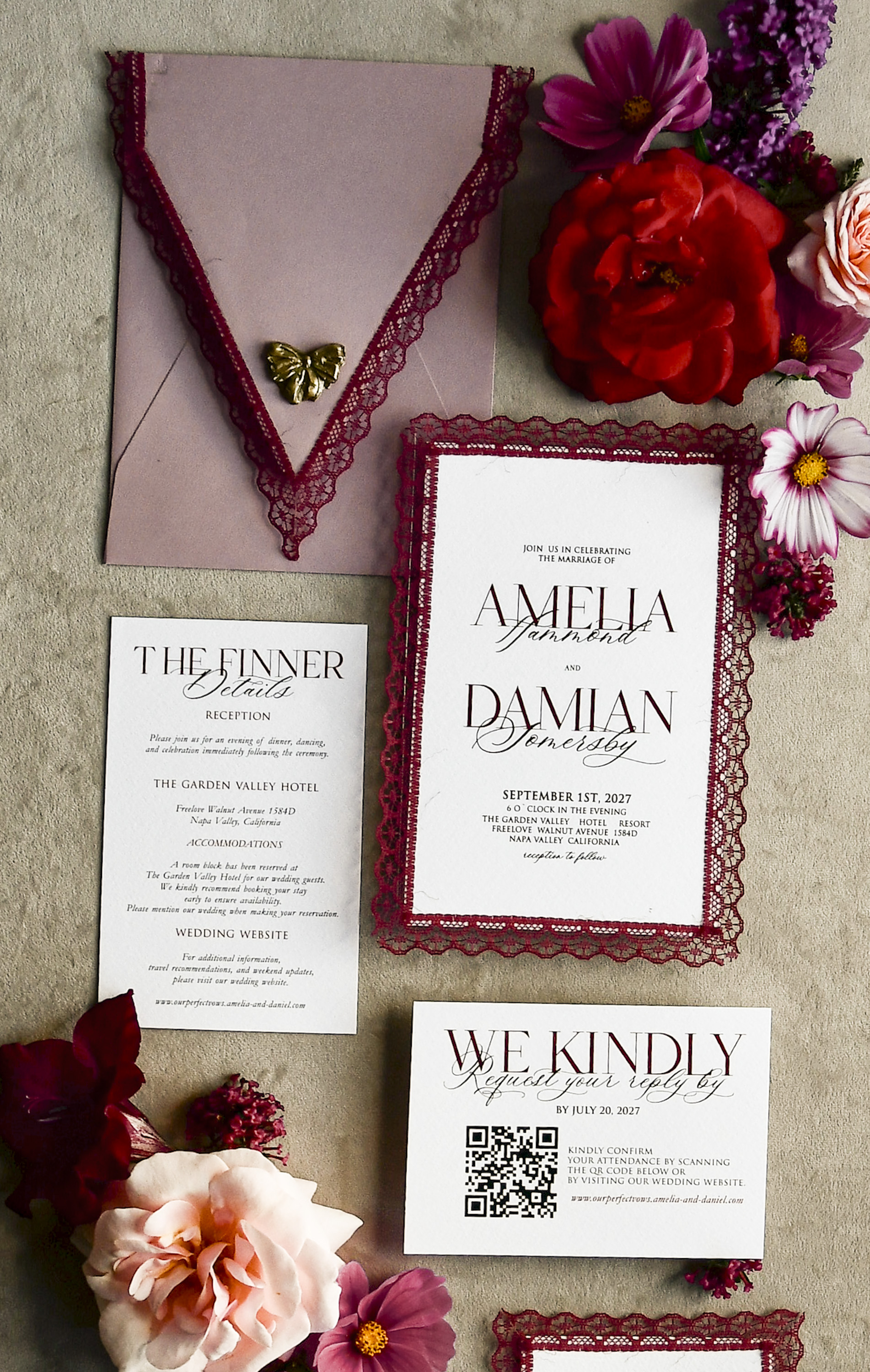
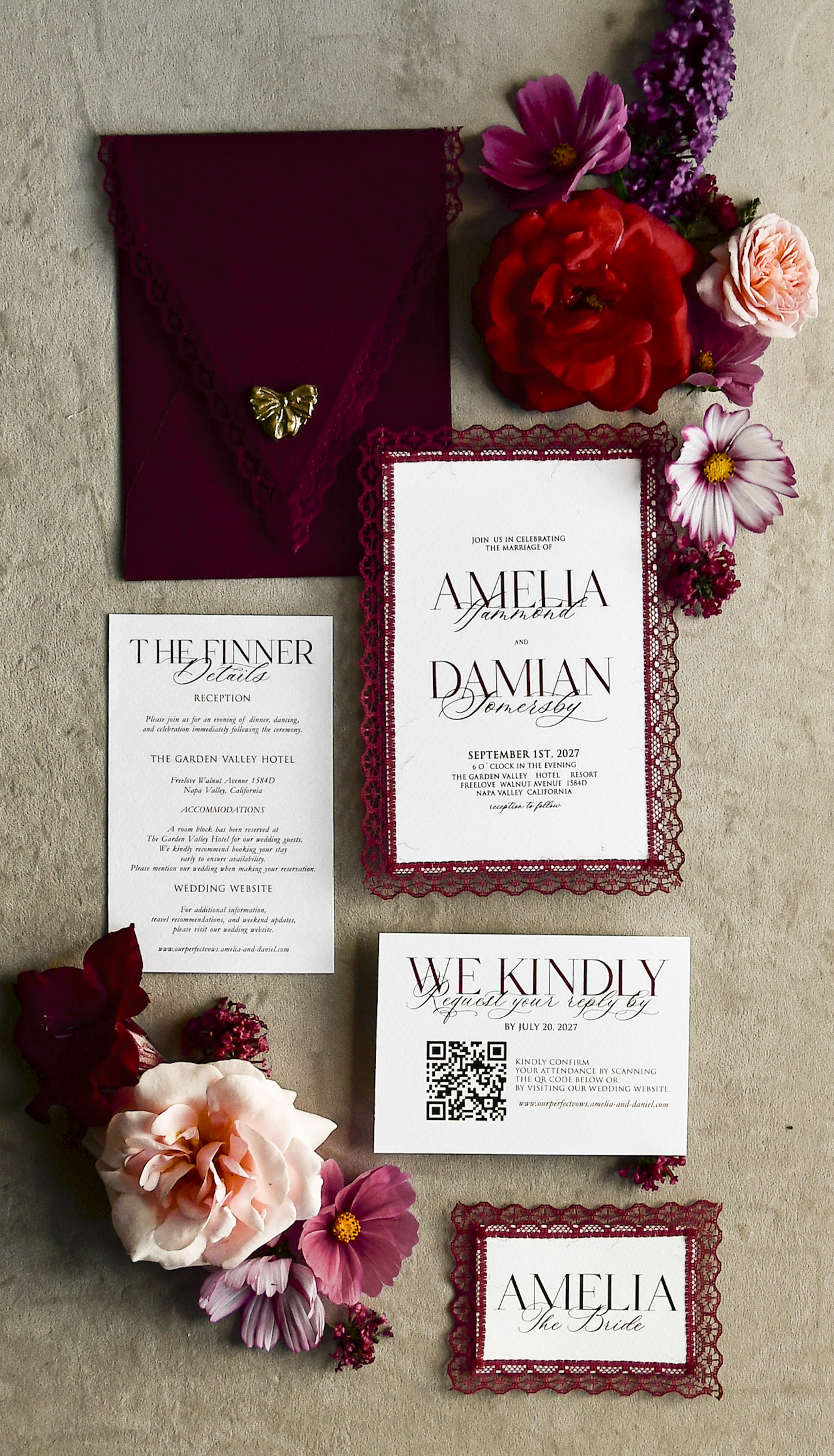
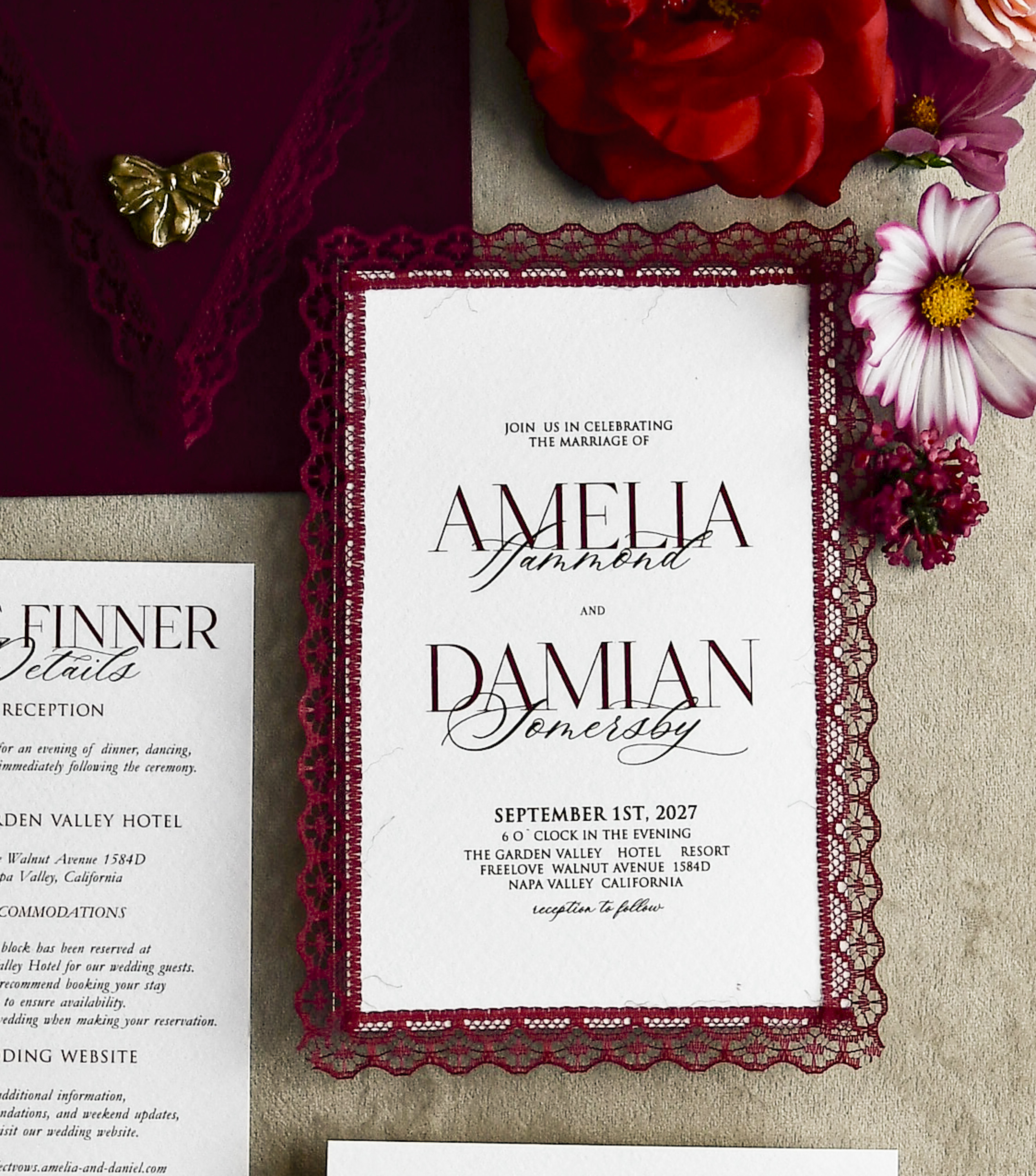
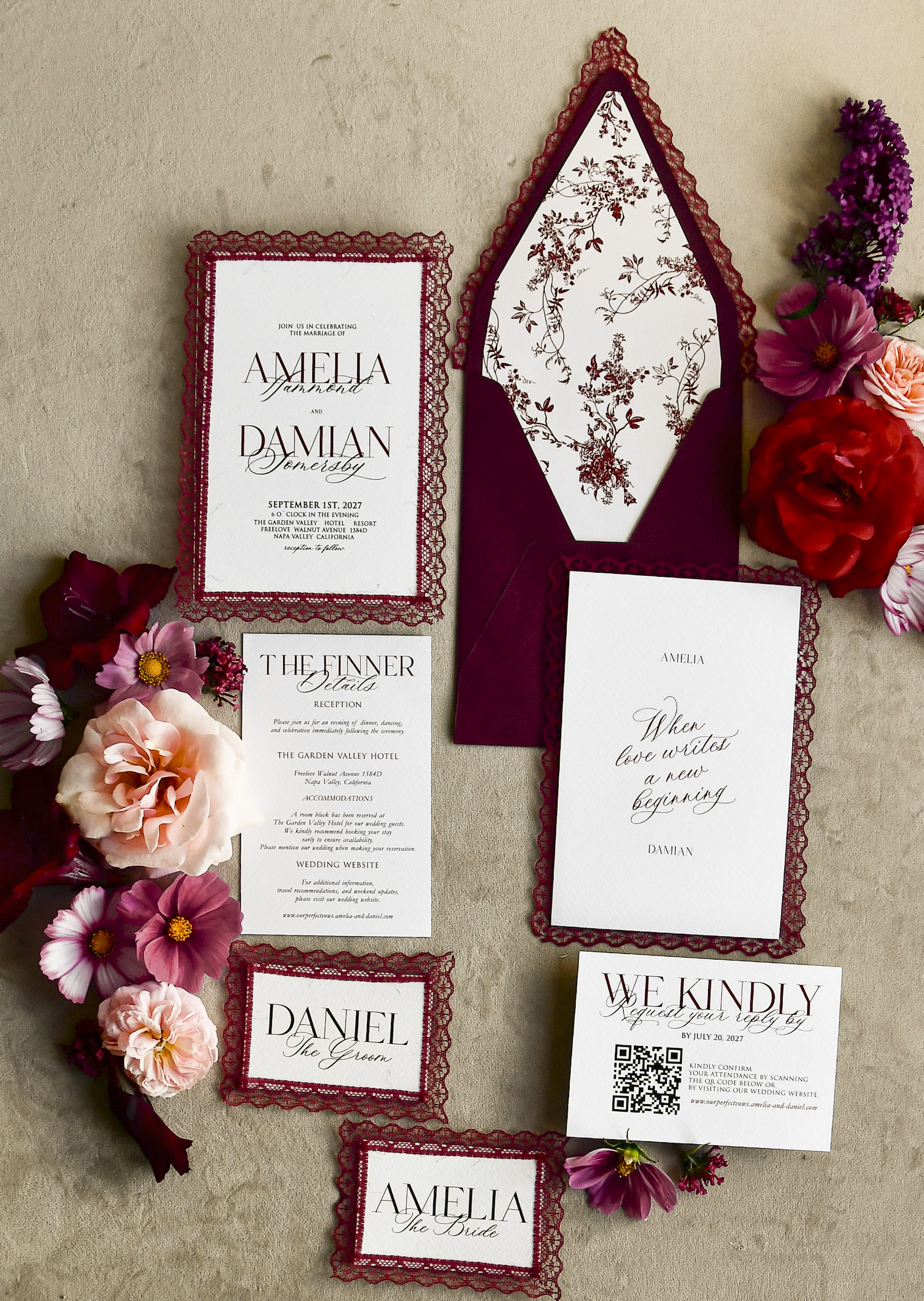
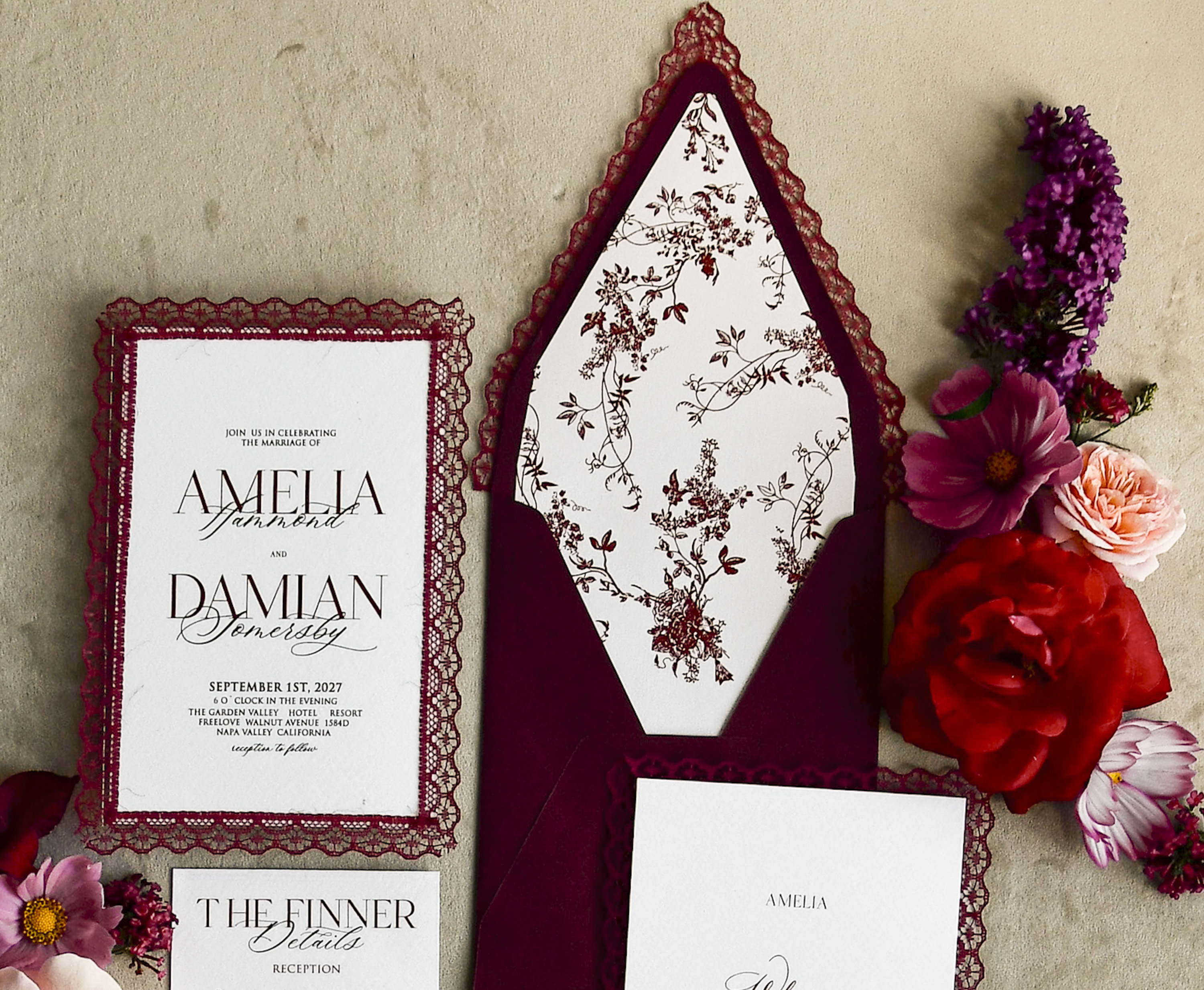
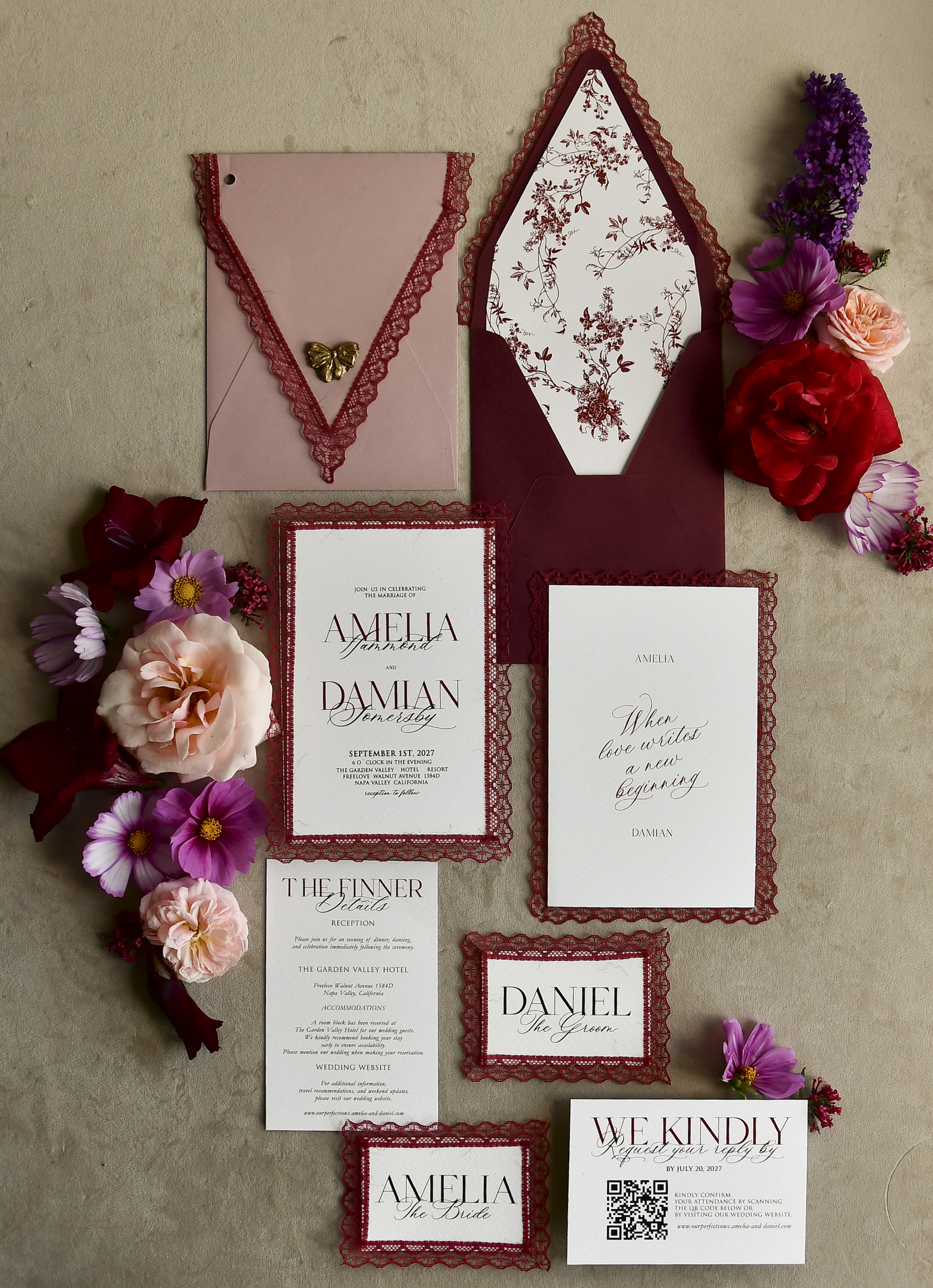
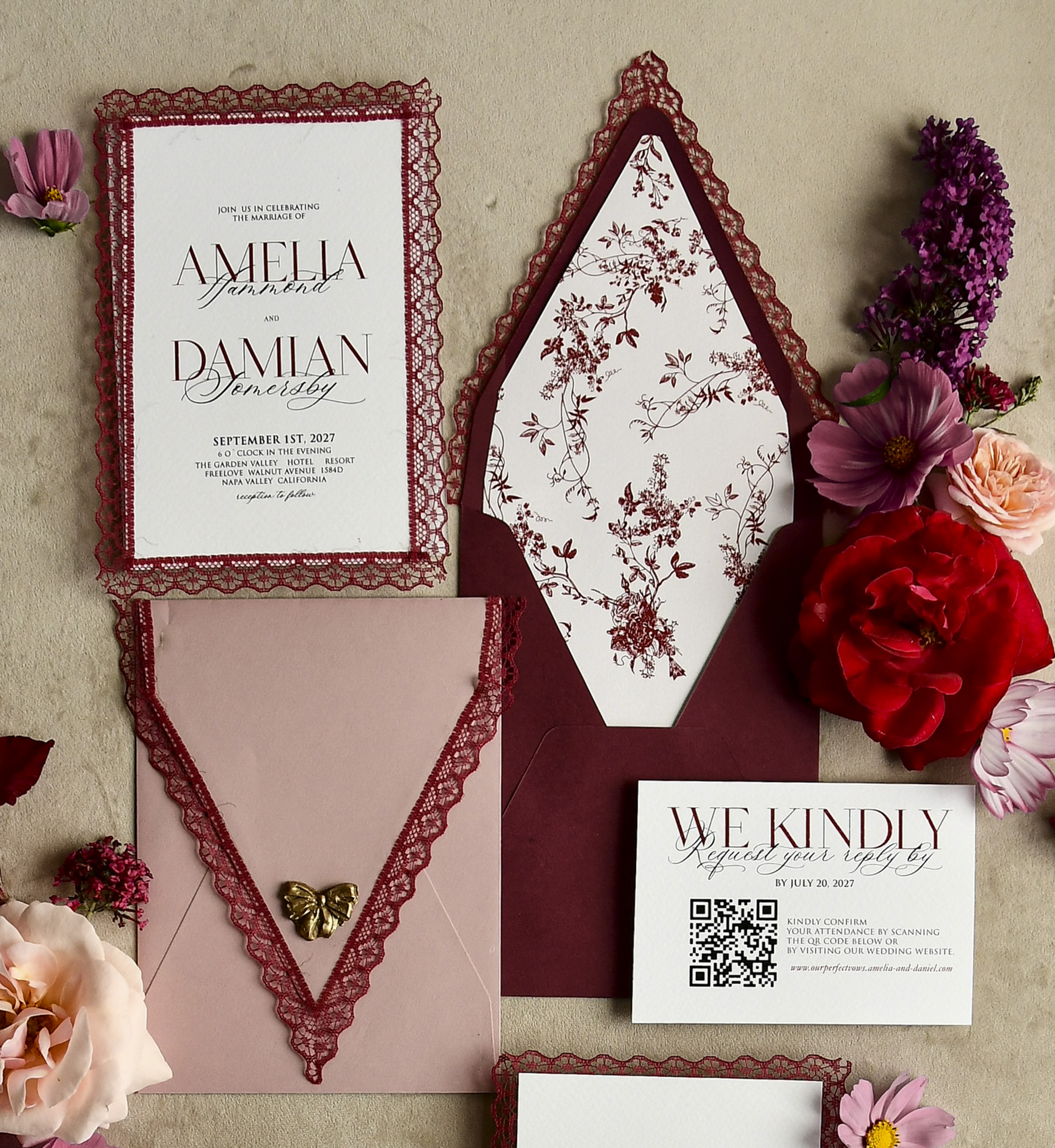
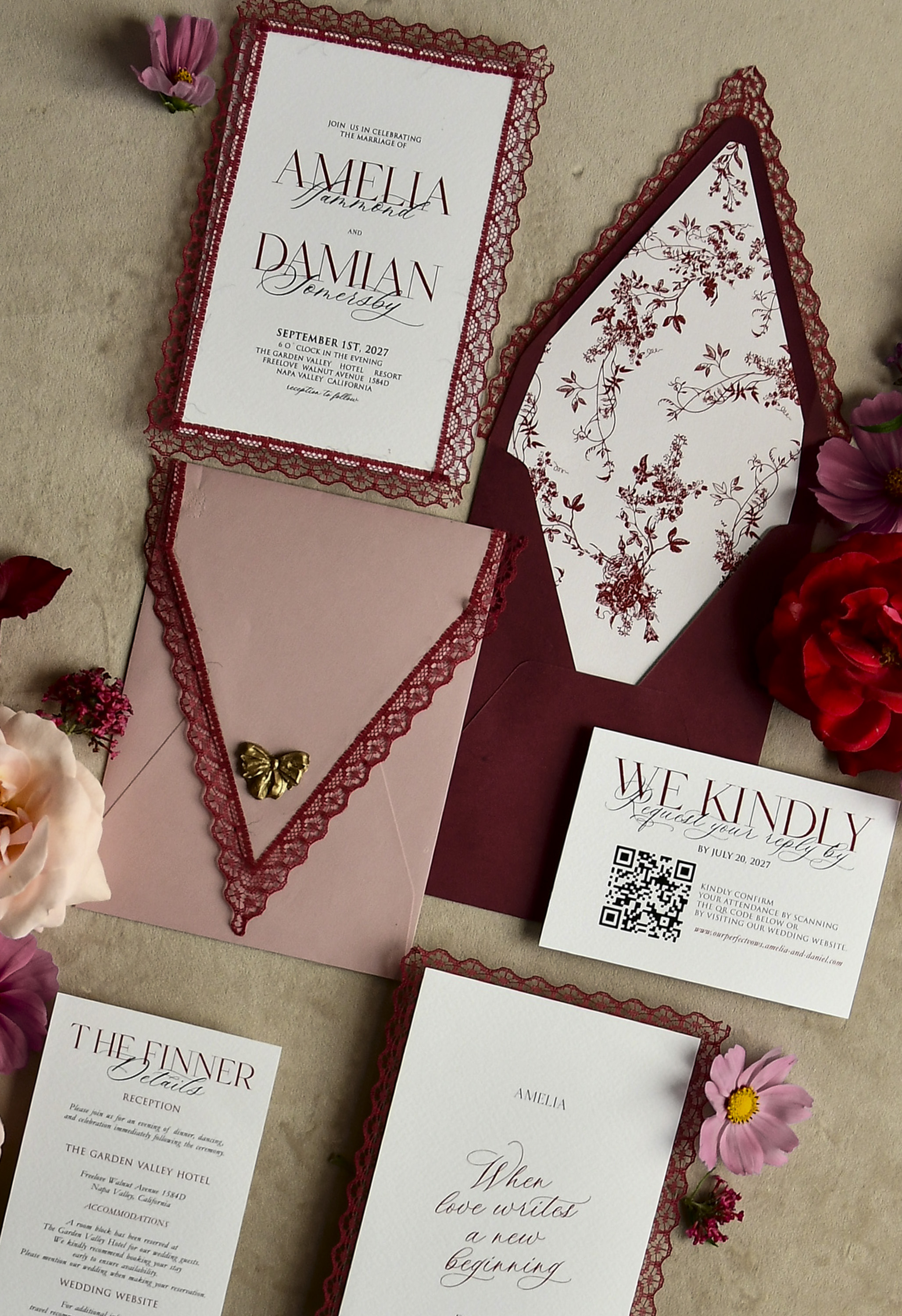
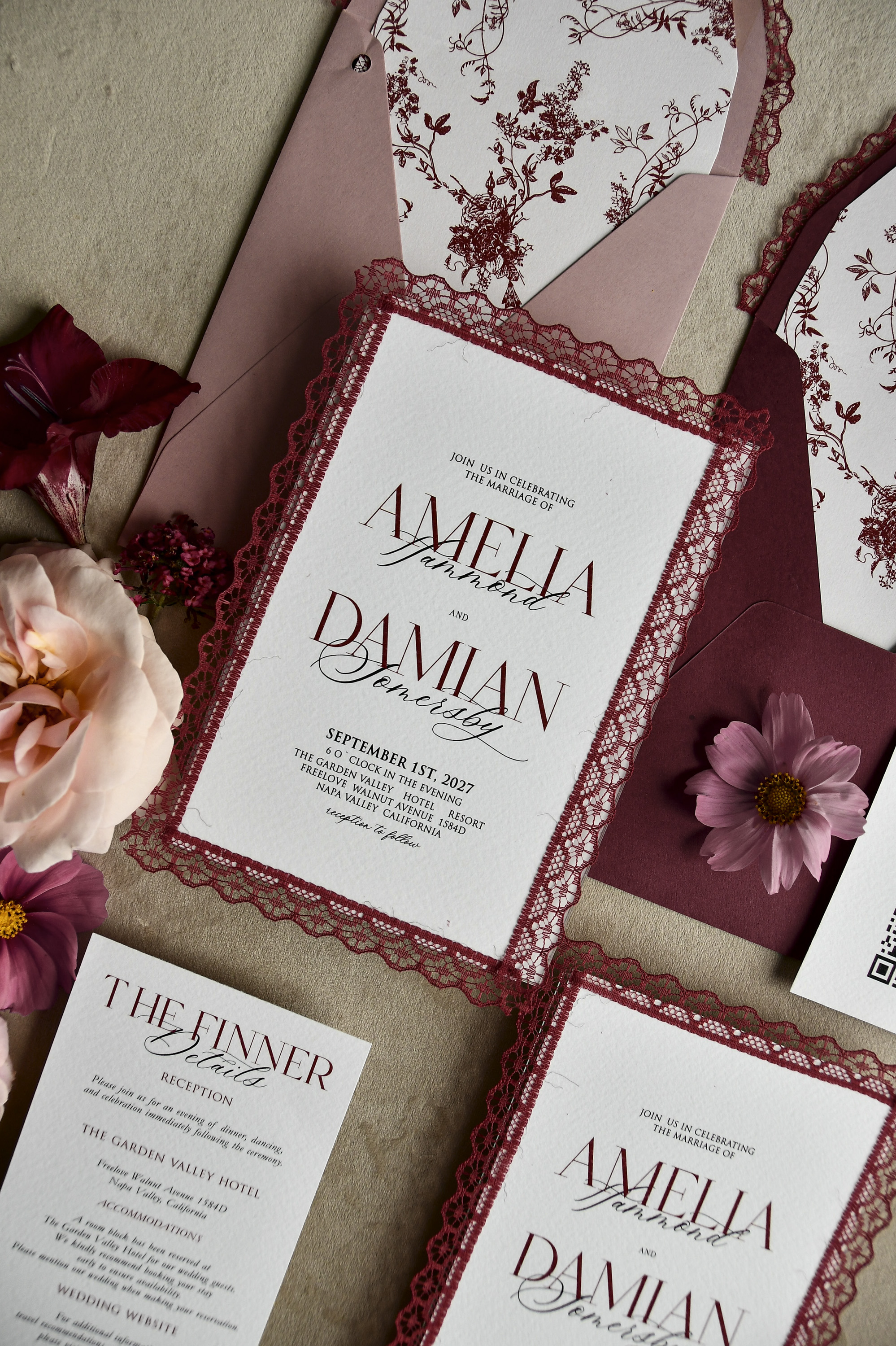
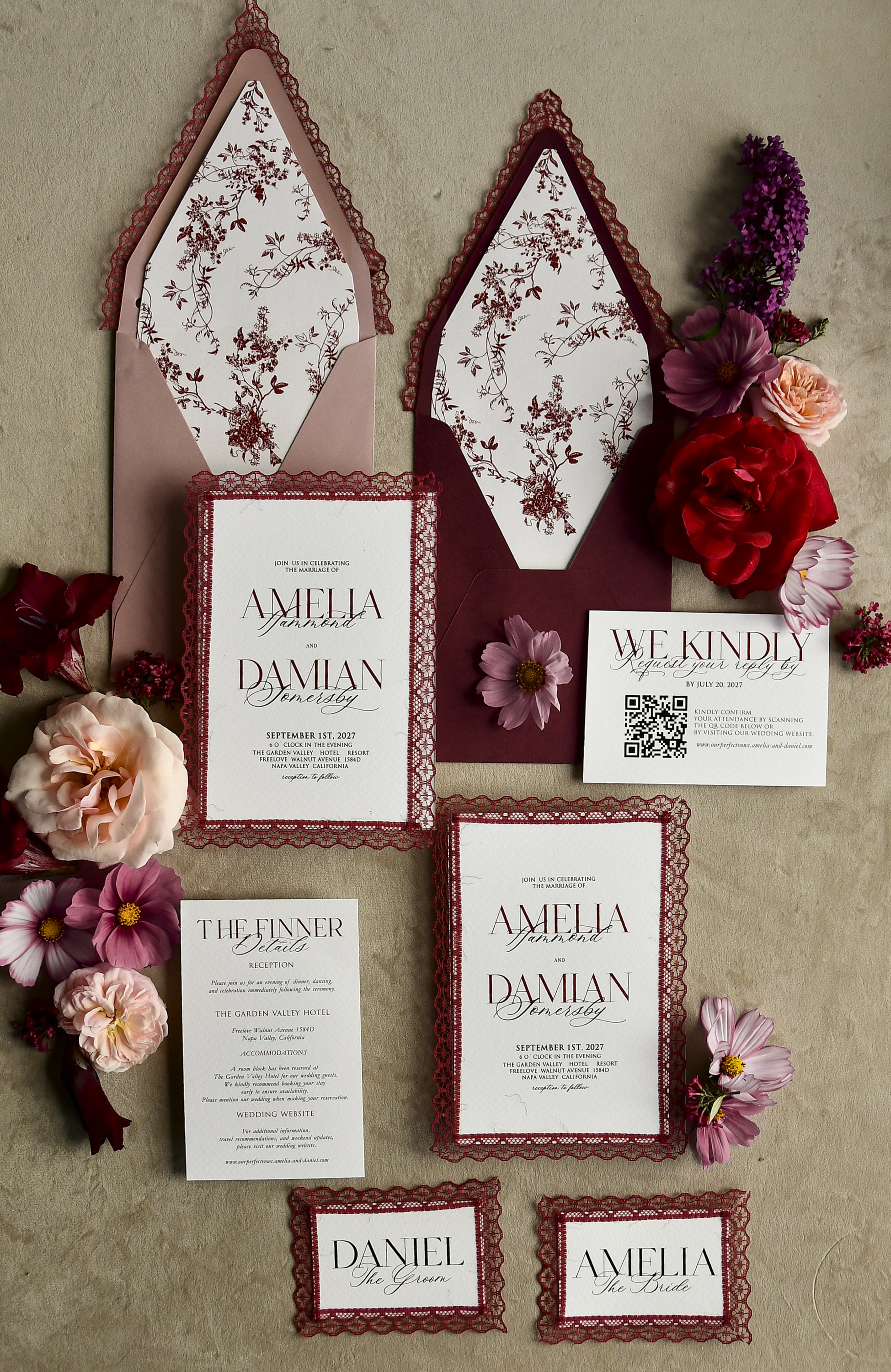
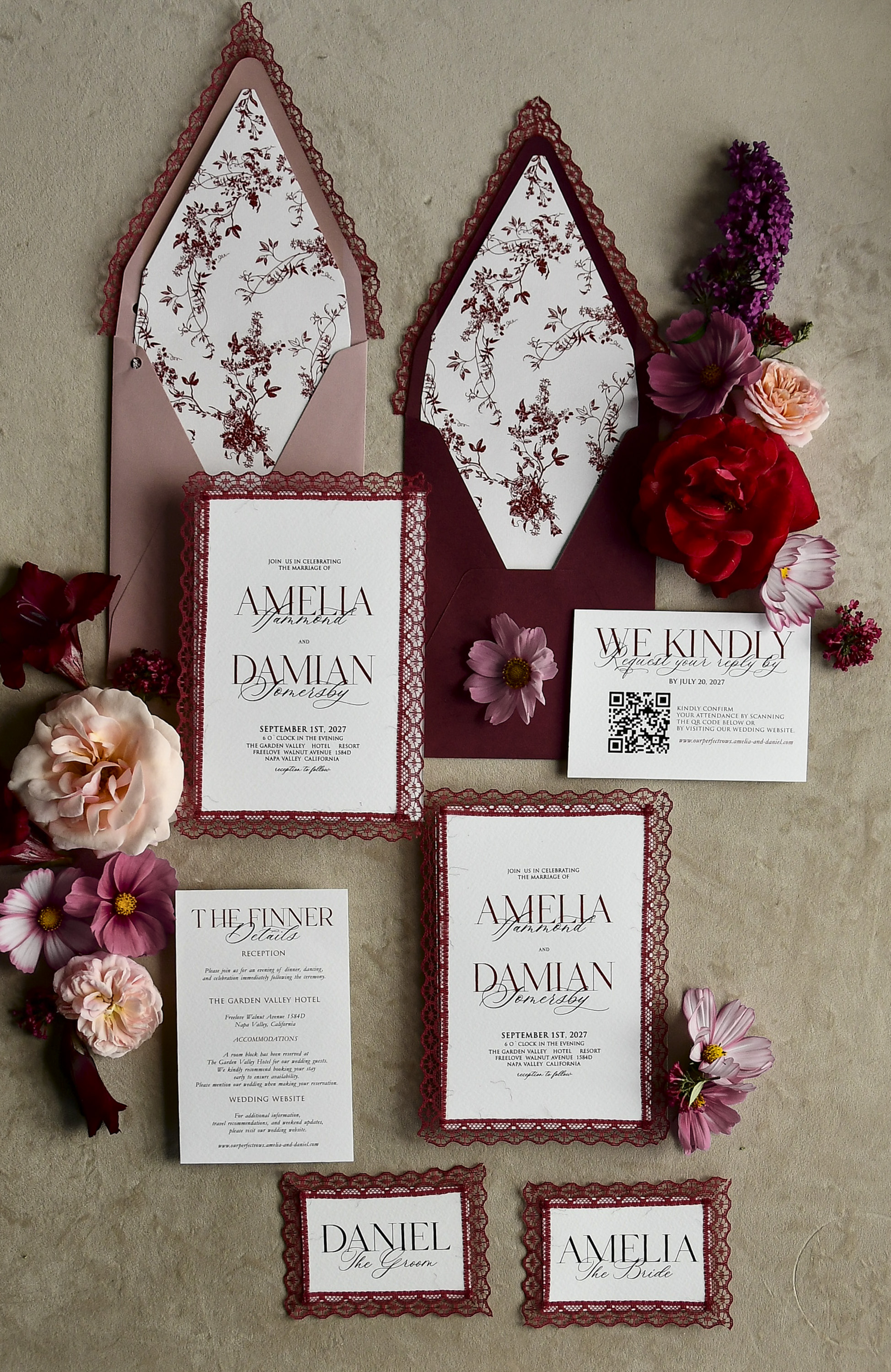
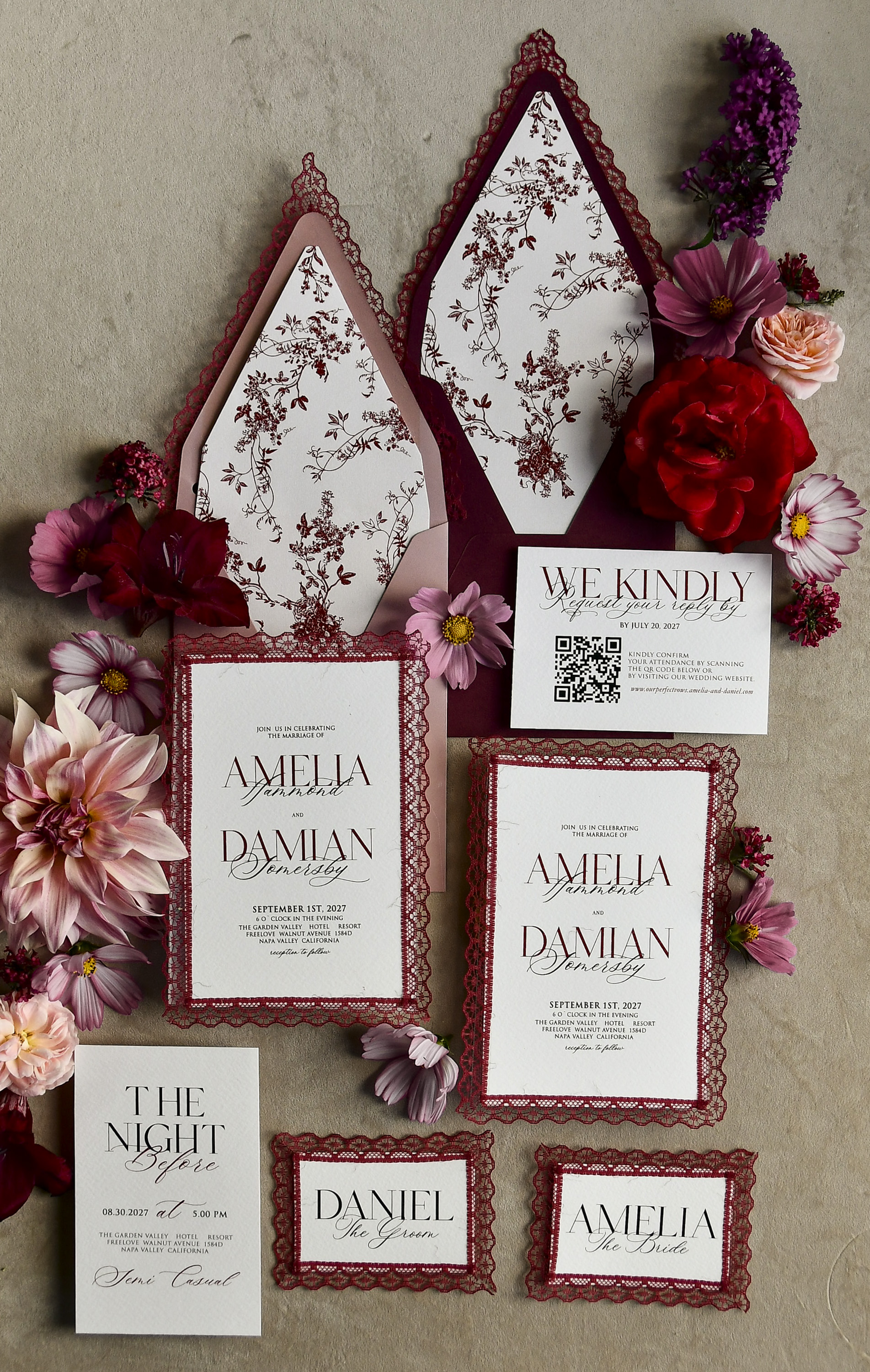
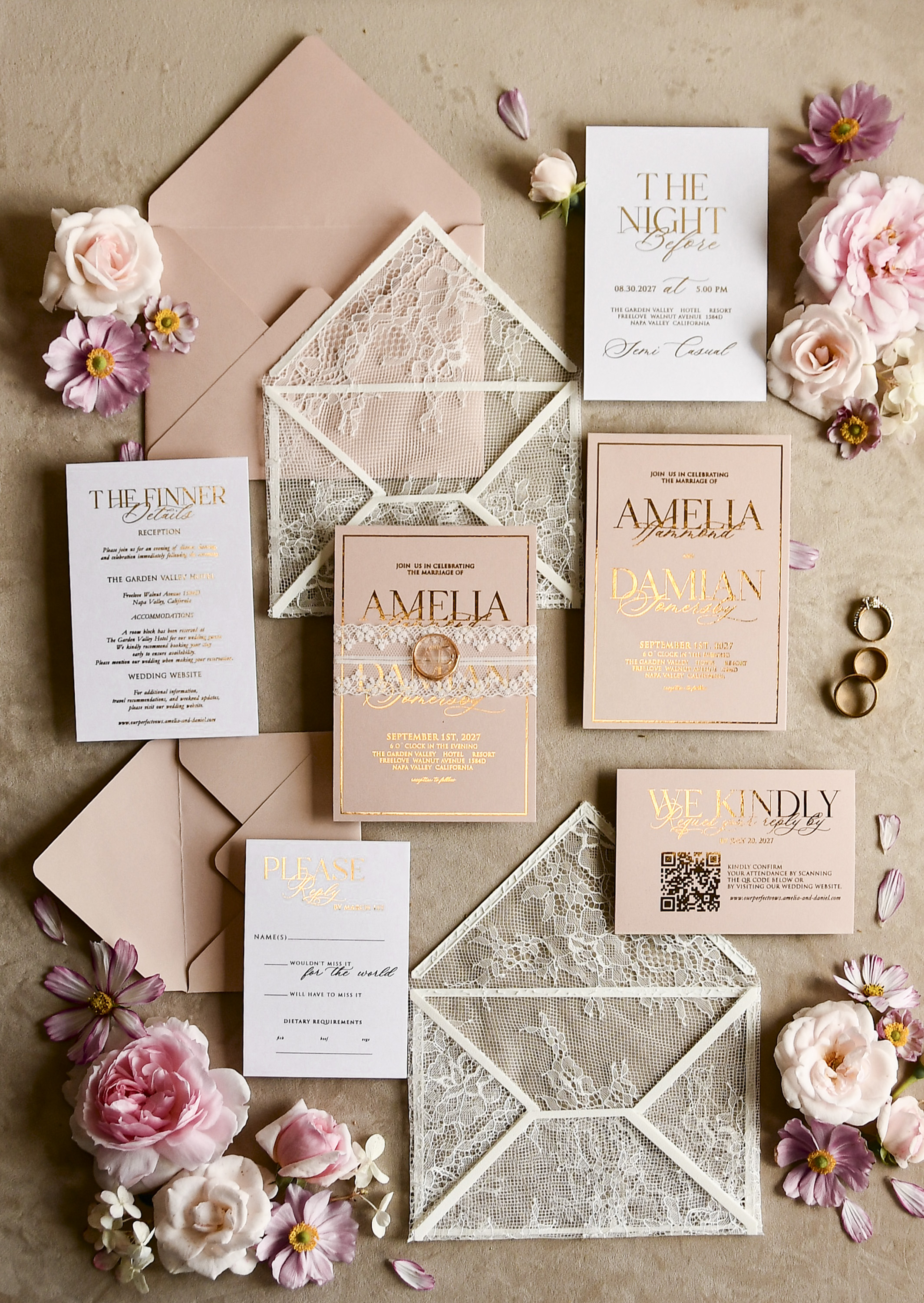
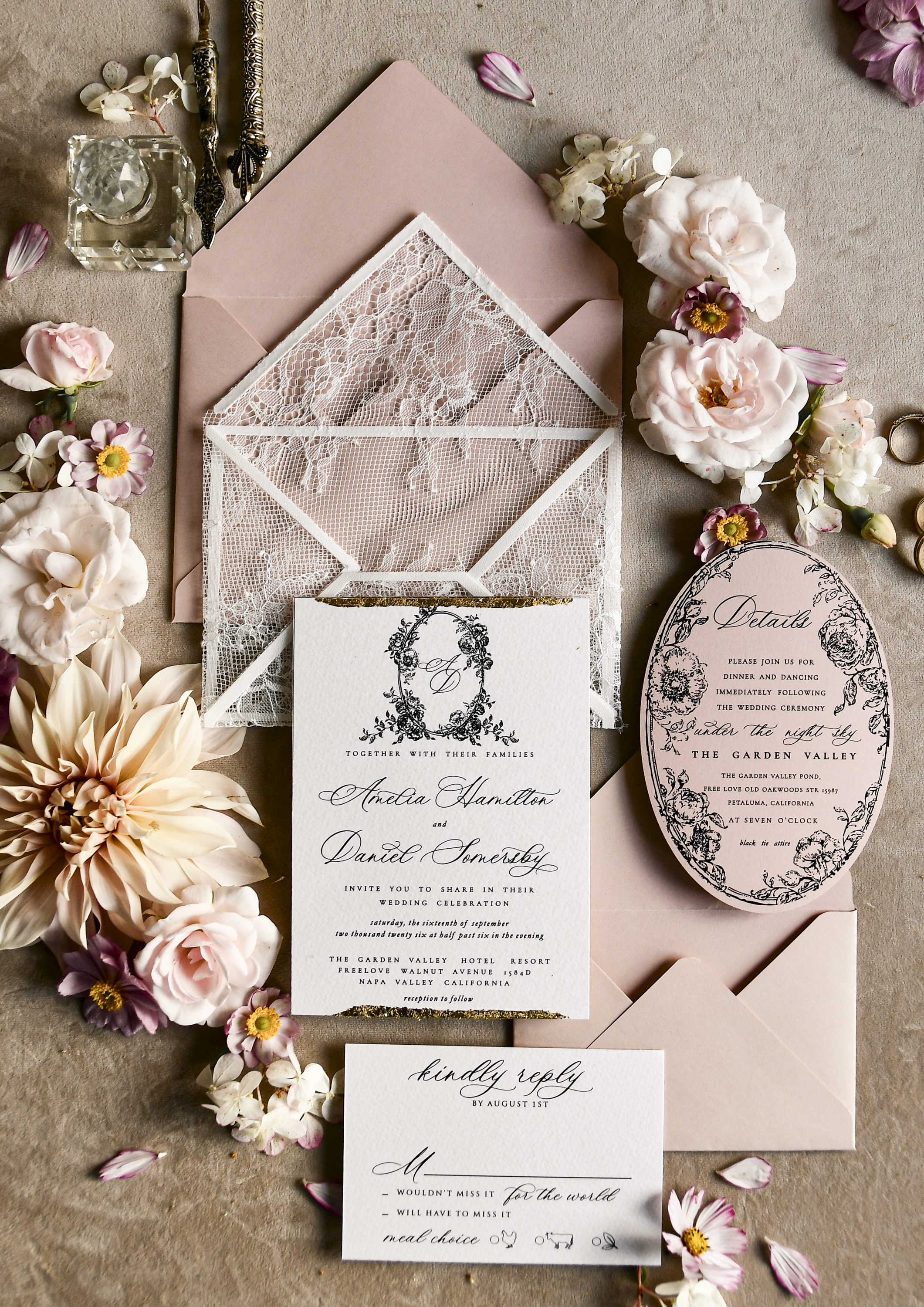
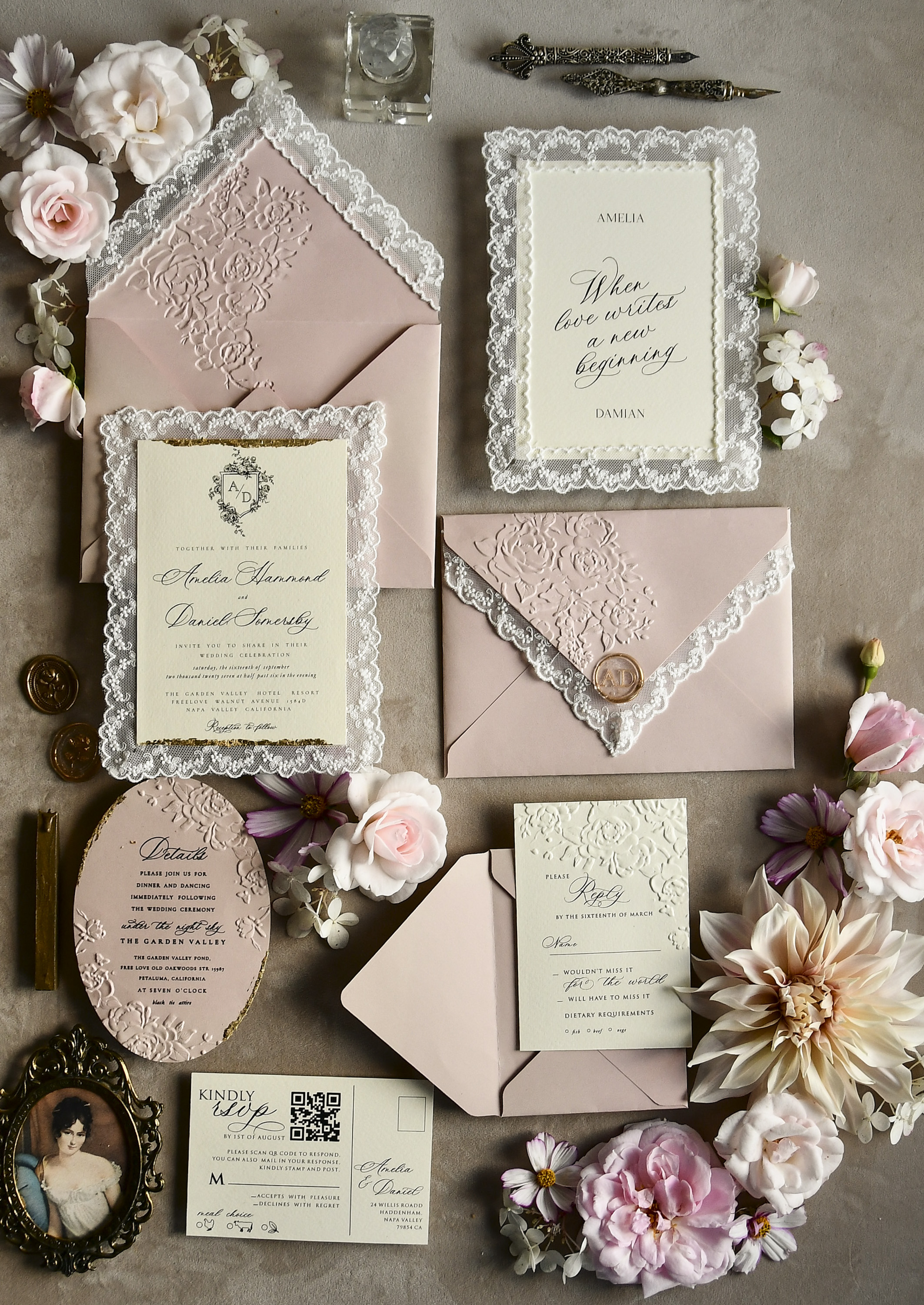
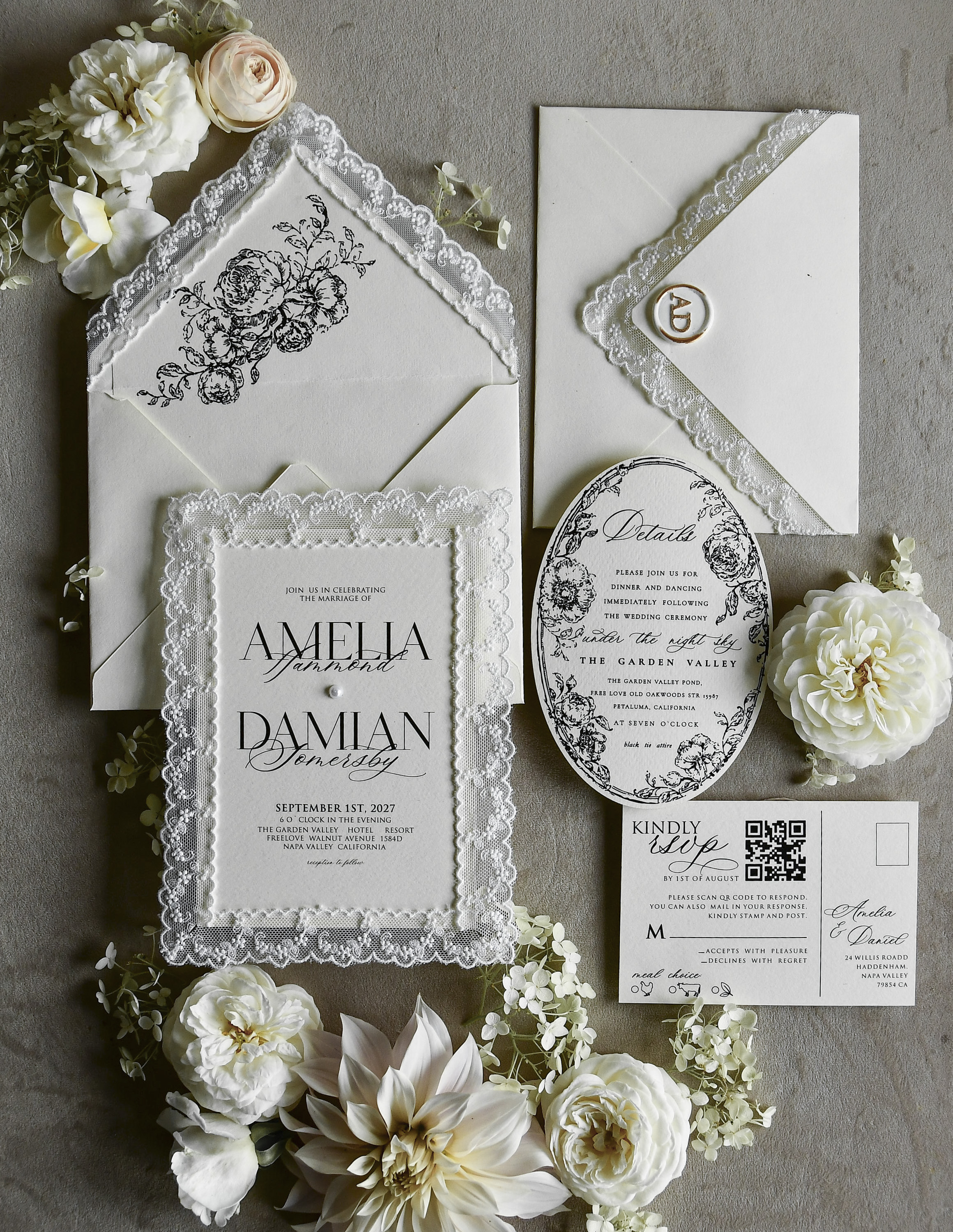
Once you've landed on a guest count you both feel good about, the fun part begins — choosing stationery that sets the tone. Our 03/laceD/z vintage lace wedding invitations are a beautiful choice for intimate gatherings where every guest truly matters.
When the Disagreement Is a Bigger Warning Sign
Sometimes this conflict is genuinely about the wedding. And sometimes it's a preview of how decisions will be made in your marriage. Pay attention to how your fiancé engages with you on this topic, not just what they say.
Healthy disagreement looks like: both people expressing their feelings, listening, and working toward a solution. It does not look like ultimatums, dismissing your feelings, or refusing to discuss it at all.
If your fiancé is asking you to completely cut off your family of origin with no room for compromise, or if you feel controlled or afraid to push back, please talk to a counselor — not just about the guest list, but about the relationship itself. Your wedding day is one day. Your marriage is a lifetime, and the patterns you establish now will follow you into it.
Moving Forward: Practical Next Steps
Once you've reached an agreement, act on it clearly so the decision doesn't keep getting relitigated. Here's a simple timeline:
- 6–12 months out: Finalize your guest list together in writing. Both of you sign off on the final version.
- 4–6 months out: Send save-the-dates to everyone on the confirmed list. This locks in expectations.
- 2–3 months out: Mail formal invitations. The 03/laceD/z lace wedding invitation suite, starting from $7.50, works beautifully for both intimate and mid-sized weddings and gives even a smaller guest list a sense of occasion.
- Ongoing: If family members ask why they weren't invited, you and your fiancé should present a united, consistent explanation — something simple like "We kept the wedding very small" is enough.
The goal is a wedding day where you both feel celebrated and at peace. That's worth the hard conversation now.
Frequently Asked Questions
Yes, guest list disagreements are one of the most common sources of wedding conflict. Differing family sizes, budgets, and visions for the day all contribute. The key is to address it early and treat it as a joint decision, not a battle to win.
Not necessarily, but it's worth understanding why. If there's a history of genuine harm or serious conflict, that concern deserves real weight. If it's more of a personality clash, you may be able to agree on boundaries for the day rather than an outright exclusion.
Be honest but brief: explain that you kept the wedding very small and that it wasn't a reflection of your relationship with them. Following up with a celebration dinner or gathering after the wedding can go a long way toward preserving the relationship.
Absolutely. Many couples hold a micro-ceremony with just a handful of people, then host a larger reception or celebration party weeks later. This lets you honor your fiancé's preference for intimacy while still including the people who matter to you.
If conversations about the guest list are turning into repeated arguments, if you feel your needs are being dismissed, or if the disagreement feels like it's really about control, a few sessions with a counselor before the wedding is a smart investment. It's not a sign of trouble — it's a sign of taking the marriage seriously.
Aim to have a finalized, agreed-upon guest list at least six months before the wedding. This gives you time to send save-the-dates, book the right venue size, and order invitations without last-minute stress or changes.
See This Design Up Close
You May Also Like
More Wedding Planning Guides
- → How to Handle a Guest List Ultimatum Without Losing Your Mind (or Your Wedding)
- → Wedding Invitation Addressing: Who Gets What Line and Why
- → Should You Invite Someone Just Because Mom Asked? Here's How to Decide
- → The Single Guest Plus-One Question: What Every Couple Should Know
- → Should You Mail or Hand-Deliver Your Wedding Invitations? A Couple's Guide
- → Handling the 'Why Wasn't I Invited to Your Wedding?' Question
- → Save the Dates vs. Wedding Invitations: A Clear Guide to What Goes Out When and Why
- → Uninvited Plus-Ones and Tag-Alongs: How to Keep Your Guest List Intact
- → When Family Feuds Threaten Your Wedding Plans: A Practical Peacekeeper's Guide
- → Inviting an Estranged Brother or Sister: Finding Clarity Before You Seal the Envelope
- → Cousins, Invites, and Hard Choices: A Practical Guest List Guide