
Your Guest List, Your Rules: Navigating the Plus-One Decision
One of the most stressful parts of building a wedding guest list isn't deciding who to invite — it's deciding who not to invite. And few decisions cause more anxiety than the plus-one question. The short answer is yes, you absolutely can say no to a guest's plus one. It's your wedding, your budget, and your celebration. The longer answer involves setting clear rules, applying them consistently, and communicating your decision with warmth and confidence.
You Have Every Right to Set Plus-One Rules
There is no etiquette law that requires you to give every guest a plus one. What etiquette does require is consistency and kindness. The key is to establish a clear policy before you finalize your list — and then stick to it no matter who is asking.
Common approaches couples use include:
- Married and engaged couples only — Partners who are legally married or officially engaged automatically receive an invitation together.
- Long-term partners only — You define the threshold, typically one year or more of dating.
- No plus ones at all — Completely valid for intimate or micro weddings where every seat is precious.
- Plus ones for wedding party members only — A fair middle ground that honors your closest crew.
The moment you make an exception for one cousin's new boyfriend, you open the door to every other guest wondering why they didn't get the same treatment. Decide your rule early, write it down, and follow it.
How to Communicate Your Decision Without Drama
The clearest way to signal who is — and isn't — invited is through your invitation itself. Address each envelope precisely. A single guest's envelope reads "Ms. Priya Sharma" not "Ms. Priya Sharma and Guest." A couple's invitation is addressed to both names. This alone eliminates a lot of confusion before it starts.
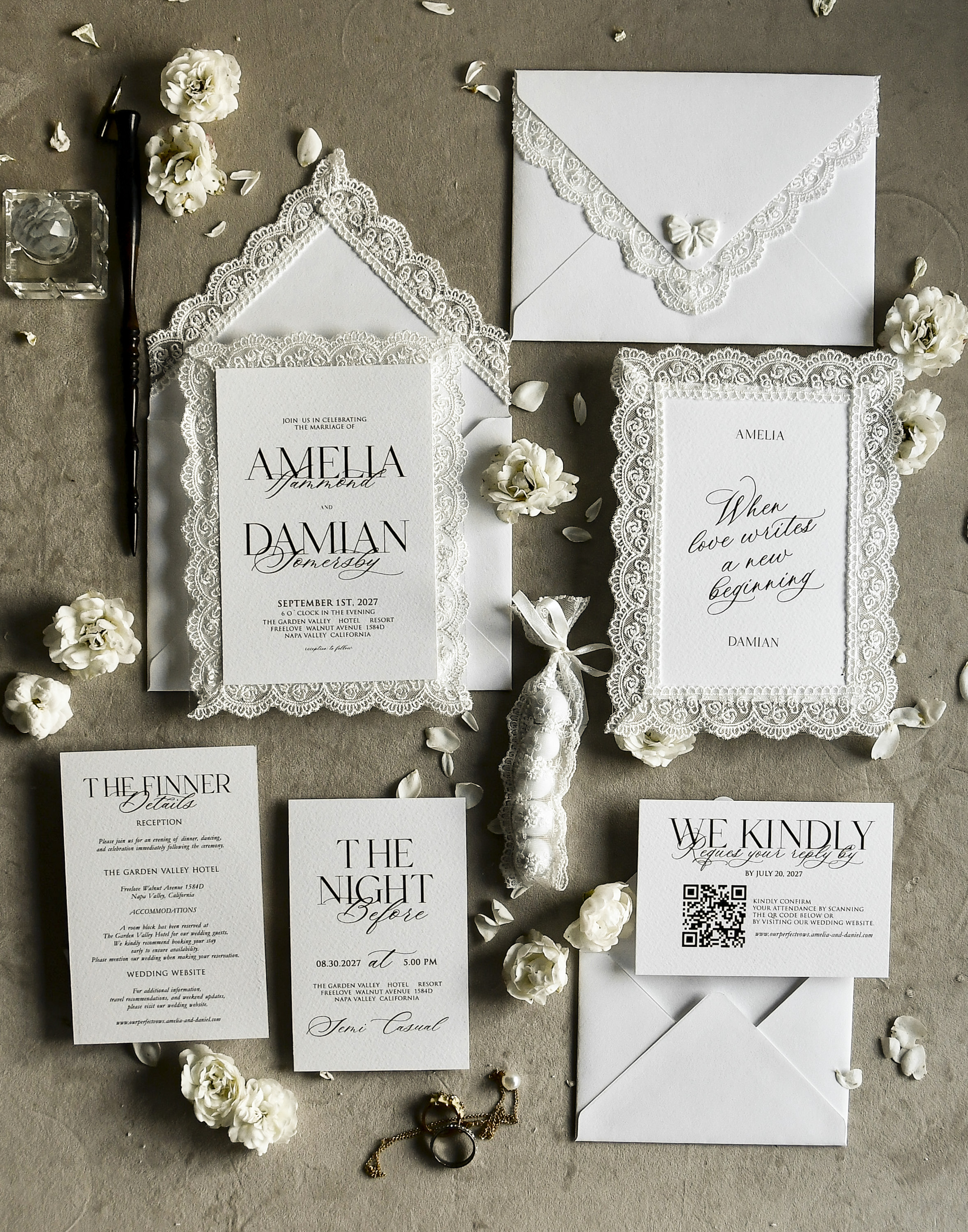
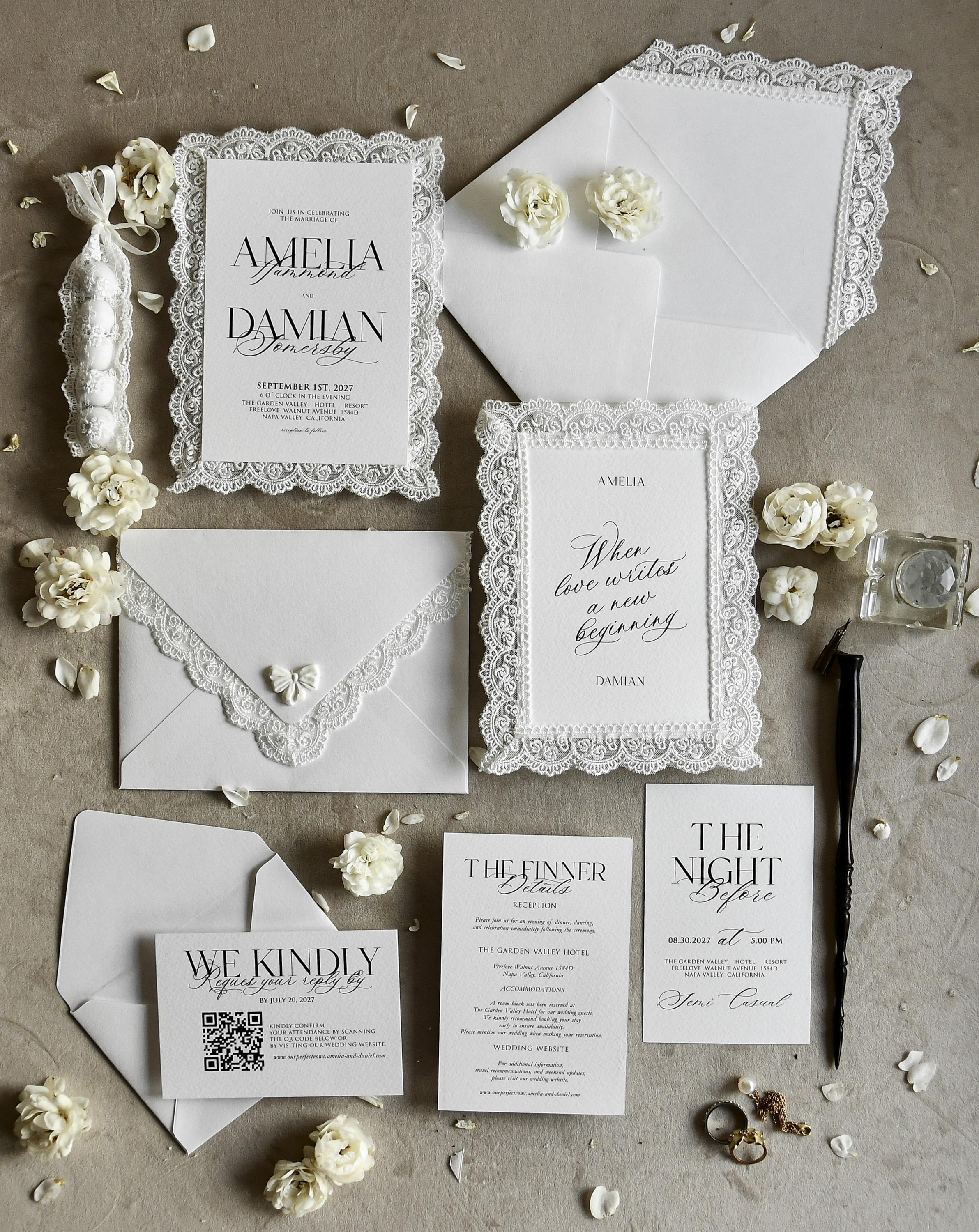
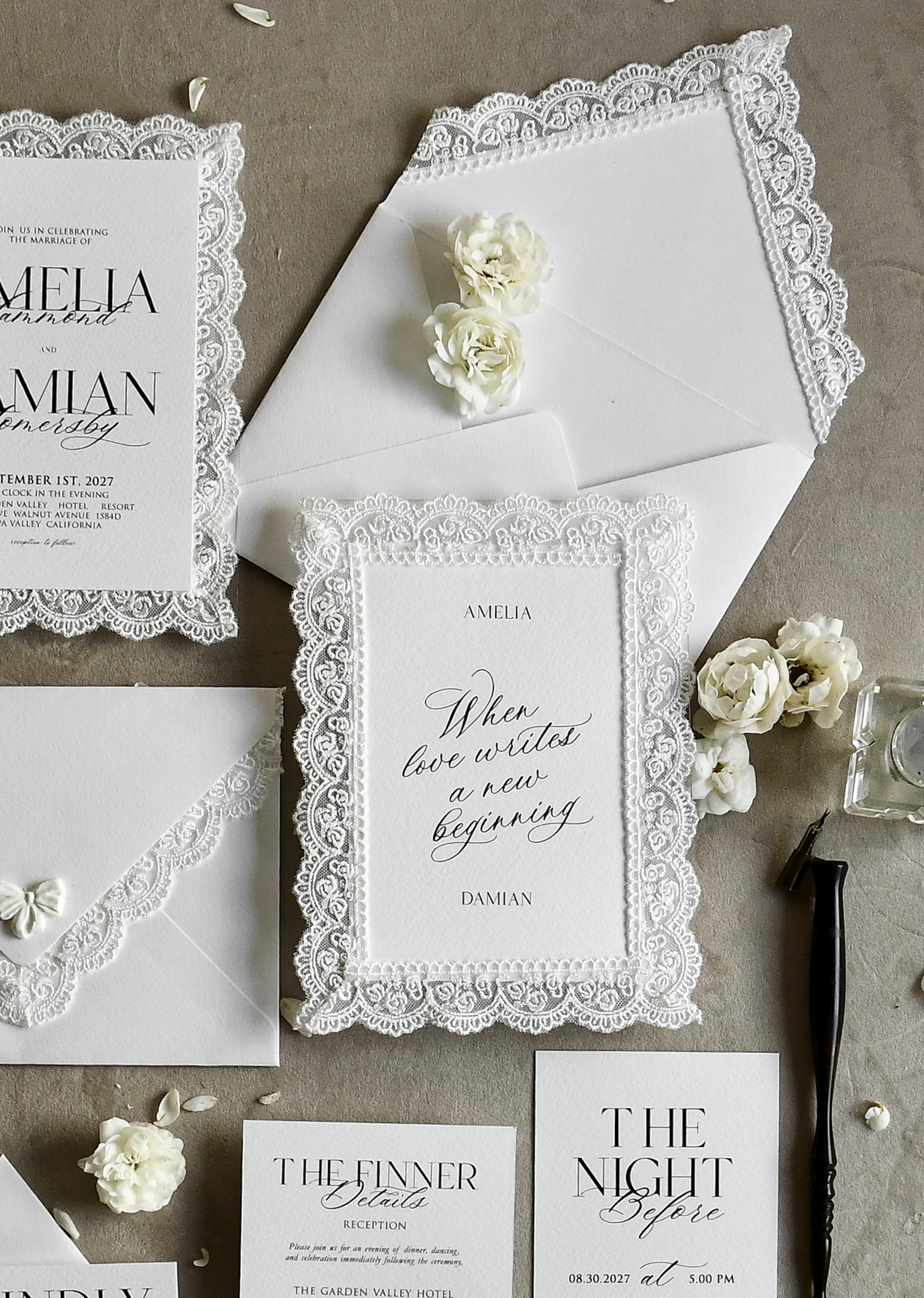
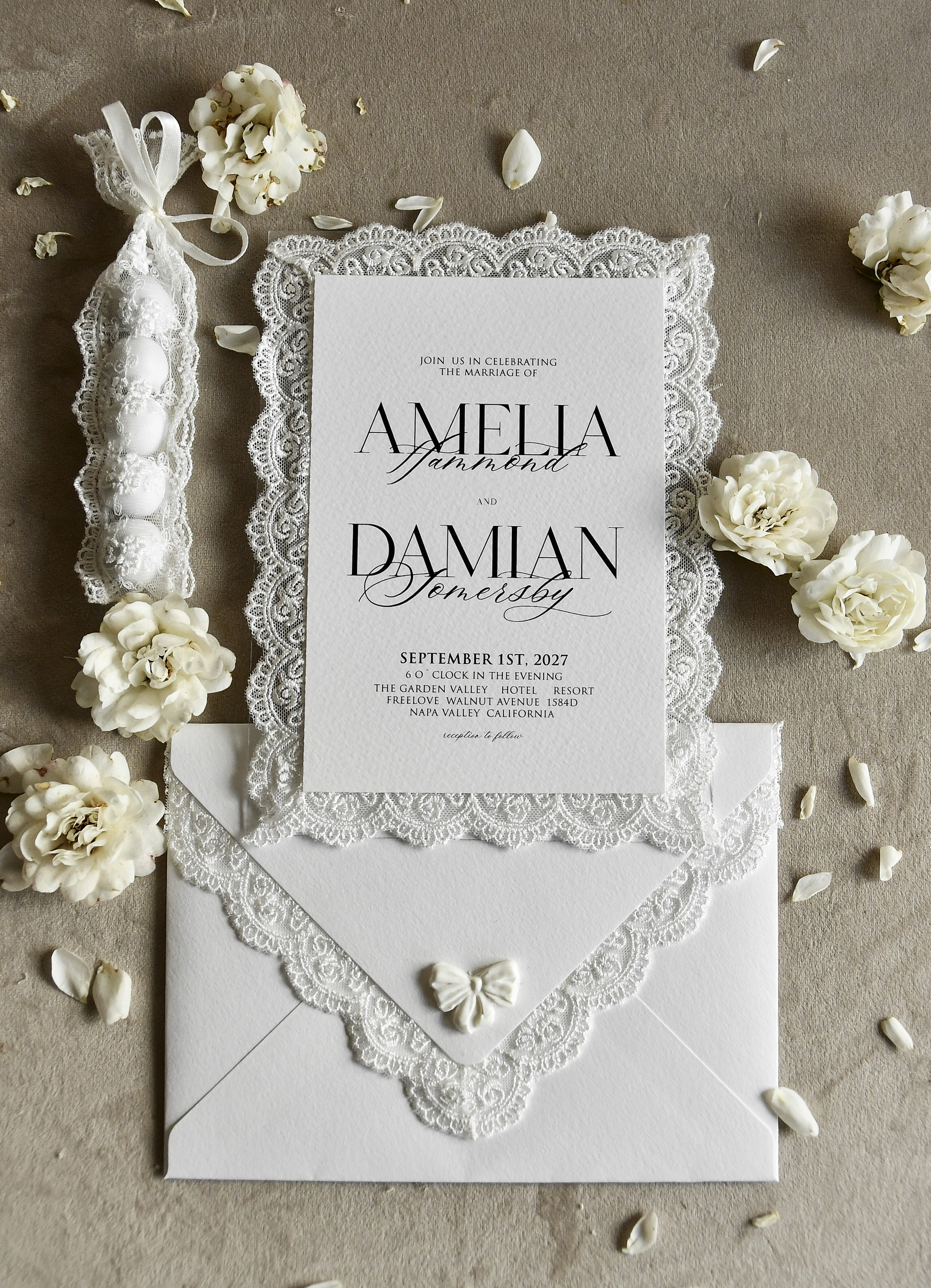
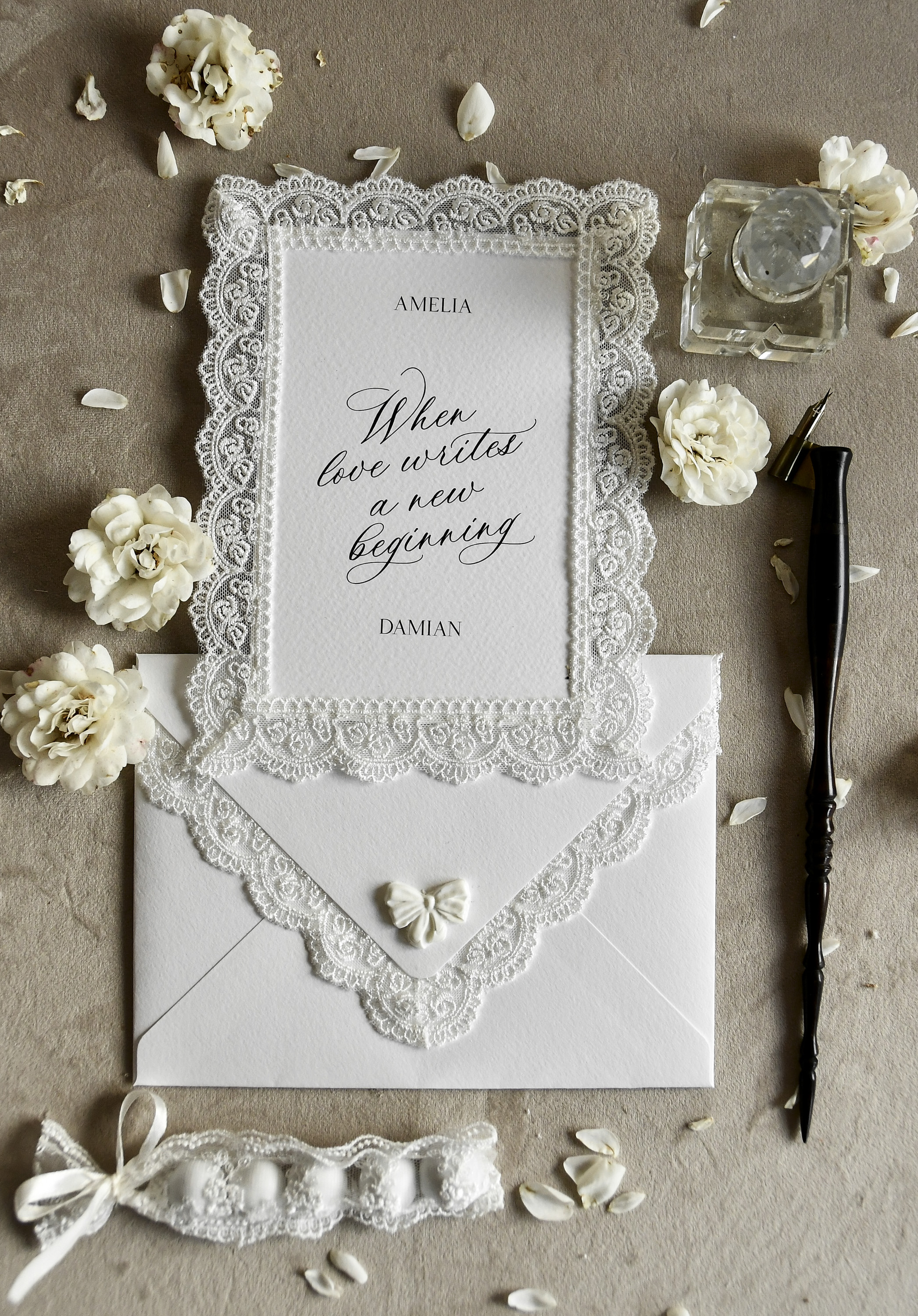
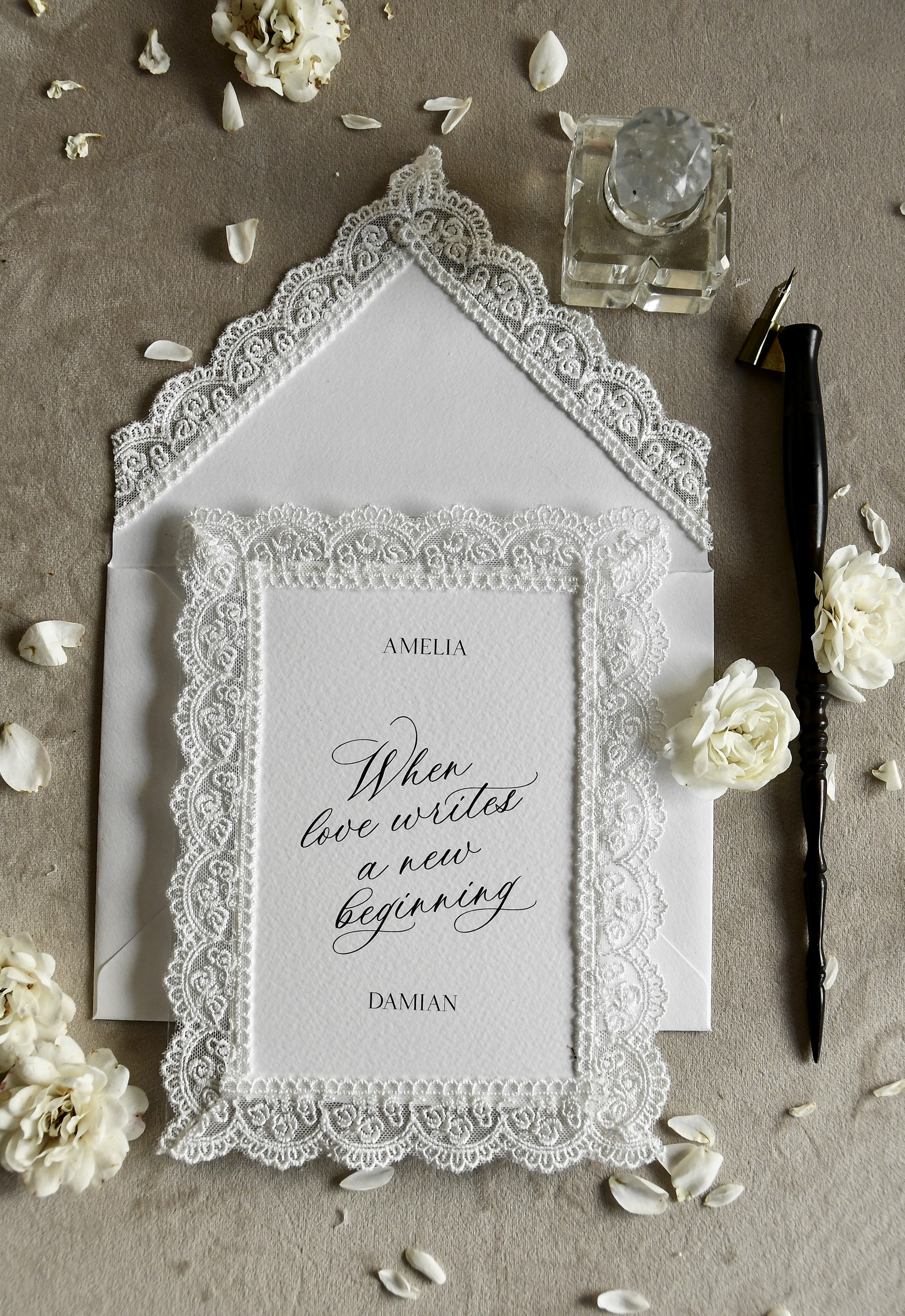
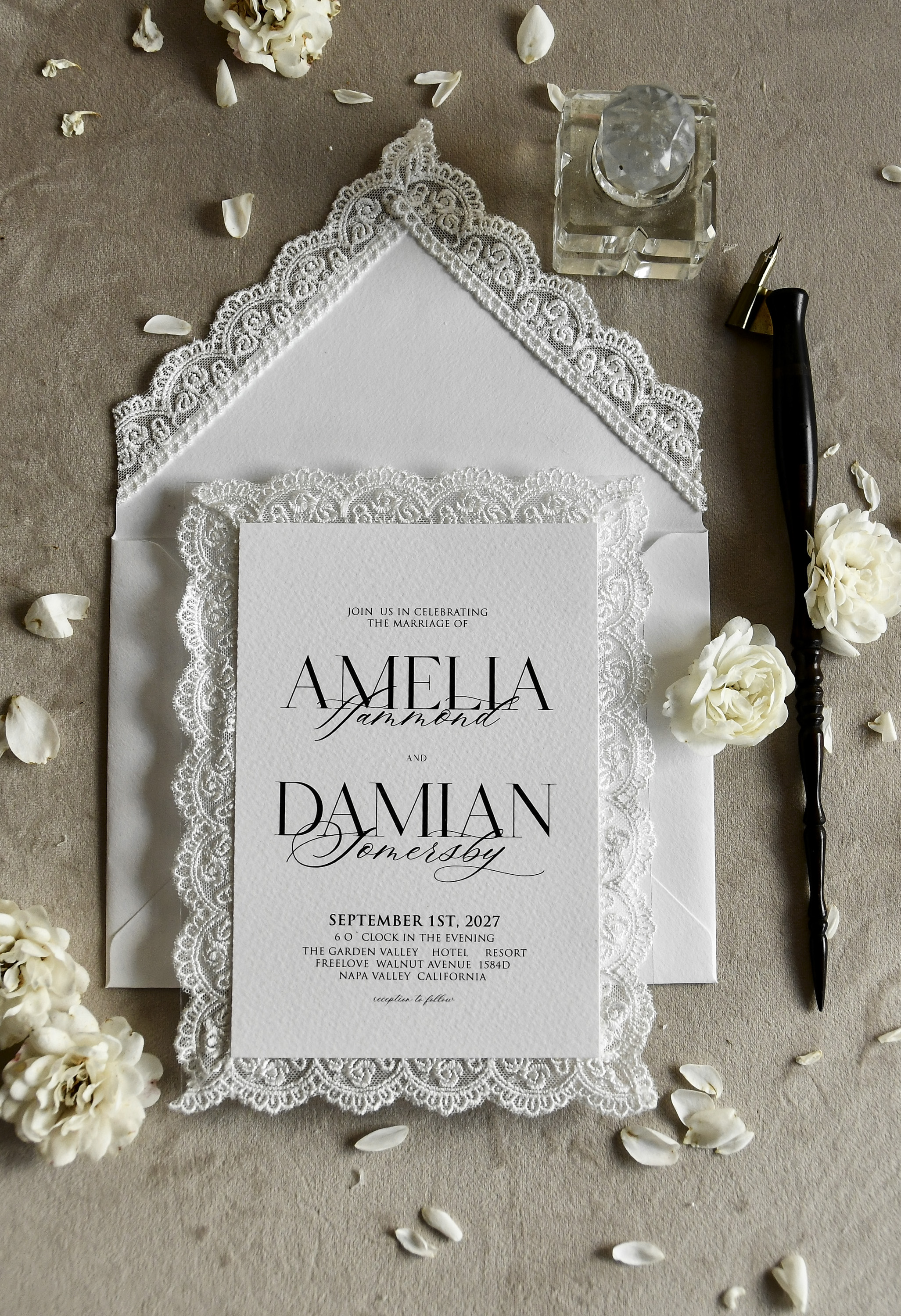
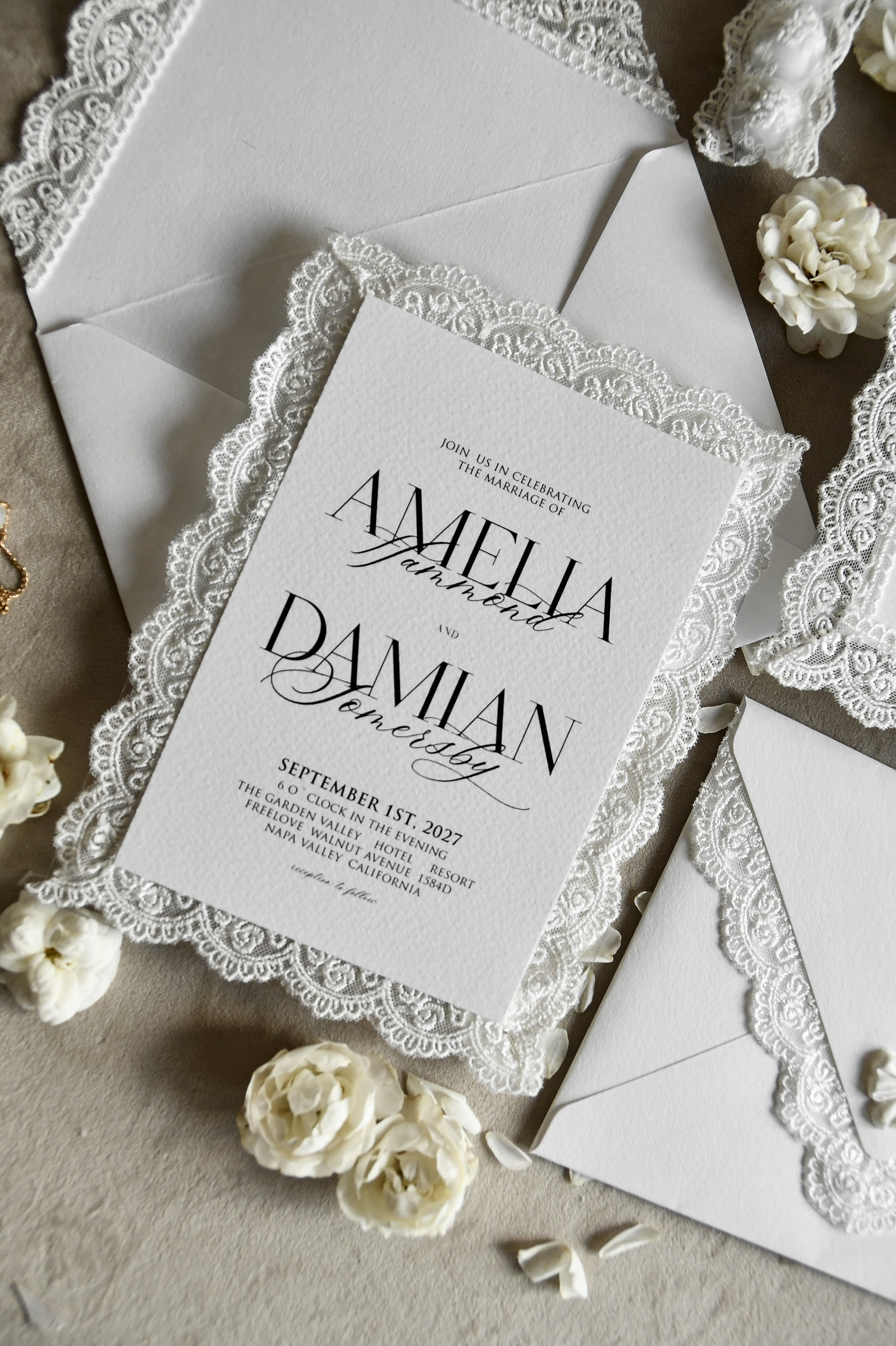
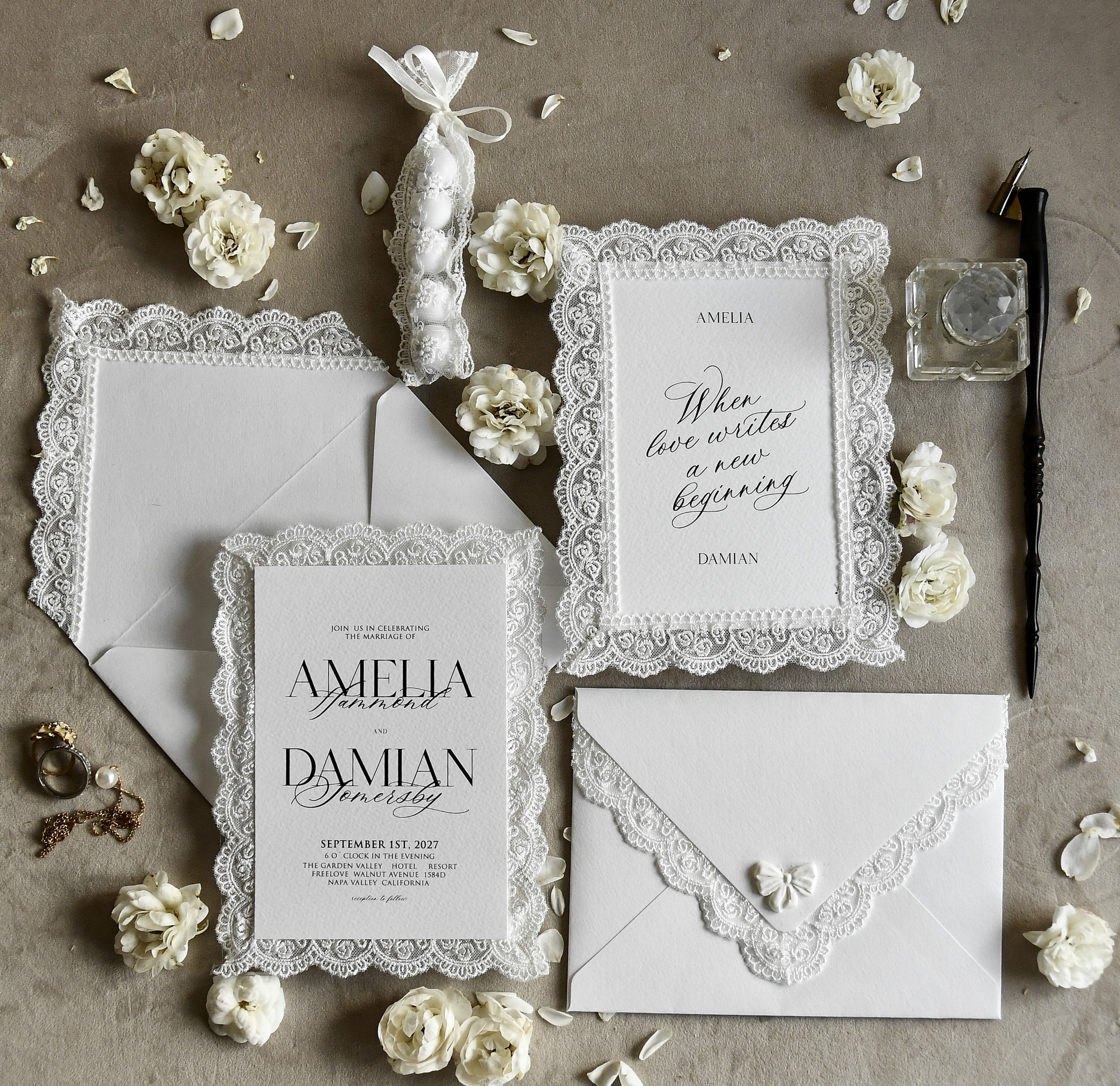
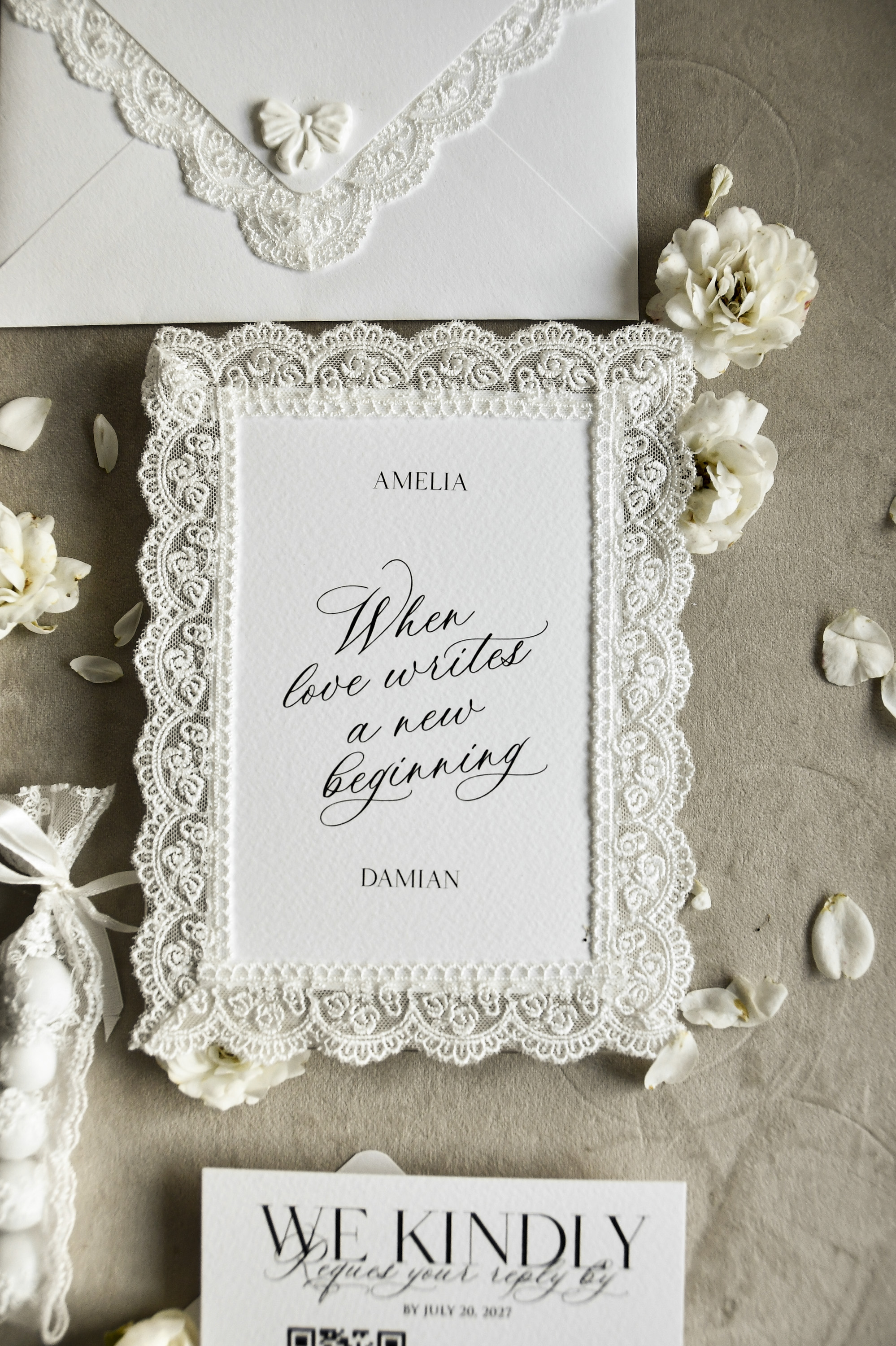
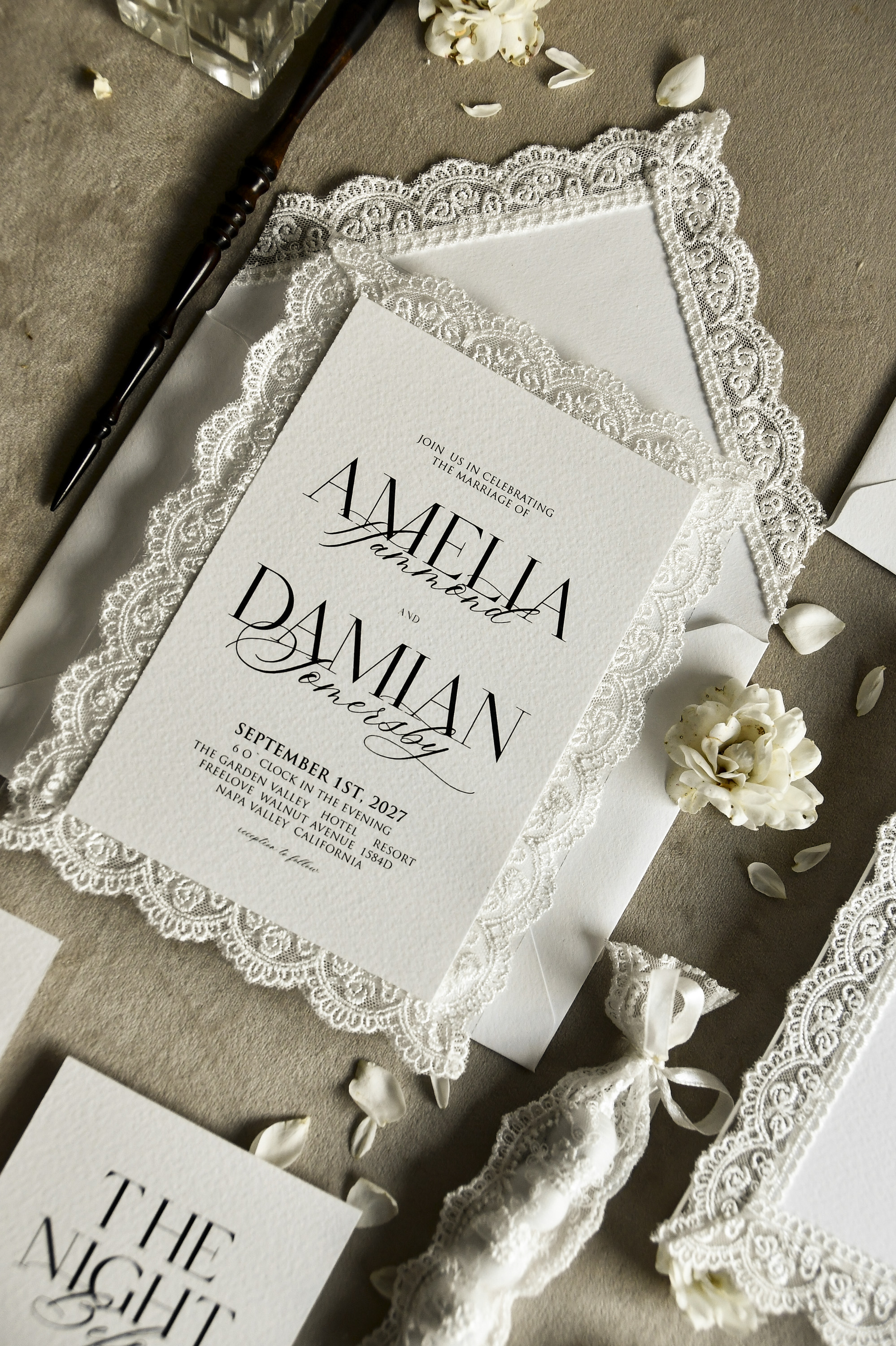
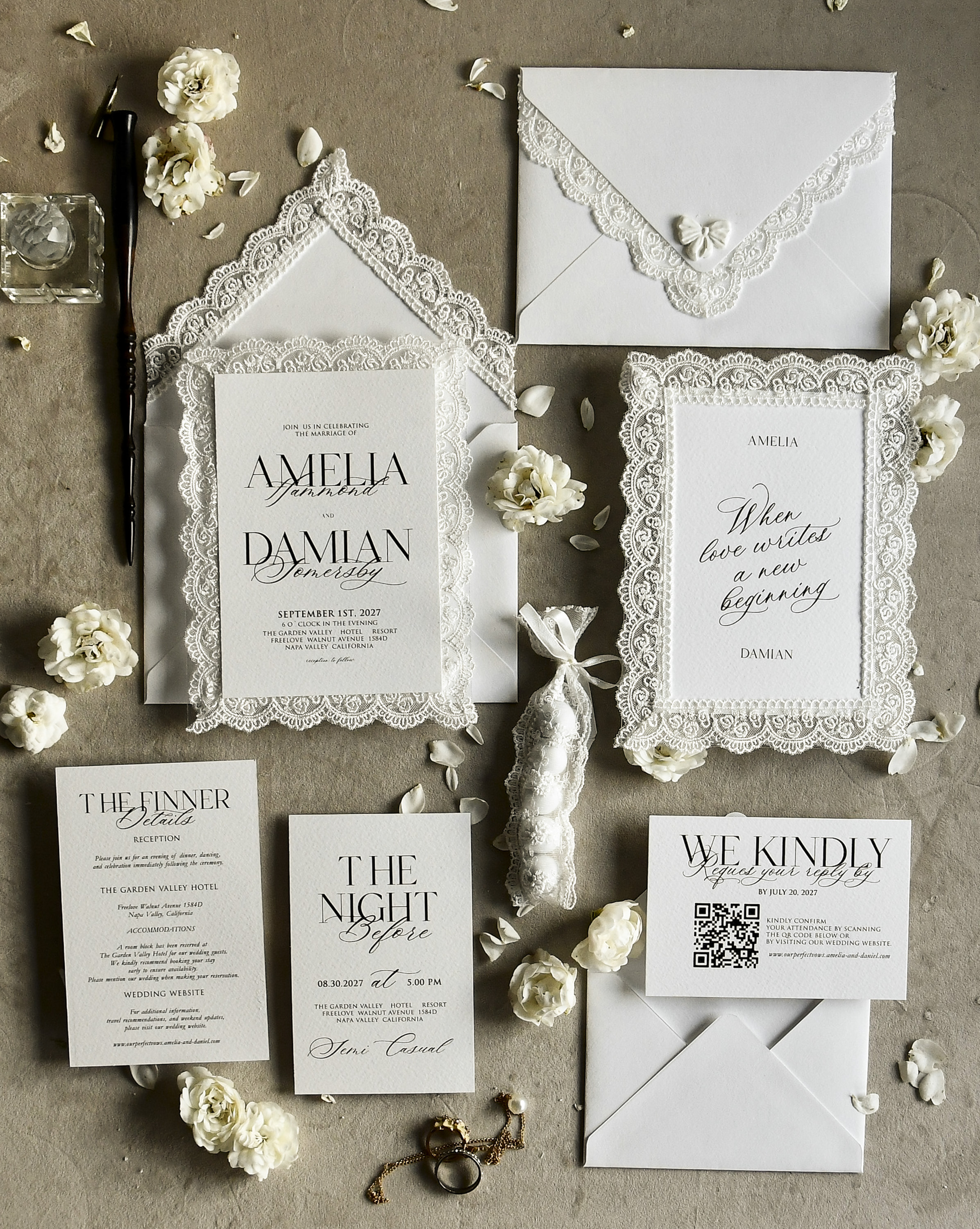
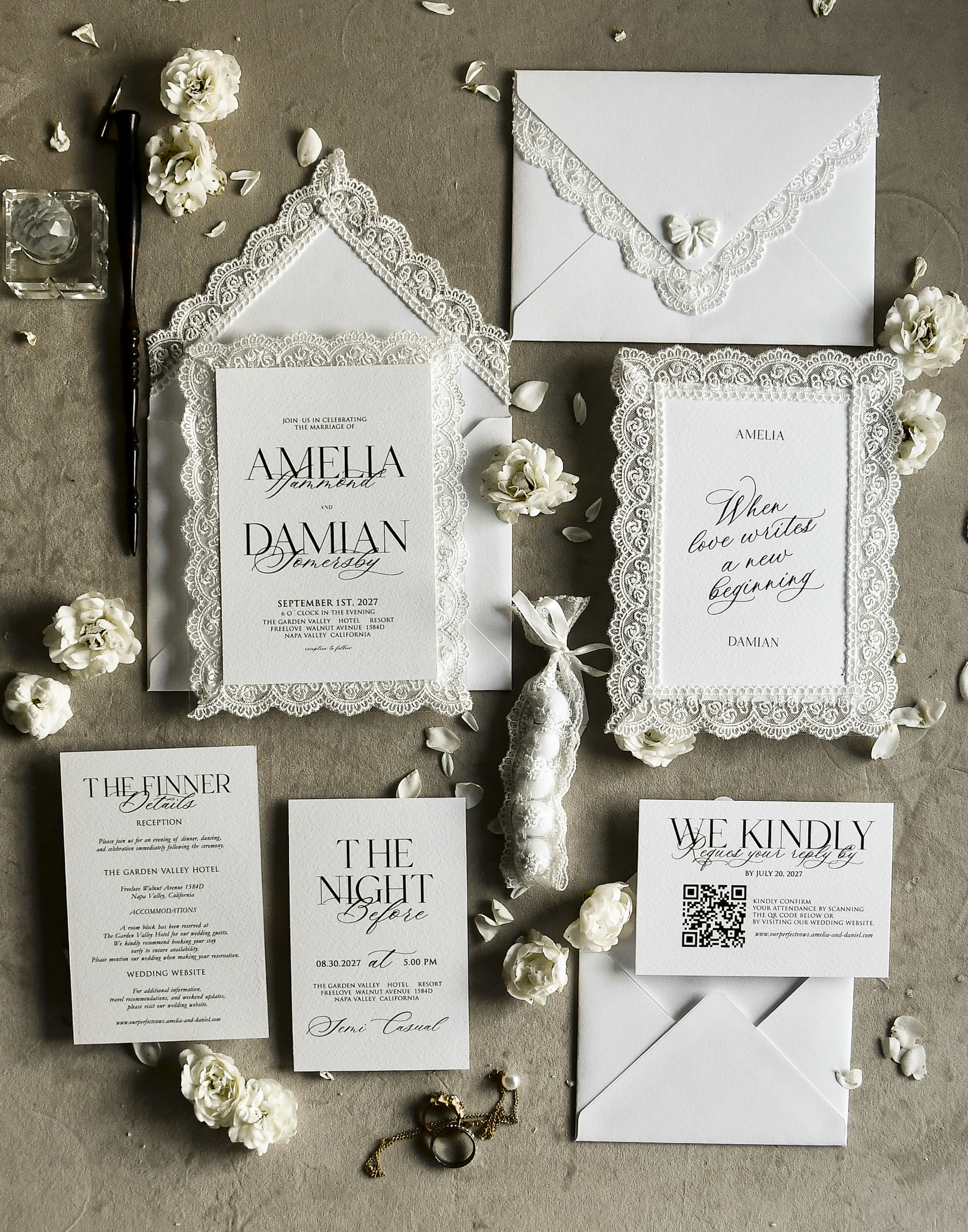
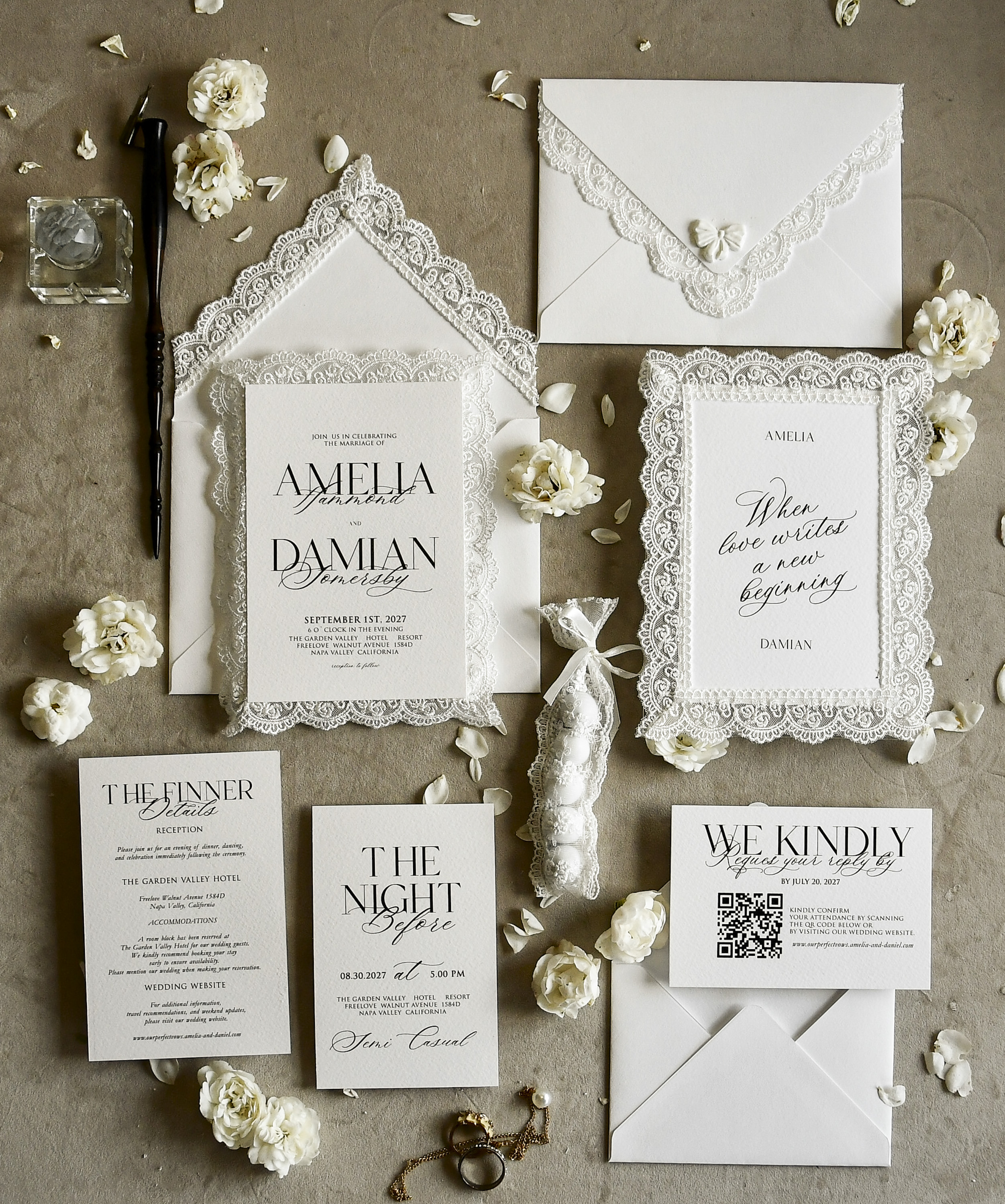
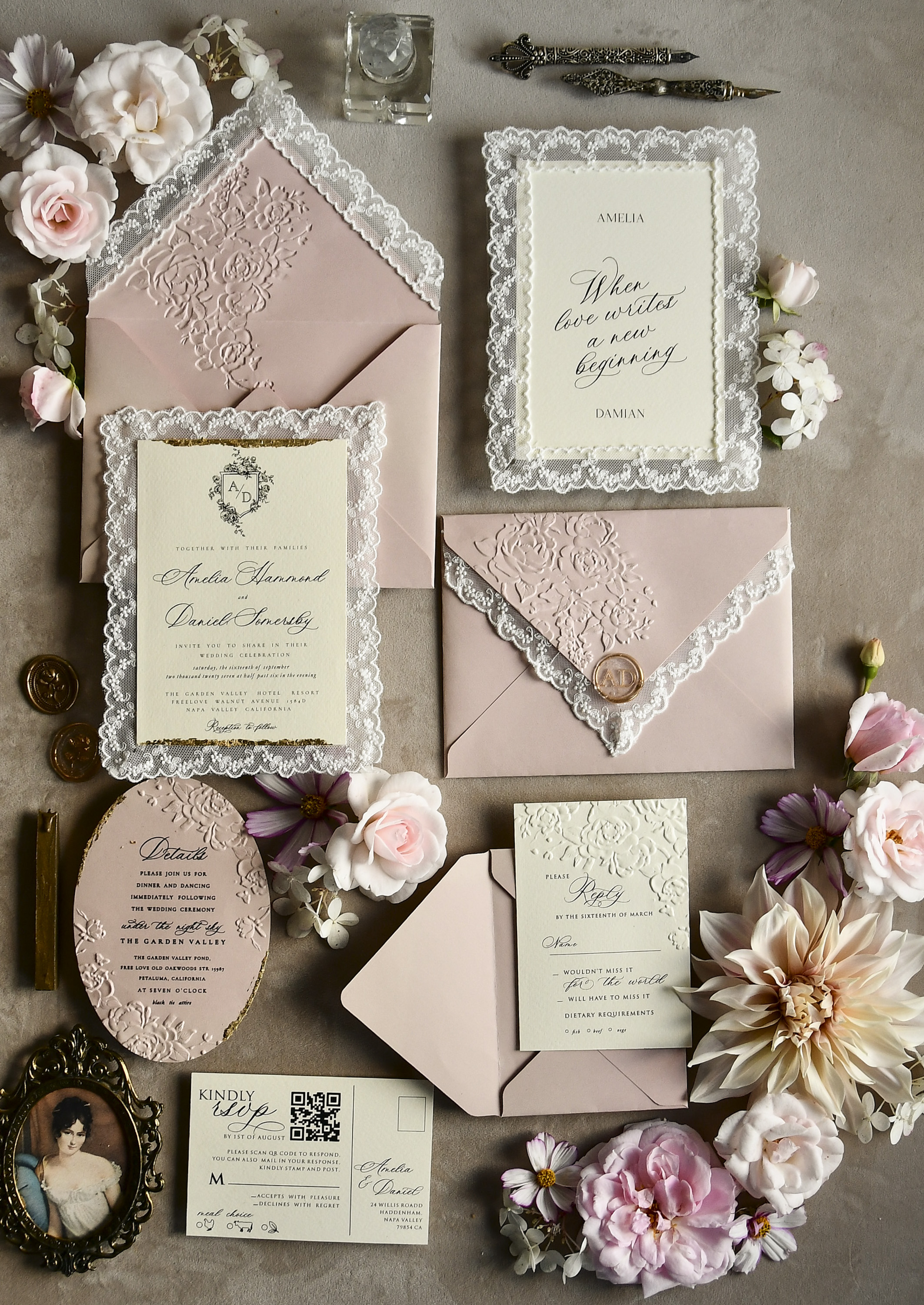
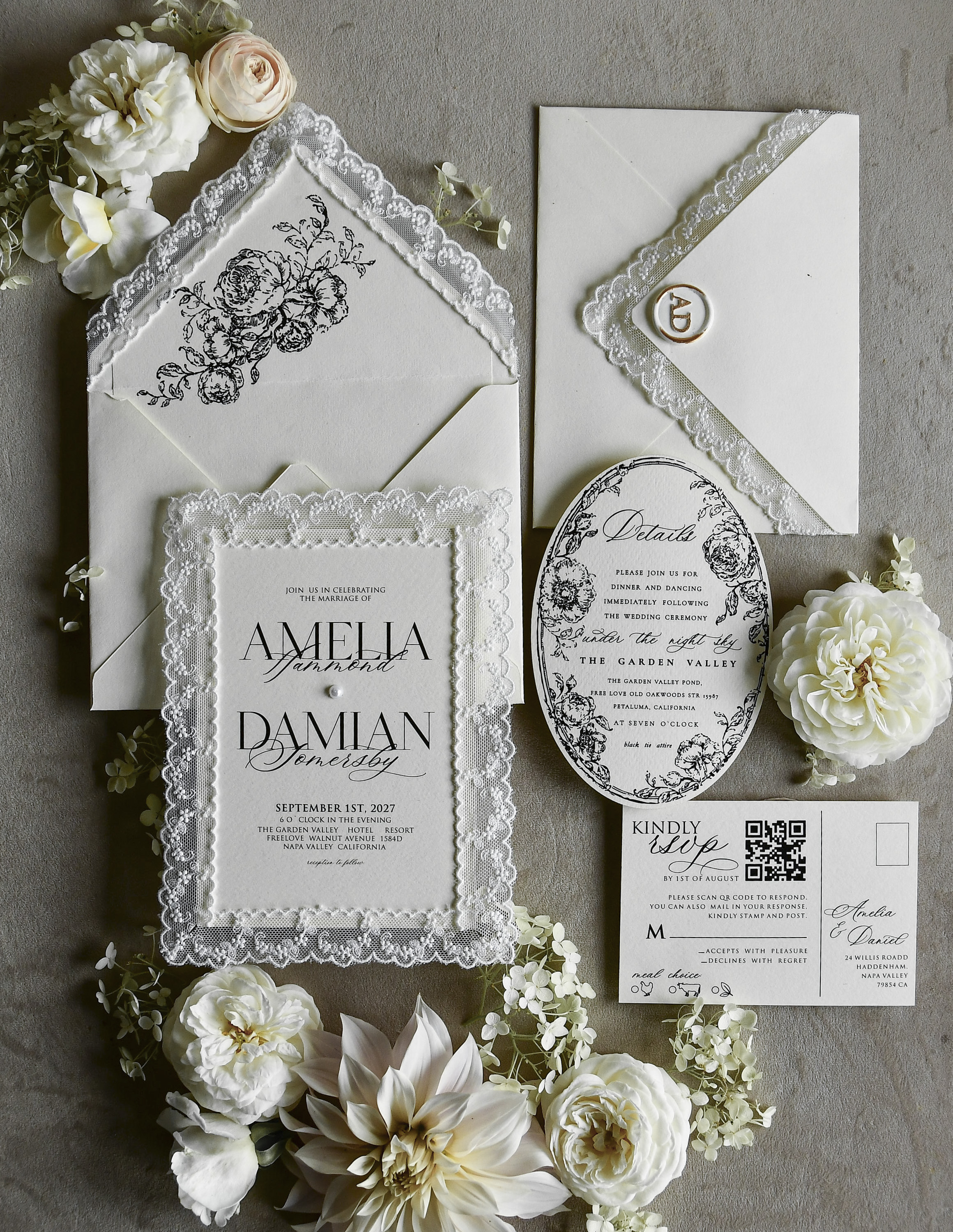
If you're sending a beautifully designed invitation suite — like the vintage-inspired 08/laceD/z from Margo&Bees, starting at $8.50 — the addressing on the outer envelope does a lot of the communication work for you before a single word is spoken.
When a guest calls or texts to ask whether they can bring someone, keep your response warm but firm:
- "We're keeping our guest list very intimate, so we weren't able to extend plus ones — we can't wait to celebrate with you though!"
- "We made the difficult decision to limit plus ones to married and engaged couples only. We hope you understand and we'd love to have you there."
You do not need to over-explain, apologize repeatedly, or justify your venue capacity in detail. A brief, kind explanation is enough.
When It Gets Complicated: Special Situations to Prepare For
Even with a clear policy, a few situations will test you. Here's how to handle the most common ones:
- The guest who already RSVP'd "yes" for two: Reach out promptly and gently clarify. The sooner you address it, the easier the correction.
- A single guest who knows no one at the wedding: Consider whether seating them near other singles or mutual friends could ease the situation, rather than bending your rule.
- Family pressure to add a partner you've never met: Hold your ground. Meeting someone six weeks before your wedding doesn't obligate you to feed and photograph them forever.
- A guest who threatens not to come: This is genuinely hard, but if someone declines your invitation because they can't bring an uninvited guest, that reflects their priorities — not a failure on your part.
The goal is to be consistent, not cold. Acknowledge that the rule might be disappointing while making clear it applies to everyone equally.
Timing: When to Make and Share Your Decision
Ideally, your plus-one policy is locked in before save-the-dates go out — typically 6 to 8 months before the wedding for most couples, and 8 to 12 months out for destination weddings. This gives you time to build an accurate headcount for your venue and catering.
If guests ask about plus ones before invitations arrive, you can give a simple, honest preview: "We're keeping the list small, so we weren't able to include plus ones for everyone — your invitation will have all the details."
When your invitations go out — whether that's a classic design or something with the romantic vintage lace detail of the 08/laceD/z suite — the envelope addressing and any included RSVP card should make the guest count crystal clear. List the number of seats reserved on the RSVP card ("___ of 1 seat reserved in your honor") so there's no ambiguity.
Frequently Asked Questions
No, it is not rude as long as you apply your policy consistently across all guests at the same tier. What matters is fairness — if one college friend gets a plus one, all college friends at that level should too. A thoughtful, clearly addressed invitation communicates your decision with grace.
Many couples choose to give the wedding party automatic plus ones as a thank-you for their involvement, but it is not required. If your venue or budget makes it impossible, explain this to your wedding party early so there are no surprises when invitations arrive.
Include a line that reads "We have reserved ___ seat(s) in your honor" and fill in the number before mailing. This removes any ambiguity and politely signals exactly how many people are expected without requiring an awkward conversation.
You are not obligated to accommodate last-minute additions, especially once your final headcount has been submitted to the venue or caterer. It is perfectly acceptable to respond with something like, "We've already finalized our numbers with the venue, so unfortunately we can't add guests at this point."
If the invitation has already been sent addressed to both people, reach out personally and with empathy — acknowledge the situation and confirm whether they'll still be attending. You may choose to allow them to bring someone else in that seat, but you are not required to.
Acknowledge their feelings once, restate your policy calmly, and then decline to re-litigate it. Saying something like, "I completely understand this is disappointing — we had to make some really hard calls to keep our list manageable" validates them without opening a negotiation.
See This Design Up Close
You May Also Like
More Wedding Planning Guides
- → Navigating Uninvited Guests: What to Say and How to Say It
- → Chasing Down Missing RSVPs: When and How to Follow Up With Guests
- → Divorced Parents at Your Wedding: Who Sits Where (and How to Keep the Peace)
- → He Said No to Your Family on the Guest List: How to Handle It
- → The Plus-One Question: How to Handle Teenage Guests at Your Wedding
- → Mom's Must-Invite List vs. Your Vision: How to Find the Middle Ground
- → The Cousin Dilemma: How to Handle Extended Family on Your Guest List
- → RSVP 'Yes' With a No-Show: How to Protect Your Day and Your Relationships
- → Your Ex, Your Wedding, Your Call: A Clear-Headed Guide to the Decision
- → Ditch the Return Envelope? How Online RSVPs Fit Into Modern Wedding Invitations
- → Wedding Invitation Deadlines: What 'Too Late' Actually Means
- → Who Really Deserves a Plus One at Your Wedding (and Who Doesn't)
- → Uninvited Plus-Ones and Tag-Alongs: How to Keep Your Guest List Intact
- → When Family Feuds Threaten Your Wedding Plans: A Practical Peacekeeper's Guide
- → Inviting an Estranged Brother or Sister: Finding Clarity Before You Seal the Envelope
- → Cousins, Invites, and Hard Choices: A Practical Guest List Guide