
He Said No to Your Family on the Guest List: How to Handle It
Few wedding disagreements cut as deep as this one. You're picturing your mom dabbing her eyes in the front row, your cousins on the dance floor — and your fiancé is picturing something very different. If your partner doesn't want your family at the wedding, it can feel like a personal rejection of you, not just a guest list preference. The good news: this is workable. It takes honest conversation, clear boundaries, and sometimes a creative compromise — but couples navigate it every day. Here's how to approach it without blowing up your relationship or your family ties.
Understand the 'Why' Before You React
Before anything else, get curious instead of defensive. Your fiancé's position likely comes from somewhere real — and understanding it changes everything about how you respond. Common reasons include:
- Past conflict or trauma — your family may have treated your partner poorly, and they're protecting themselves.
- Desire for an intimate wedding — some people genuinely want a small, low-key celebration with only the closest people.
- Family dynamics anxiety — if your family is complicated, loud, or unpredictable, your partner may be dreading the stress.
- Fairness concerns — if their own family is very small, having 30 of your relatives there may feel lopsided.
Ask open-ended questions: "Help me understand what you're worried about." Listen without interrupting. You may not agree, but you need the full picture before you can problem-solve together.
Be Honest About What This Means to You
Once you understand their position, share yours — clearly and without ultimatums (at least in the first conversation). Getting married without your immediate family present is a significant ask. If having your parents, siblings, or close relatives there is non-negotiable for you, say so directly: "I hear your concerns, and I want to work through them with you. But I need you to know that having my parents at our wedding is something I can't let go of."
There's a difference between your extended family of 40 and your immediate family of 4. Try to separate those in the conversation. You might be willing to trim the broader guest list significantly while holding firm on a core group. Knowing your own must-haves before you negotiate makes the conversation much more productive.
Also consider: if your family truly won't be invited, how will that affect your relationship with them long-term? Your fiancé should understand the full weight of what they're asking.
Find a Compromise That Honors Both of You
Most couples find a middle ground when both people approach the conversation in good faith. Here are real solutions that have worked:
- Limit the guest list equally — agree on a total number and each person gets half, no exceptions. If the wedding is 40 people, you each invite 20.
- Invite immediate family only — parents and siblings on both sides, no extended family. This keeps it intimate while honoring the people who matter most.
- Hold a separate celebration — some couples elope or have a micro-wedding, then host a larger reception or celebration dinner with extended family afterward. Everyone feels included without crowding the ceremony.
- Address the root conflict directly — if the issue is a specific family member your partner has history with, consider whether that person specifically (not your whole family) could be excluded or seated separately.
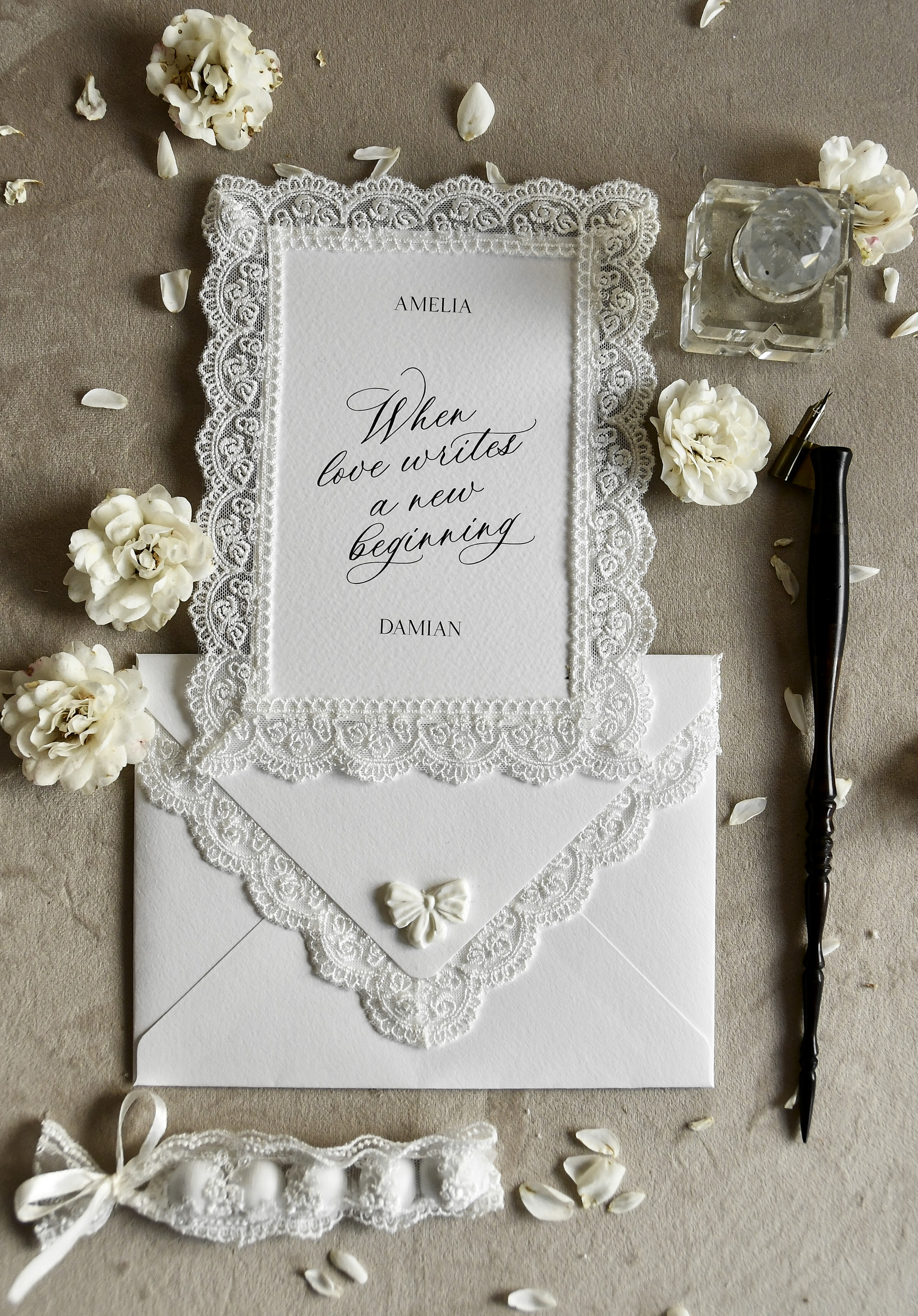
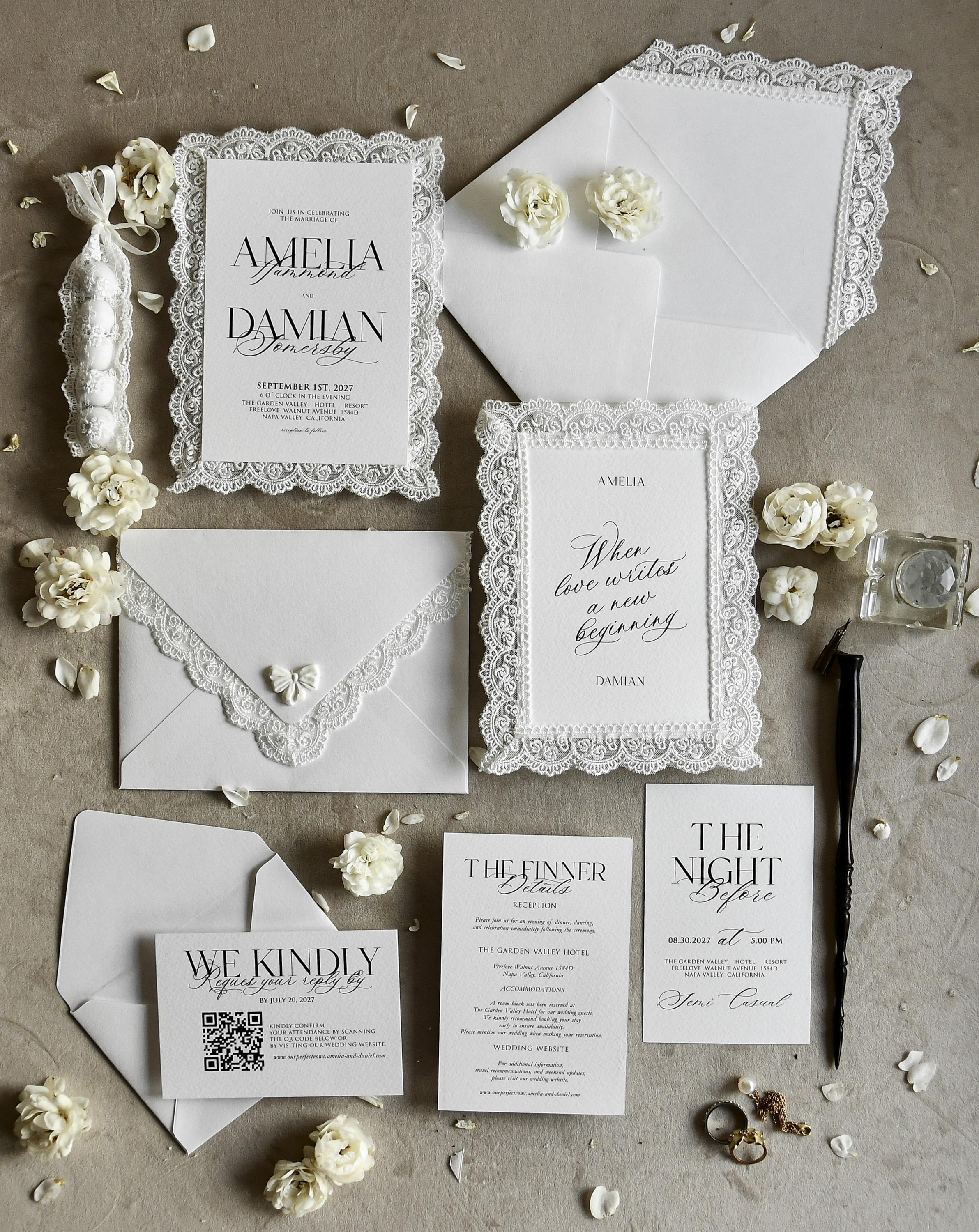
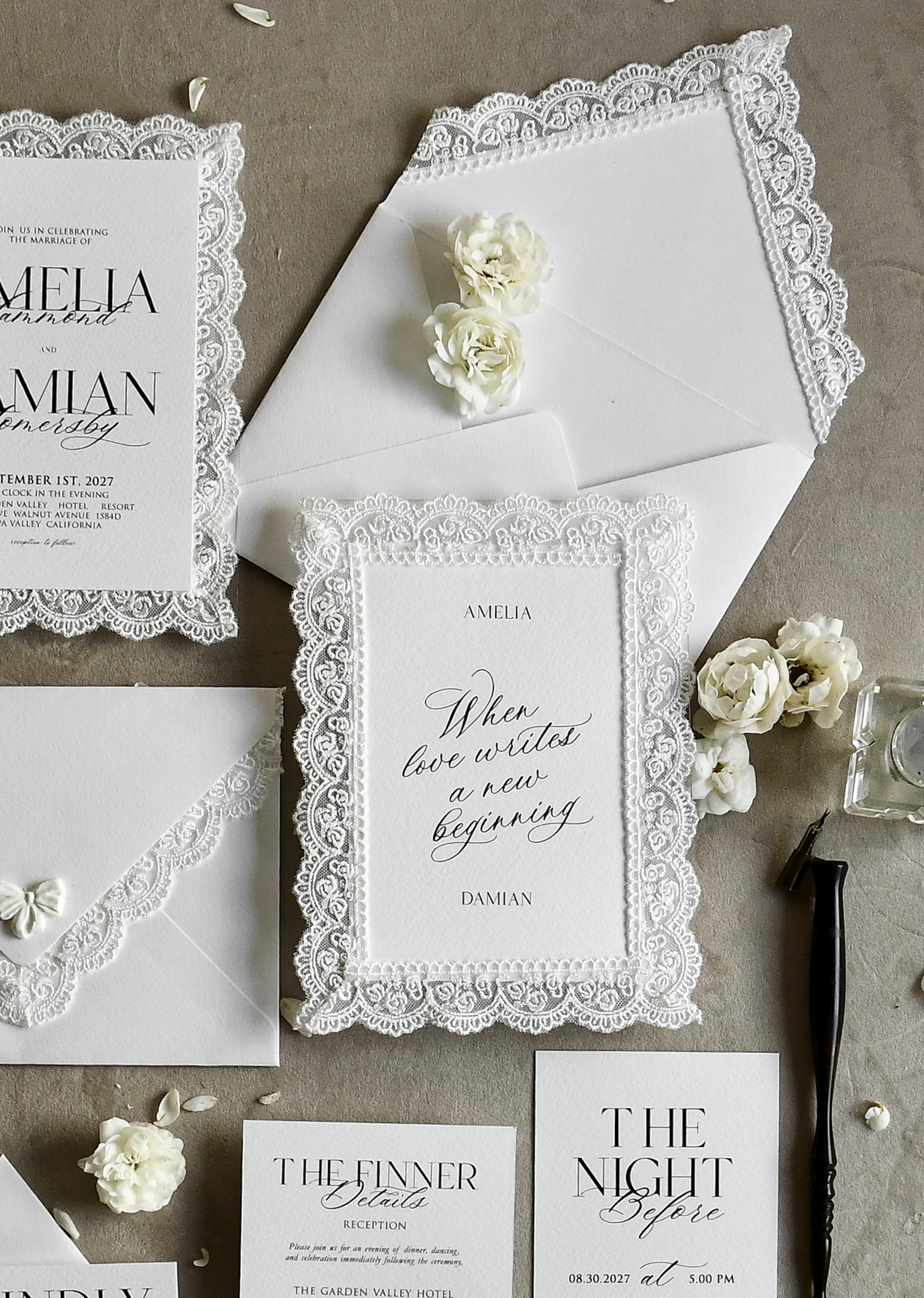
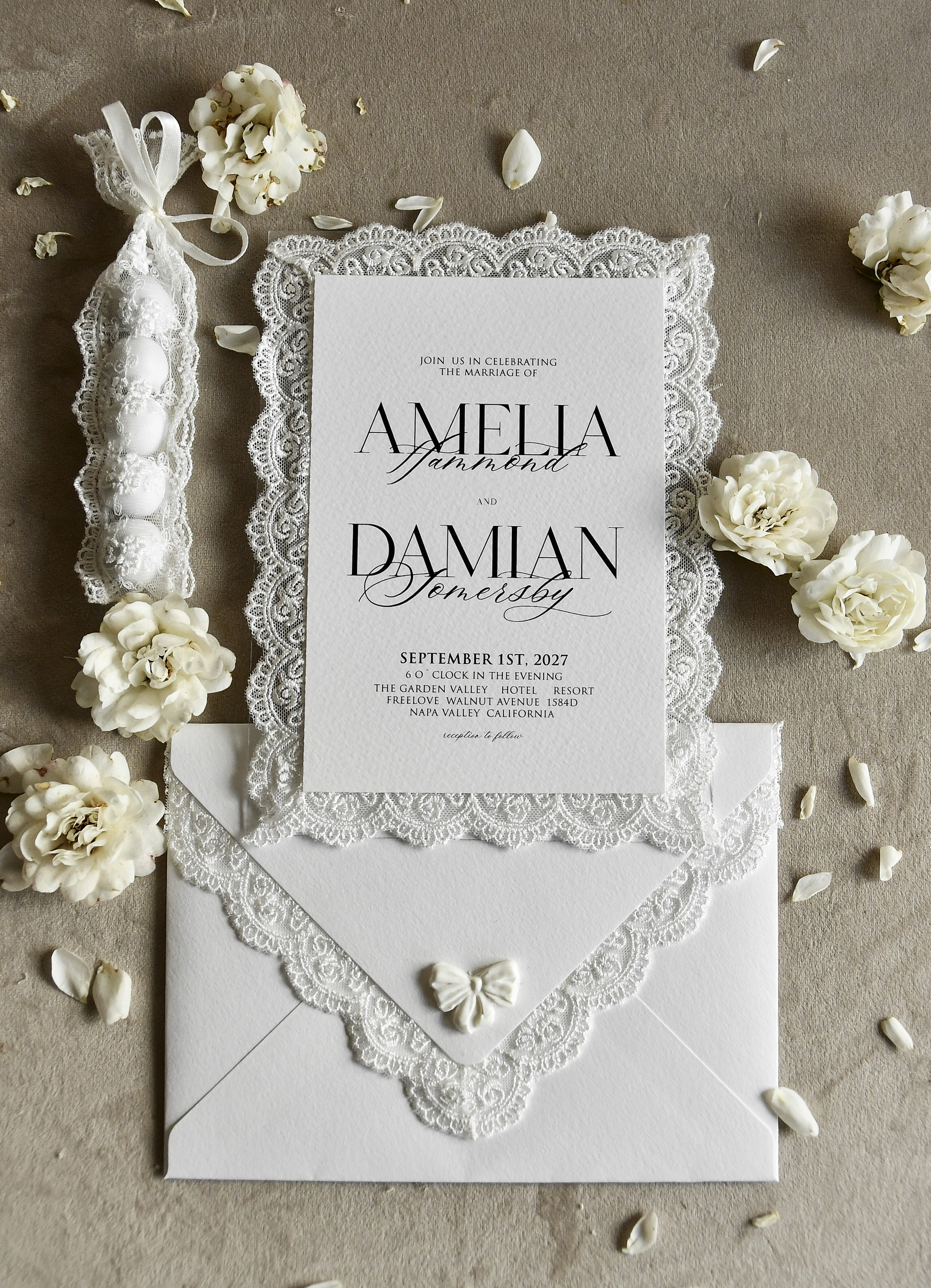
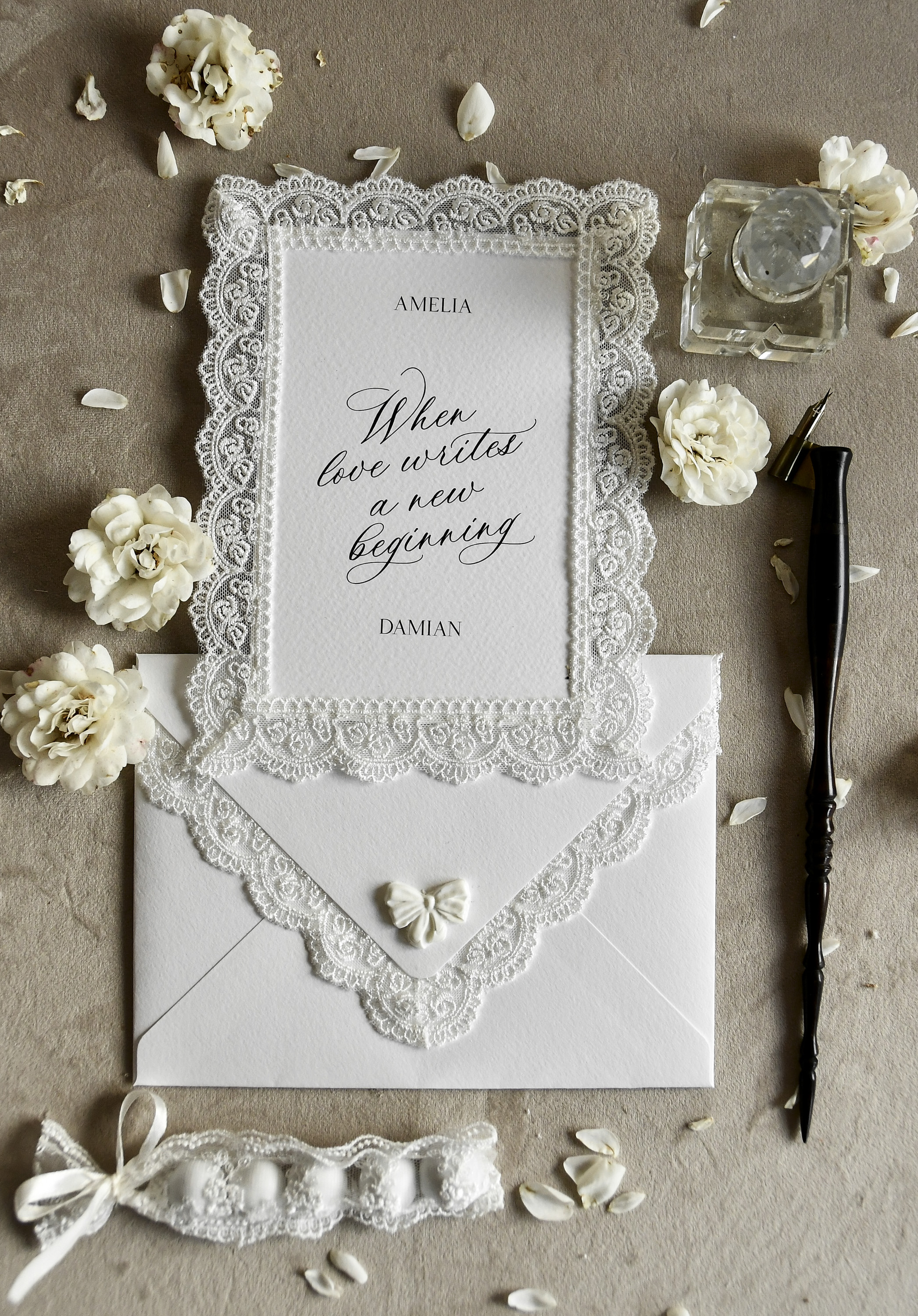
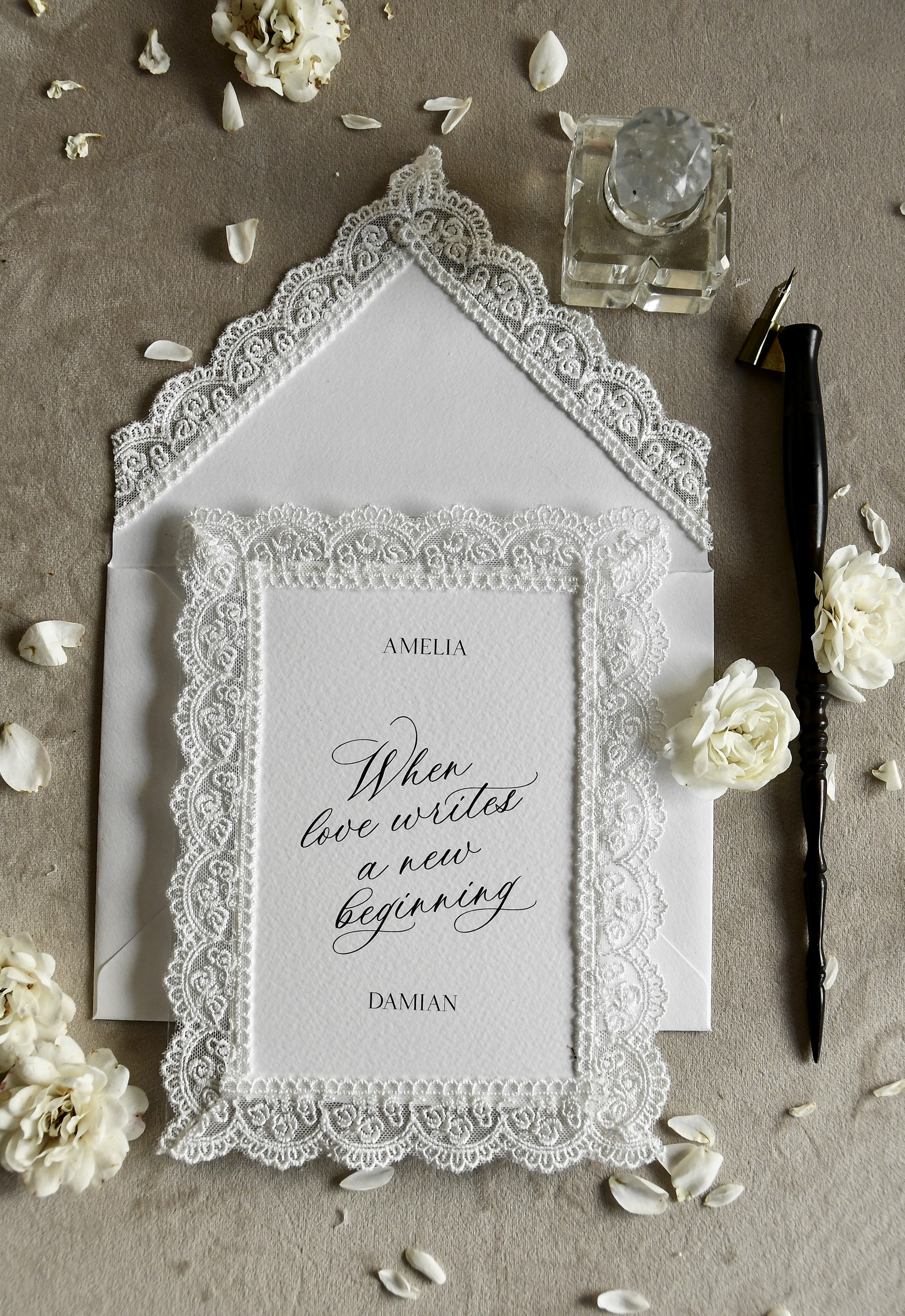
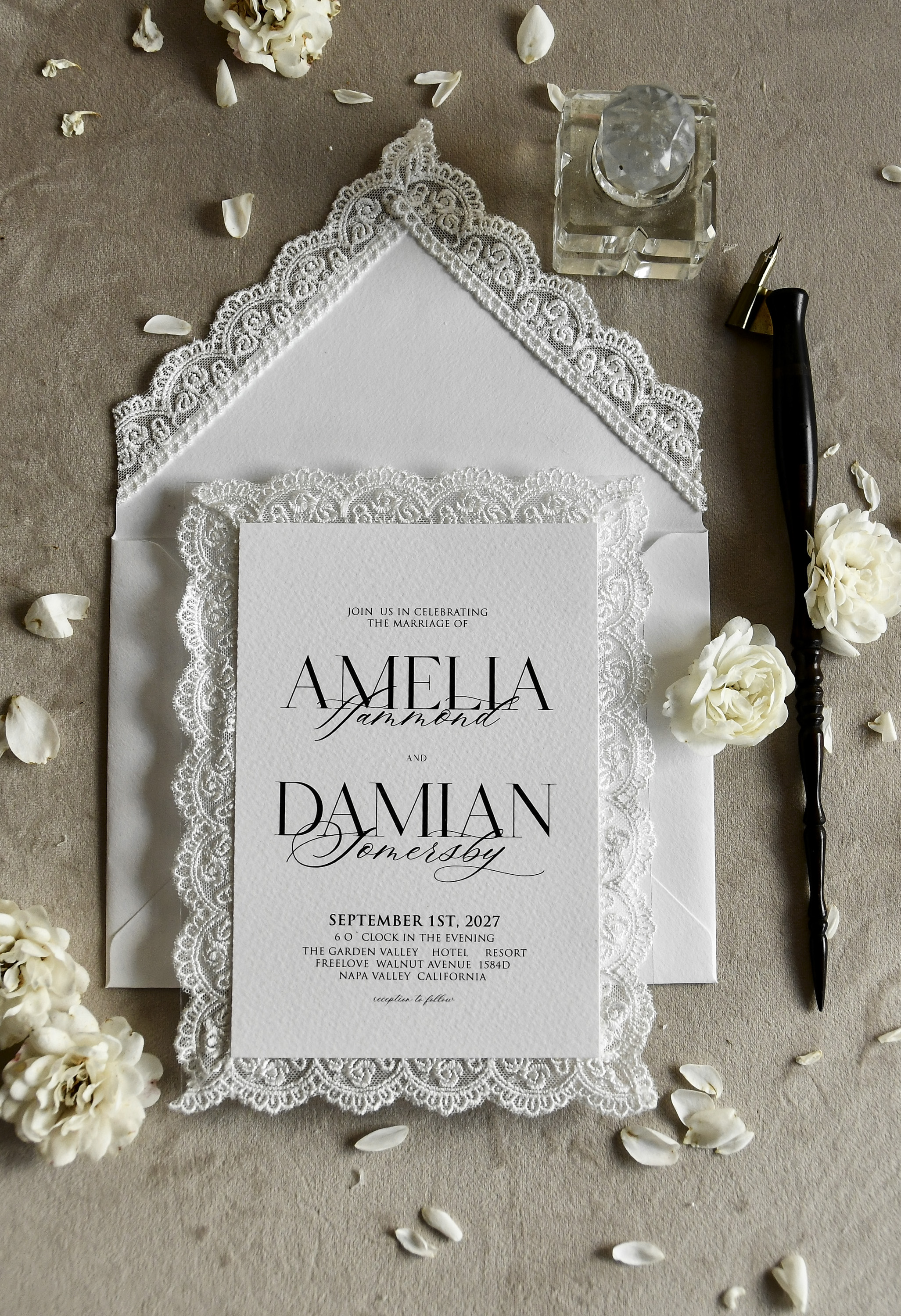
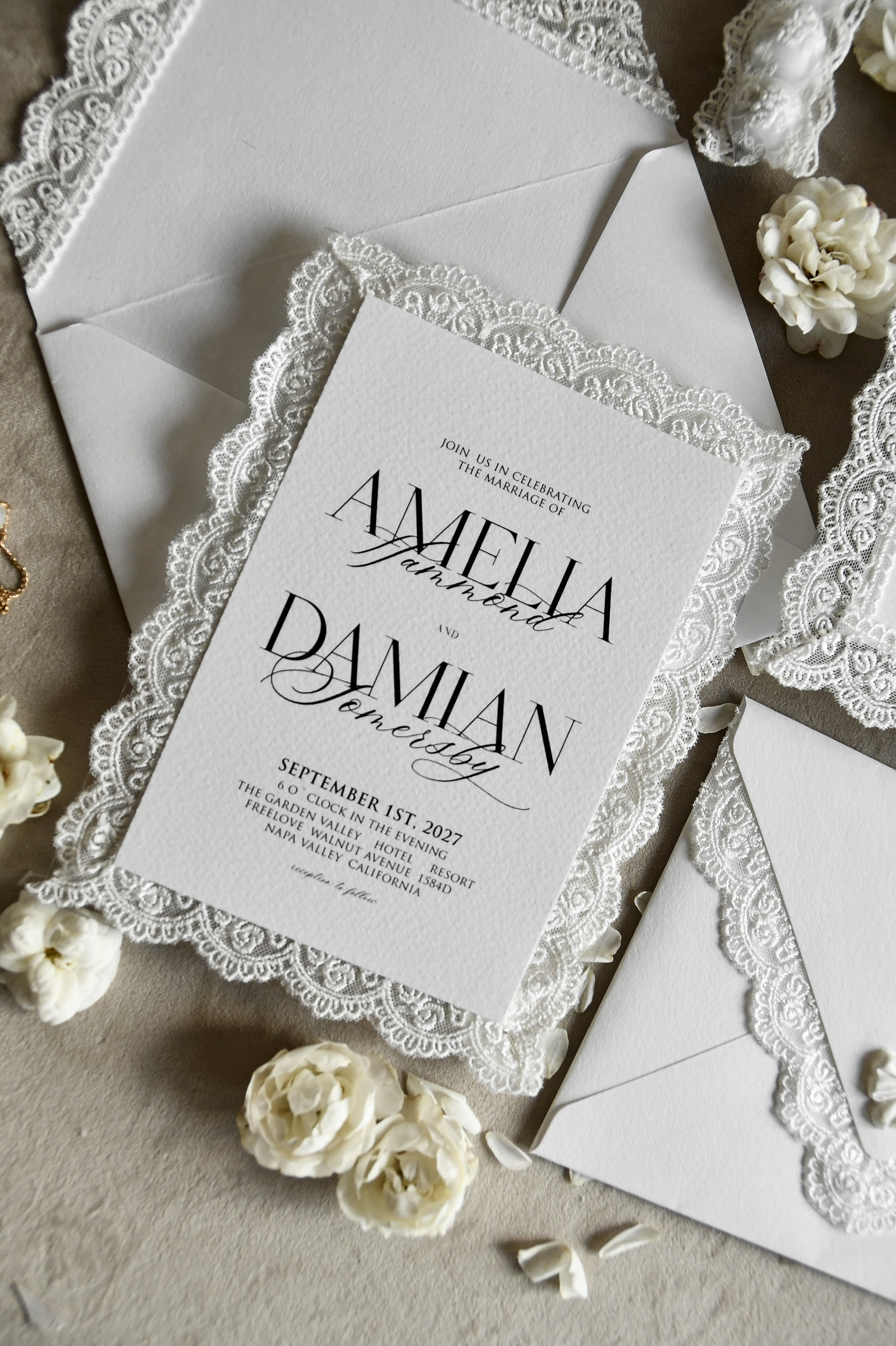
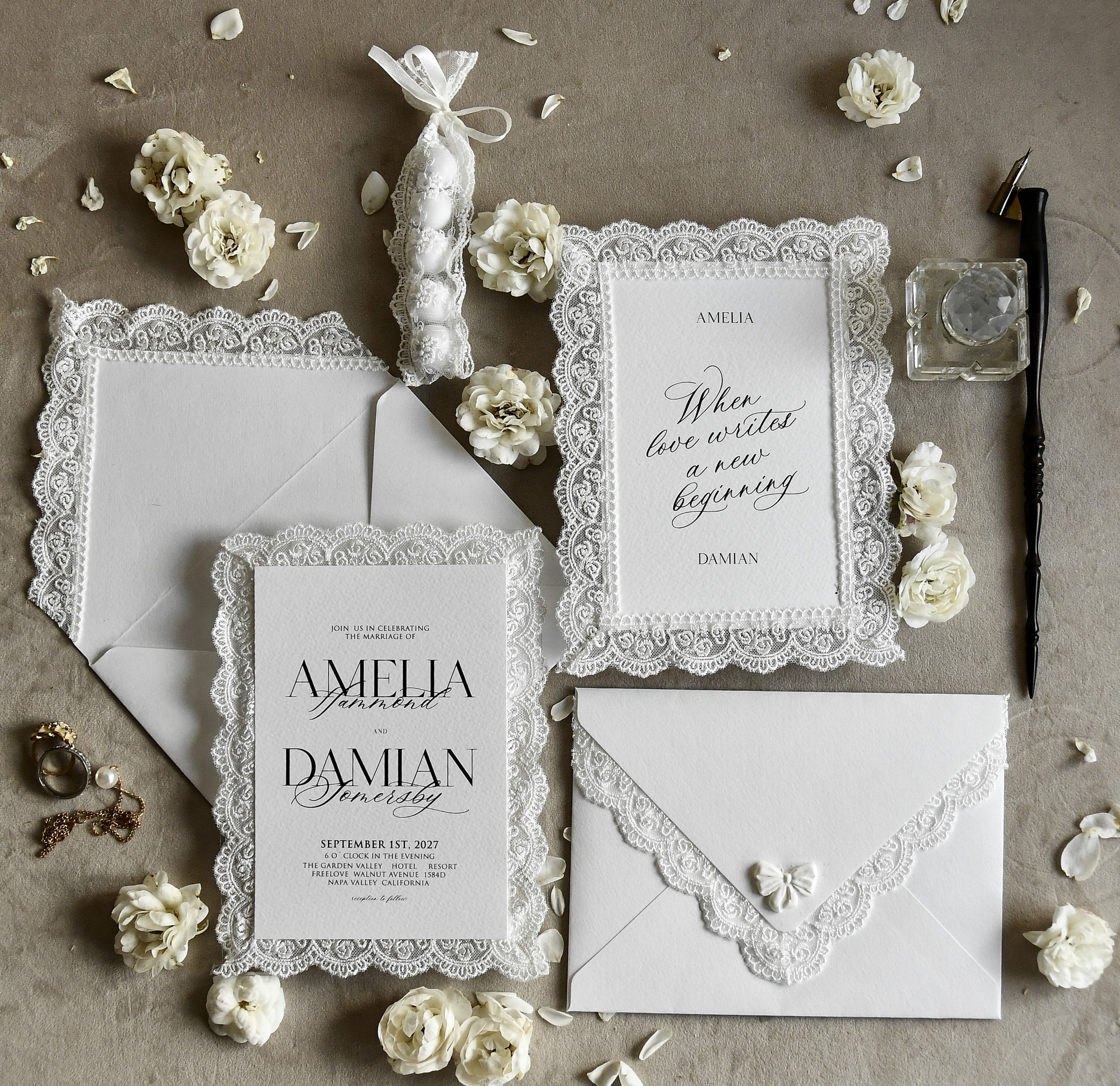
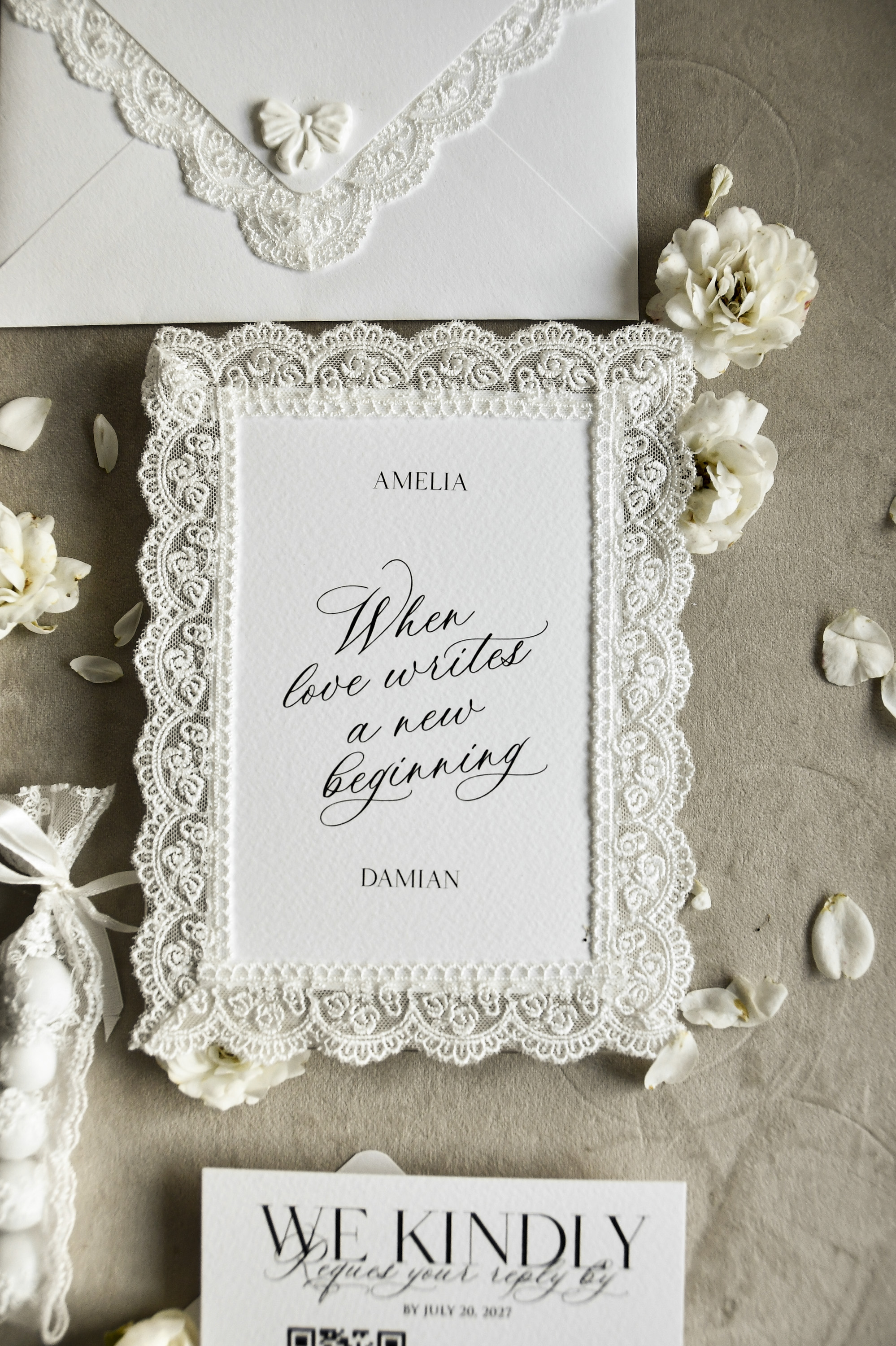
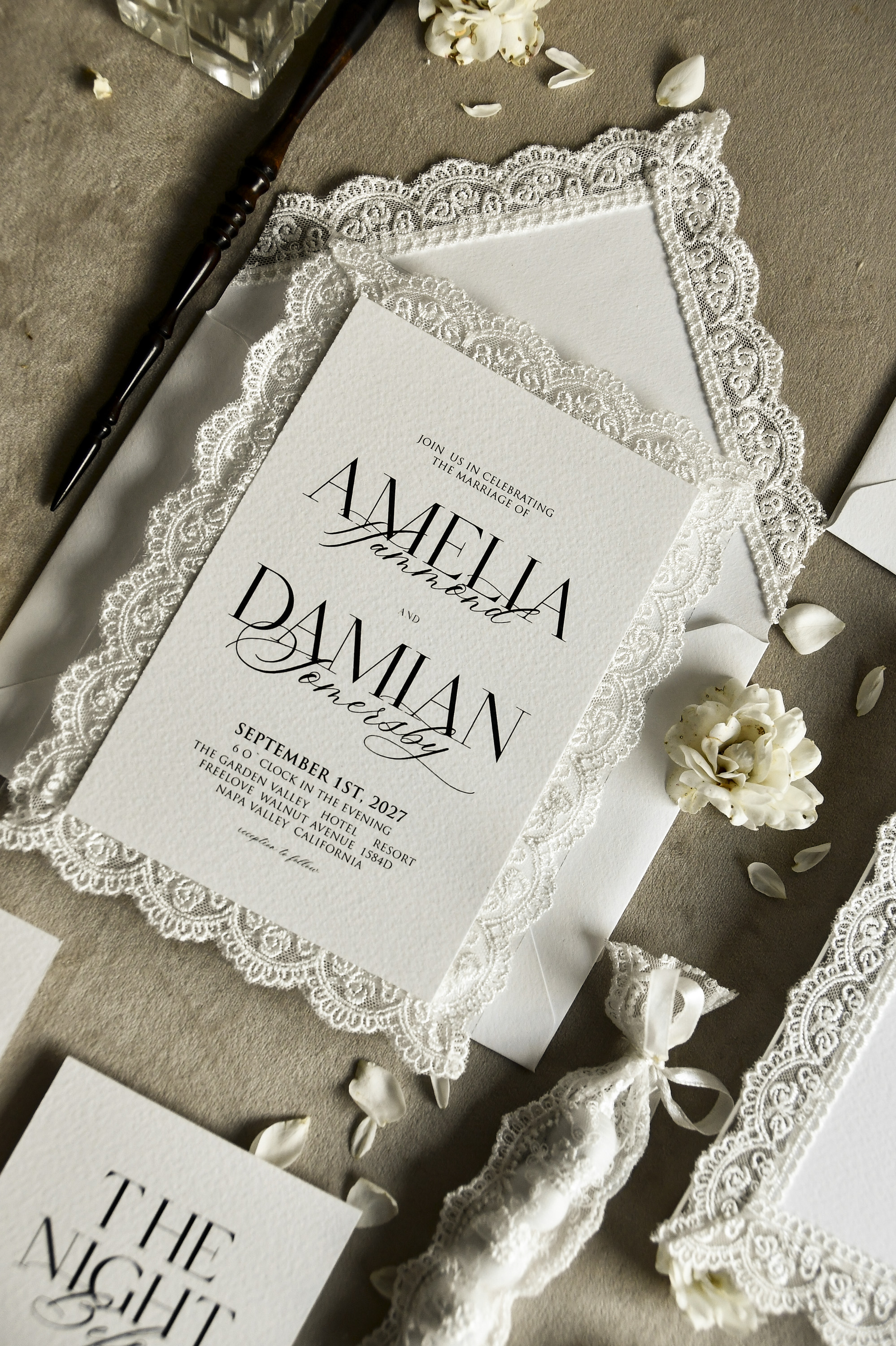
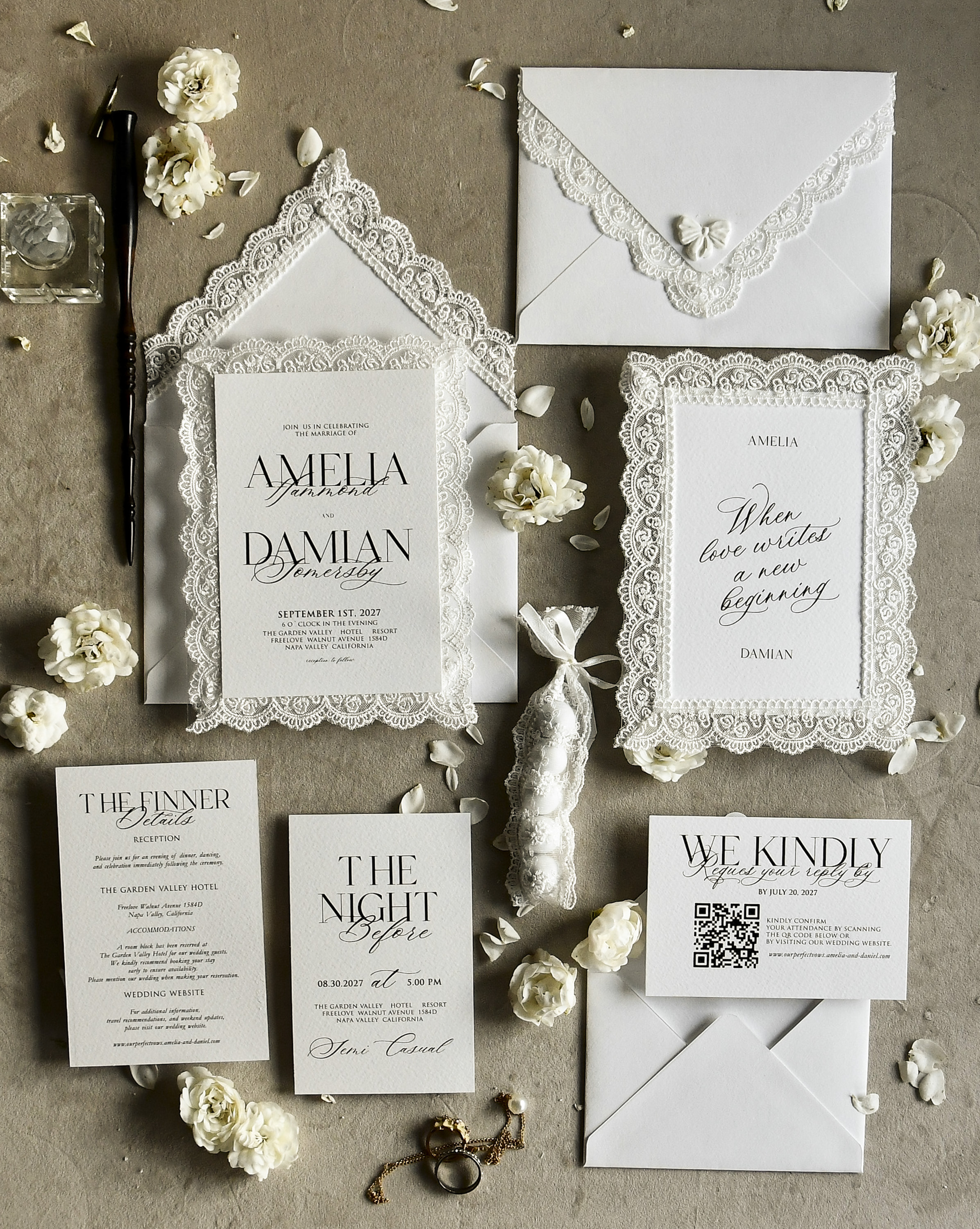
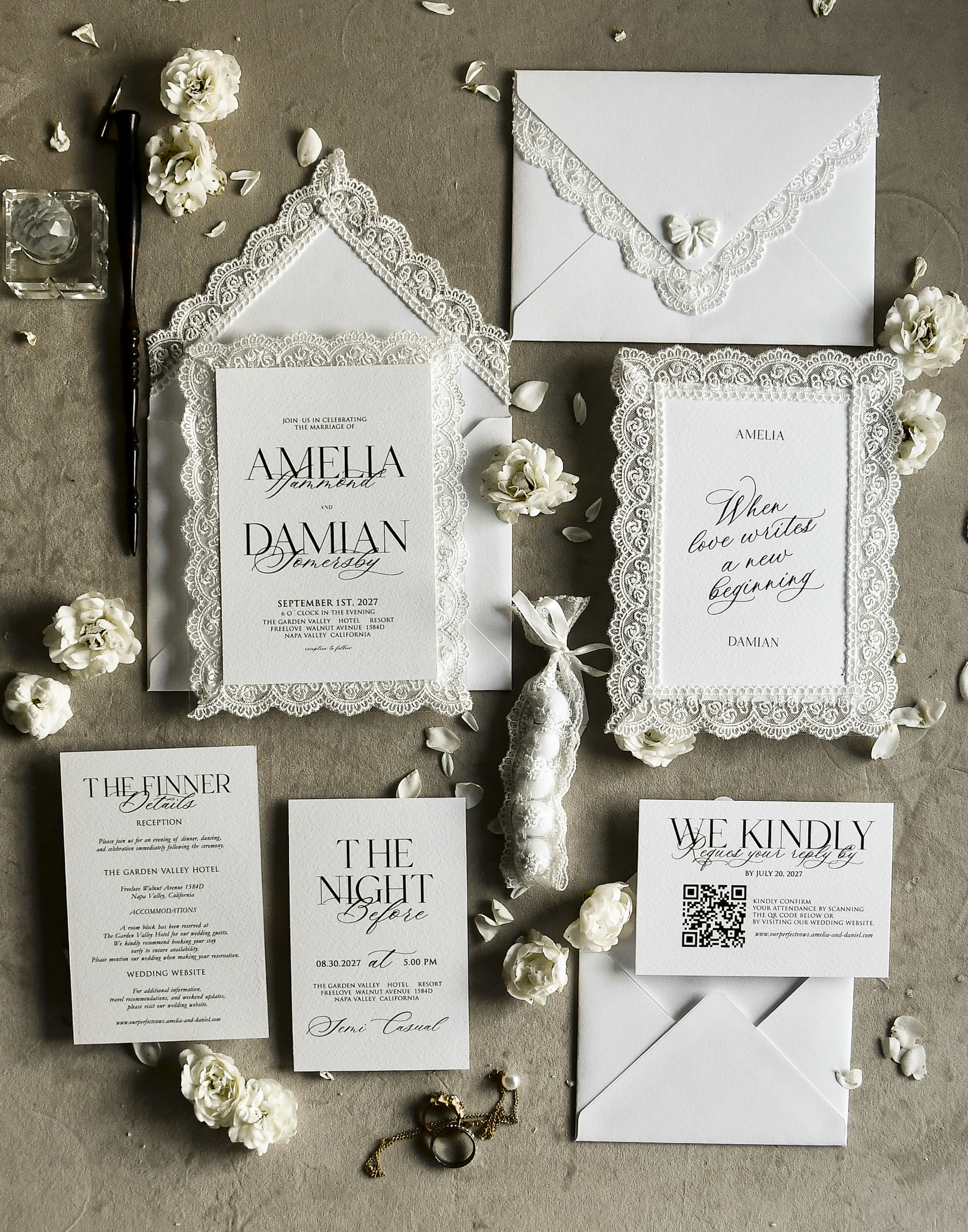
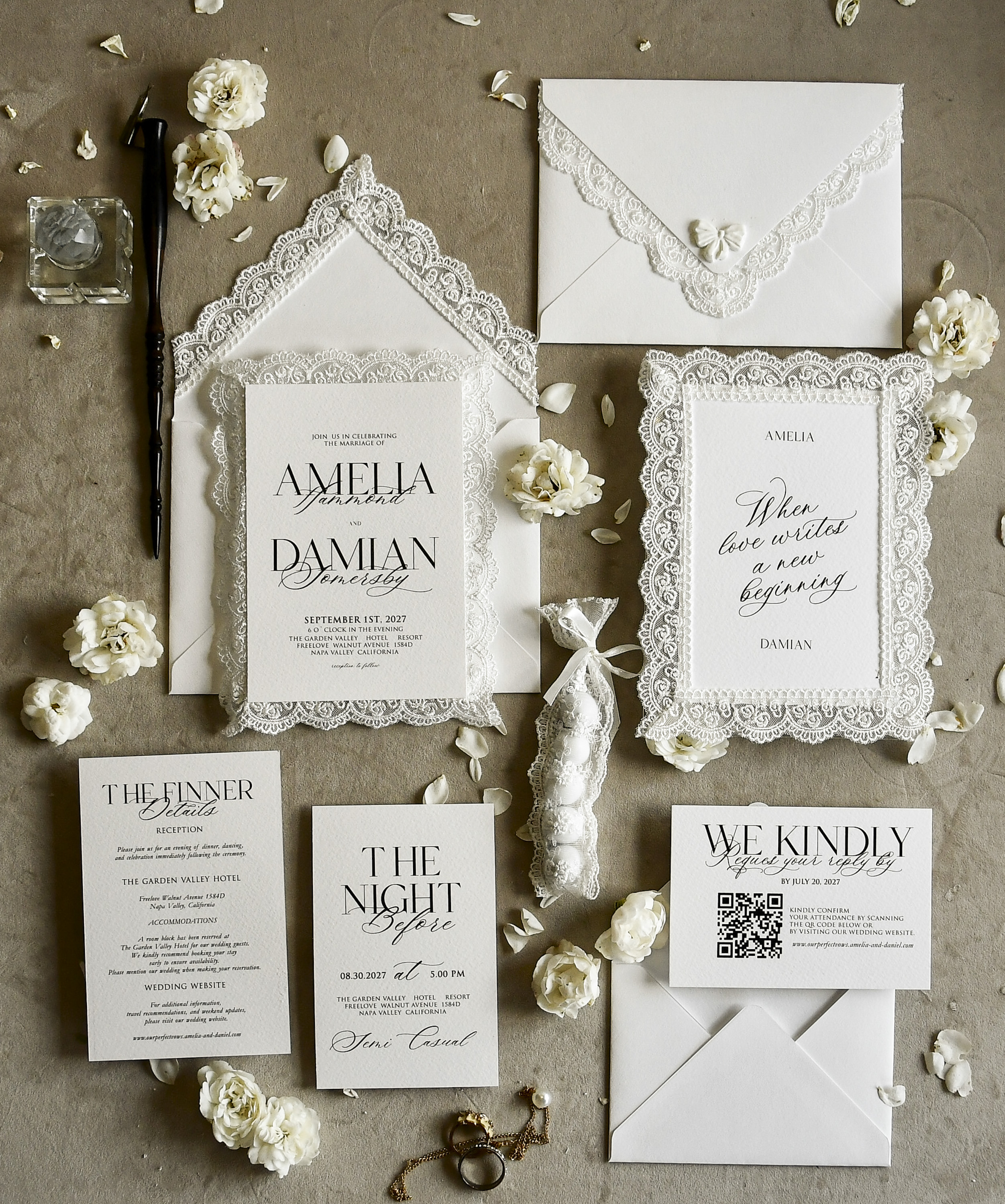
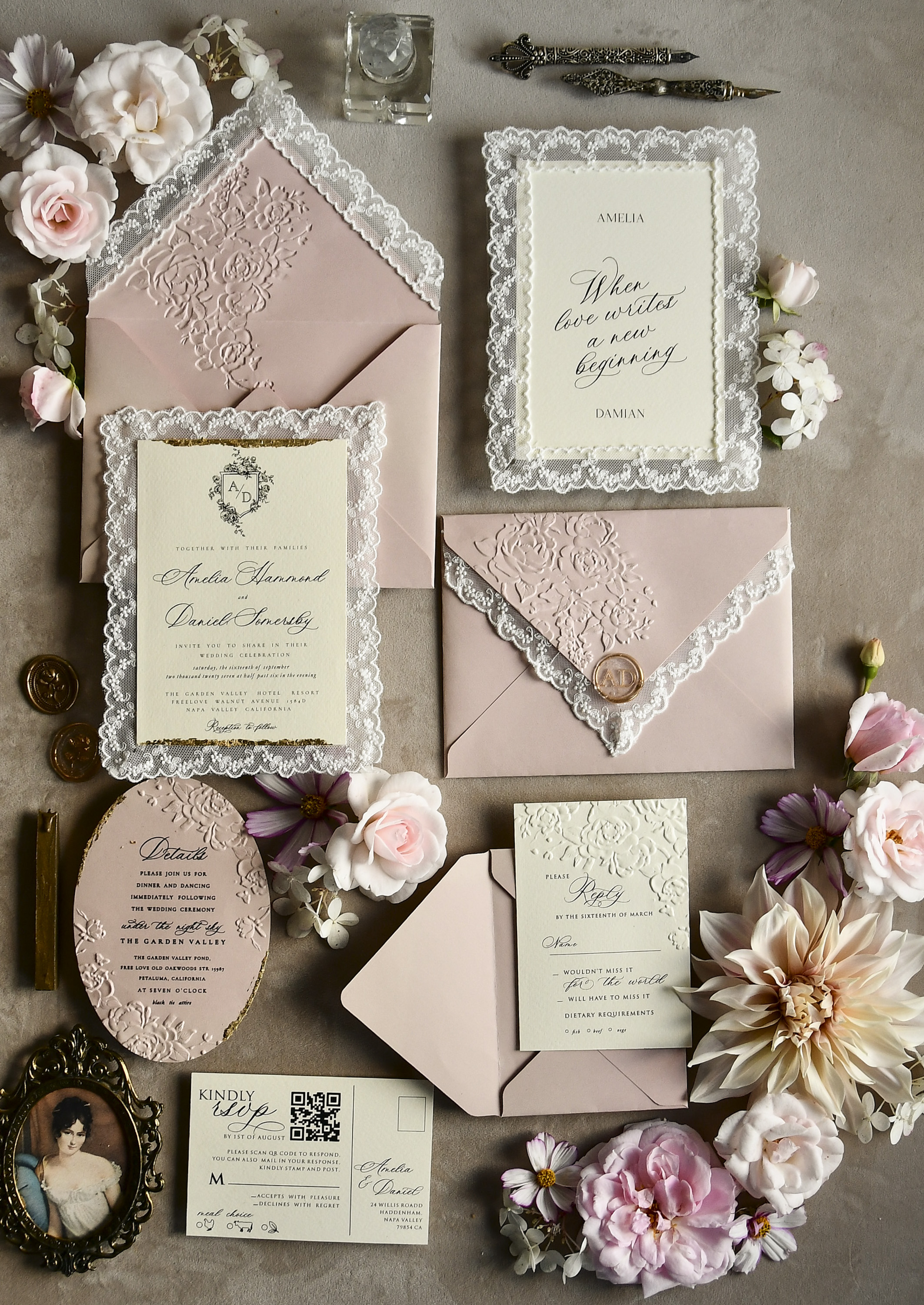
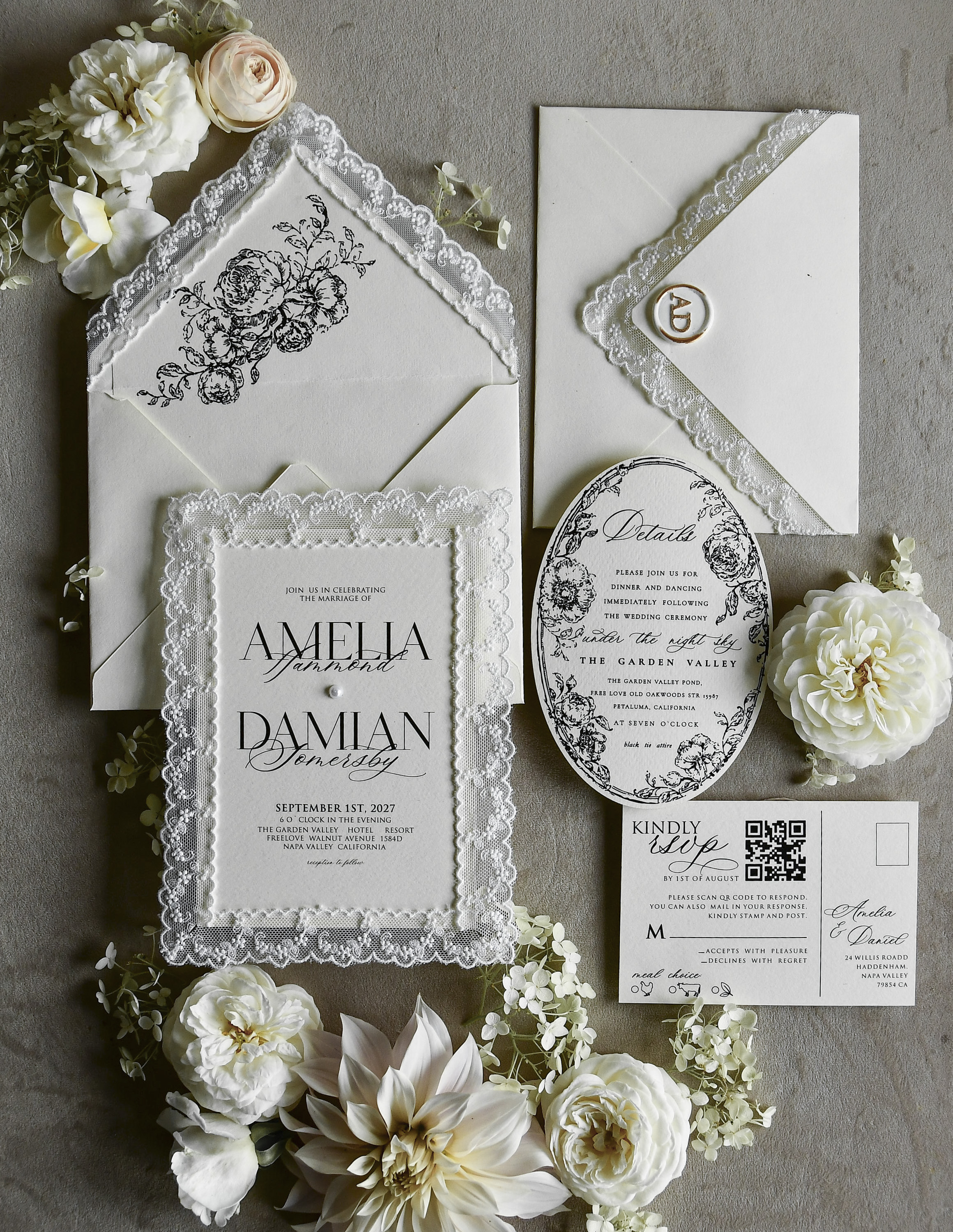
Whatever you decide, the guest list should be finalized before you send a single invitation. Once your elegant vintage lace invitations from the 08/laceD/z collection go out, there's no taking them back — so make sure both of you have genuinely agreed before stationery is ordered.
When to Bring In Outside Help
If you've had multiple conversations and keep hitting a wall, a few sessions with a couples' therapist or pre-marital counselor is a genuinely smart move — not a sign that anything is broken. A neutral third party can help you both articulate what's really going on and find language that doesn't trigger defensiveness.
This is also a moment to pay attention to patterns. A fiancé who wants to isolate you from your family entirely, dismisses your feelings on the matter, or uses the wedding as leverage in other arguments is showing you something important about how conflicts will be handled in your marriage. Most couples working through a guest list disagreement are simply two people with different visions. But if the dynamic feels controlling rather than collaborative, trust that instinct.
Moving Forward: Protect the Relationship on All Sides
Once you've reached a decision — whatever it is — be thoughtful about how you handle the people who won't be invited. If your family members are excluded, you owe them an honest, kind explanation delivered by you, not your partner. Don't blame your fiancé entirely, even if the decision was primarily theirs; you're a team now, and how you present this matters.
If your family will be there, make sure your partner's concerns have genuinely been addressed — whether that's a seating plan that keeps tension low, a clear conversation with a difficult relative beforehand, or simply knowing you have their back on the day. Your 08/laceD/z invitations set the tone the moment guests open them, and the wedding day itself should feel like a celebration both of you actually want to be at.
The goal isn't just to get through this disagreement — it's to come out of it having practiced exactly the kind of honest, respectful negotiation that a strong marriage is built on.
Frequently Asked Questions
There's no legal mechanism that gives one partner sole veto power over the guest list — it's a mutual decision between the two of you. That said, practically speaking, if you can't reach agreement, it becomes a deeper relationship issue worth addressing before you walk down the aisle.
Not automatically — context matters enormously. If there's a history of conflict between your partner and your family, or your partner wants a very small intimate wedding, that's different from a partner who is deliberately trying to isolate you. Pay attention to whether the conversation feels collaborative or controlling.
Have the conversation in person or by phone — never by text or email. Be honest that it was a mutual decision, keep the explanation simple, and give them space to feel hurt without getting defensive. If a separate celebration is planned, share that information right away so they have something to look forward to.
This is actually the most common version of this situation, and it's often more manageable. Have an honest conversation about what happened between them and whether the concern can be addressed — sometimes a direct conversation or a seating arrangement is enough. If the excluded person is a parent or sibling, weigh carefully what that means for your family relationships long-term.
Eloping can be a genuinely beautiful solution when both partners want it — not just as an escape hatch. If you'd both feel relieved by a private ceremony followed by a celebration dinner, that's worth exploring seriously. Make sure you're choosing it because you want it, not just to avoid a hard conversation.
Aim to have your final guest list locked at least 8–10 weeks before the wedding, since invitations should go out 6–8 weeks in advance. Resolving any family disagreements well before that deadline gives you time to order stationery without last-minute stress or changes.
See This Design Up Close
You May Also Like
More Wedding Planning Guides
- → Navigating Uninvited Guests: What to Say and How to Say It
- → Chasing Down Missing RSVPs: When and How to Follow Up With Guests
- → Divorced Parents at Your Wedding: Who Sits Where (and How to Keep the Peace)
- → The Plus-One Question: How to Handle Teenage Guests at Your Wedding
- → Mom's Must-Invite List vs. Your Vision: How to Find the Middle Ground
- → The Cousin Dilemma: How to Handle Extended Family on Your Guest List
- → RSVP 'Yes' With a No-Show: How to Protect Your Day and Your Relationships
- → Your Ex, Your Wedding, Your Call: A Clear-Headed Guide to the Decision
- → Ditch the Return Envelope? How Online RSVPs Fit Into Modern Wedding Invitations
- → Wedding Invitation Deadlines: What 'Too Late' Actually Means
- → Your Guest List, Your Rules: Navigating the Plus-One Decision
- → Who Really Deserves a Plus One at Your Wedding (and Who Doesn't)
- → Uninvited Plus-Ones and Tag-Alongs: How to Keep Your Guest List Intact
- → When Family Feuds Threaten Your Wedding Plans: A Practical Peacekeeper's Guide
- → Inviting an Estranged Brother or Sister: Finding Clarity Before You Seal the Envelope
- → Cousins, Invites, and Hard Choices: A Practical Guest List Guide