
Navigating Uninvited Guests: What to Say and How to Say It
One of the hardest parts of wedding planning isn't choosing flowers or fonts — it's the guest list. Venues have capacities, budgets have limits, and feelings are fragile. At some point, almost every couple faces the uncomfortable moment of letting someone know they won't be receiving an invitation. The good news: with the right words and a little preparation, you can handle this conversation with warmth, honesty, and zero drama.
Why This Conversation Is So Hard (And Why You Still Need to Have It)
Most couples dread this conversation so much that they avoid it entirely — hoping the uninvited person simply won't ask. But that strategy often backfires. When someone sees wedding photos on social media or hears about the event through mutual friends, a surprise exclusion can feel far more hurtful than a gentle heads-up would have. Being proactive, even when it's uncomfortable, is almost always the kinder choice.
It also protects your peace of mind. Dreading an awkward future conversation can cloud what should be one of the happiest seasons of your life. A brief, honest talk now means you can move forward without anxiety.
The Right Way to Have the Conversation
Timing and medium matter. Here's how to approach it:
- Do it in person or by phone for close friends or family members. A text or email feels dismissive for someone you genuinely care about.
- Be honest but brief. You don't owe anyone a detailed justification. A simple explanation — venue size, immediate family only, keeping it intimate — is enough.
- Lead with care, not apology. There's a difference between acknowledging someone's feelings and over-apologizing for a decision that is completely yours to make.
- Don't leave a door open that doesn't exist. Avoid saying things like "we'll see" or "maybe if things change" unless that's genuinely true. False hope leads to bigger hurt later.
A sample script: "Hey, I wanted to talk to you before invitations go out. We're keeping our wedding very small — just immediate family and a handful of close friends — and I didn't want you to hear about it another way. It has nothing to do with our friendship, and I'd love to celebrate with you another time."
Setting Clear Boundaries Without Being Unkind
Some people will push back. They might remind you of a favor they did, mention that they've attended your other milestones, or simply express hurt. Here's how to hold your boundary with grace:
- Acknowledge the feeling without changing the decision. "I completely understand if you're disappointed — I would be too" is both honest and kind.
- Don't engage in a negotiation. The moment you start explaining why one person made the cut and another didn't, you've entered territory that never ends well.
- Offer an alternative celebration if it's genuine. A post-wedding dinner, a brunch, or even a casual get-together can show that you value the relationship even if the wedding itself is limited.
Remember: you are not obligated to invite anyone to your wedding. Full stop. Kindness in delivery matters; the decision itself is yours.
What to Do When Someone Finds Out on Their Own
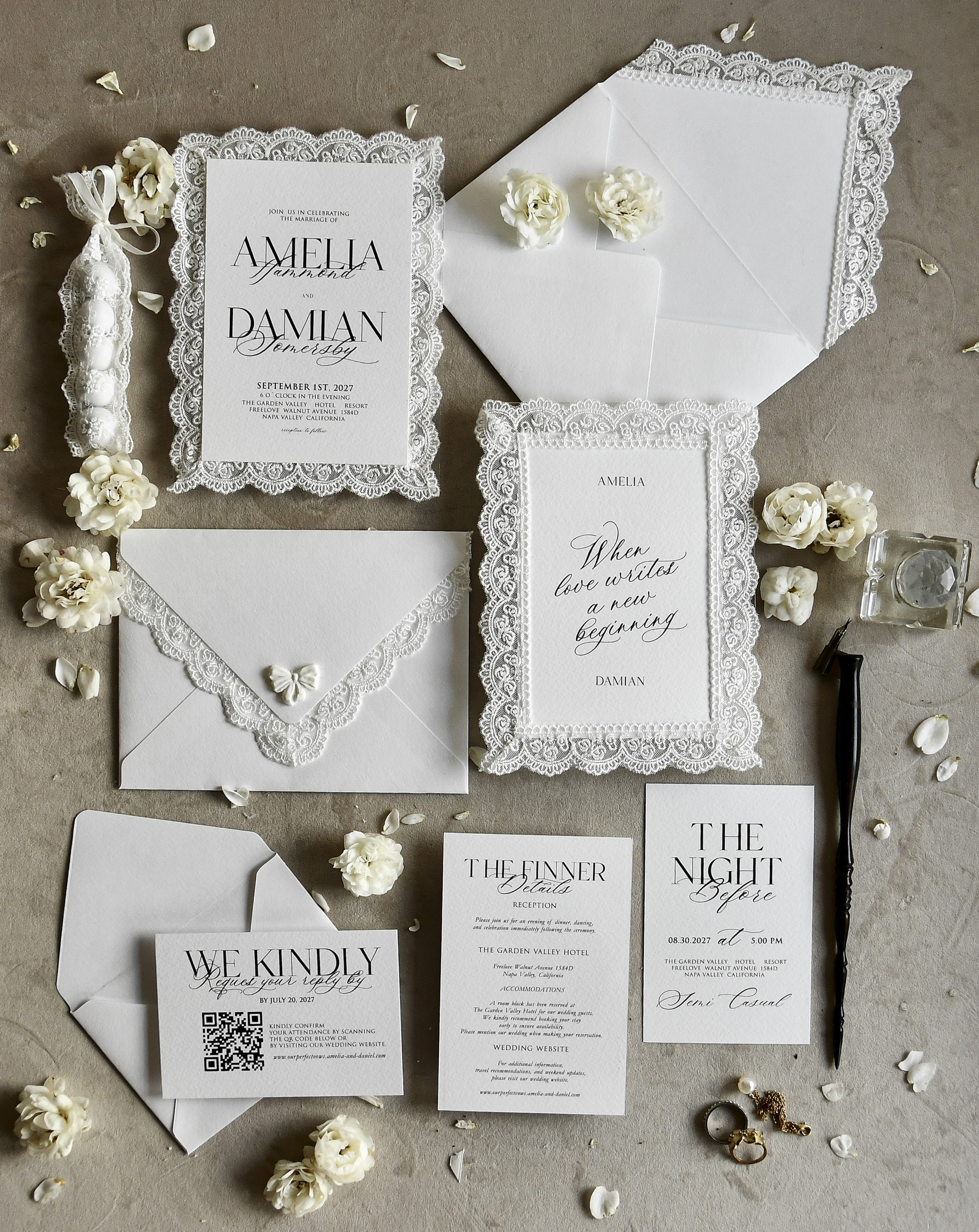
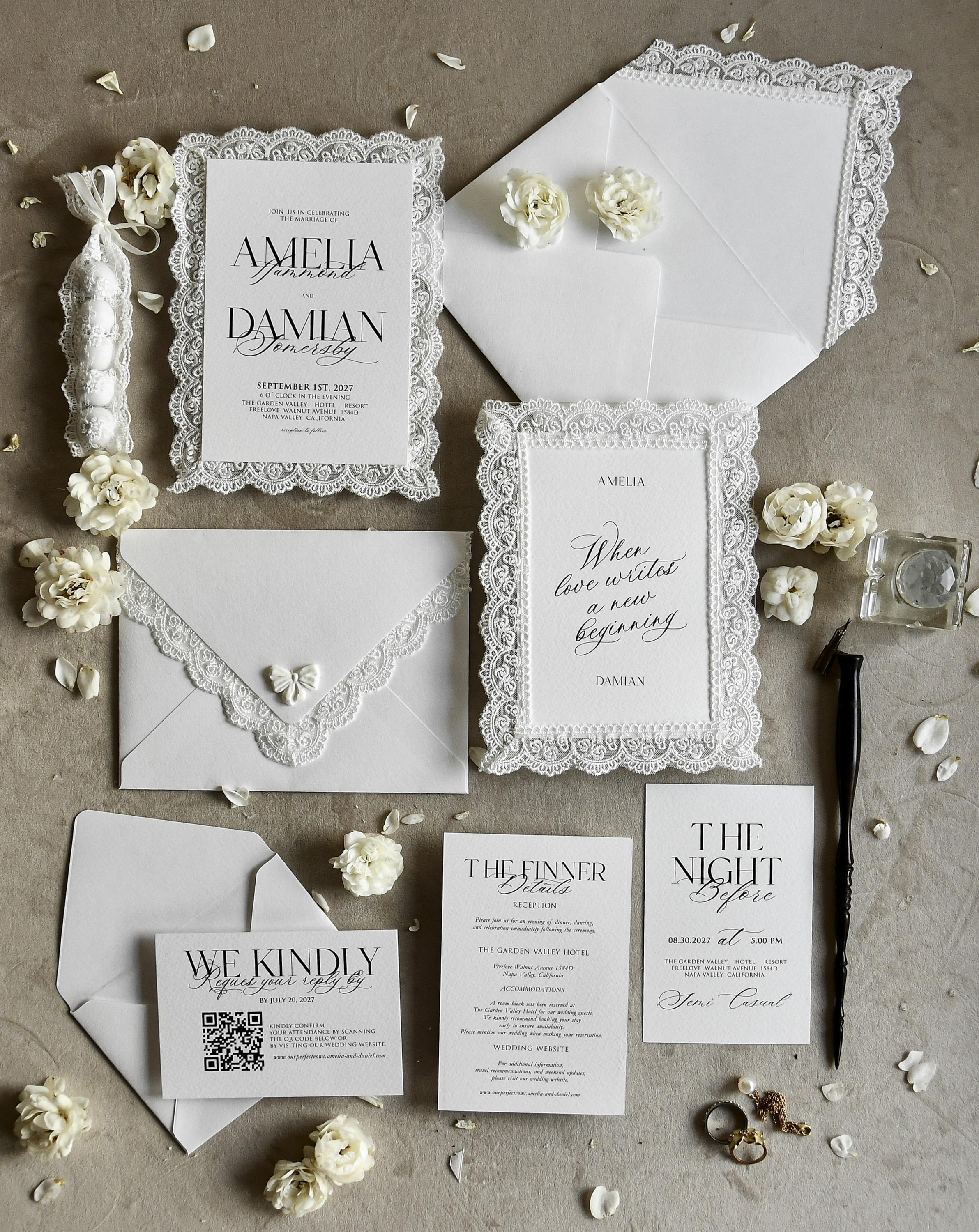
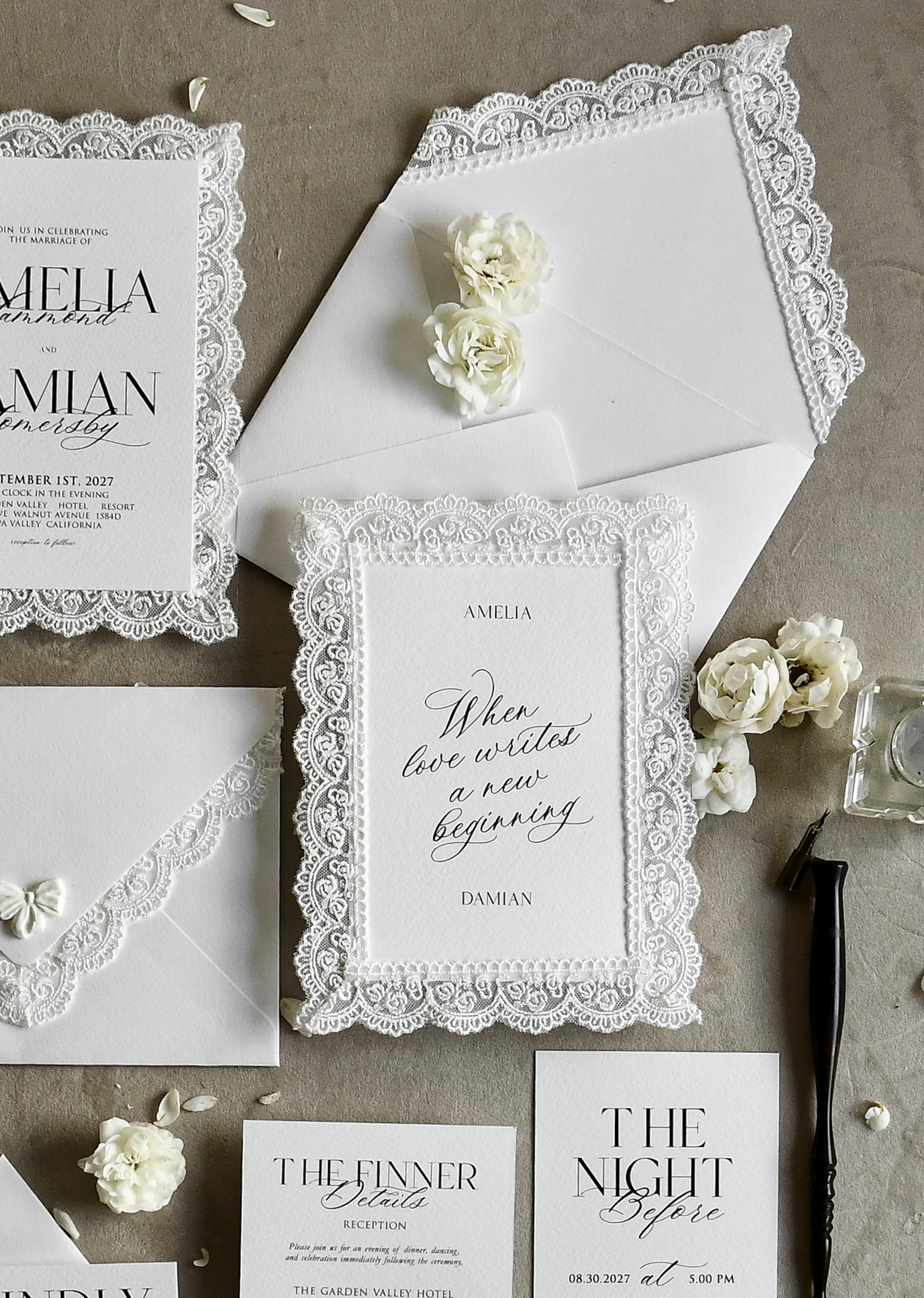
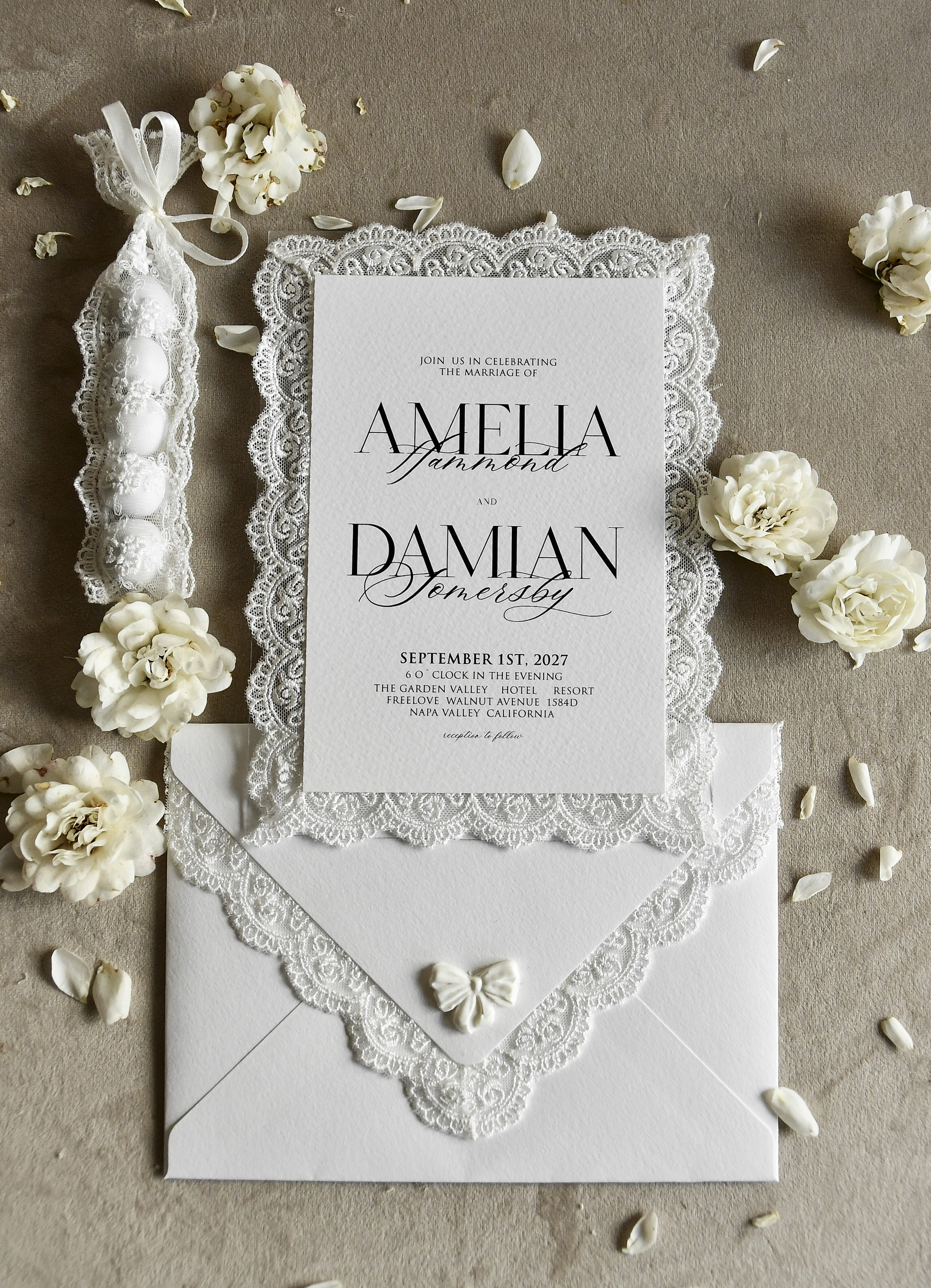
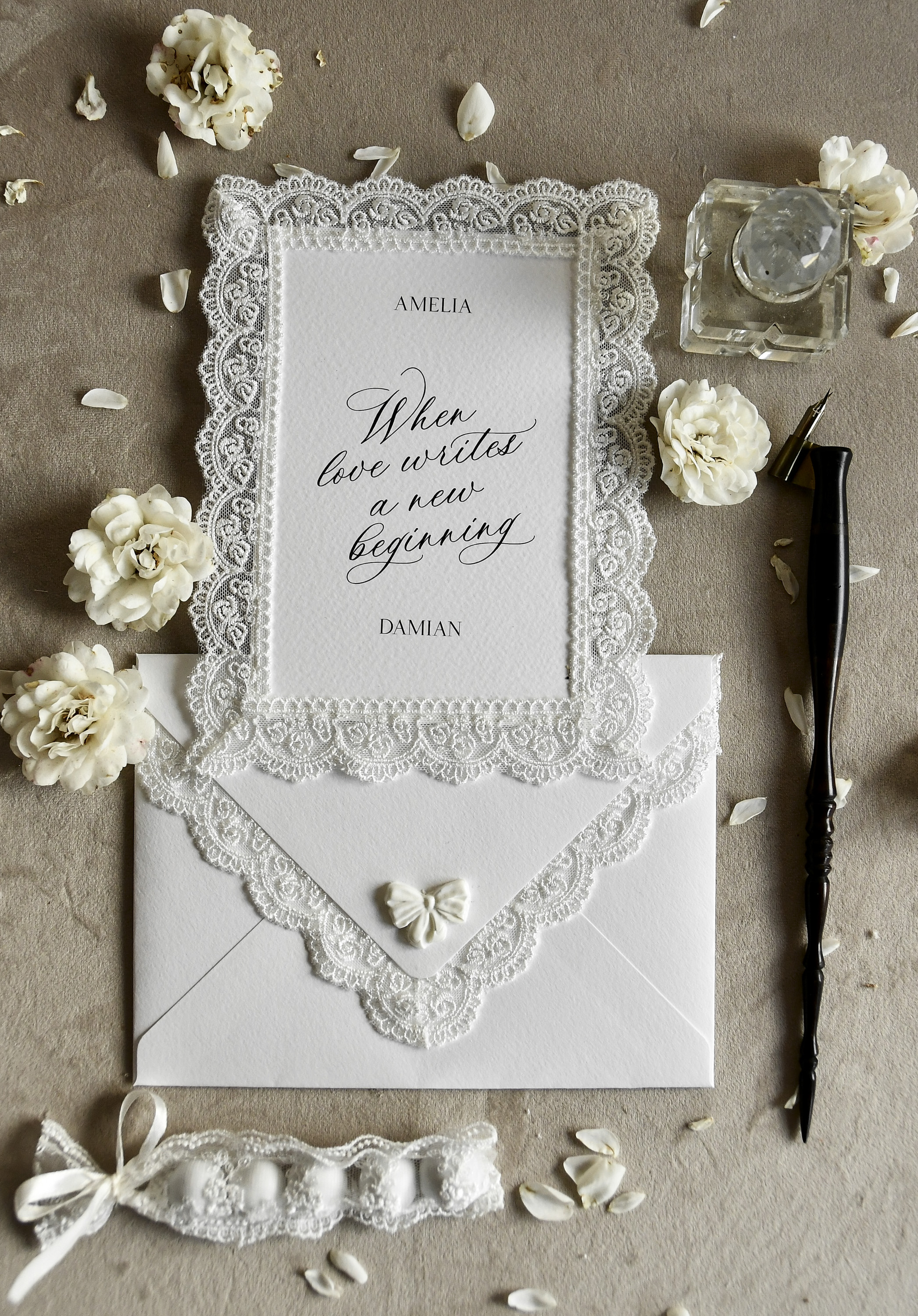
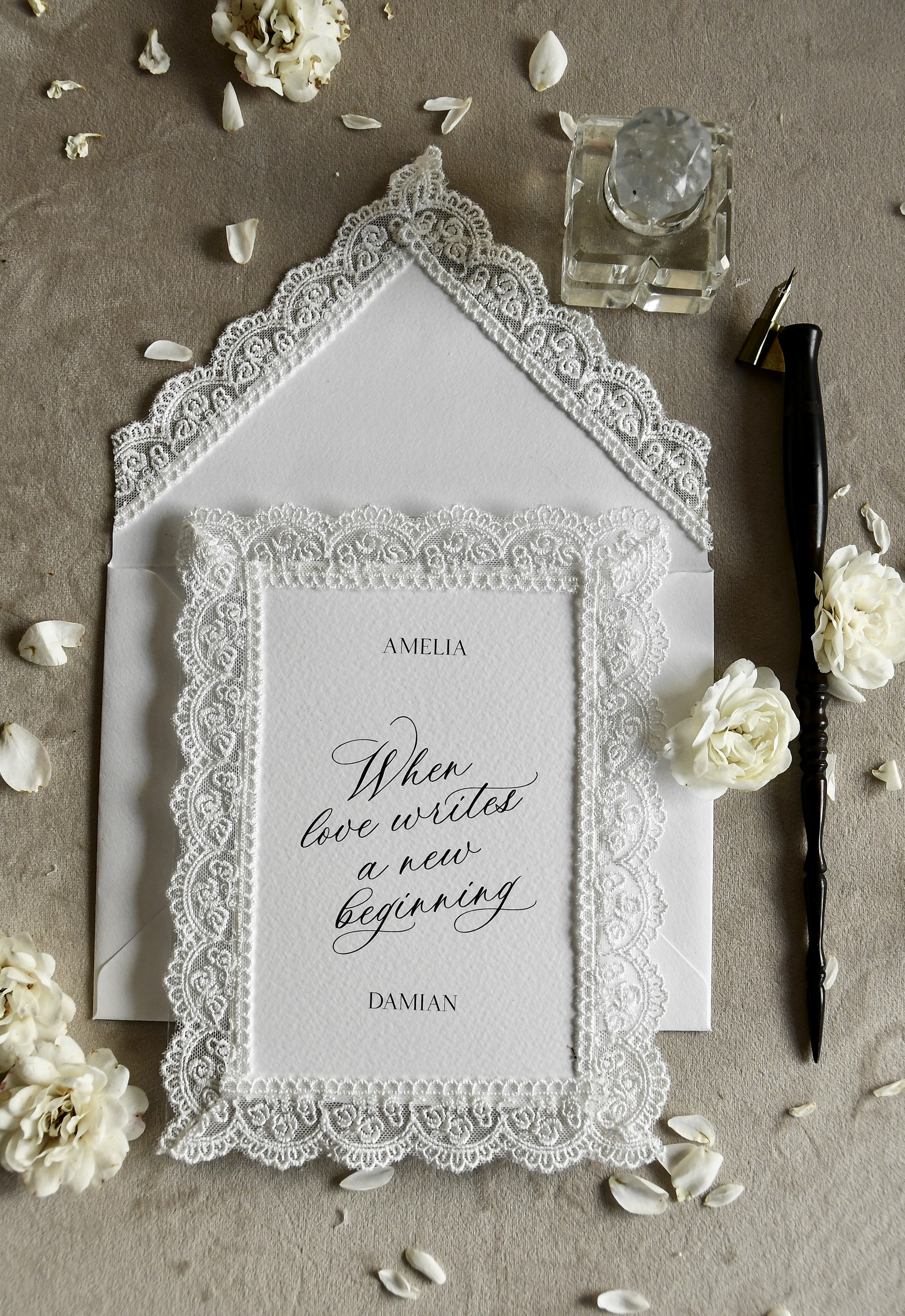
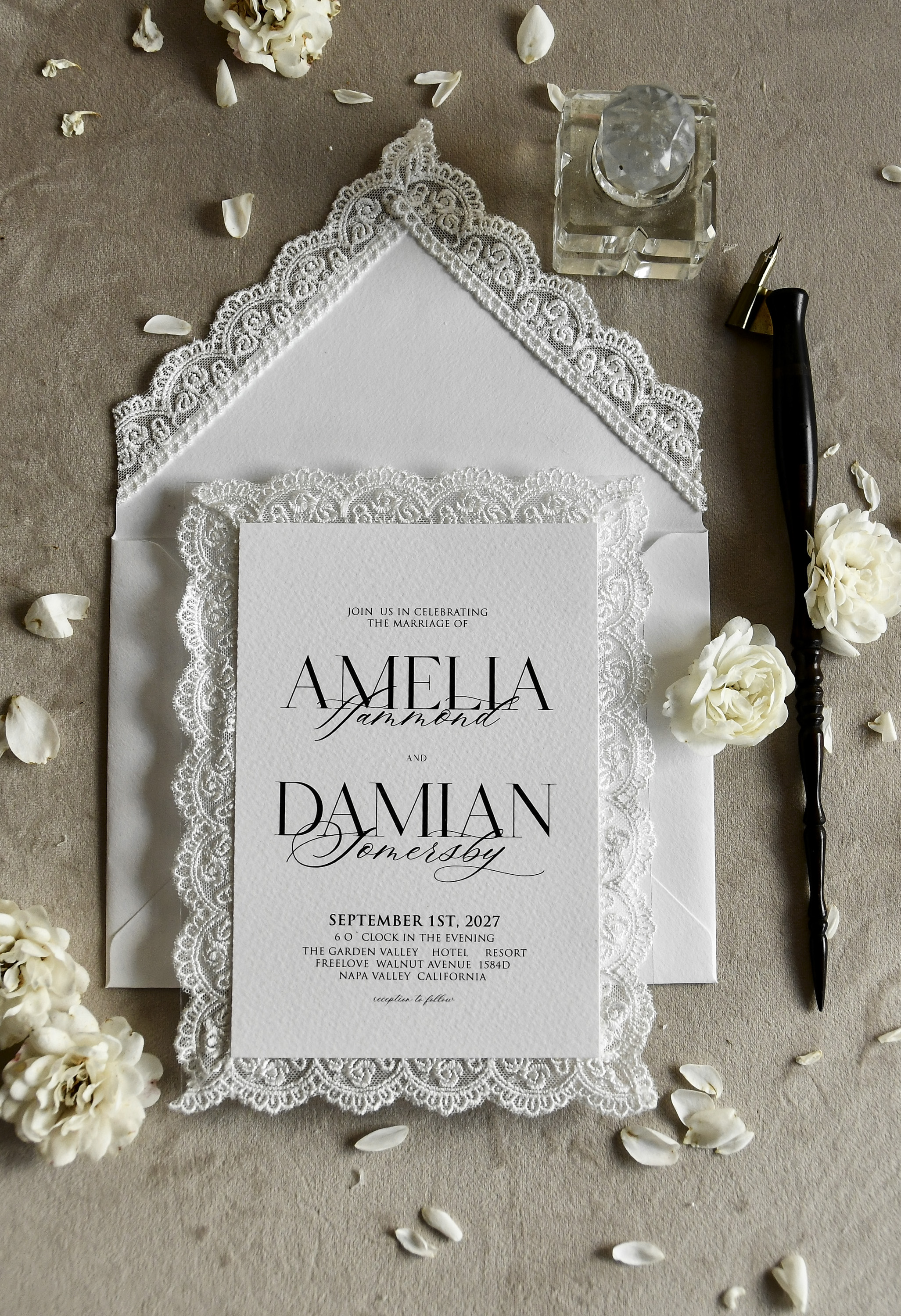
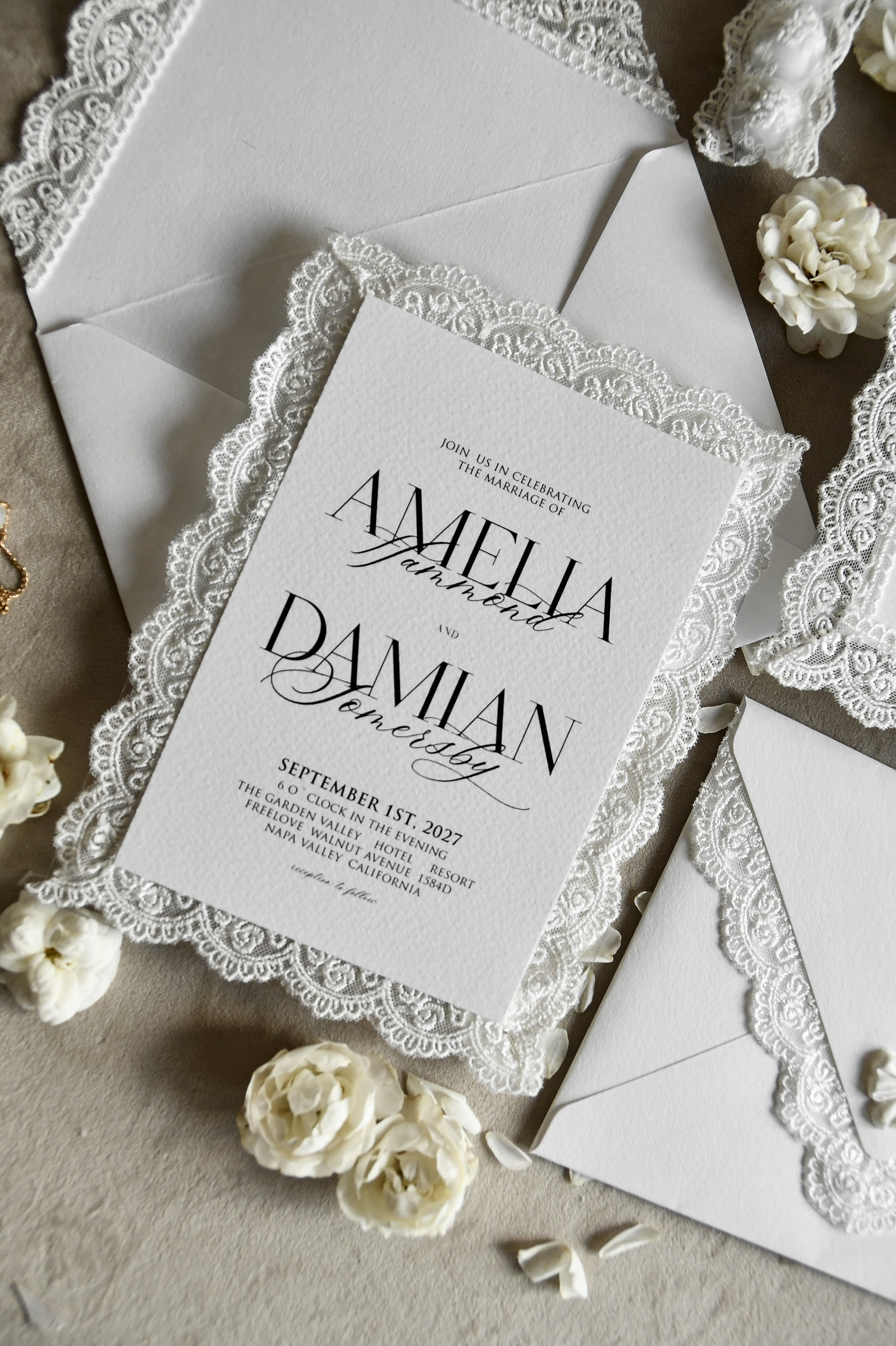
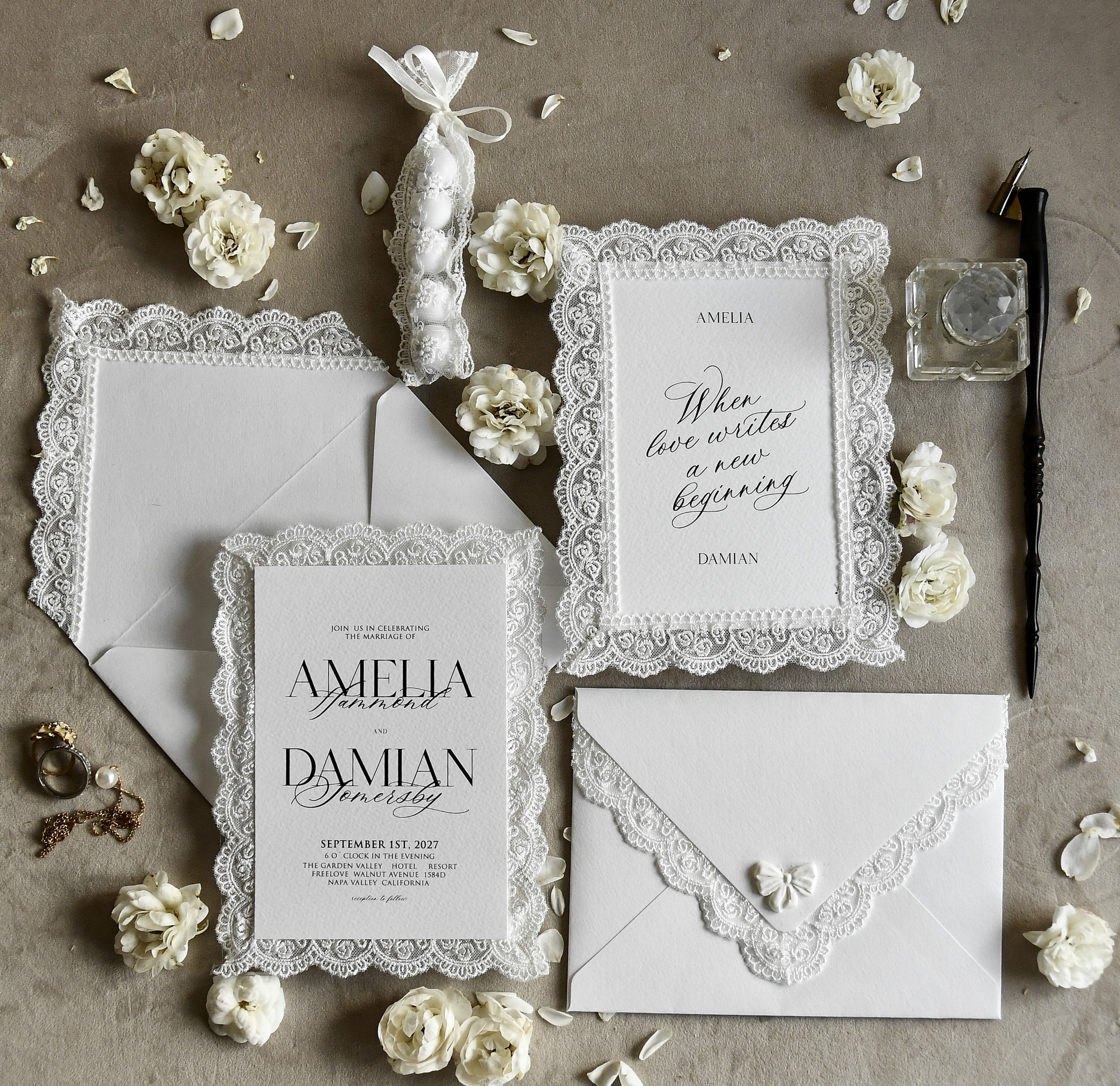
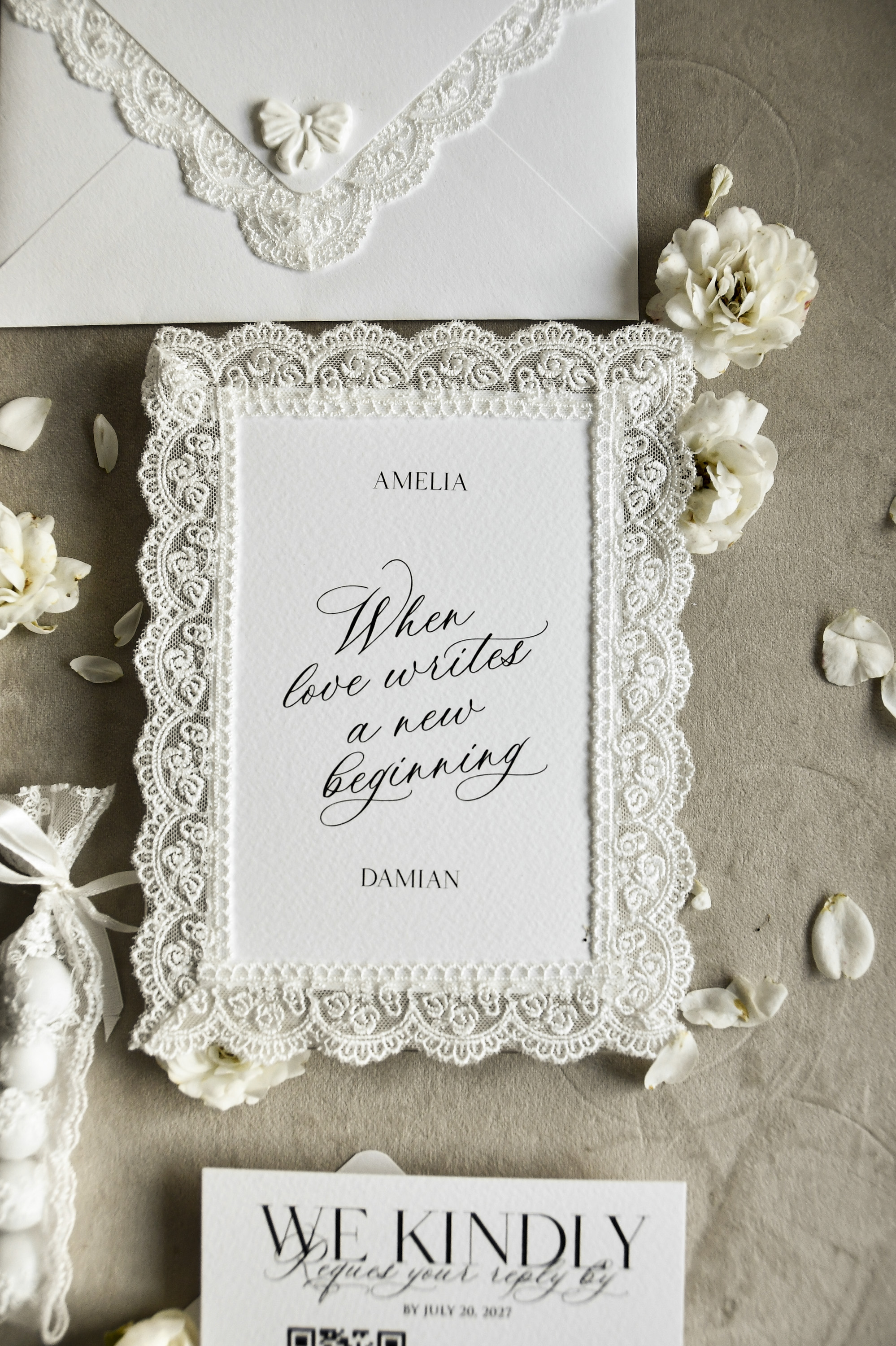
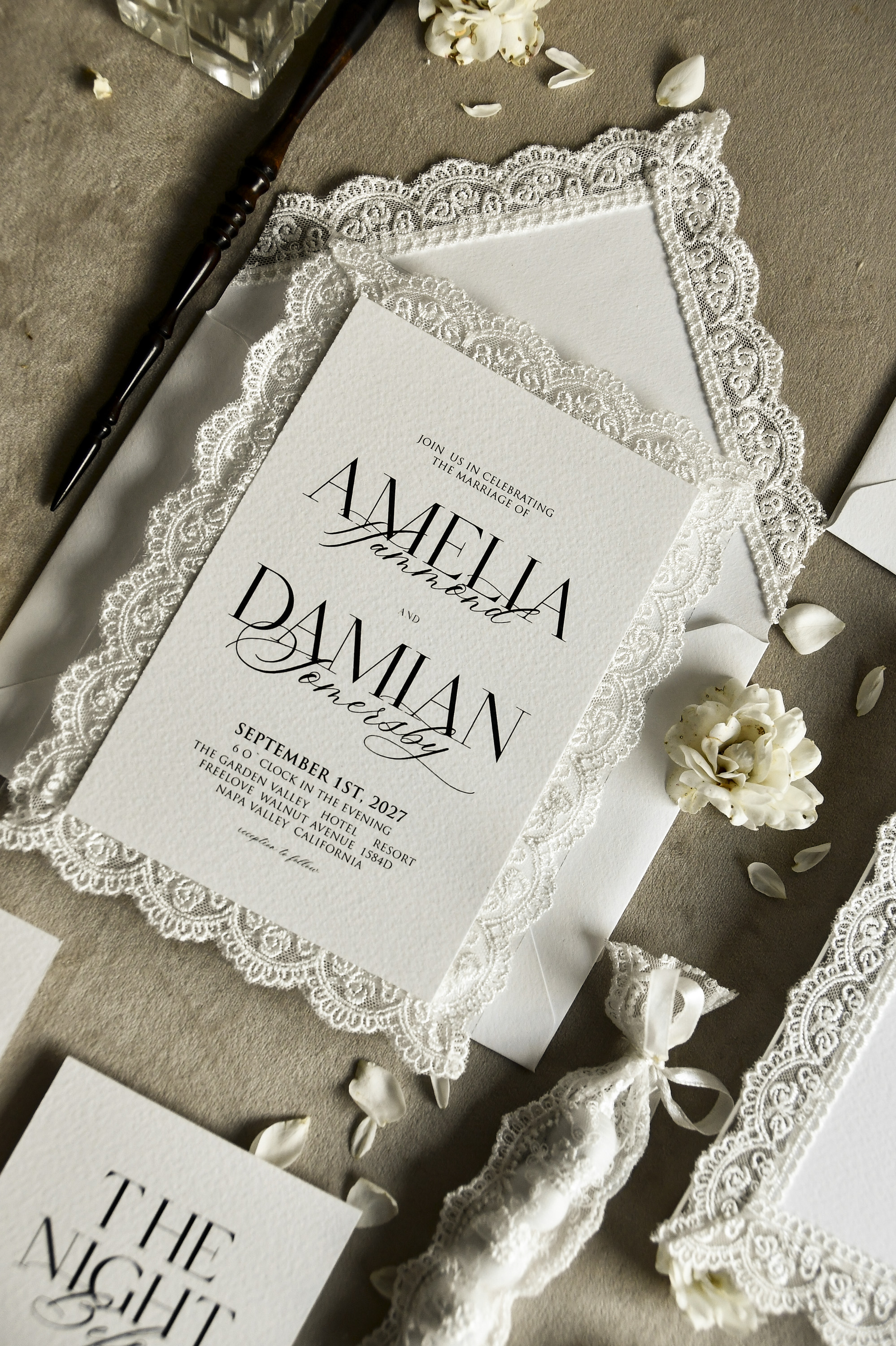
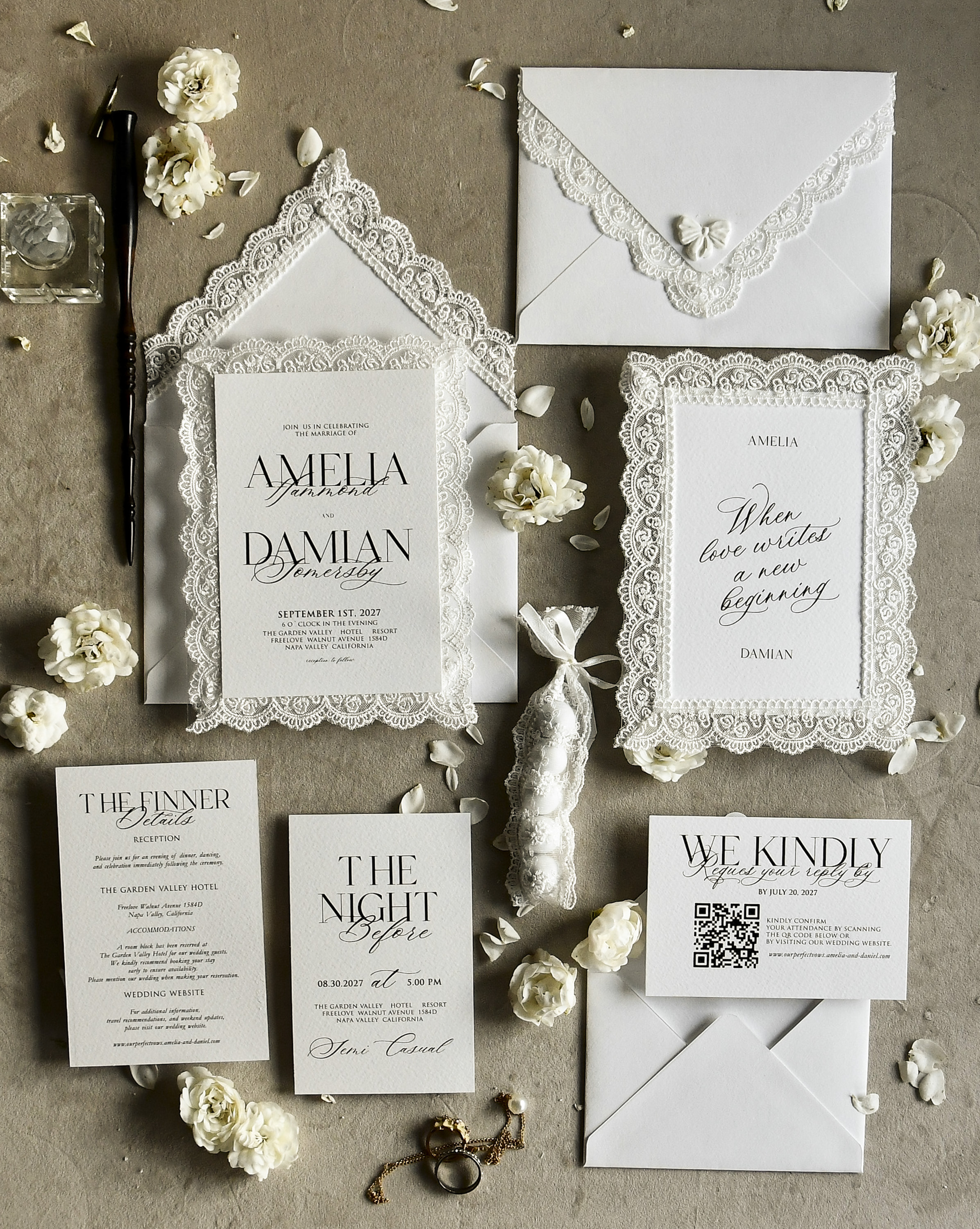
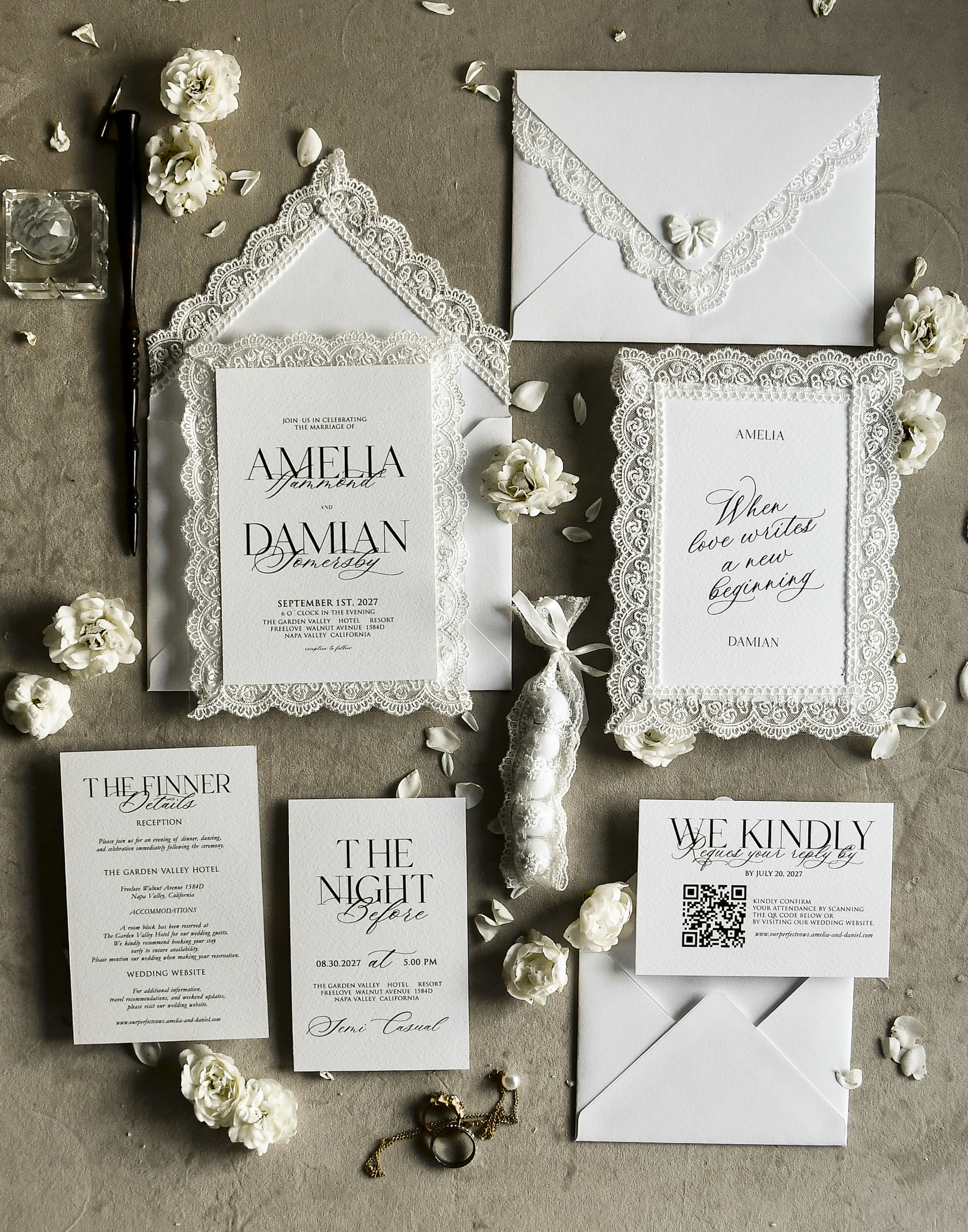
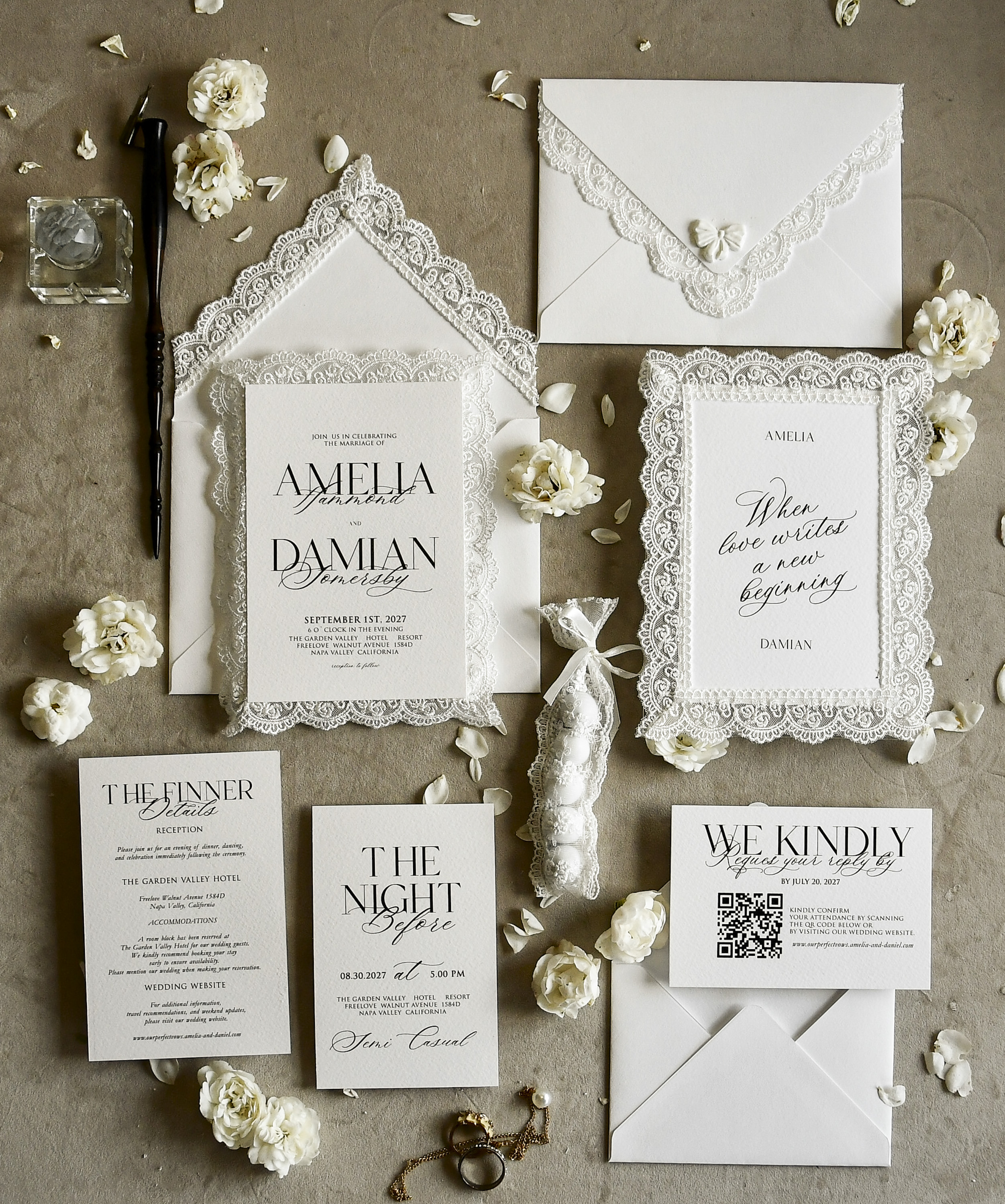
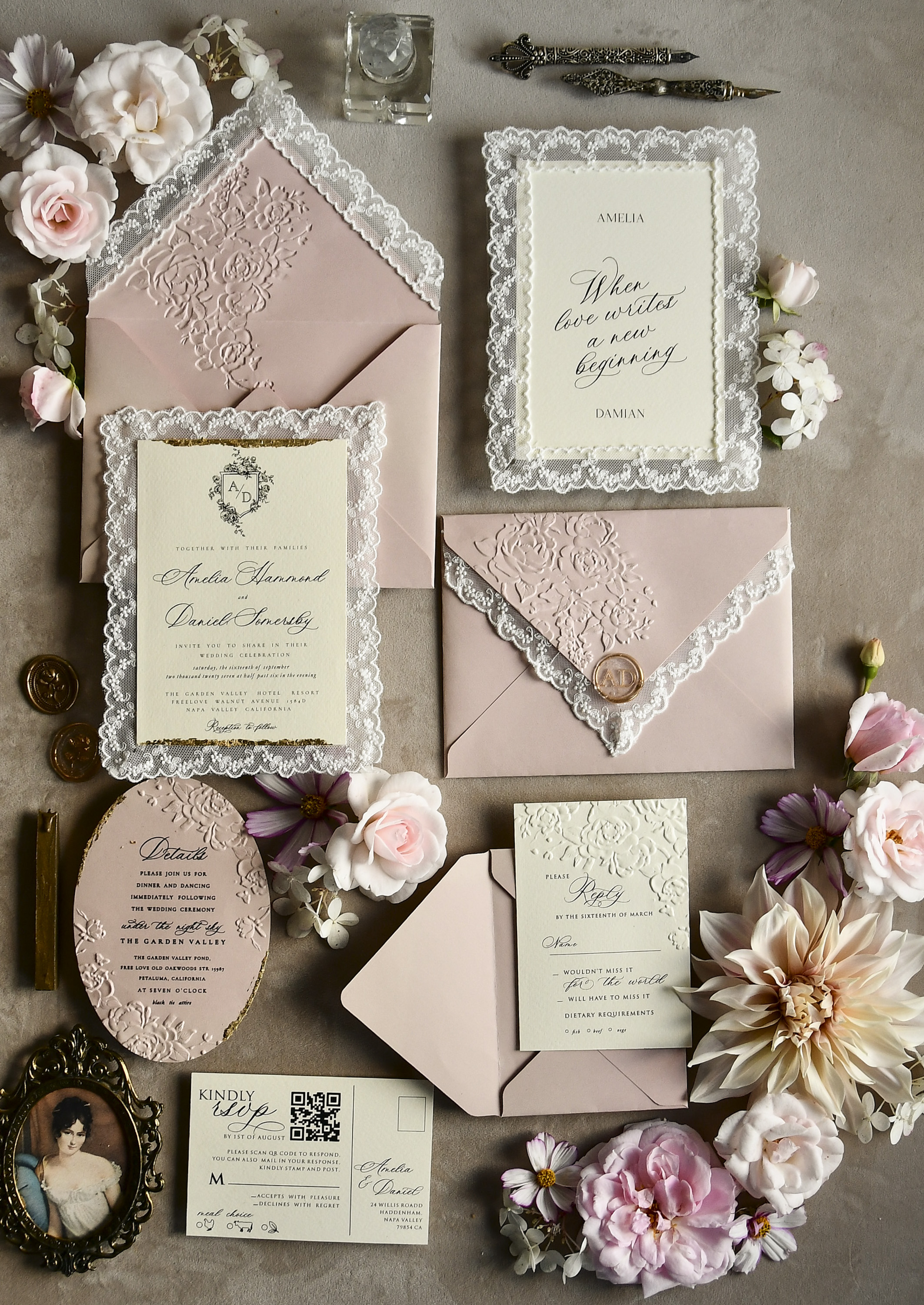
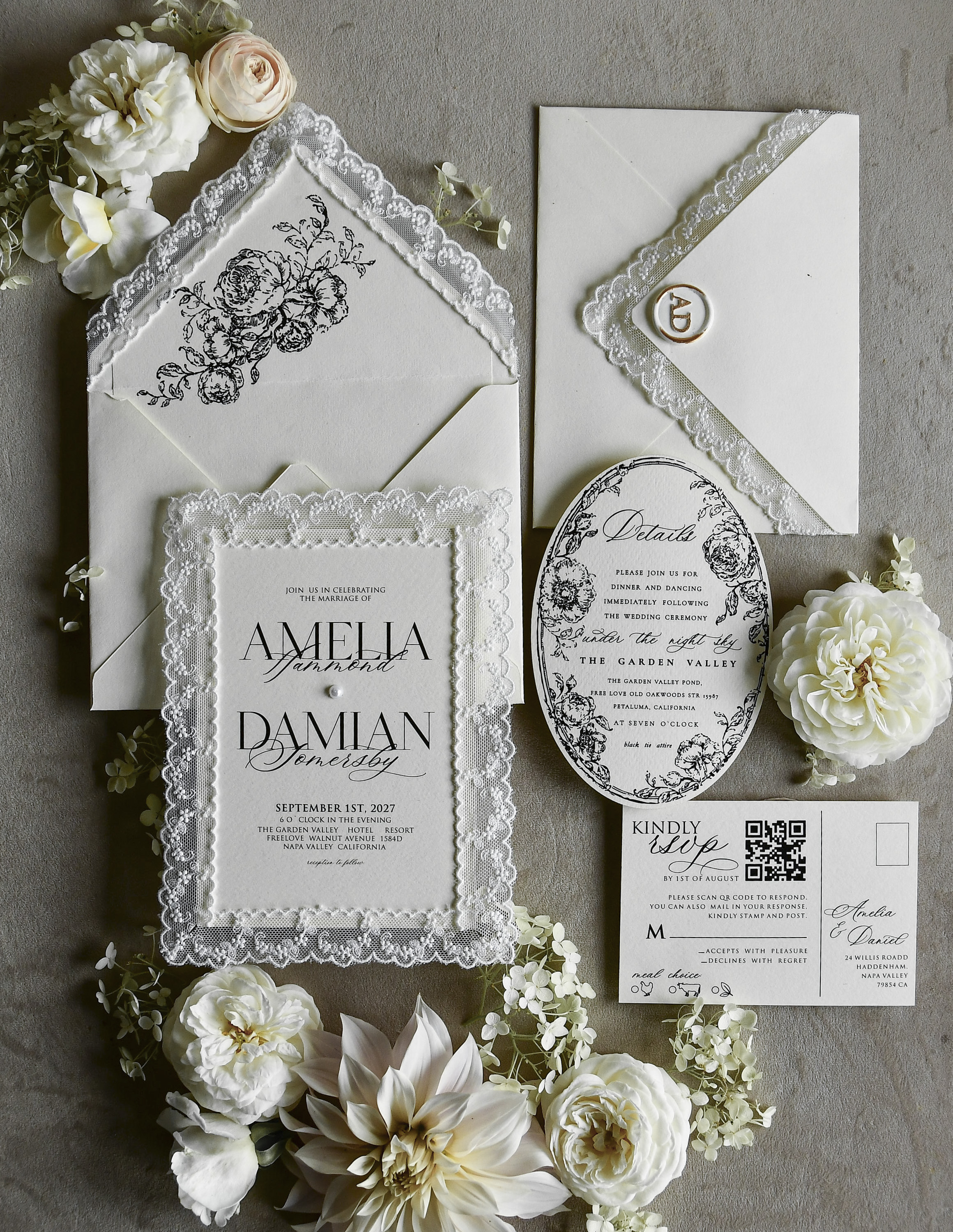
Despite your best efforts, sometimes someone learns they weren't invited without any warning — through social media, a mutual friend, or spotting your beautifully designed invitations (like our vintage-inspired 08/laceD/z wedding invitations) at a mutual friend's home. If this happens, reach out directly and quickly. Don't wait for them to come to you.
A simple message goes a long way: "I heard you found out about our wedding and I'm sorry I didn't speak with you sooner. I should have reached out before invitations went out. Our guest list was very limited, and I value our relationship enough to want to explain that directly."
You may not be able to undo the hurt, but owning the oversight with sincerity can preserve the relationship long-term.
Keeping the Guest List Consistent (And Why It Protects You)
One of the best ways to avoid painful conversations is to establish clear, consistent guest-list rules from the start. Common frameworks include:
- Immediate family only on both sides
- No coworkers (or coworkers only if you socialize outside of work)
- No plus-ones for guests who aren't in long-term relationships
- Children-free reception
When you have a rule, you have a reason — and that reason isn't personal. "We're not inviting any coworkers" is much easier to say than "we didn't include you specifically." Designing your guest list around consistent criteria also makes it easier to stay firm when someone lobbies for an exception.
Once your list is finalized and your rules are set, sending your invitations — whether that's a classic design or something as romantic and textured as the 08/laceD/z lace collection starting at $8.50 — becomes a celebration rather than a source of stress.
Frequently Asked Questions
Yes, whenever possible. If you know someone is expecting an invitation, a brief, kind conversation before invitations are mailed prevents them from being blindsided. It shows respect for the relationship even when the news is disappointing.
Be honest. Saying "We're keeping the wedding very small and I'm so sorry you won't be there" is far better than a vague non-answer that gives false hope. Honesty, delivered kindly, is always the right call.
No — a brief, general explanation is courteous, but you don't owe anyone a detailed breakdown. Citing venue size or an intimate family-only format is sufficient. Avoid over-explaining, which can come across as defensive.
Hold your ground kindly but firmly. You can say, "I understand this is important to you, and I've given it real thought, but we need to stick to our guest list as planned." Changing your list under pressure sets a difficult precedent for the rest of your planning.
Yes, this is a widely accepted option, especially for larger social circles. Be upfront about it — "We're having a small ceremony but would love for you to join us at the reception" — so the distinction doesn't feel like a consolation prize.
Reach out promptly and privately. Explain that there may have been a miscommunication and that you're unable to accommodate additional guests. Be warm but clear — the longer you wait, the harder the conversation becomes.
See This Design Up Close
You May Also Like
More Wedding Planning Guides
- → Chasing Down Missing RSVPs: When and How to Follow Up With Guests
- → Divorced Parents at Your Wedding: Who Sits Where (and How to Keep the Peace)
- → He Said No to Your Family on the Guest List: How to Handle It
- → The Plus-One Question: How to Handle Teenage Guests at Your Wedding
- → Mom's Must-Invite List vs. Your Vision: How to Find the Middle Ground
- → The Cousin Dilemma: How to Handle Extended Family on Your Guest List
- → RSVP 'Yes' With a No-Show: How to Protect Your Day and Your Relationships
- → Your Ex, Your Wedding, Your Call: A Clear-Headed Guide to the Decision
- → Ditch the Return Envelope? How Online RSVPs Fit Into Modern Wedding Invitations
- → Wedding Invitation Deadlines: What 'Too Late' Actually Means
- → Your Guest List, Your Rules: Navigating the Plus-One Decision
- → Who Really Deserves a Plus One at Your Wedding (and Who Doesn't)
- → Uninvited Plus-Ones and Tag-Alongs: How to Keep Your Guest List Intact
- → When Family Feuds Threaten Your Wedding Plans: A Practical Peacekeeper's Guide
- → Inviting an Estranged Brother or Sister: Finding Clarity Before You Seal the Envelope
- → Cousins, Invites, and Hard Choices: A Practical Guest List Guide