
Small Weddings Are More Than Okay — Here's Why They Work
If you've been wondering whether it's truly acceptable to keep your guest list short, the answer is a wholehearted yes. Small weddings — typically defined as 50 guests or fewer — are not a compromise. They're a deliberate, beautiful choice that thousands of couples across the US are making every year. Whether you're drawn to the idea for budget reasons, a preference for intimacy, or simply because a ballroom full of distant acquaintances doesn't sound like you, a small wedding can be just as meaningful — and often far more memorable — than a large one.
What Counts as a Small Wedding?
There's no official rule, but most wedding planners consider anything under 50 guests to be a small or intimate wedding. A micro wedding usually means 20 guests or fewer, while an elopement typically involves just the couple and a couple of witnesses. Each of these formats is completely legitimate, and none of them require an apology or an explanation to anyone.
Small weddings are especially popular among couples who are paying for the celebration themselves, those getting married later in life, second marriages, and couples who simply value depth over breadth in their relationships. If your dream day looks like a candlelit dinner for 30 rather than a reception hall for 200, that vision is worth honoring.
The Real Benefits of Going Intimate
Choosing a smaller guest list comes with some genuinely practical advantages:
- Lower costs across the board. Catering, venue size, florals, and even stationery costs drop significantly when you're hosting fewer people. You can redirect that budget toward a better photographer, a honeymoon upgrade, or simply starting married life without debt.
- More meaningful conversations. At a small wedding, you'll actually get to sit with, talk to, and hug every single person in the room. That rarely happens at a 200-person reception.
- Greater venue flexibility. A restaurant's private dining room, a vineyard patio, a family property — spaces that wouldn't work for a large crowd become ideal for an intimate gathering.
- Less planning stress. Fewer moving parts means fewer things that can go wrong. Coordinating 30 people is simply easier than coordinating 150.
Navigating the Etiquette Around a Small Guest List
The trickiest part of a small wedding is often managing expectations — yours and everyone else's. Here's how to handle it gracefully:
- Be consistent with your reasoning. If you're keeping it to immediate family only, hold that line firmly. Exceptions create hurt feelings.
- Communicate early. Let close friends and extended family know before the invitations go out that you're having an intimate celebration. A brief, warm phone call or personal note goes a long way toward preventing surprises.
- Consider a celebration later. Many couples host a casual backyard party or dinner after the honeymoon so that broader circles of friends can celebrate with them — no gifts expected, no formal attire required.
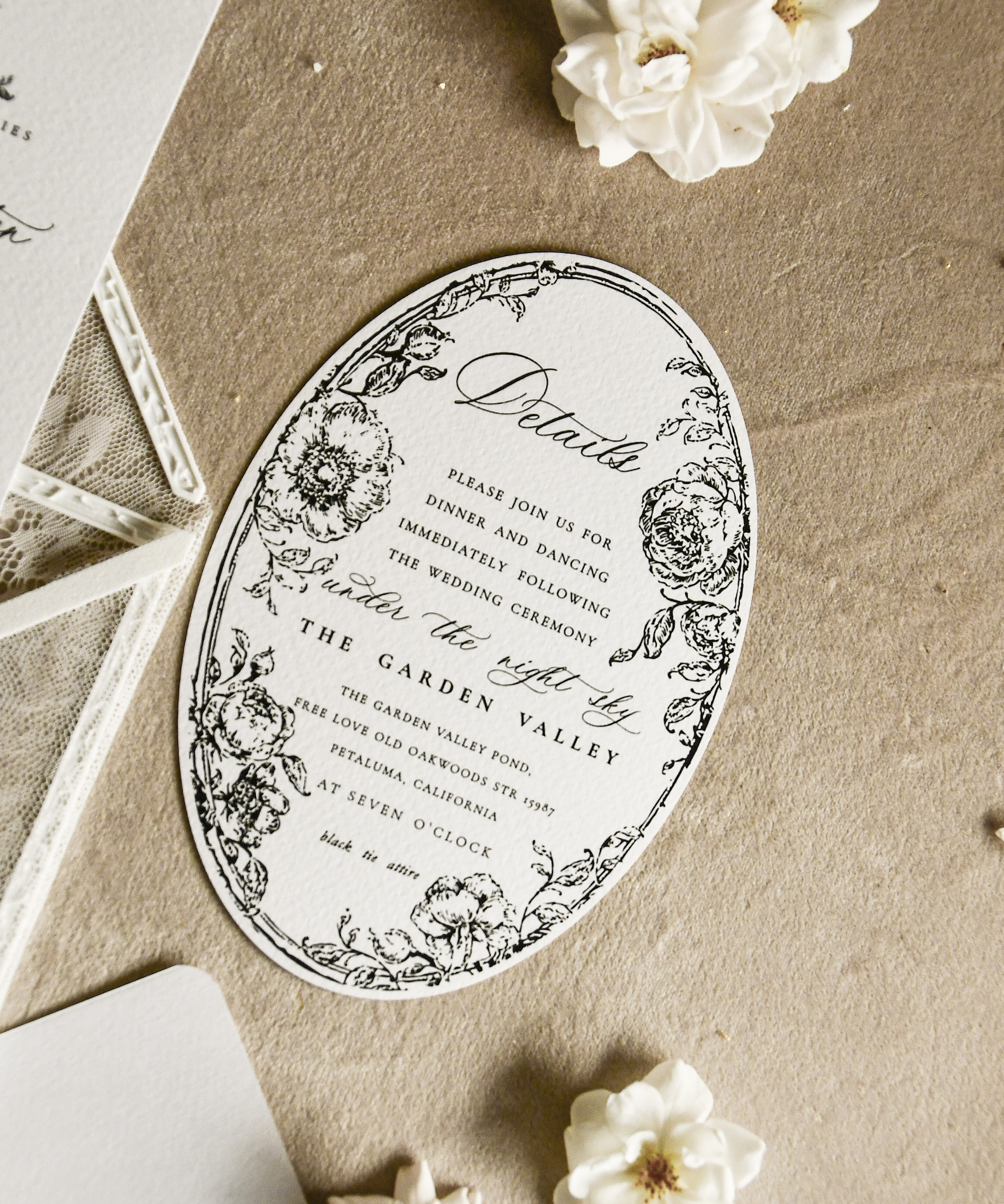
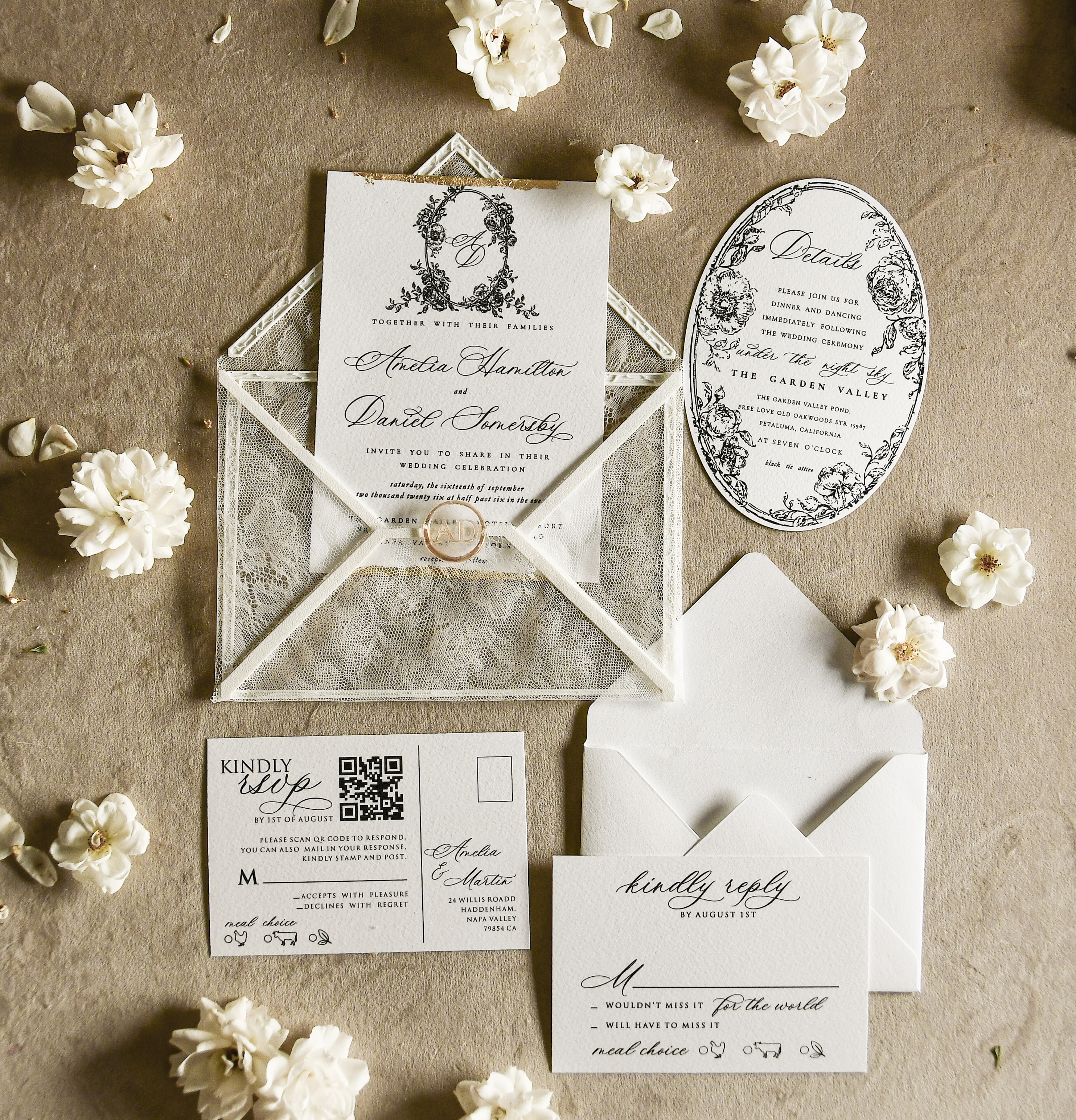
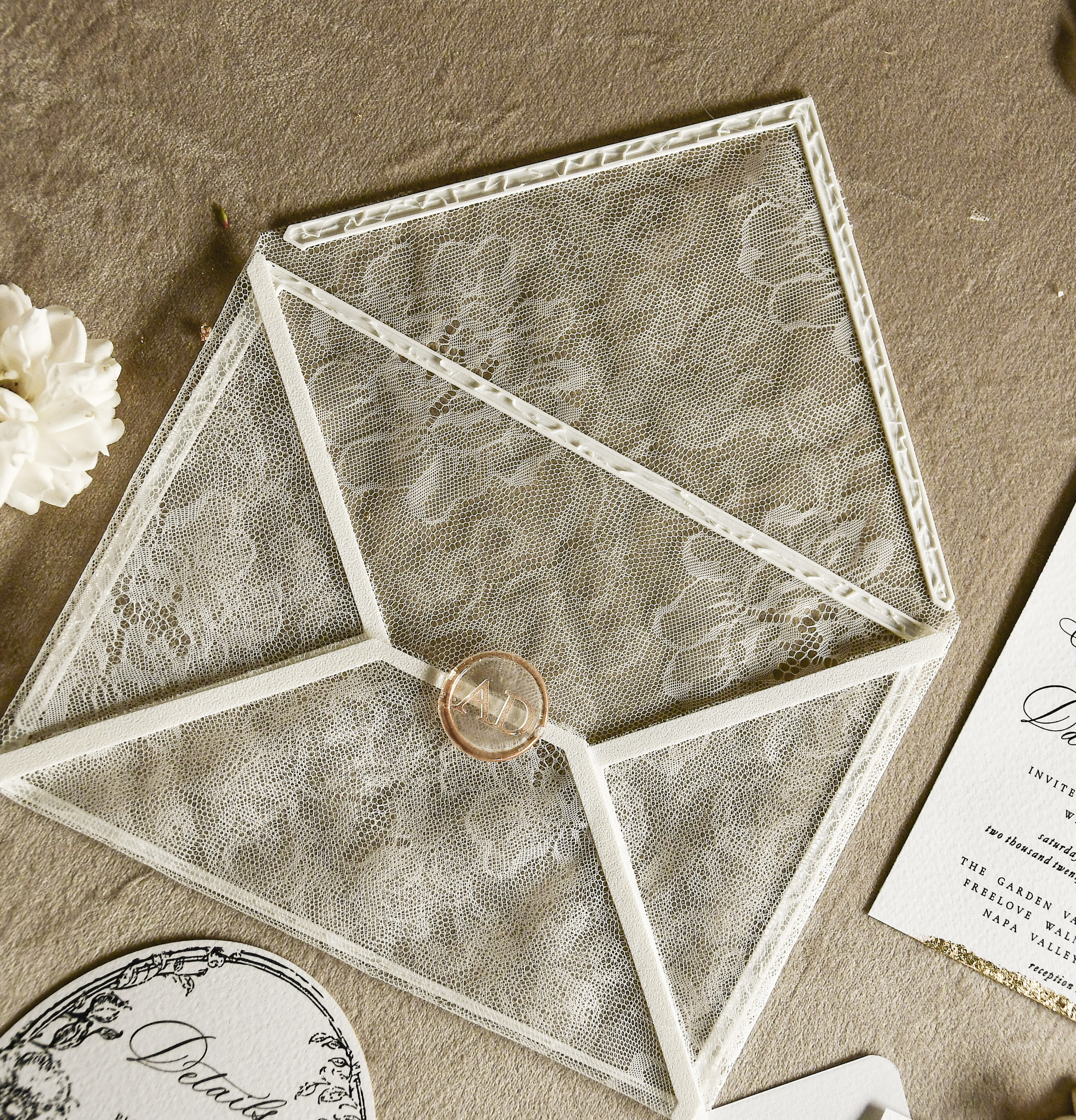
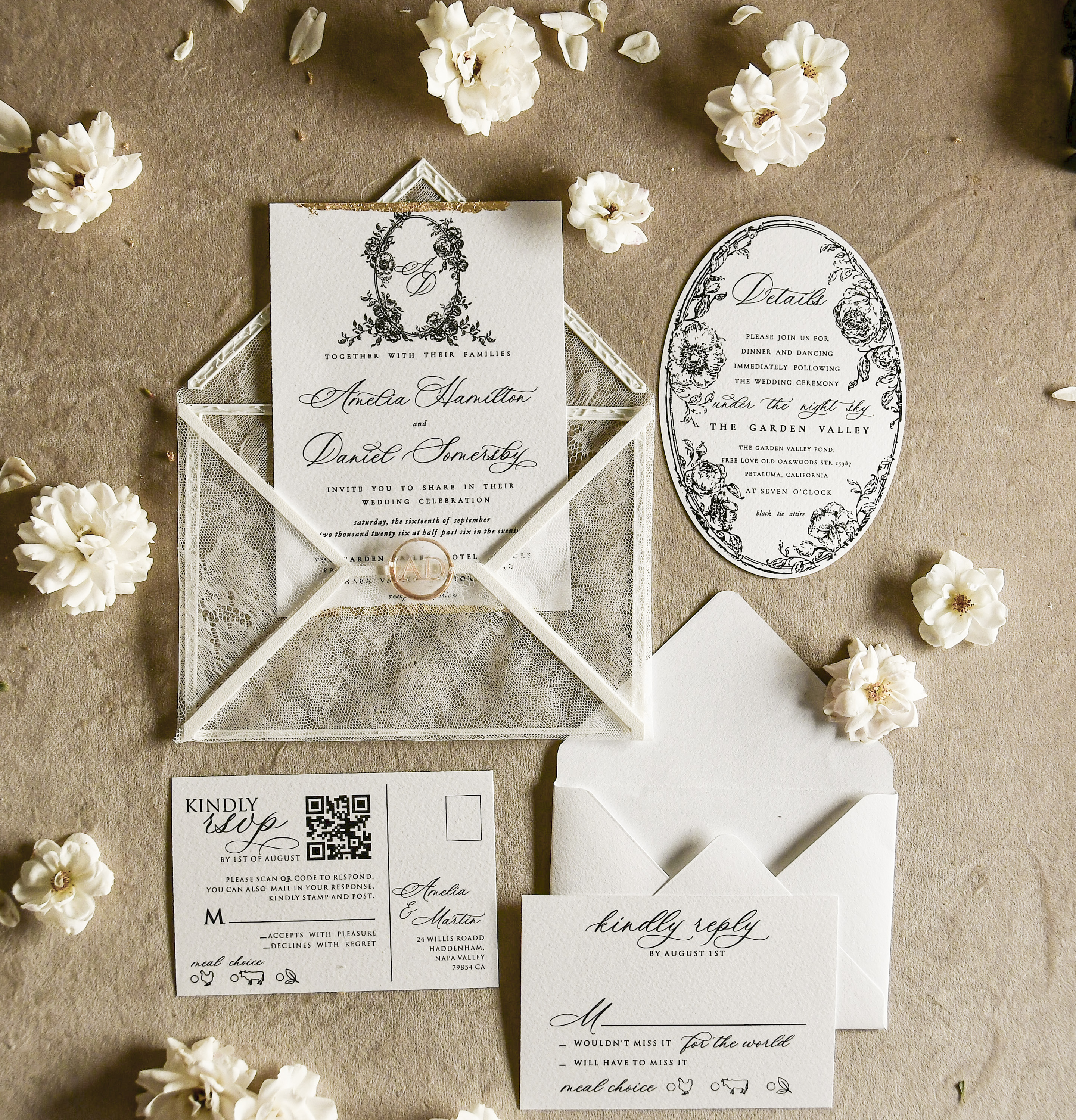
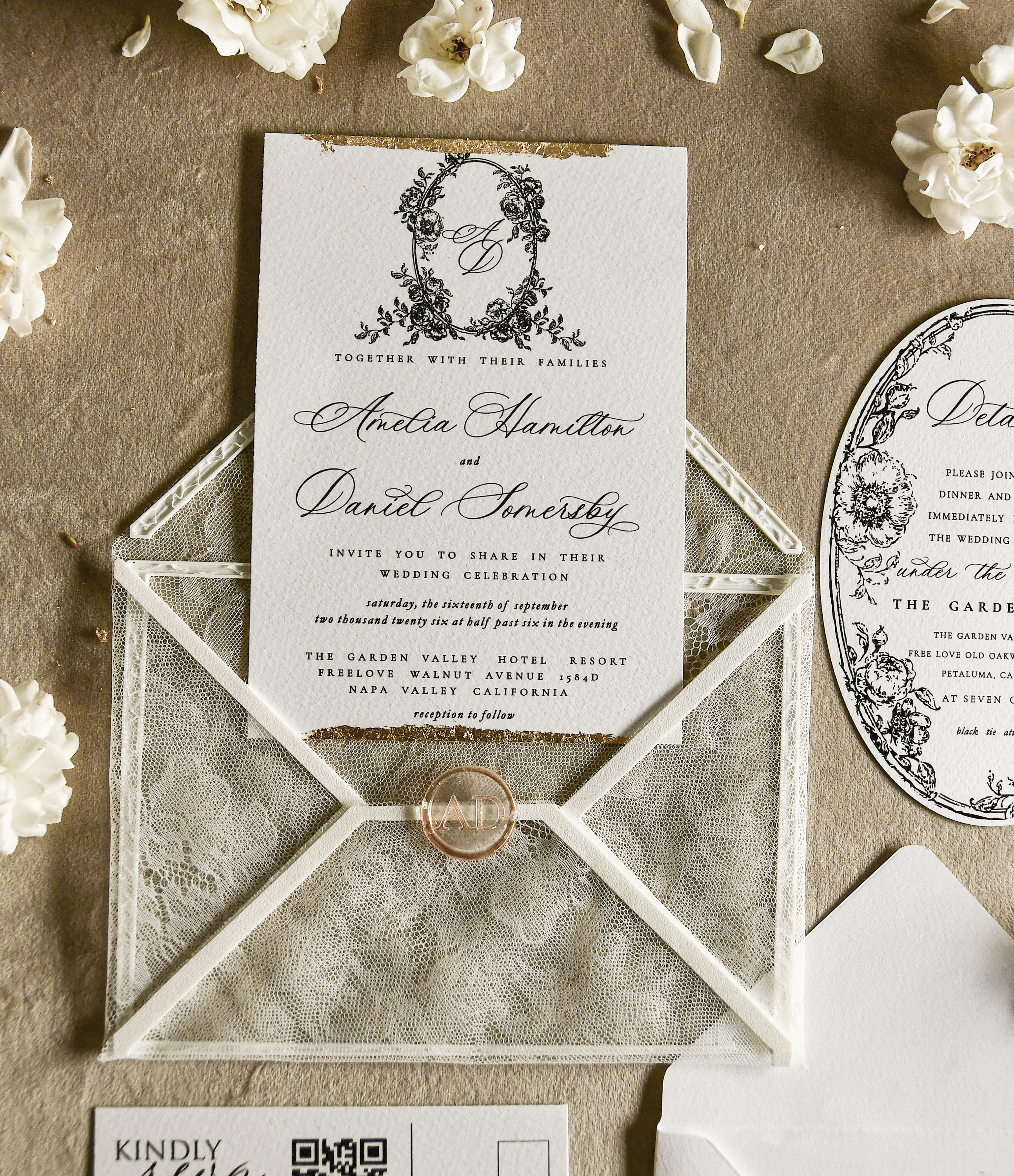
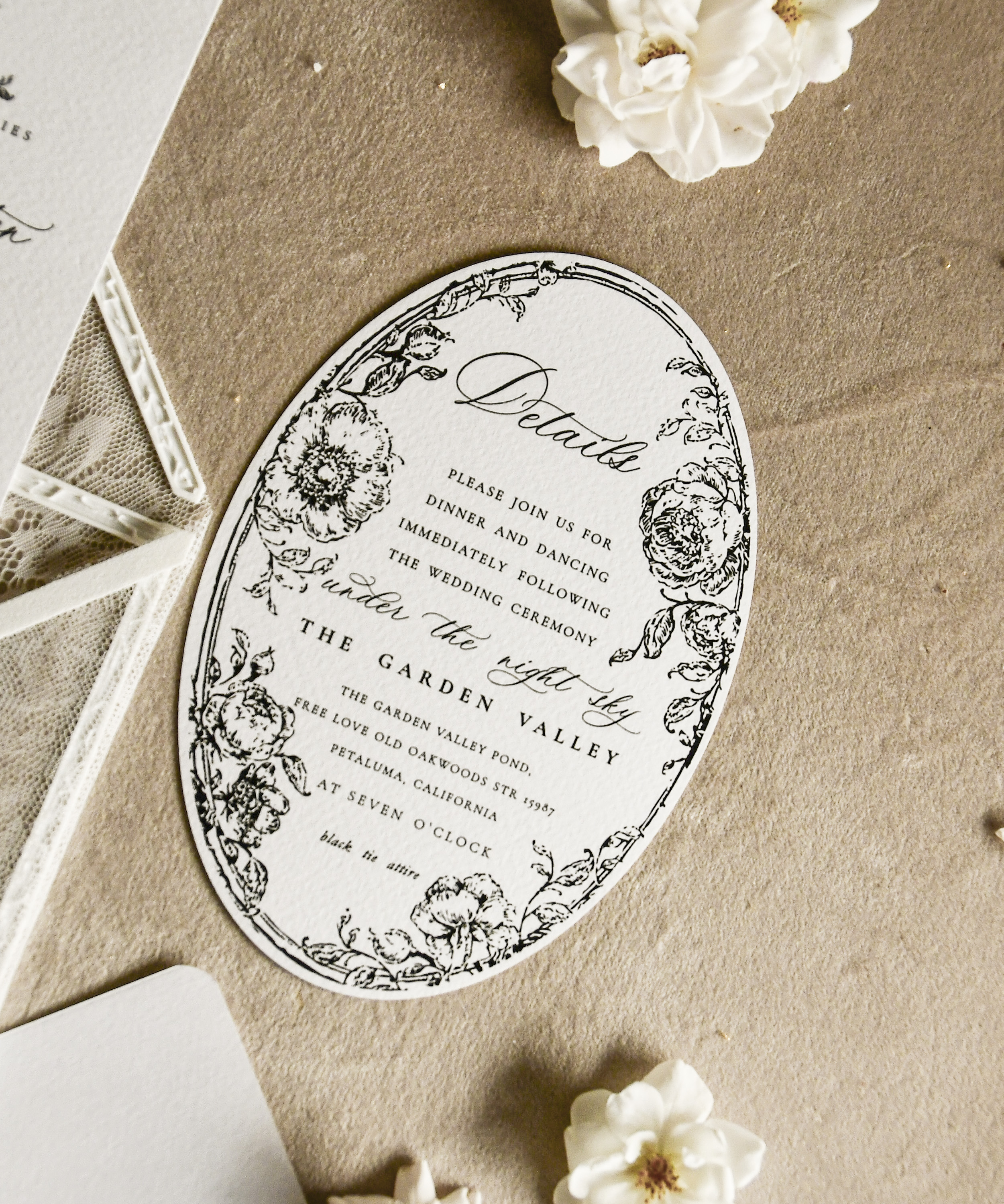
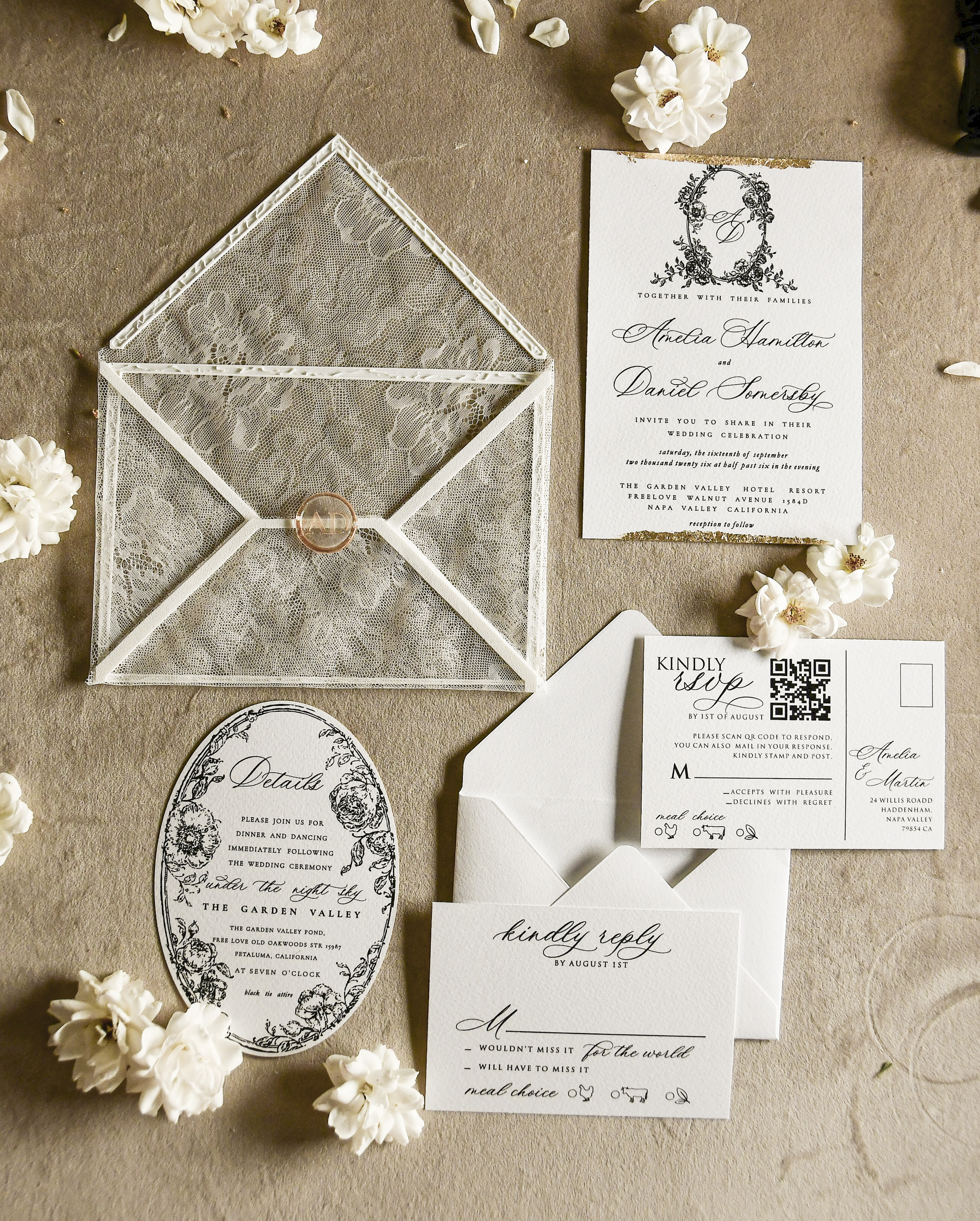
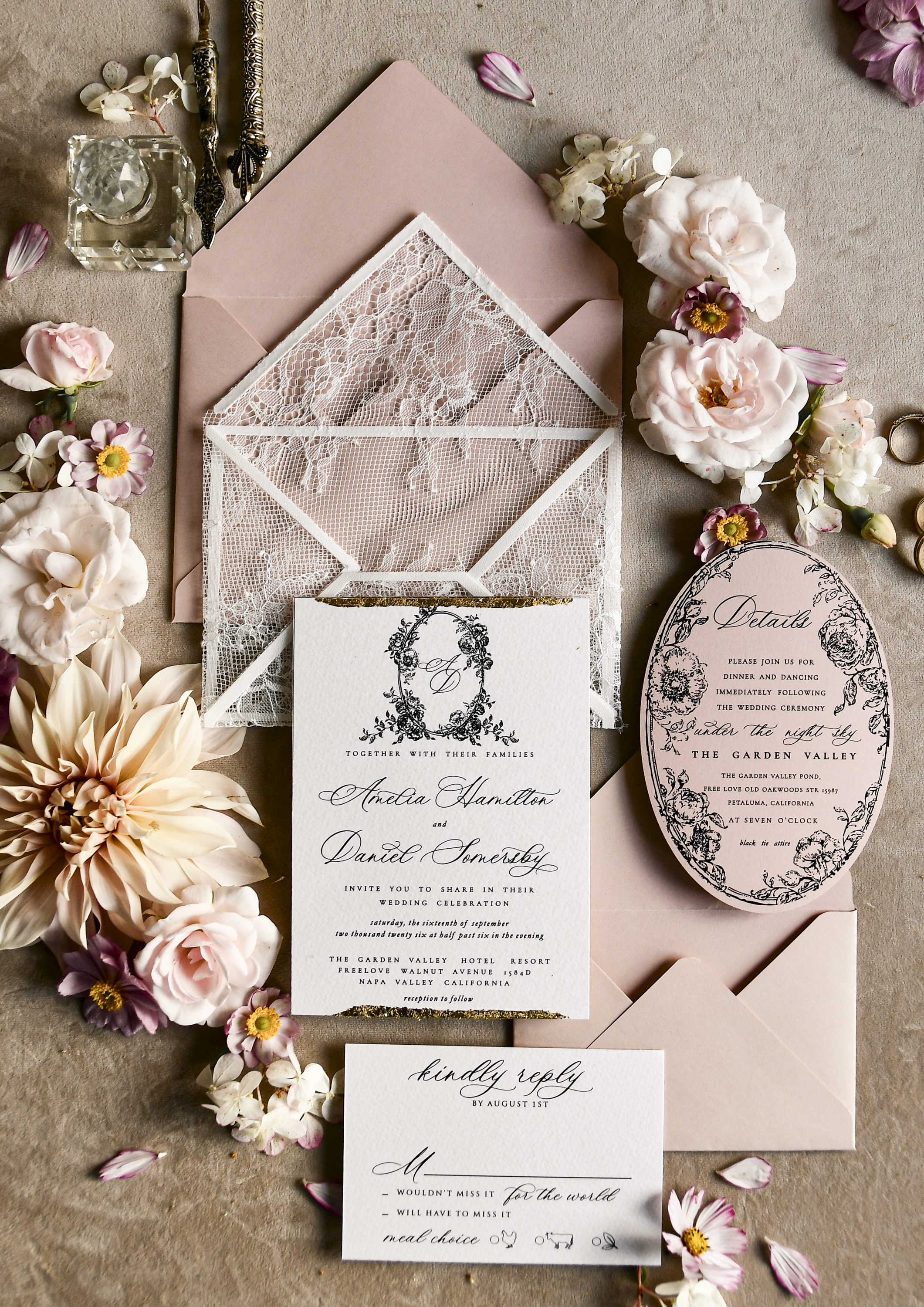
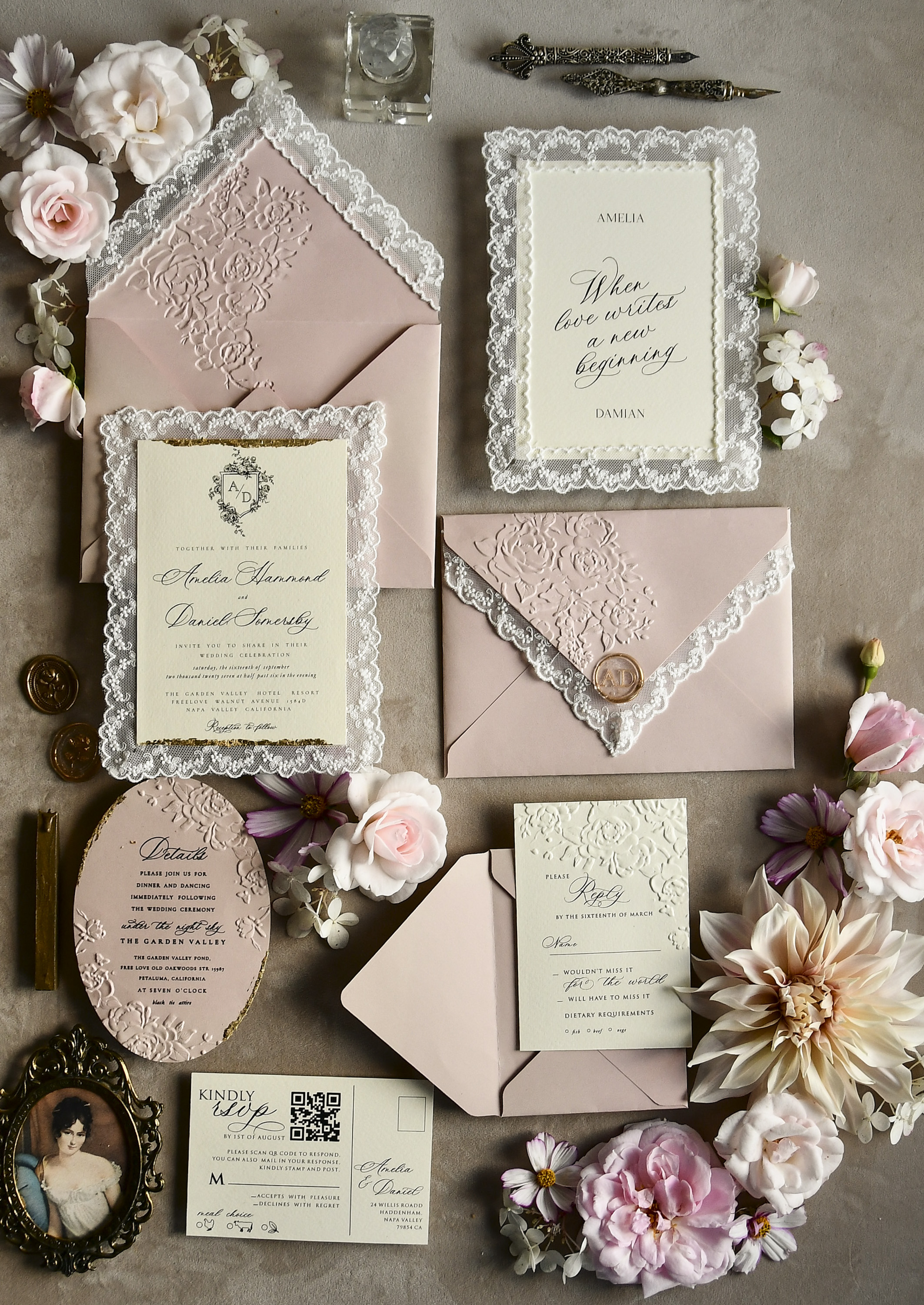
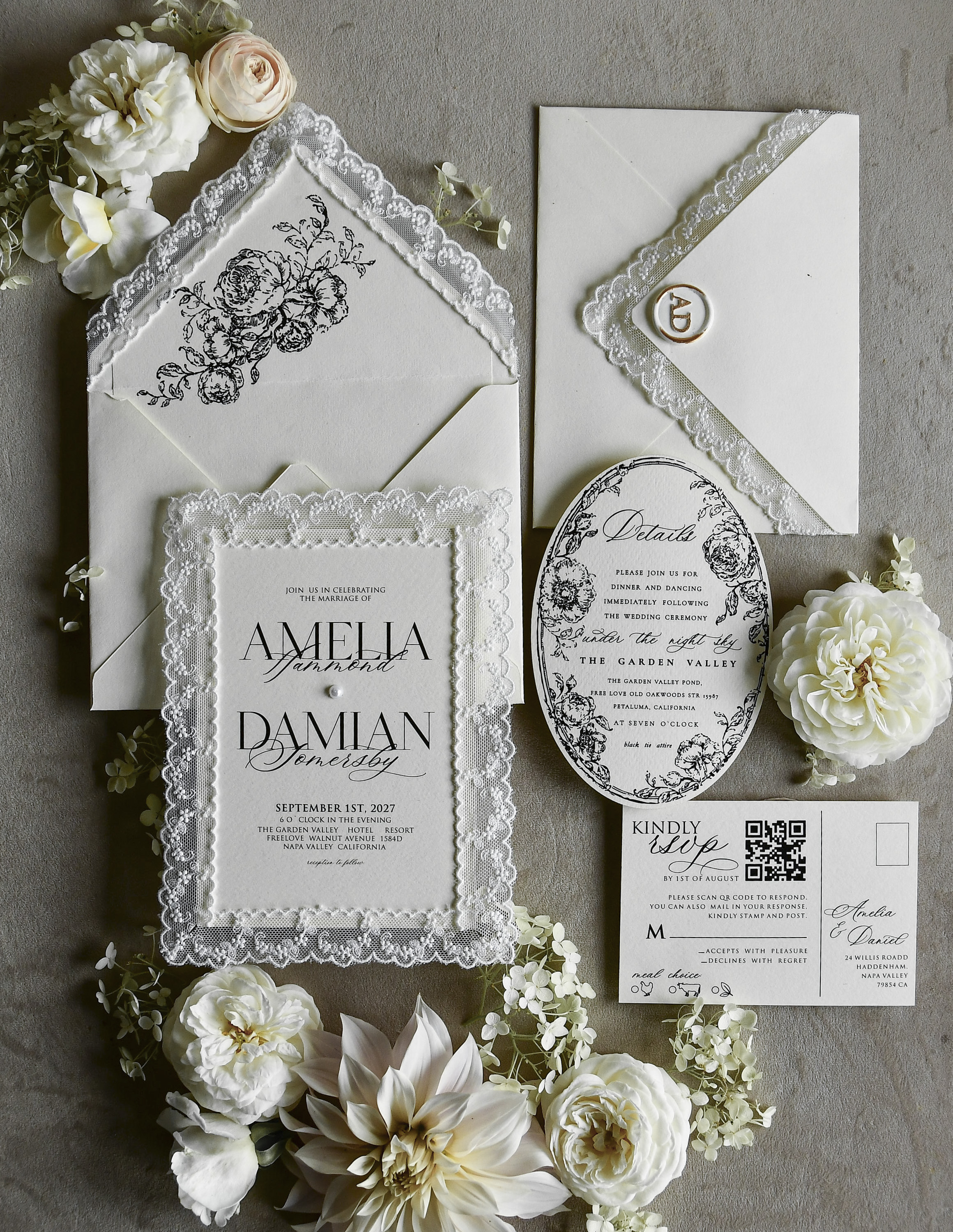
- Don't over-explain on your invitations. Your wedding invitation doesn't need to justify your guest count. A beautifully designed invitation — like the vintage lace style from the 02/lacenvD/z collection, starting at $8.00 — sets a warm, intentional tone without any need for explanation.
Planning Timeline for a Small Wedding
One of the perks of a small wedding is that your planning window can be shorter. Here's a realistic timeline:
- 6–12 months out: Book your venue and photographer. Even small venues book up, especially on Saturdays from May through October.
- 4–6 months out: Finalize your guest list and order your invitations. For an intimate celebration, the stationery sets the mood — a delicate, rustic lace design signals warmth and intention from the moment guests open the envelope.
- 2–3 months out: Send invitations. For a small wedding, 6–8 weeks of notice is generally sufficient, though 10–12 weeks is better if guests need to travel.
- 1 month out: Confirm catering, finalize the ceremony details, and follow up on RSVPs.
The entire process is more manageable, and you'll likely feel far less overwhelmed than friends who are juggling vendors for a 200-person event.
Making a Small Wedding Feel Special and Complete
A small wedding should never feel like something is missing — and with the right details, it won't. Invest in the elements that matter most to you: exceptional food, a meaningful ceremony, beautiful flowers for the table, and stationery that reflects your aesthetic. When your guest count is low, every detail gets noticed and appreciated.
Think about the atmosphere you want to create. Long family-style dinner tables, personalized place cards, a heartfelt ceremony script, and a playlist that actually reflects you as a couple — these touches mean infinitely more to 30 people who love you than they would to a crowd of 200. A small wedding isn't a lesser wedding. It's a more intentional one.
Frequently Asked Questions
Most wedding professionals consider 50 guests or fewer to be a small or intimate wedding. Micro weddings typically have 20 or fewer guests, and elopements usually involve just the couple and witnesses.
It's not rude as long as you're consistent and communicate kindly. Let extended family know ahead of time that you're keeping the celebration intimate, and consider hosting a casual get-together after the wedding so they can still celebrate with you.
Yes — even for a small guest list, mailed invitations are the proper way to formally invite guests and convey the tone of your celebration. They also give guests all the logistical details in one place and serve as a keepsake.
Absolutely. Saturday weddings are popular regardless of size, so book your venue early — even intimate venues fill their Saturday dates quickly, especially during peak wedding season from May through October.
A brief, personal message works best: let them know you're having a very small ceremony limited to immediate family or a specific close circle. Most people understand and appreciate being told directly rather than simply not receiving an invitation.
Gift-giving etiquette is the same regardless of wedding size — guests who are invited to the wedding typically give a gift. If you host a post-wedding celebration party for a wider circle, it's courteous to note that gifts are not expected for that informal event.
See This Design Up Close
You May Also Like
More Wedding Planning Guides
- → The Exact Number of Wedding Invitations to Order (Without Running Short or Wasting Money)
- → Navigating Plus-Ones for Teen Guests at Your Wedding
- → How to Handle Plus-One Requests Without the Guilt
- → Keeping the Peace: How to Navigate Family Conflicts in the Weeks Before Your Wedding
- → Uninvited Plus-Ones: How to Handle Guests Who Show Up With Extra People
- → Uninvited Plus-Ones and Tag-Alongs: How to Keep Your Guest List Intact
- → When Family Feuds Threaten Your Wedding Plans: A Practical Peacekeeper's Guide
- → Inviting an Estranged Brother or Sister: Finding Clarity Before You Seal the Envelope
- → Cousins, Invites, and Hard Choices: A Practical Guest List Guide