
Navigating Plus-Ones for Teen Guests at Your Wedding
When you're finalizing your guest list, teenagers tend to fall into an awkward gray zone. They're not little kids who need a parent nearby at all times, but they're not quite independent adults either. Do they get a plus-one? The honest answer is: it depends — and a few key factors will help you make the right call for your wedding, your budget, and your family relationships.
The General Etiquette Rule for Teen Plus-Ones
Traditional wedding etiquette does not require you to give teenagers a plus-one. Plus-ones are typically extended to adults in committed relationships — engaged, married, or long-term partners. A 16-year-old who has been casually dating someone for two months doesn't fall into that category by any standard etiquette measure.
That said, etiquette is a starting point, not a hard law. Your personal relationships, venue capacity, and budget all matter just as much. Use the standard rule as your baseline, then adjust from there.
When It Does Make Sense to Offer a Teen a Plus-One
There are real situations where extending a plus-one to a teenager is the kind, practical thing to do:
- They won't know anyone else there. If a teenage cousin is flying in from out of state and will be surrounded entirely by adults, allowing them to bring a close friend makes the event more enjoyable for everyone — including you.
- They're in a serious, long-term relationship. A 17 or 18-year-old who has been with a partner for a year or more deserves the same consideration you'd give an adult in a similar relationship.
- They're older teens (17–19). The closer they are to adulthood, the more socially awkward it becomes to exclude a partner. Use your judgment.
- Their parents are in the wedding party. If mom or dad is a bridesmaid or groomsman and will be occupied most of the evening, a teen left to fend for themselves may feel stranded.
When You Can Comfortably Say No
Most of the time, it's completely acceptable — and expected — to not offer teen guests a plus-one. Here are situations where skipping it makes total sense:
- The teenager will be attending with their own family and will have siblings, cousins, or other young relatives to spend time with.
- Your wedding is intimate or venue capacity is genuinely limited.
- The teen is 13–15 and the relationship is casual or very new.
- You're keeping the event strictly adults-only or limiting plus-ones across the board.
Consistency is your best friend here. If you're not giving plus-ones to single adult coworkers, you certainly don't need to give them to teenage family friends.
How to Address Invitations for Teen Guests
How you word and address the invitation does a lot of the heavy lifting. When you address an envelope to a family, list only the names you're inviting. If the teenager is included but not their potential date, address it to "The Johnson Family" or list names individually: "Mr. and Mrs. Johnson and Emma." This signals clearly who is invited without requiring an awkward conversation.
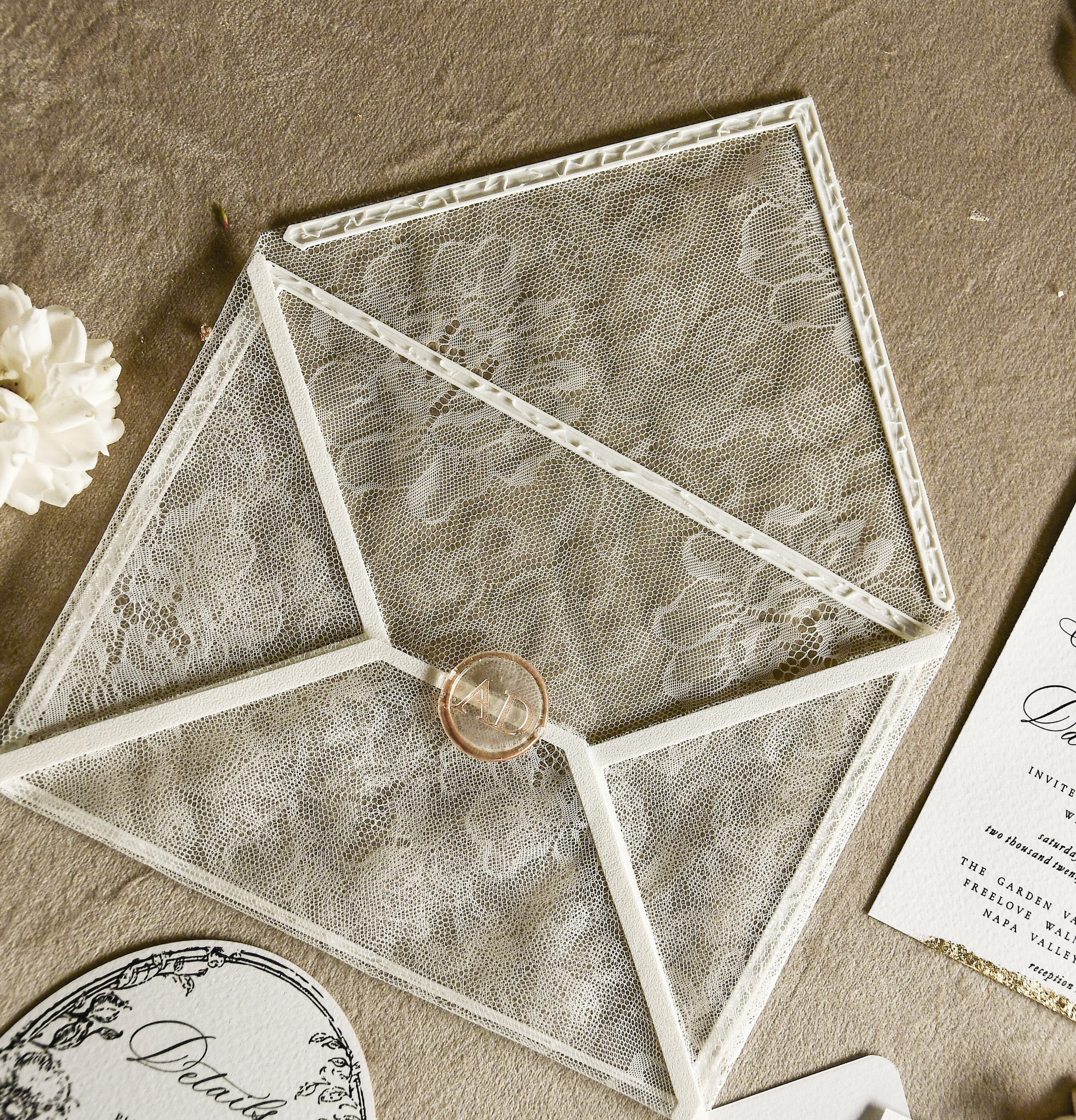
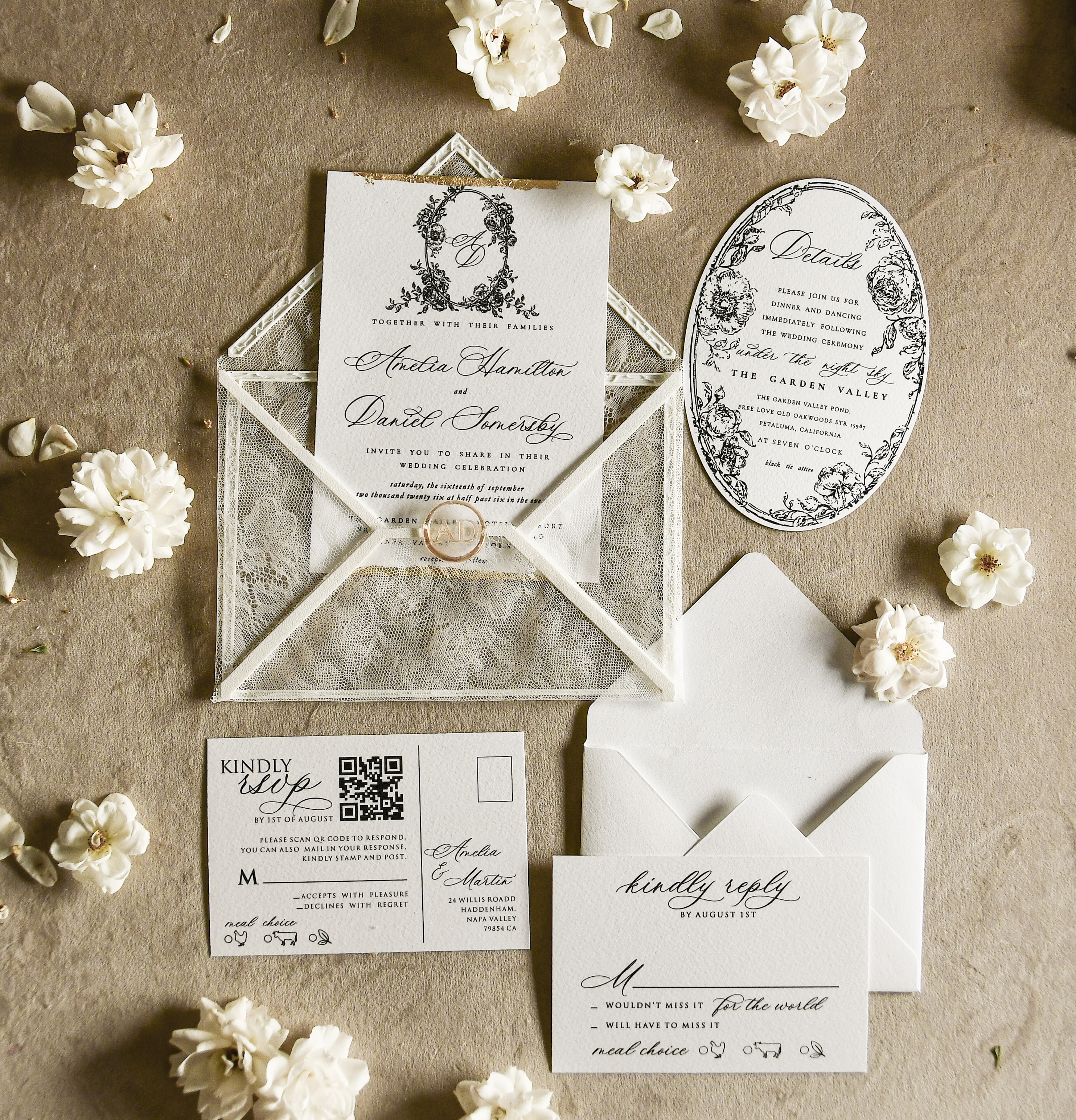
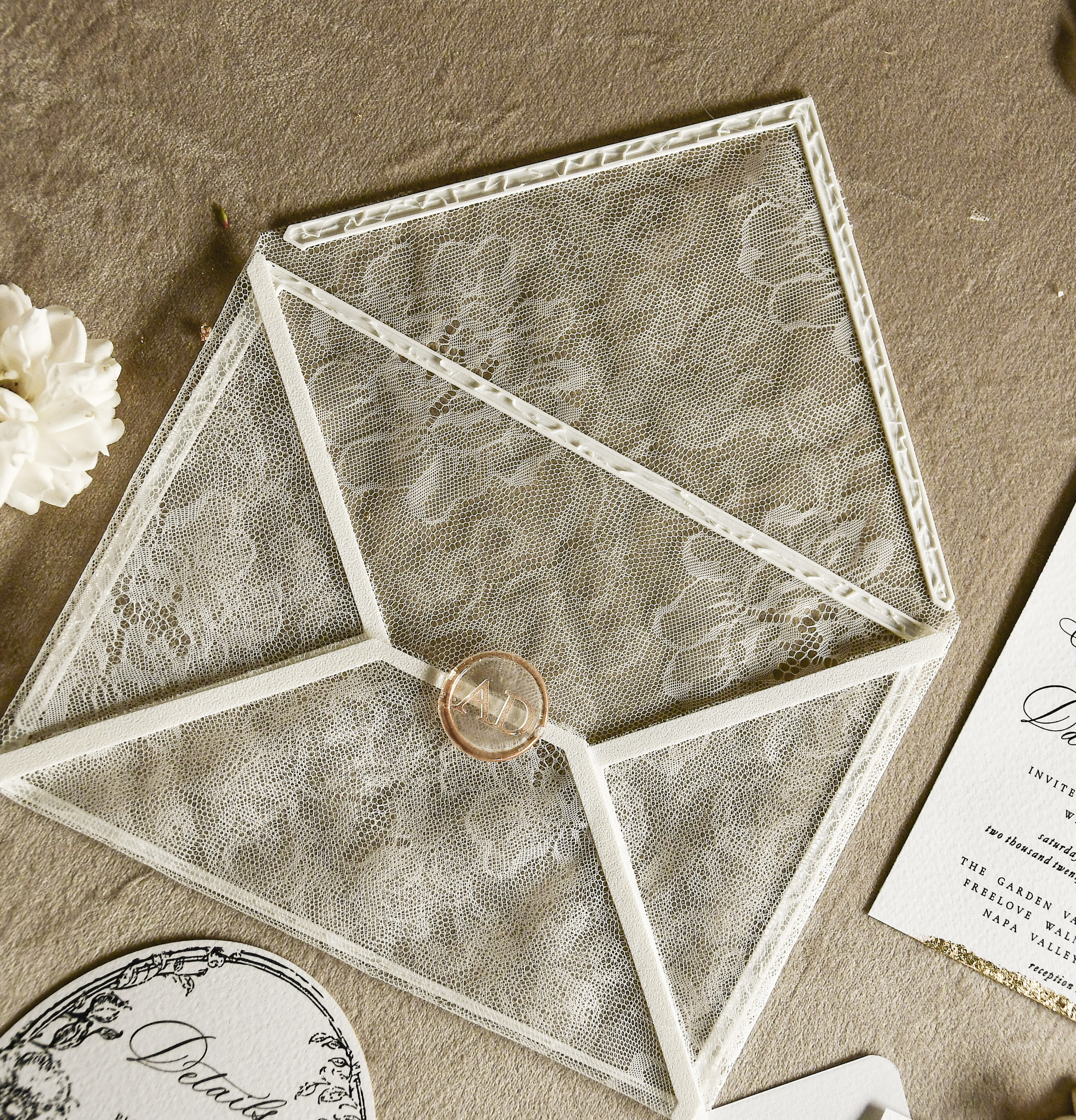
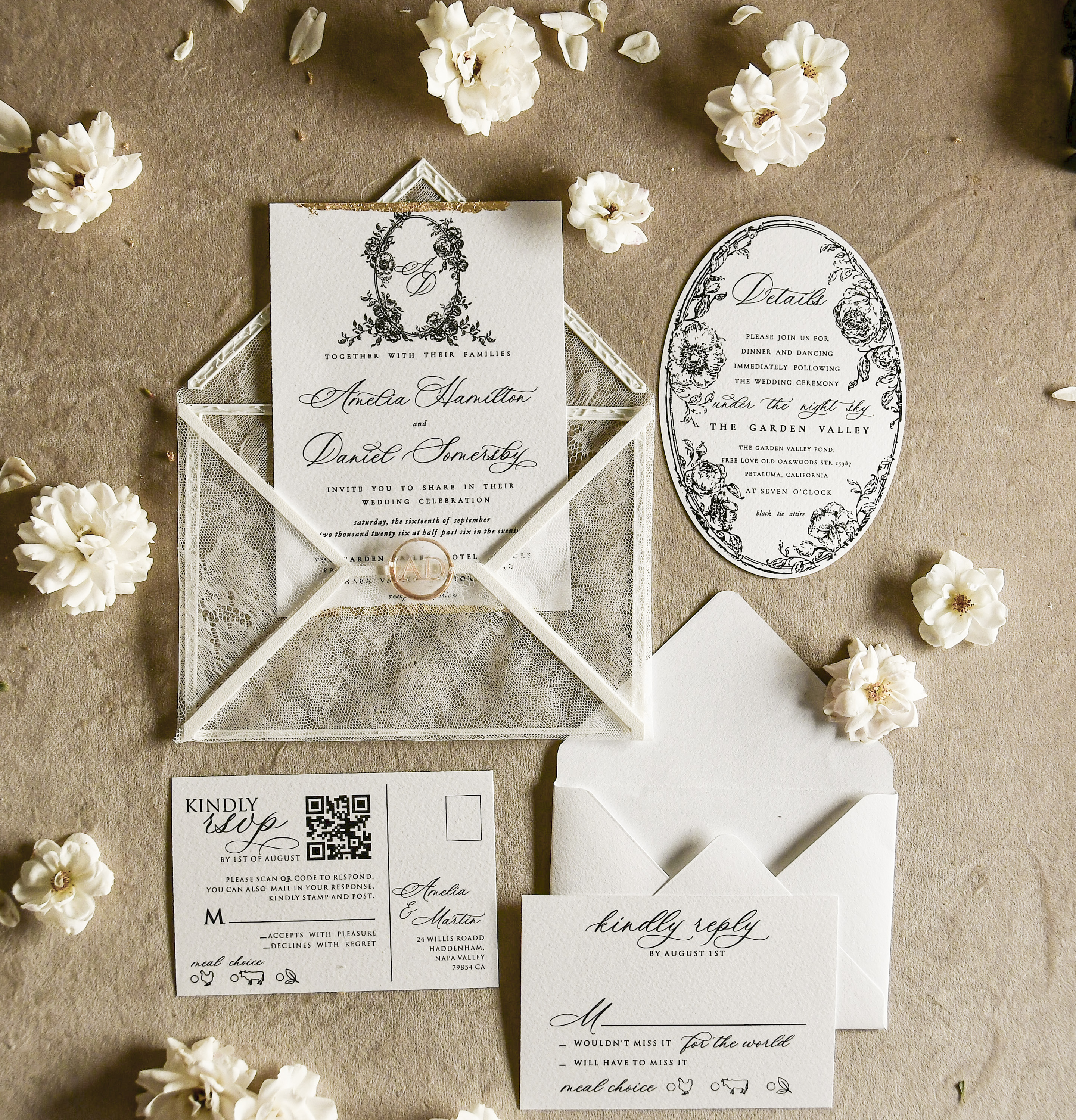
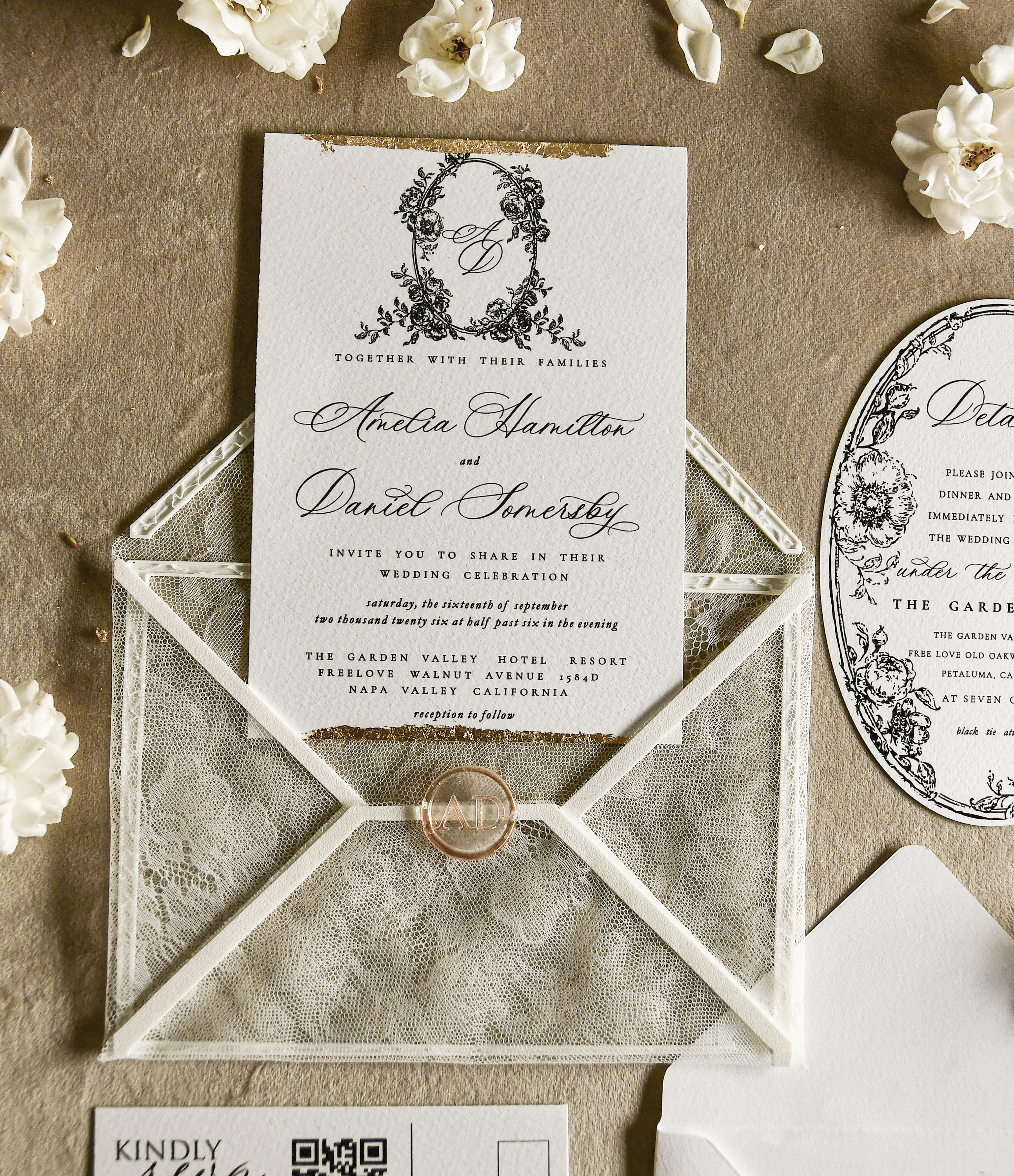
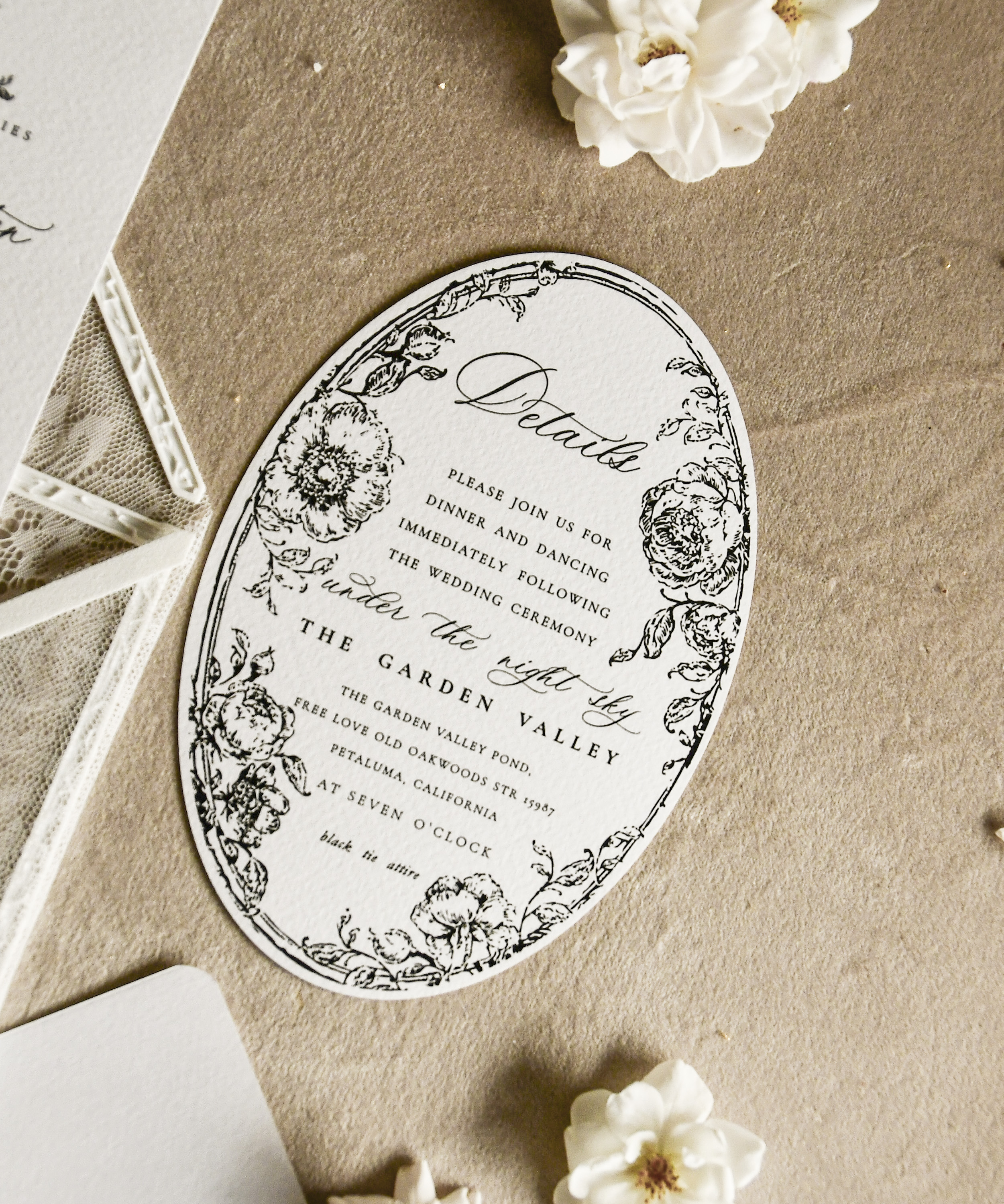
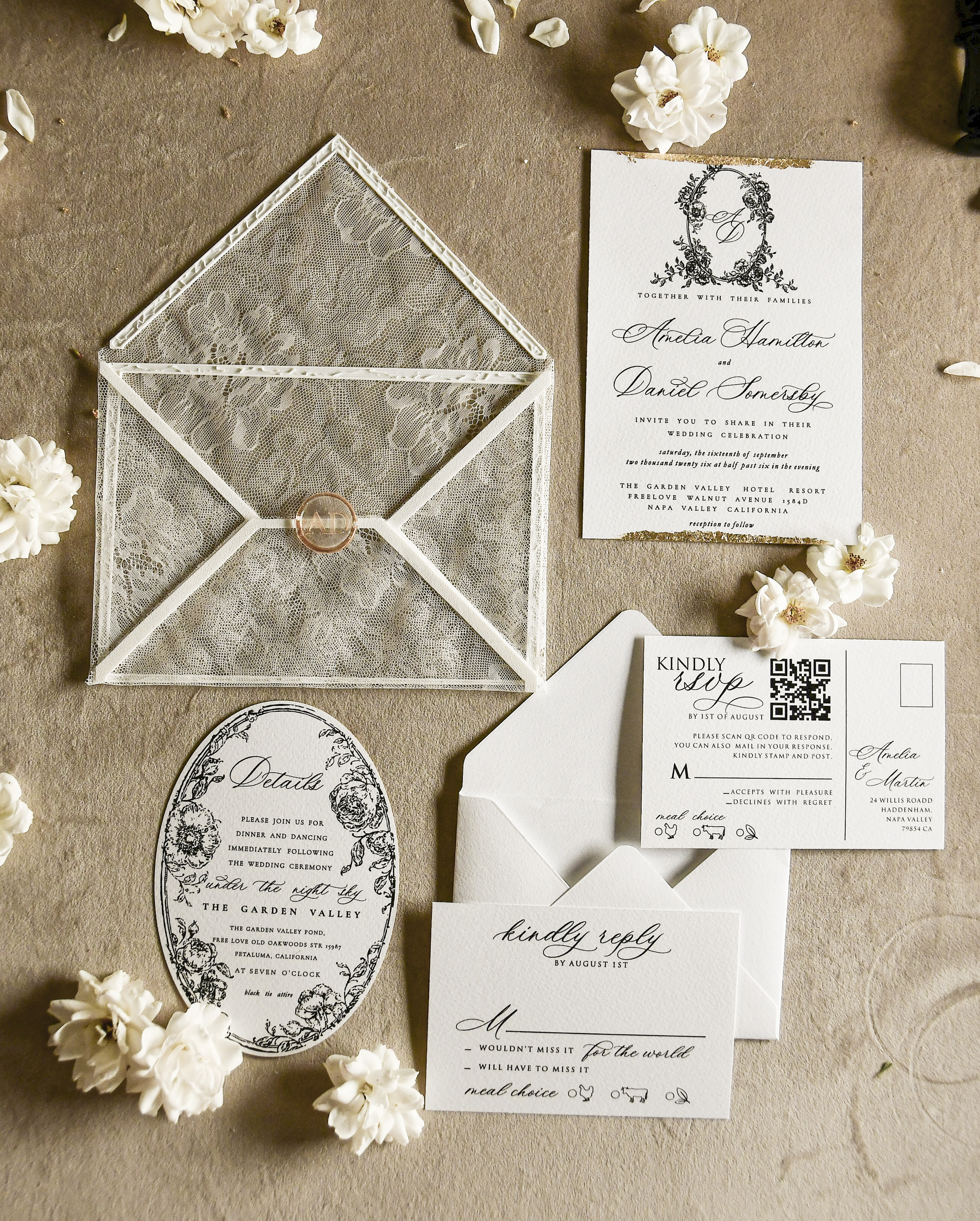
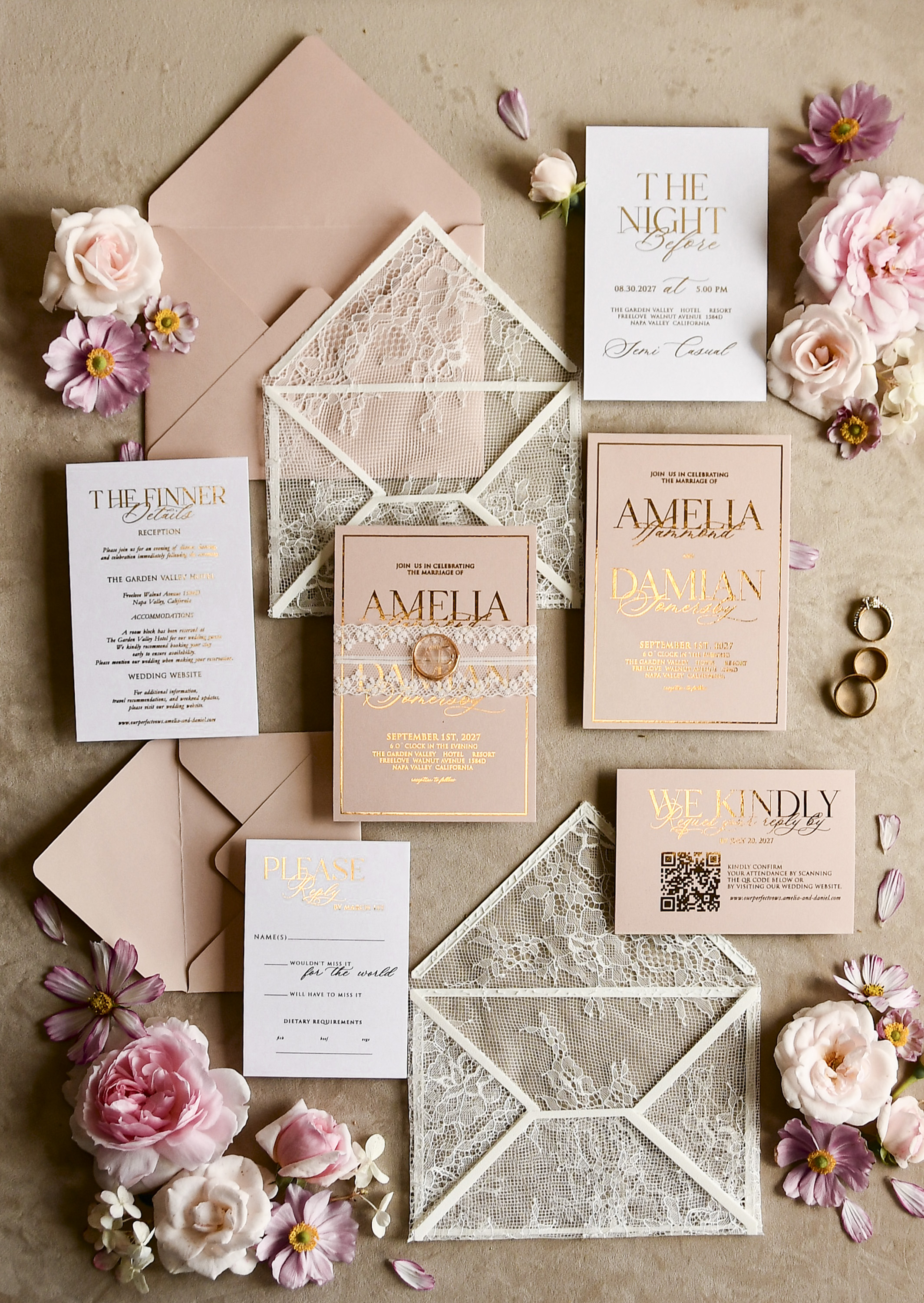
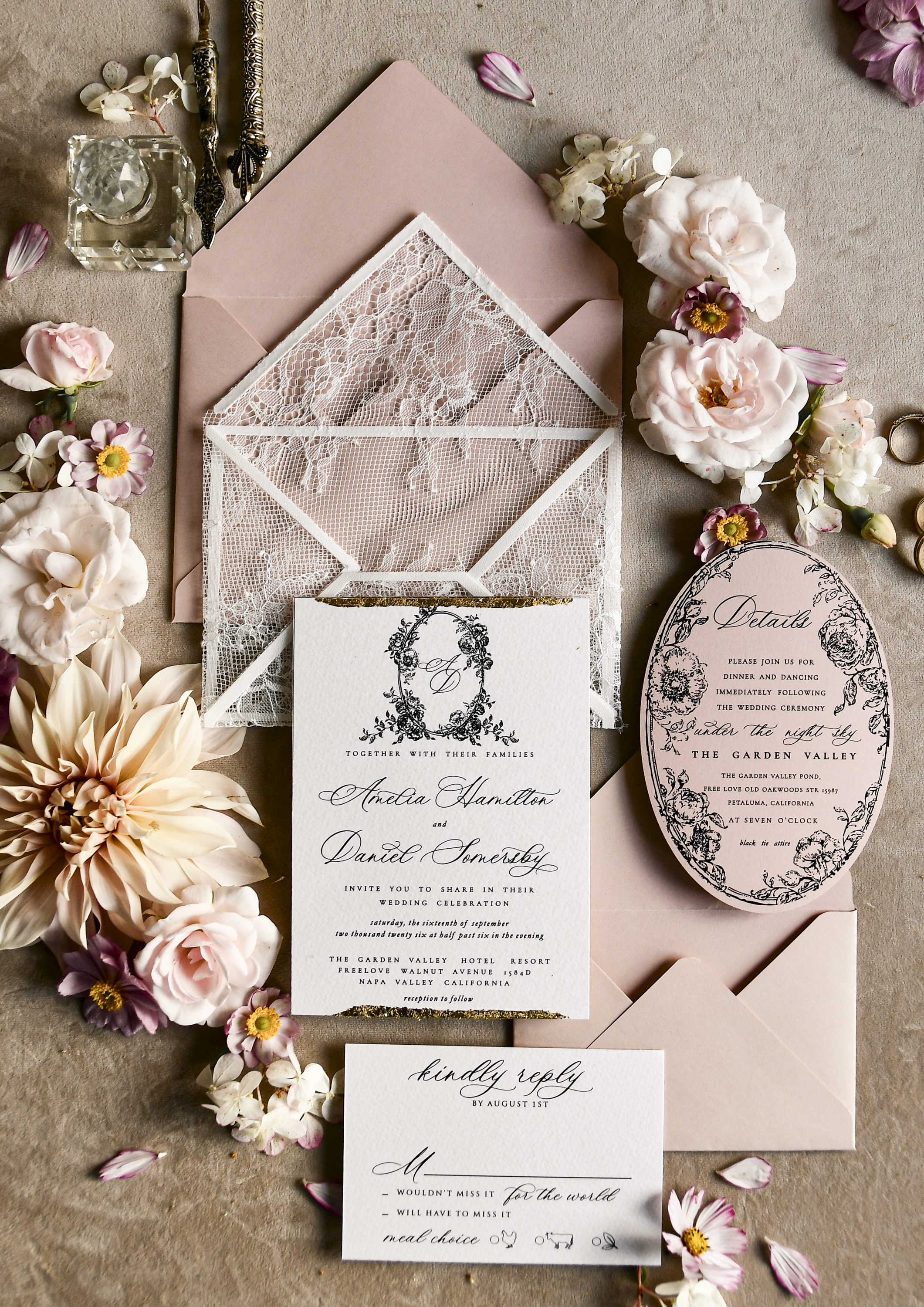
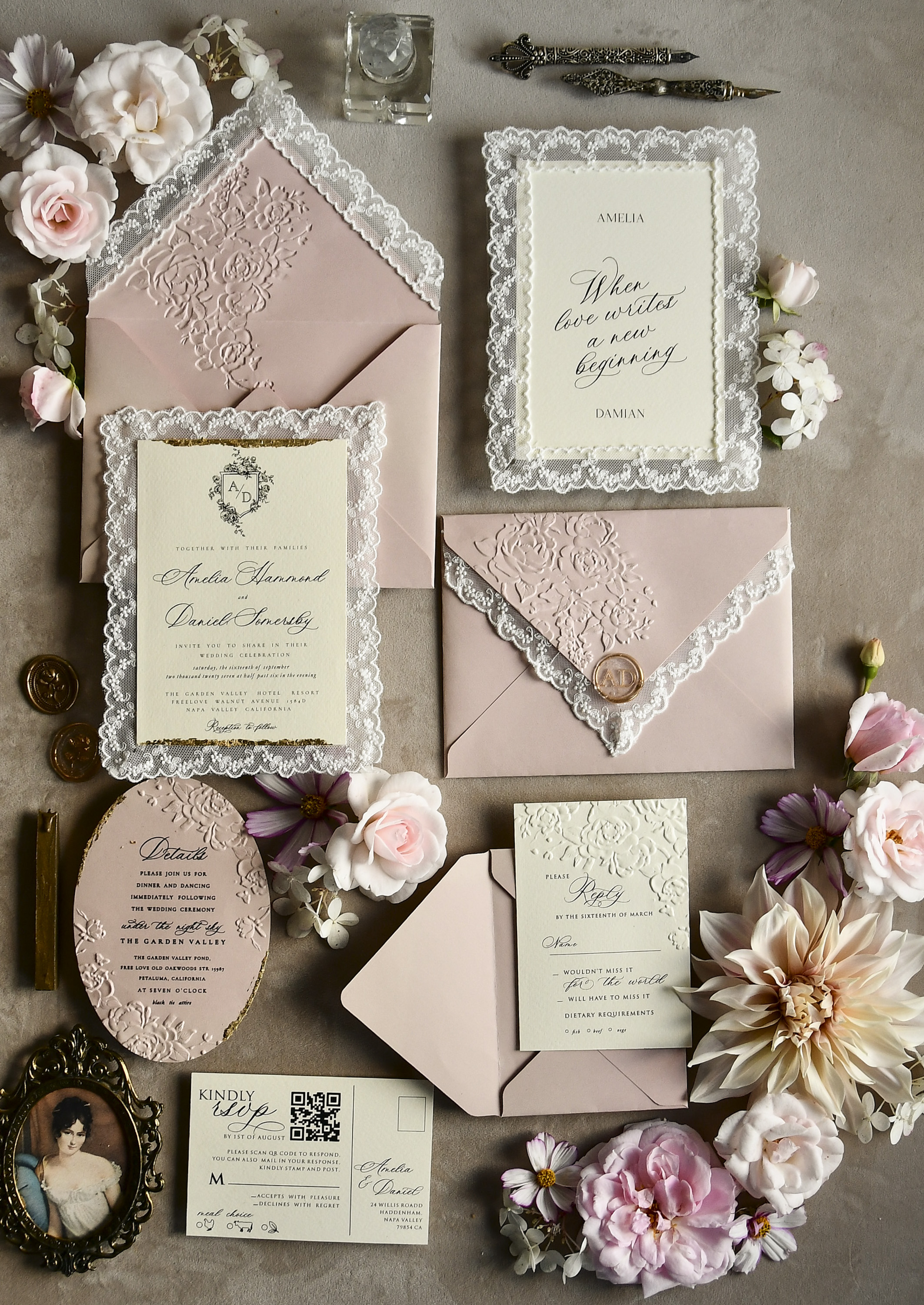
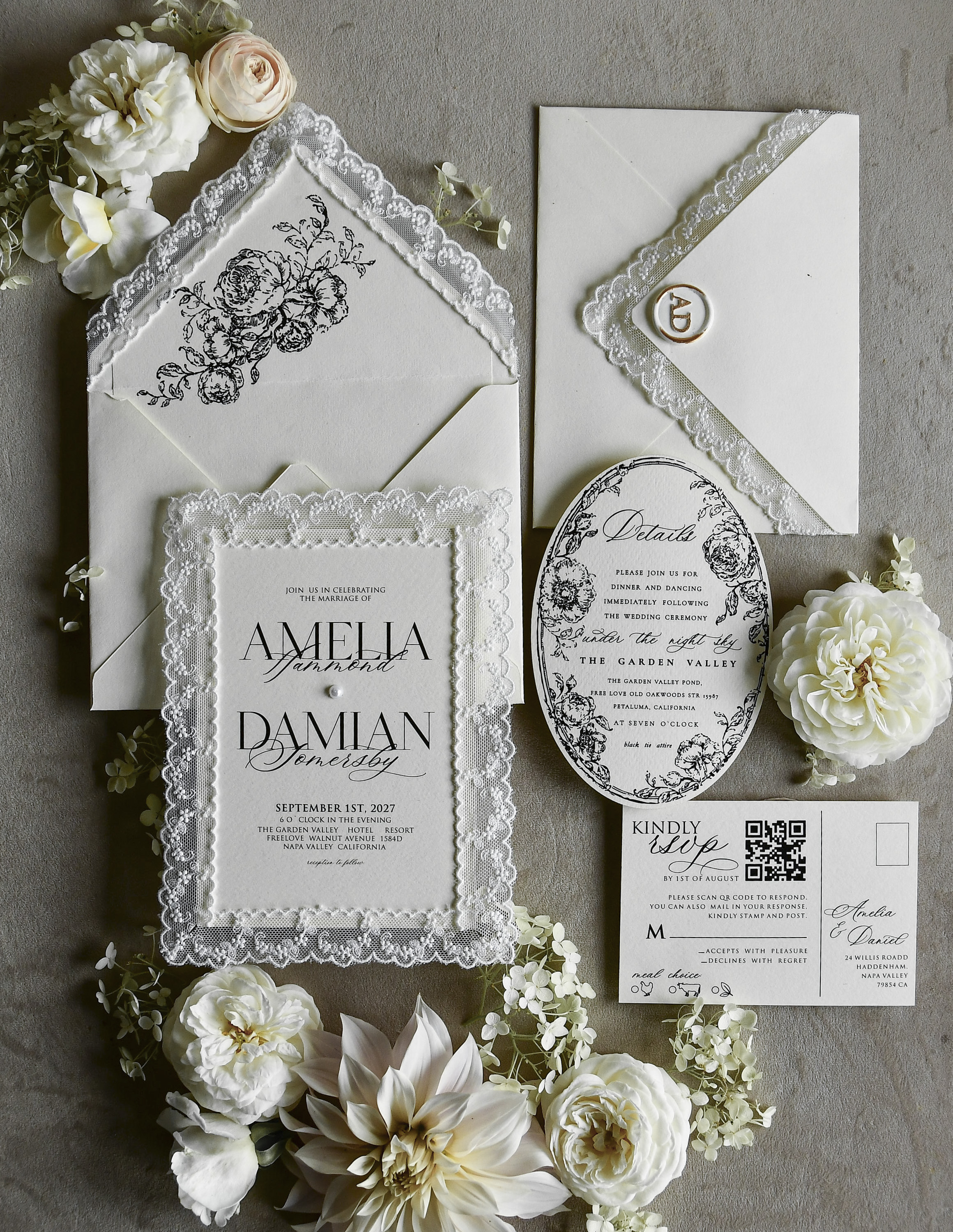
If you are offering a teen a plus-one, you can note "Emma Johnson and Guest" on the inner envelope. Our vintage lace wedding invitations — like the 02/lacenvD/z — pair beautifully with handwritten inner envelopes, which give you that extra layer of clarity while keeping the presentation elegant and intentional.
Whatever you decide, address every invitation deliberately. Vague addressing like "The Johnsons" without an inner envelope often leads to guests assuming they can bring whoever they'd like.
Handling Pushback from Parents
Occasionally a parent will push back — "Can Emma bring her boyfriend?" Keep your response warm but clear: "We're keeping the guest list really tight, but we're so excited to have Emma there with the whole family!" You don't need to over-explain or apologize. Most reasonable parents will understand, especially if you've been consistent with your plus-one policy across all guests.
If a parent is genuinely upset and the relationship matters to you, consider whether adding one person is worth the goodwill. Sometimes it is. But don't let guilt override a thoughtful decision you made deliberately.
Frequently Asked Questions
There's no universal rule, but many couples use 18 as the threshold for treating a guest as a full adult with plus-one consideration. Teens under 18 are generally not expected to receive one unless there's a specific reason, like attending without family or being in a serious long-term relationship.
Yes, meaningfully. At 18 or 19, most people consider themselves adults and may feel the absence of a plus-one more acutely. If they're in a relationship, it's worth extending the same courtesy you'd give any adult guest. If budget is tight, a personal note acknowledging the situation goes a long way.
Absolutely. If you know the friend personally and would have invited them anyway, you can simply invite them as an independent guest. This sidesteps the plus-one framing entirely and keeps your invitation list clean and intentional.
List only the invited guests by name on the inner envelope — for example, 'Mr. and Mrs. Davis and Tyler.' This makes it clear Tyler is invited but no additional guest is assumed. Specific addressing is the most gracious way to prevent confusion.
Consistency is ideal and makes any decisions much easier to explain. If you decide no teens get plus-ones, apply that uniformly. If you make exceptions, be prepared to explain them — or keep those decisions private to avoid hurt feelings.
Address it promptly and kindly — reach out to the parents and clarify that the RSVP should only include the invited guest. A simple, friendly message like 'We'd love to have Tyler, but we're not able to accommodate additional guests due to our venue capacity' is perfectly appropriate.
See This Design Up Close
You May Also Like
More Wedding Planning Guides
- → The Exact Number of Wedding Invitations to Order (Without Running Short or Wasting Money)
- → How to Handle Plus-One Requests Without the Guilt
- → Keeping the Peace: How to Navigate Family Conflicts in the Weeks Before Your Wedding
- → Small Weddings Are More Than Okay — Here's Why They Work
- → Uninvited Plus-Ones: How to Handle Guests Who Show Up With Extra People
- → Uninvited Plus-Ones and Tag-Alongs: How to Keep Your Guest List Intact
- → When Family Feuds Threaten Your Wedding Plans: A Practical Peacekeeper's Guide
- → Inviting an Estranged Brother or Sister: Finding Clarity Before You Seal the Envelope
- → Cousins, Invites, and Hard Choices: A Practical Guest List Guide