
Keeping the Peace: How to Navigate Family Conflicts in the Weeks Before Your Wedding
Wedding planning is one of the most exciting chapters of your life — and, honestly, one of the most stressful. Even the closest families can find themselves arguing over guest lists, seating charts, traditions, or who gets to weigh in on decisions. If things have gotten tense at home, you are absolutely not alone. The good news: with a few intentional strategies, you can manage the conflict, protect your relationship, and still arrive at your wedding day feeling genuinely happy.
Understand Why Pre-Wedding Family Conflict Happens
Before you can fix the problem, it helps to understand it. Weddings stir up big emotions — joy, nostalgia, grief, anxiety, and sometimes old family wounds that never fully healed. Parents may feel like they're losing a child. Siblings may feel overlooked. In-laws may feel excluded. Divorced parents may dread being in the same room.
None of this means anyone is a bad person. It means a major life transition is happening, and people are reacting to it imperfectly. Recognizing this doesn't excuse hurtful behavior, but it does help you respond thoughtfully rather than reactively.
Set Clear Boundaries Early — and Hold Them
The single most effective thing you can do is decide, as a couple, which decisions are yours alone and communicate that clearly. Examples might include:
- The final guest list numbers
- Your ceremony structure or vows
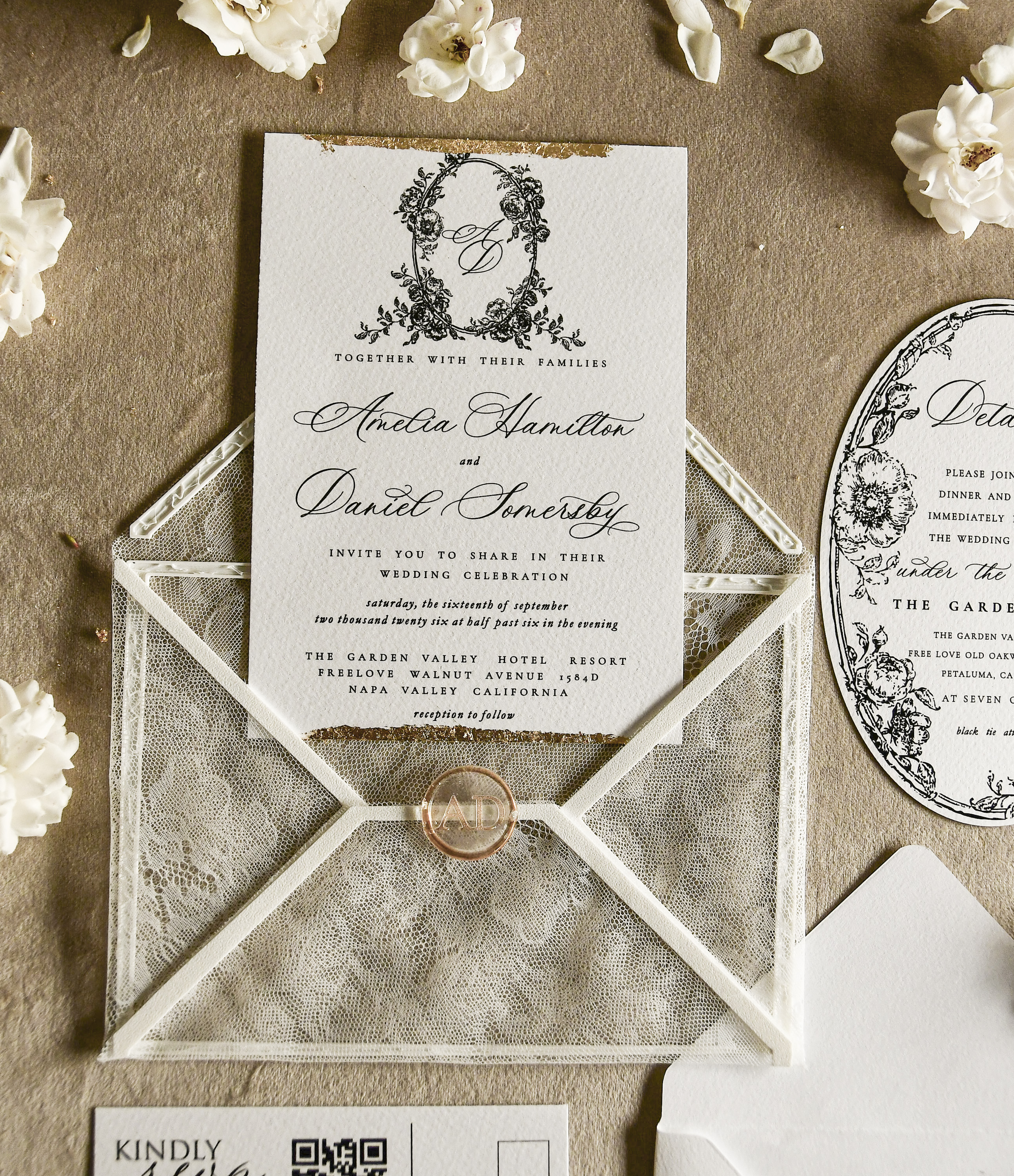
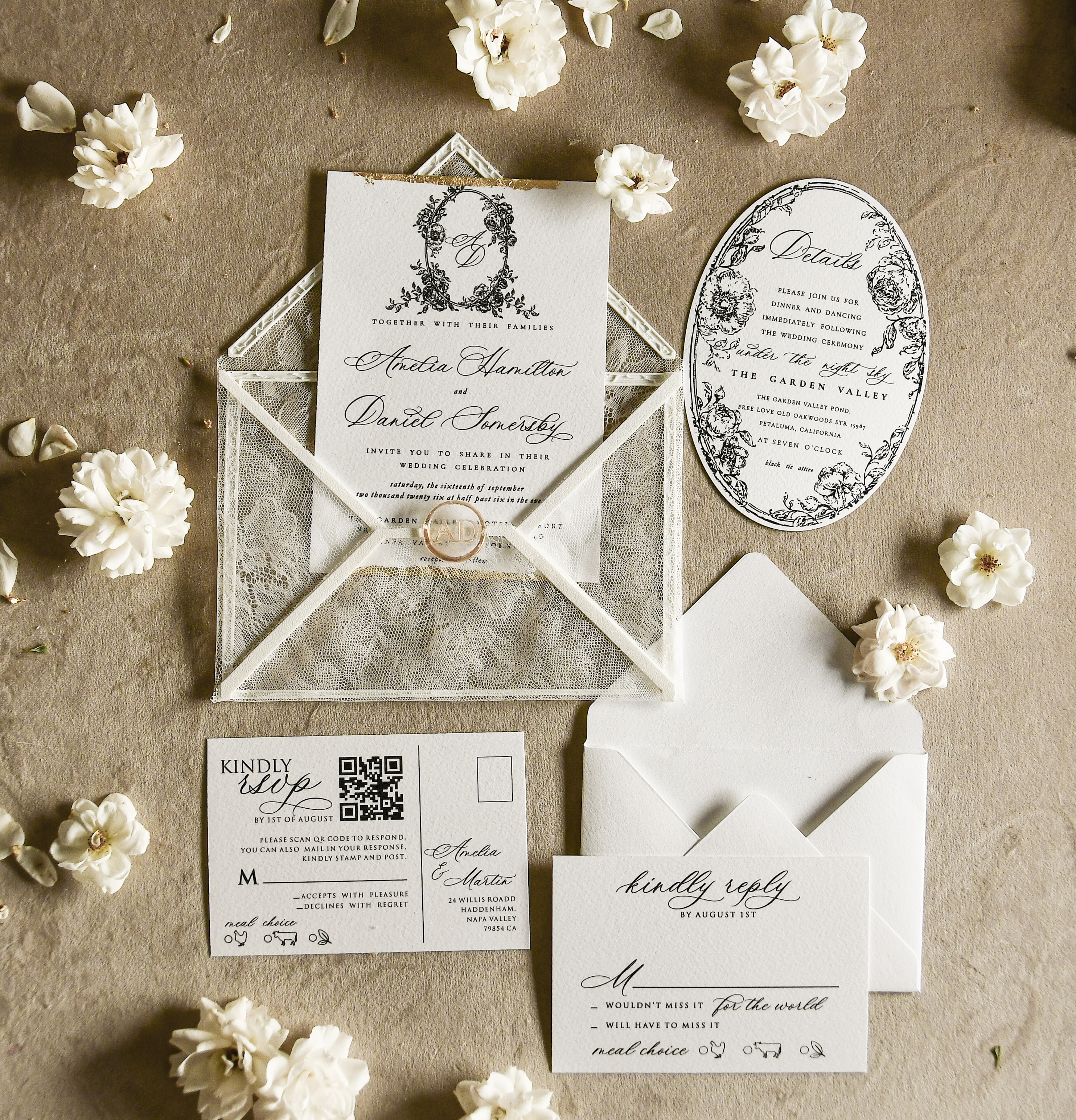
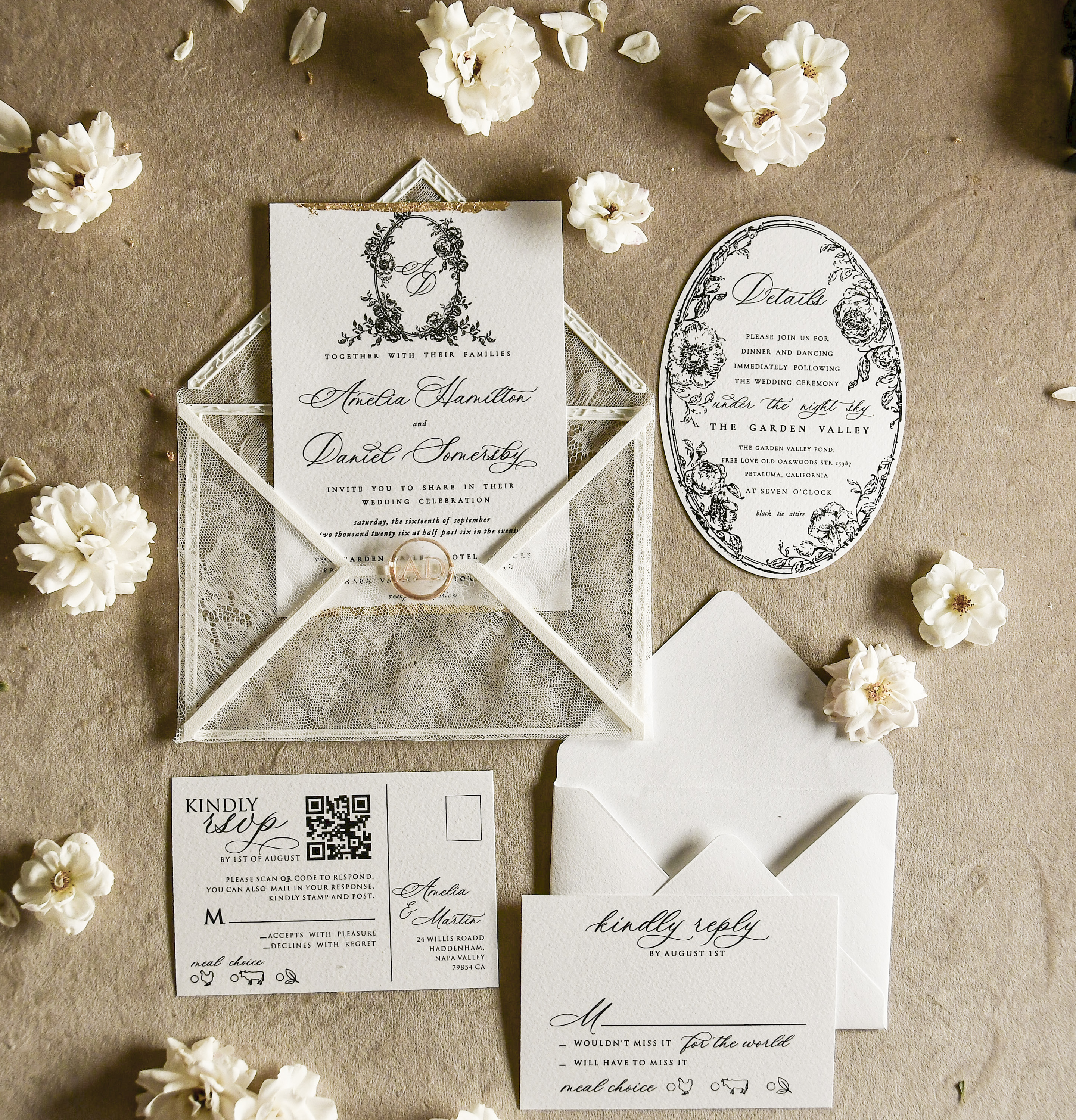
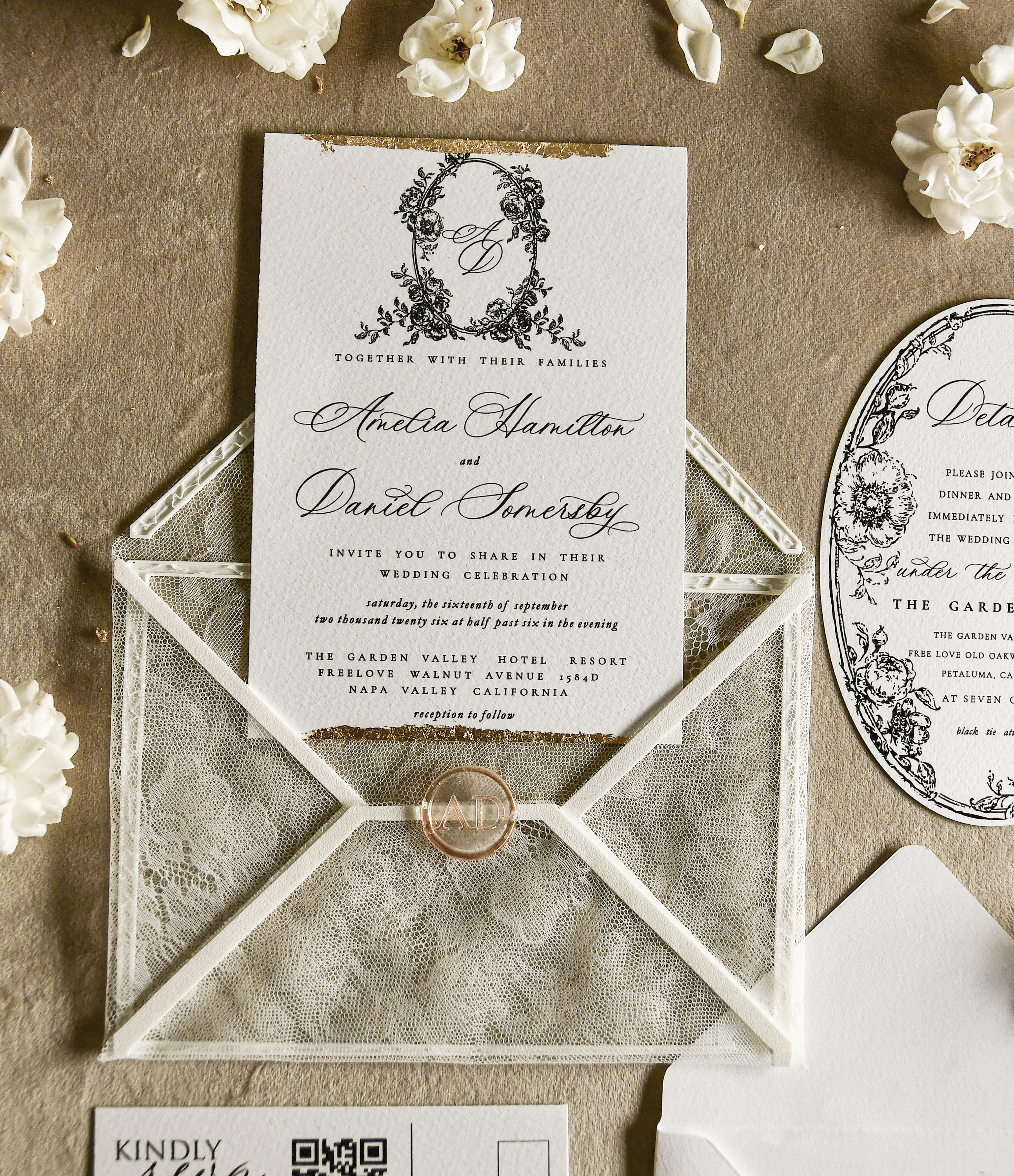
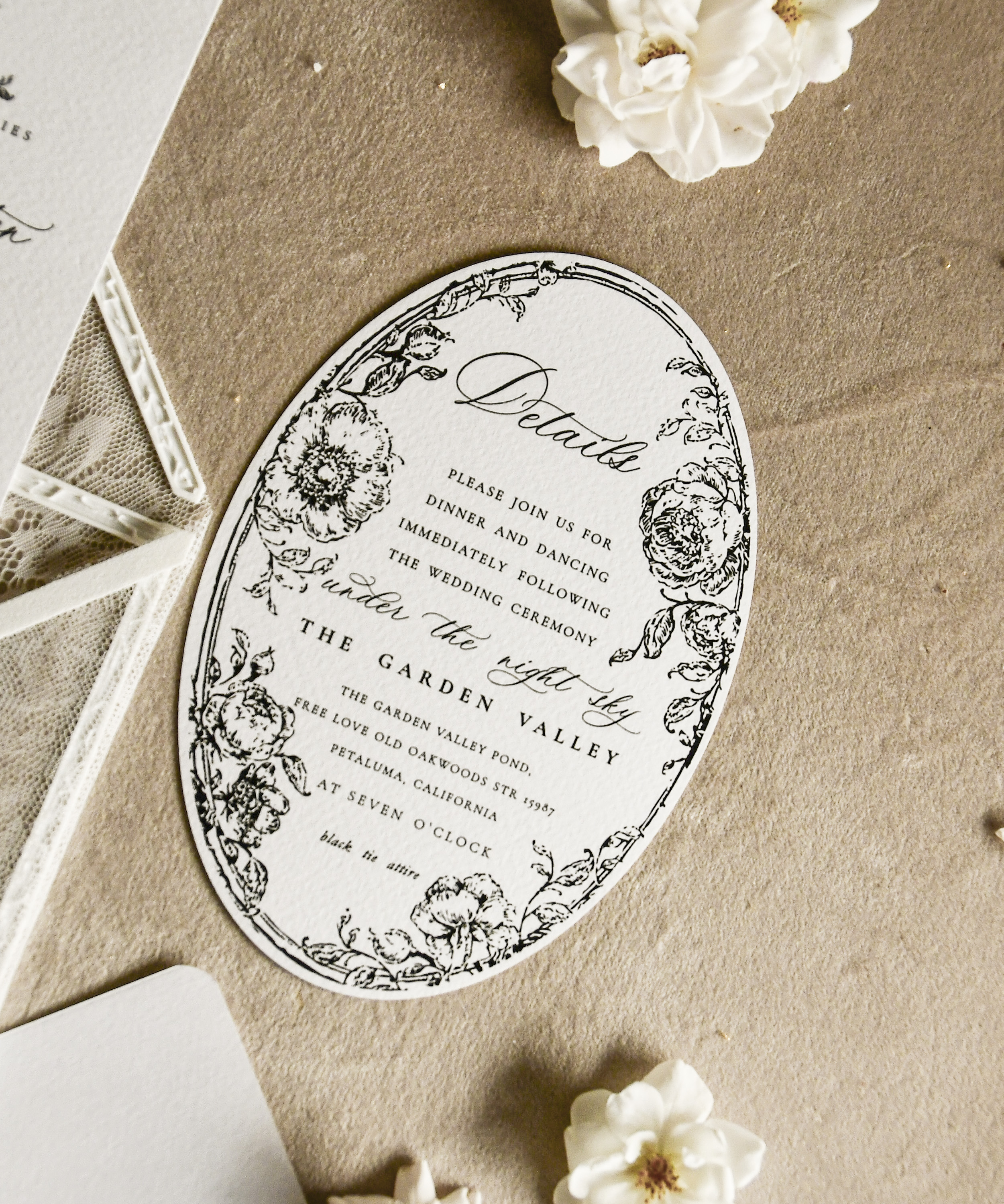
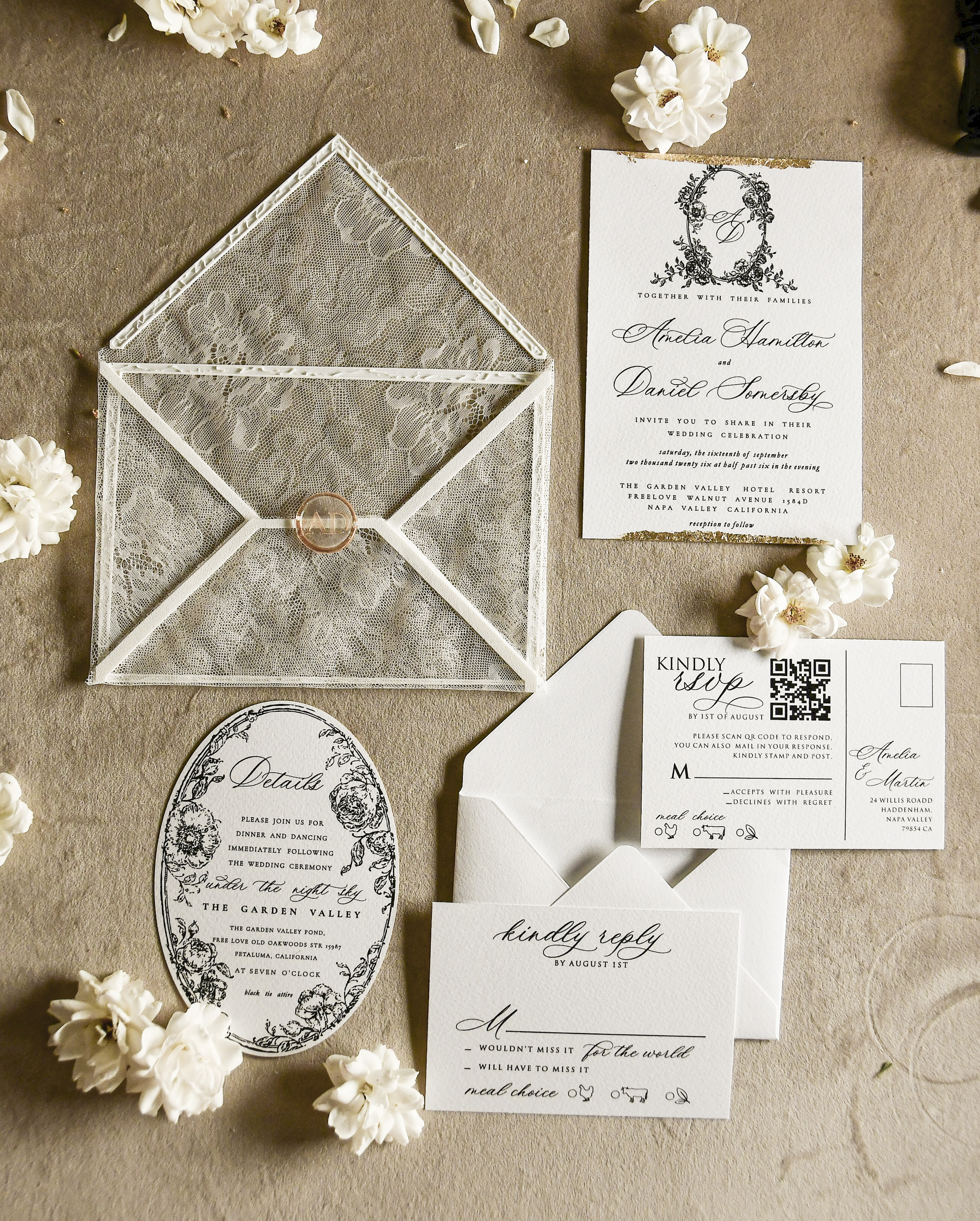
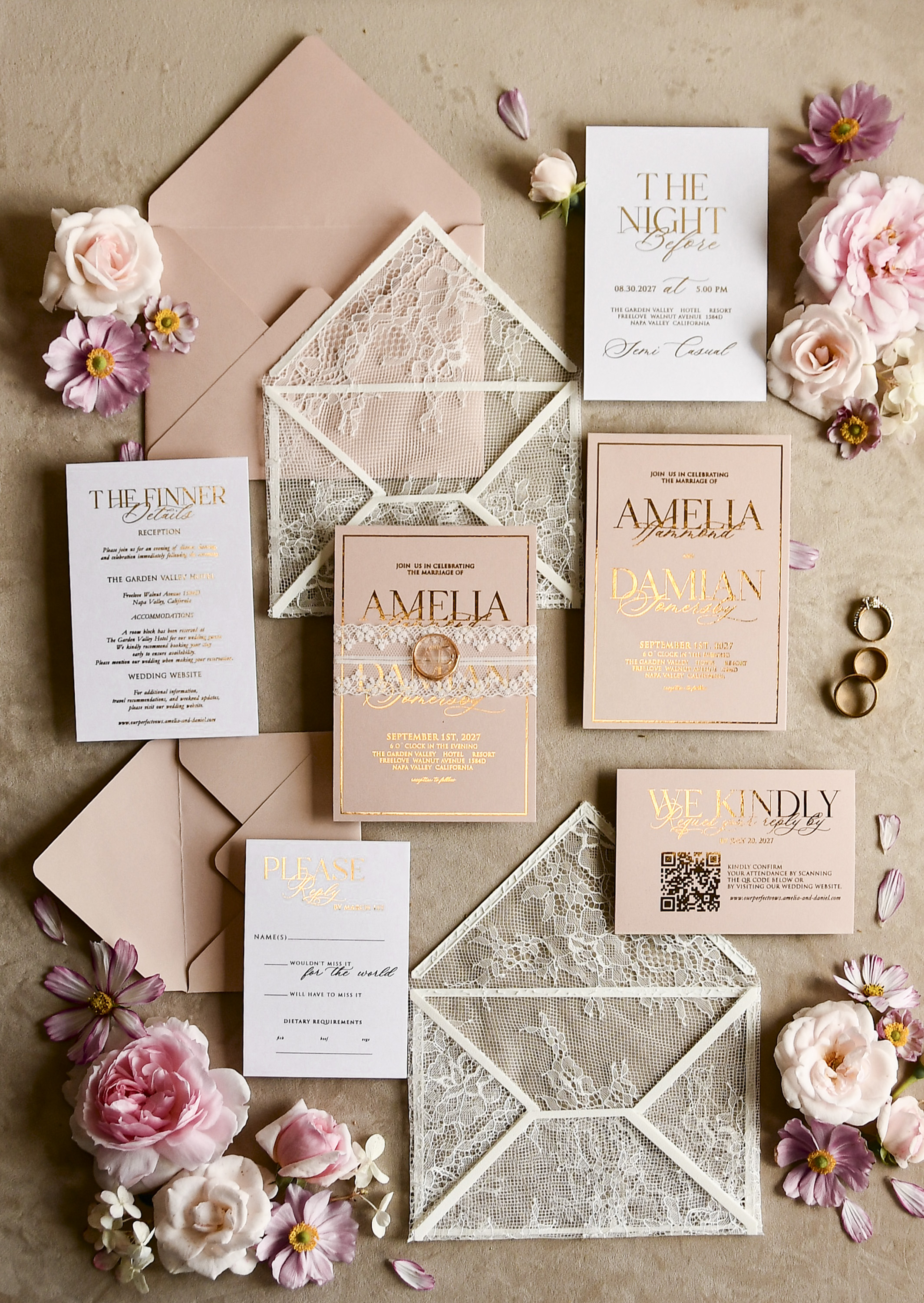
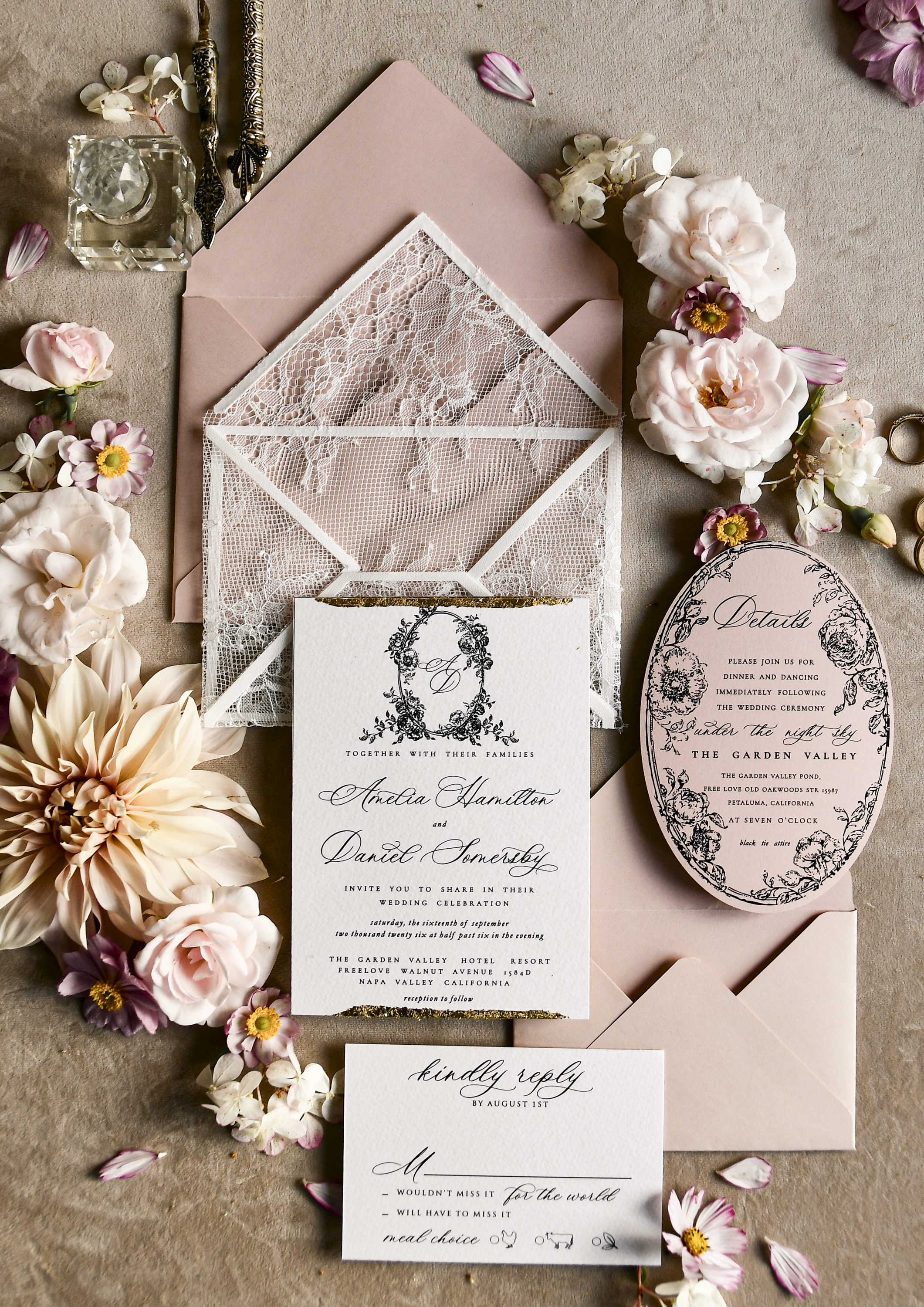
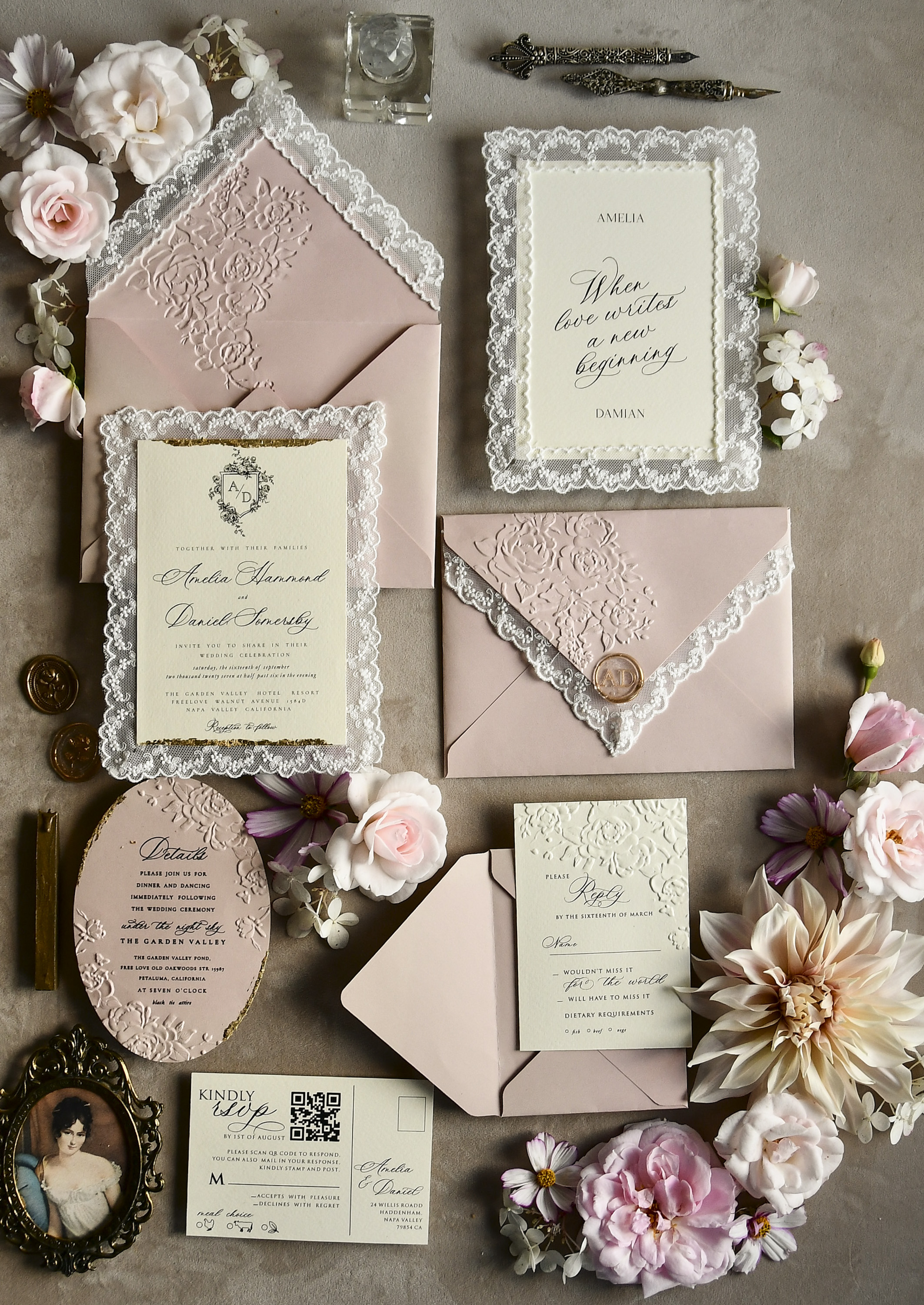
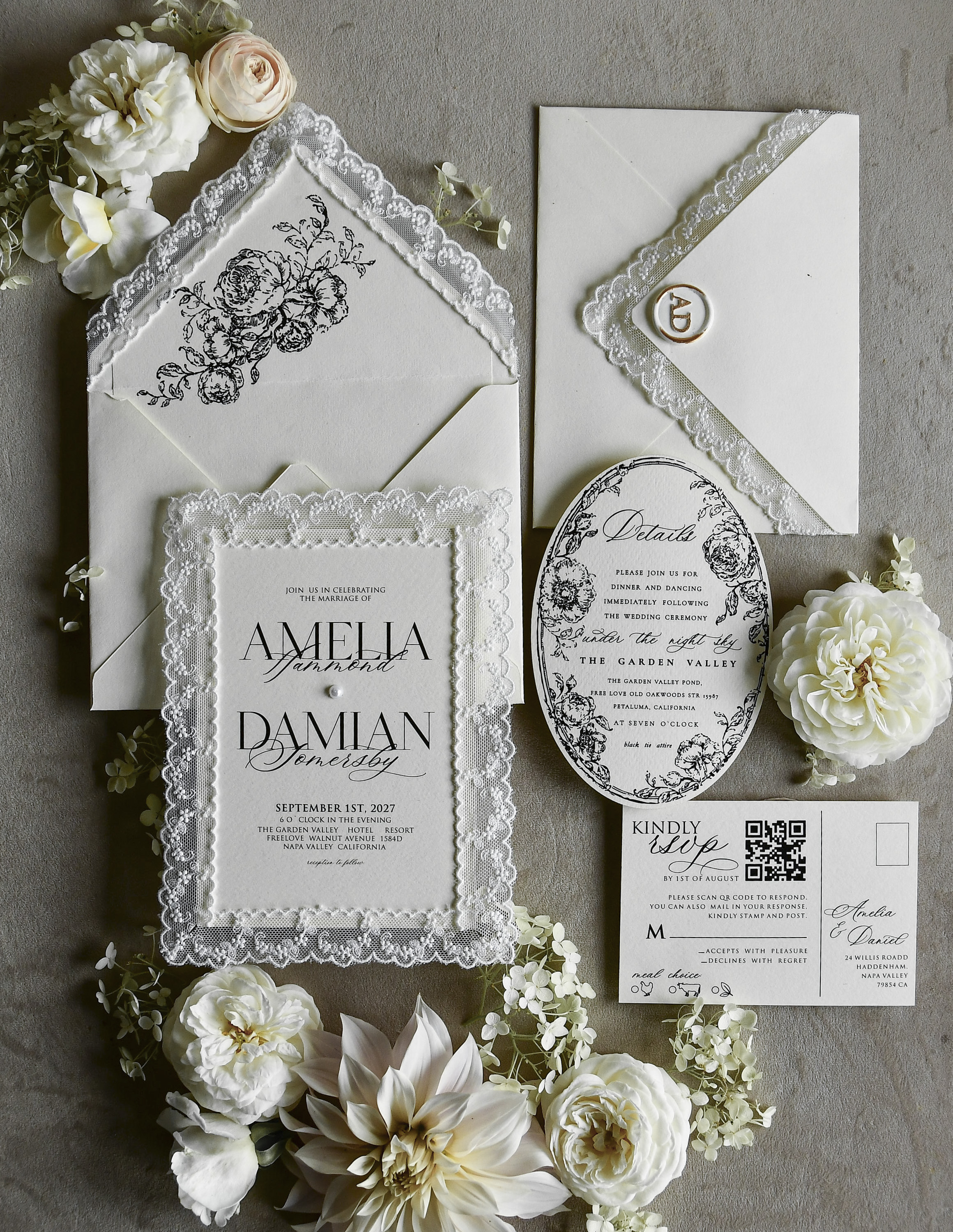
- The stationery style — like whether you go with a romantic vintage lace design from a collection like 02/lacenvD/z or something more modern
- Where you'll spend holidays after the wedding
When a family member pushes back on a decision you've already made, a calm, united response works best: "We've thought about this carefully and we're sticking with our plan. We'd love your support." Say it once. Repeat it if needed. You don't owe a debate.
Communicate Directly and Privately
Group texts and family dinners are not the place to resolve serious tension. If a specific person is causing conflict, address it one-on-one — in person or by phone, not over text. Choose a calm moment, not right after an argument.
Use "I" statements to avoid putting people on the defensive. Instead of "You always make everything about yourself," try "I feel overwhelmed when the conversation keeps shifting away from what we've planned." It sounds simple, but it genuinely changes the tone of hard conversations.
If you're dealing with conflict between two family members (say, divorced parents who can't be civil), consider designating a neutral point-of-contact — a trusted aunt, a wedding coordinator, or a close friend — to help manage logistics and keep them from having to interact directly.
Know When to Involve a Professional
Sometimes the conflict runs deeper than wedding stress. If arguments are escalating, involving emotional abuse, or threatening relationships you truly value, a few sessions with a therapist or couples counselor can be a game-changer — not just for the wedding, but for your marriage. Many therapists offer short-term, solution-focused sessions designed exactly for life transitions like this one.
You might also consider a mediator for very specific disputes — especially ones involving money, like who is contributing to the wedding budget and what say that gives them. Having a third party lay out expectations clearly can prevent months of resentment.
Protect Your Energy in the Final Weeks
In the last four to six weeks before your wedding, you need to be selective about where your emotional energy goes. This is the time to finalize your details — confirming your vendors, mailing any remaining stationery (our 02/lacenvD/z vintage lace invitations are a beautiful choice if you still need day-of programs or menus), and focusing on the people who are showing up for you with love.
Practical ways to protect your peace:
- Limit the audience. Not every family member needs a daily update on every decision.
- Create a buffer. Ask your partner or a trusted friend to field certain calls or messages so you're not constantly in the middle.
- Schedule decompression time. Even 20 minutes a day of no wedding talk helps.
- Let some things go. Not every argument needs to be resolved before the wedding. Some things can wait until after.
Your wedding day will come and go in a matter of hours. What lasts is how you and your partner handled the hard parts together.
Frequently Asked Questions
Express that you'd love them there, then give them space to make their own choice. Chasing someone who is using attendance as leverage often escalates the conflict rather than resolving it. Most people come around once they see the situation clearly.
Assign them separate arrival times, seating areas, and even different points of contact for day-of logistics. A good wedding coordinator can be invaluable here, acting as a neutral go-between so neither parent has to interact directly.
Only if the conflict is serious enough that their presence would genuinely harm your experience. If it's more of a personality clash or temporary stress, consider having a direct conversation first — removing someone from the wedding party often creates more conflict than it resolves.
Absolutely. A brief, intentional pause can prevent things from escalating further. Let them know calmly that you need a few days to reset, and reach back out when you're ready to talk constructively.
Check in with each other daily, even briefly, and make decisions together before presenting them to family. A united front — where neither partner undermines the other to appease their own family — is the most powerful tool you have.
Aim to address serious issues at least four to six weeks out, while you still have enough mental bandwidth to handle them. Trying to resolve deep conflicts in the final week adds unnecessary stress right when you need to be focusing on celebration.
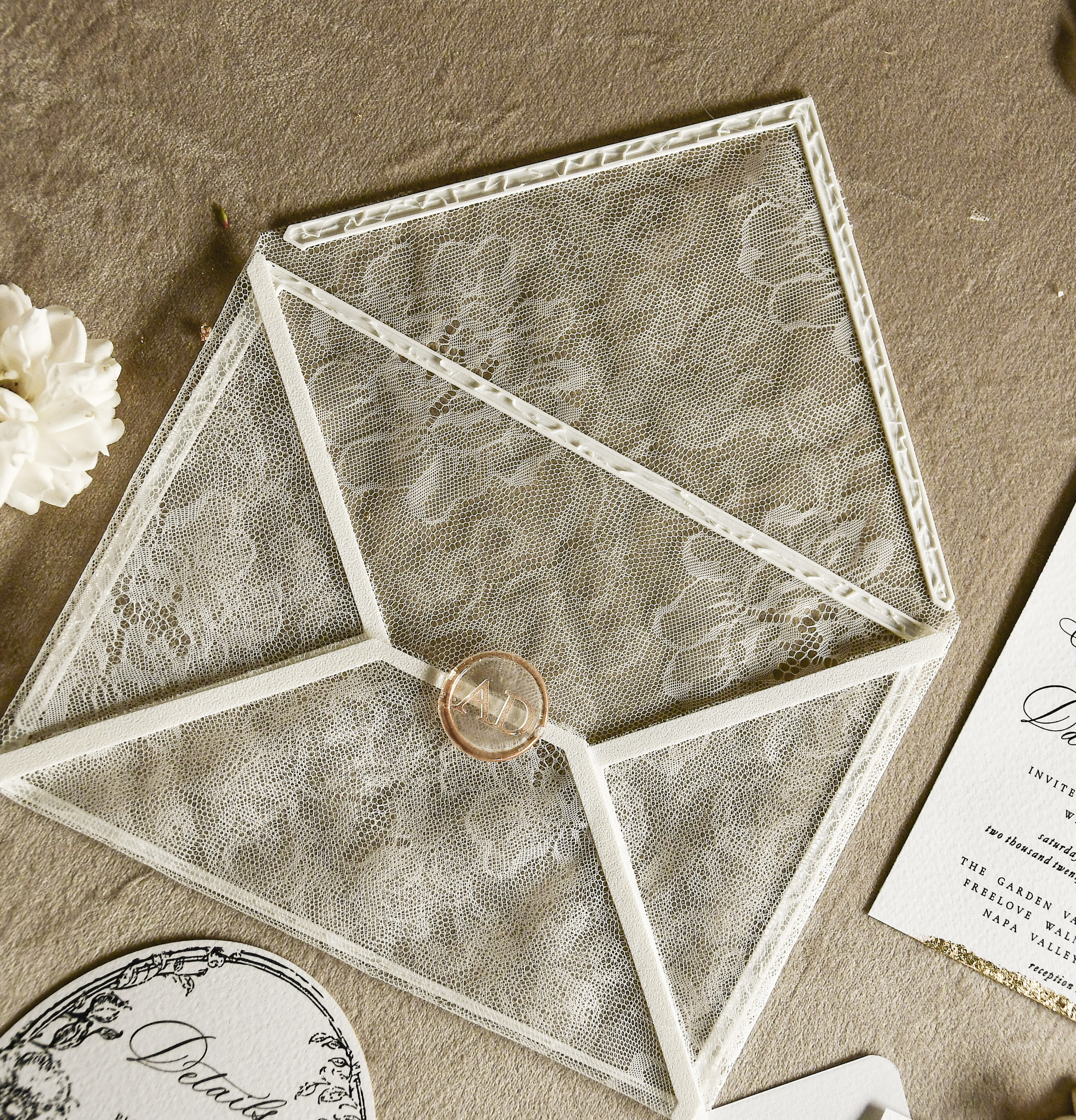
See This Design Up Close
You May Also Like
More Wedding Planning Guides
- → The Exact Number of Wedding Invitations to Order (Without Running Short or Wasting Money)
- → Navigating Plus-Ones for Teen Guests at Your Wedding
- → How to Handle Plus-One Requests Without the Guilt
- → Small Weddings Are More Than Okay — Here's Why They Work
- → Uninvited Plus-Ones: How to Handle Guests Who Show Up With Extra People
- → Uninvited Plus-Ones and Tag-Alongs: How to Keep Your Guest List Intact
- → When Family Feuds Threaten Your Wedding Plans: A Practical Peacekeeper's Guide
- → Inviting an Estranged Brother or Sister: Finding Clarity Before You Seal the Envelope
- → Cousins, Invites, and Hard Choices: A Practical Guest List Guide