
Plus-One or Not? How to Handle New Boyfriends and Girlfriends on Your Guest List
One of the trickiest guest-list questions couples face is what to do about brand-new relationships. Your college roommate started dating someone three months ago. Your cousin brought a different person to every family event for the past two years. Your brother just met someone he's absolutely smitten with. Do they all get a plus-one? The honest answer: it depends — and having a clear, consistent policy makes the decision much easier on you and far less awkward for everyone else.
Start with a Clear Plus-One Policy Before You Make Any Exceptions
The most important thing you can do before addressing new partners specifically is to decide your overall plus-one rule. Common approaches include:
- Married and engaged couples only — the strictest and easiest to enforce.
- Married, engaged, and long-term partners (1+ year) — a popular middle ground.
- All guests over a certain age get a plus-one — generous but can inflate your count quickly.
Once you have a rule, apply it consistently. If you give your coworker's six-month partner an invite, your cousin's six-month partner deserves the same consideration. Inconsistency is what creates hurt feelings, not the policy itself.
When It Makes Sense to Invite a New Partner
There are situations where inviting a newer boyfriend or girlfriend is genuinely the right call, even if they don't meet your general threshold:
- They live together. Cohabitation signals commitment regardless of the official start date.
- You've met them and they feel like part of the family already. Some relationships move fast and are clearly serious.
- Your guest is traveling a long distance. Asking someone to fly across the country solo to a wedding where they know almost no one can feel isolating.
- Your guest has social anxiety. A familiar face can make a big difference in whether they truly enjoy the day.
Use your judgment. A relationship's depth isn't always measured in months.
When It's Perfectly Fine to Skip the New Partner Invite
You are not obligated to invite someone you've never met, and you're especially not obligated to add a seat — and the cost that comes with it — for a relationship that started last month. It's completely reasonable to leave a new partner off the list when:
- The relationship is fewer than three to six months old and your guest hasn't introduced this person to family yet.
- You're working with a tight venue capacity or a strict budget.
- Your guest is part of a large group (like a work table) where everyone is attending solo.
If you're concerned about how the conversation will go, keep it simple: "We're keeping the guest list really tight due to venue limits, so we weren't able to extend plus-ones to newer relationships — I hope you understand." Most people do.
How to Communicate Your Decision Gracefully on Your Invitations
The way you address your envelopes and invitations does a lot of the heavy lifting here. If a guest is not receiving a plus-one, address the invitation to them alone — for example, "Ms. Claire Hoffman" rather than "Ms. Claire Hoffman and Guest." This signals your intention without requiring an awkward phone call.
If you are extending a plus-one to a guest whose new partner you haven't met, it's perfectly gracious to write "and Guest" on the envelope. For couples whose names you do know, address both people by name — it's a warmer touch that new partners especially appreciate.
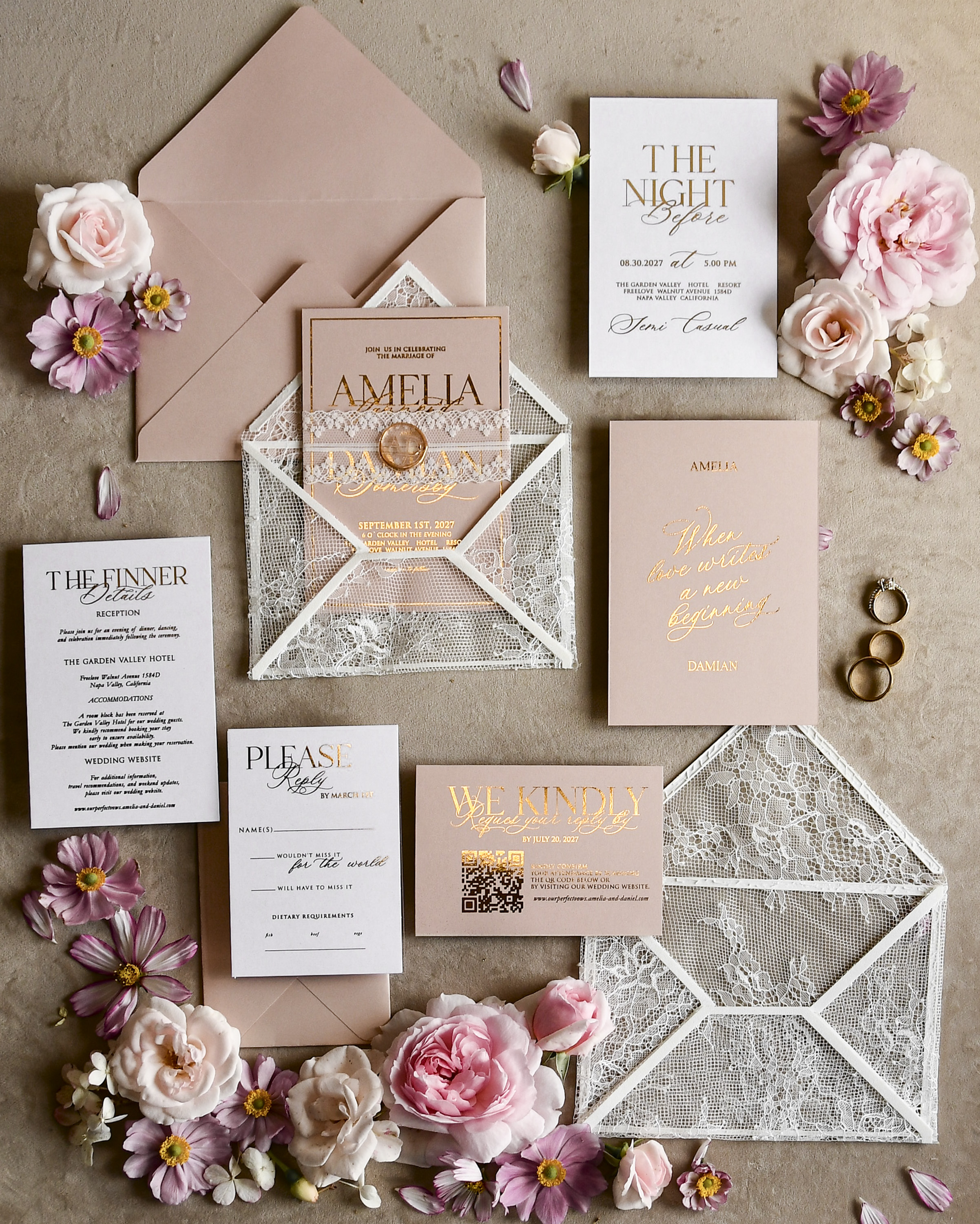
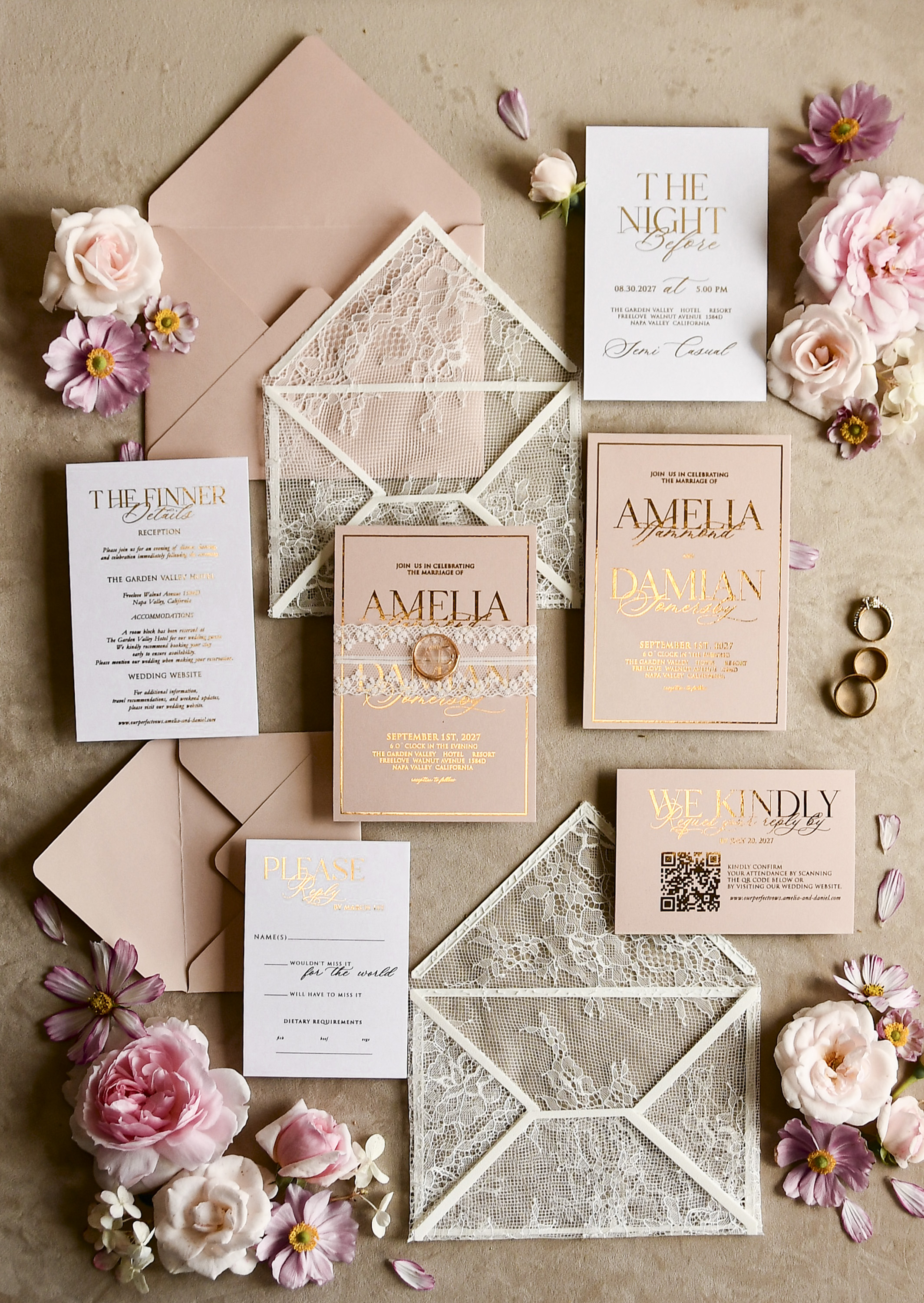
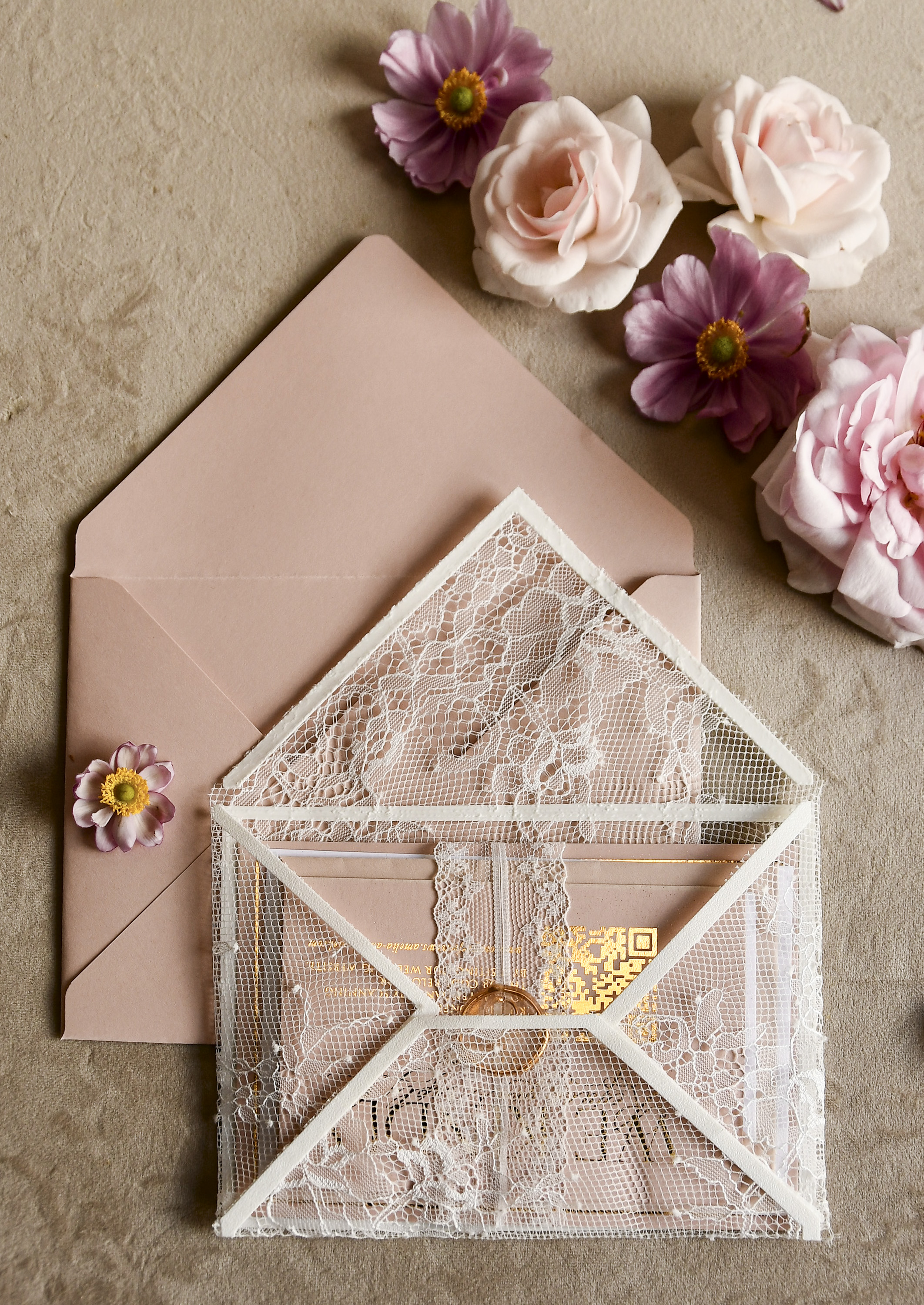
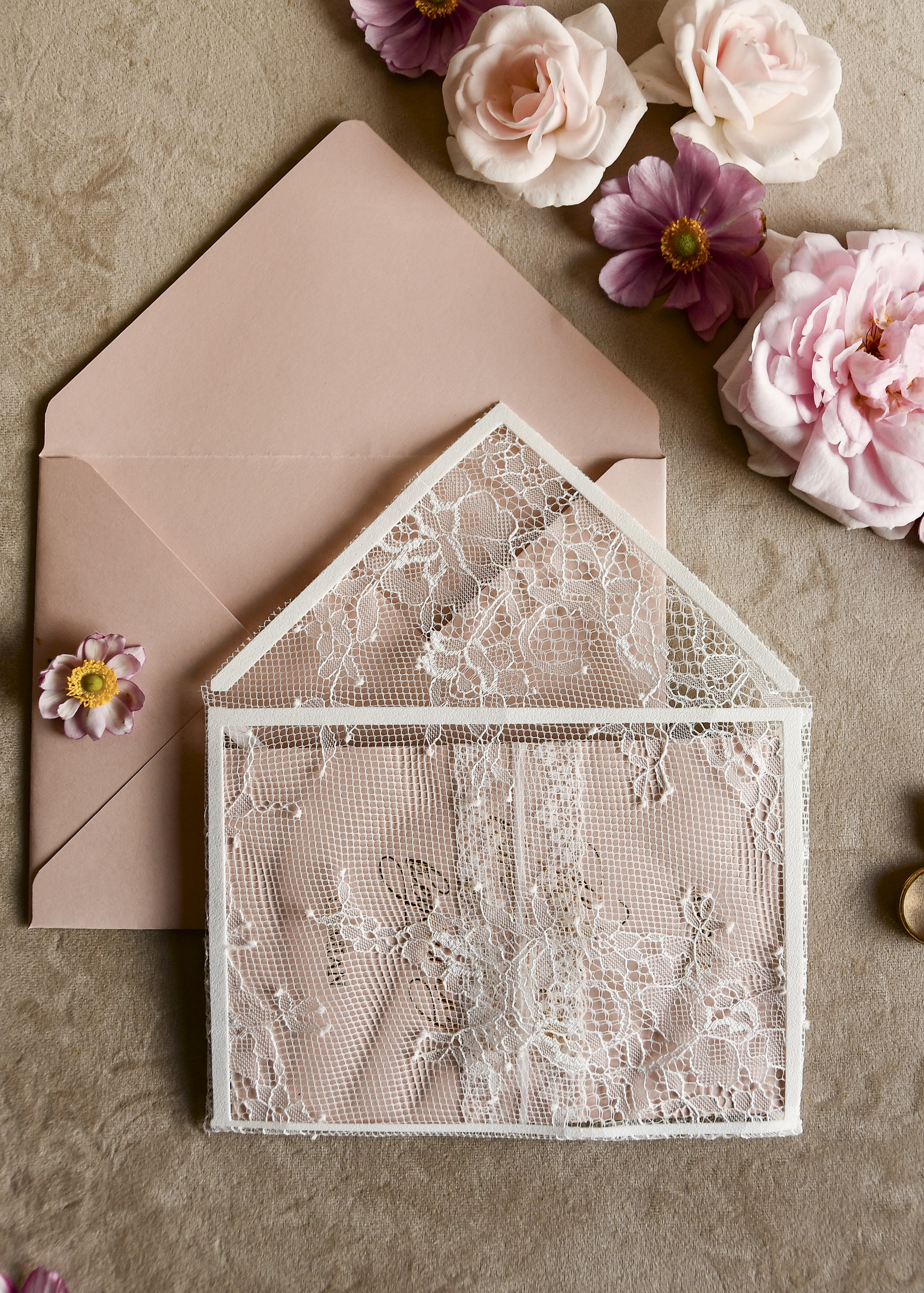
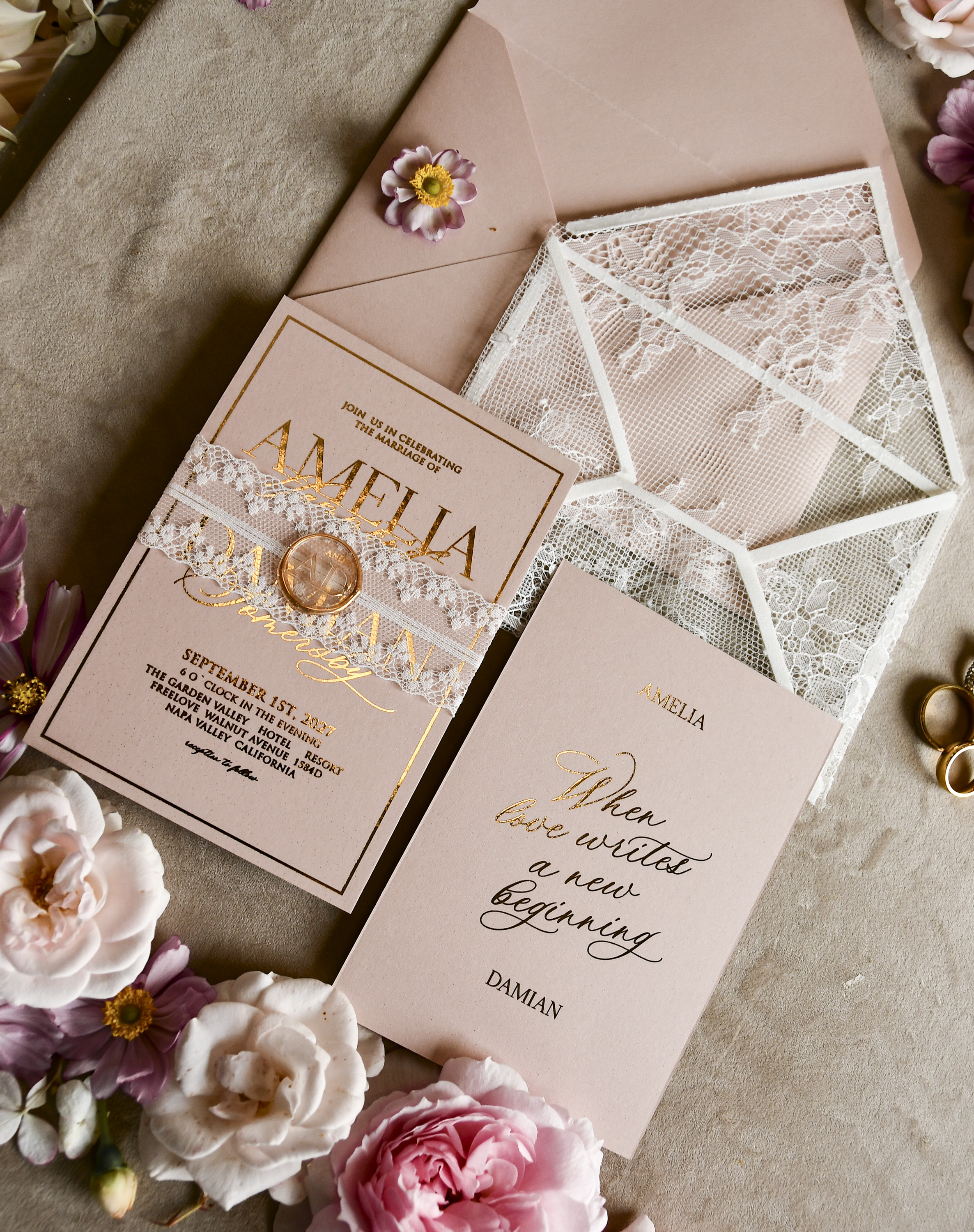
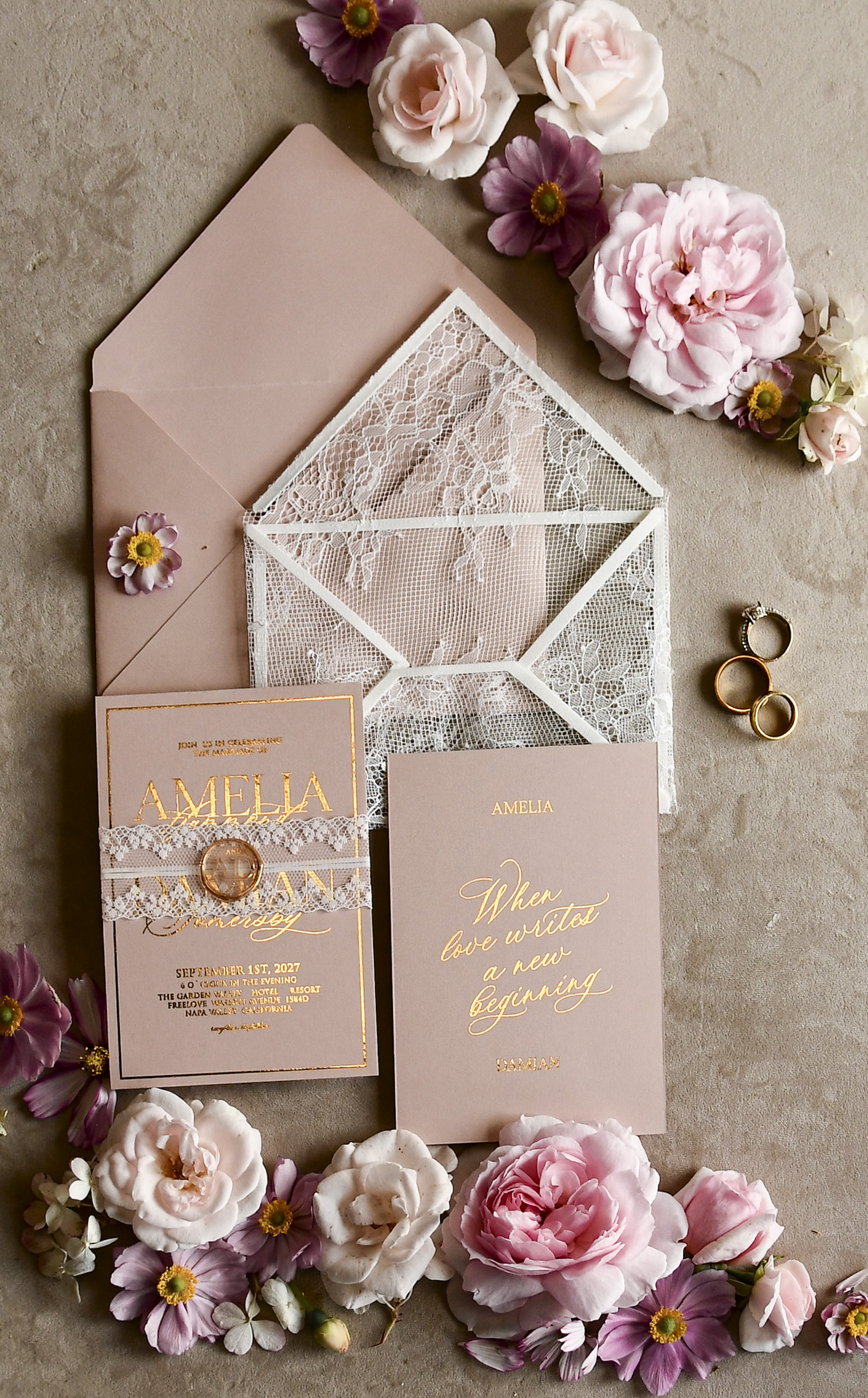
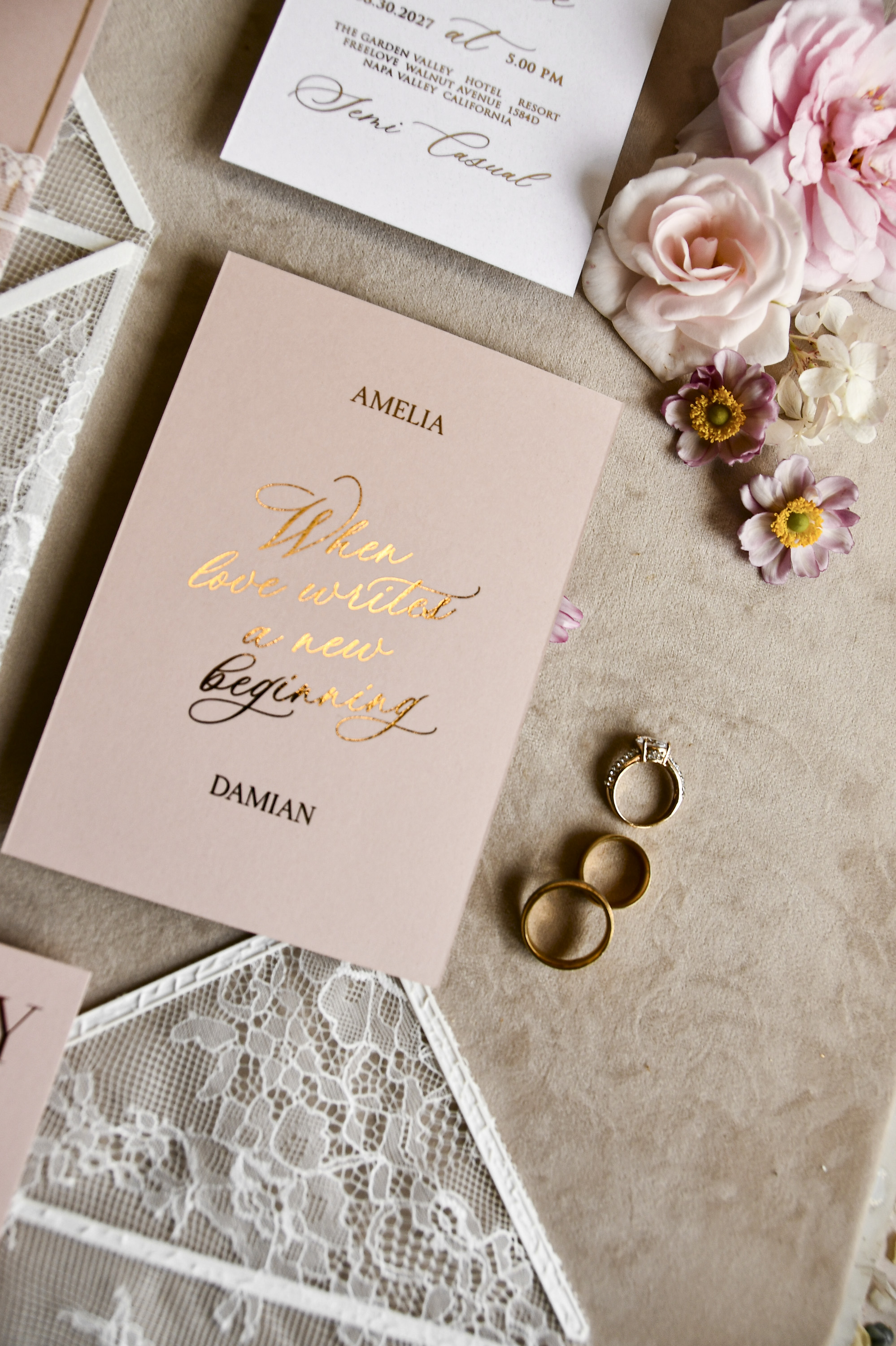
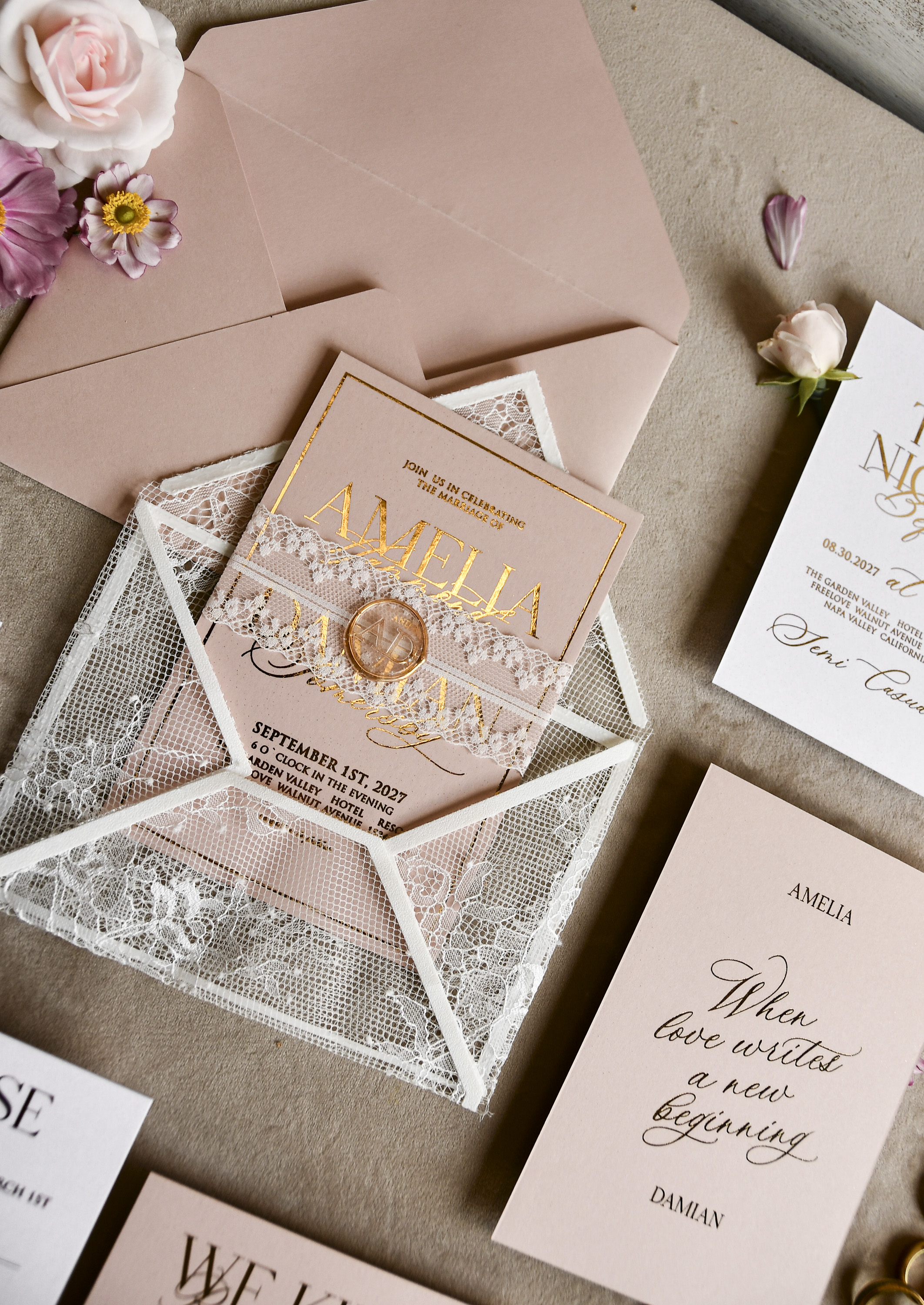
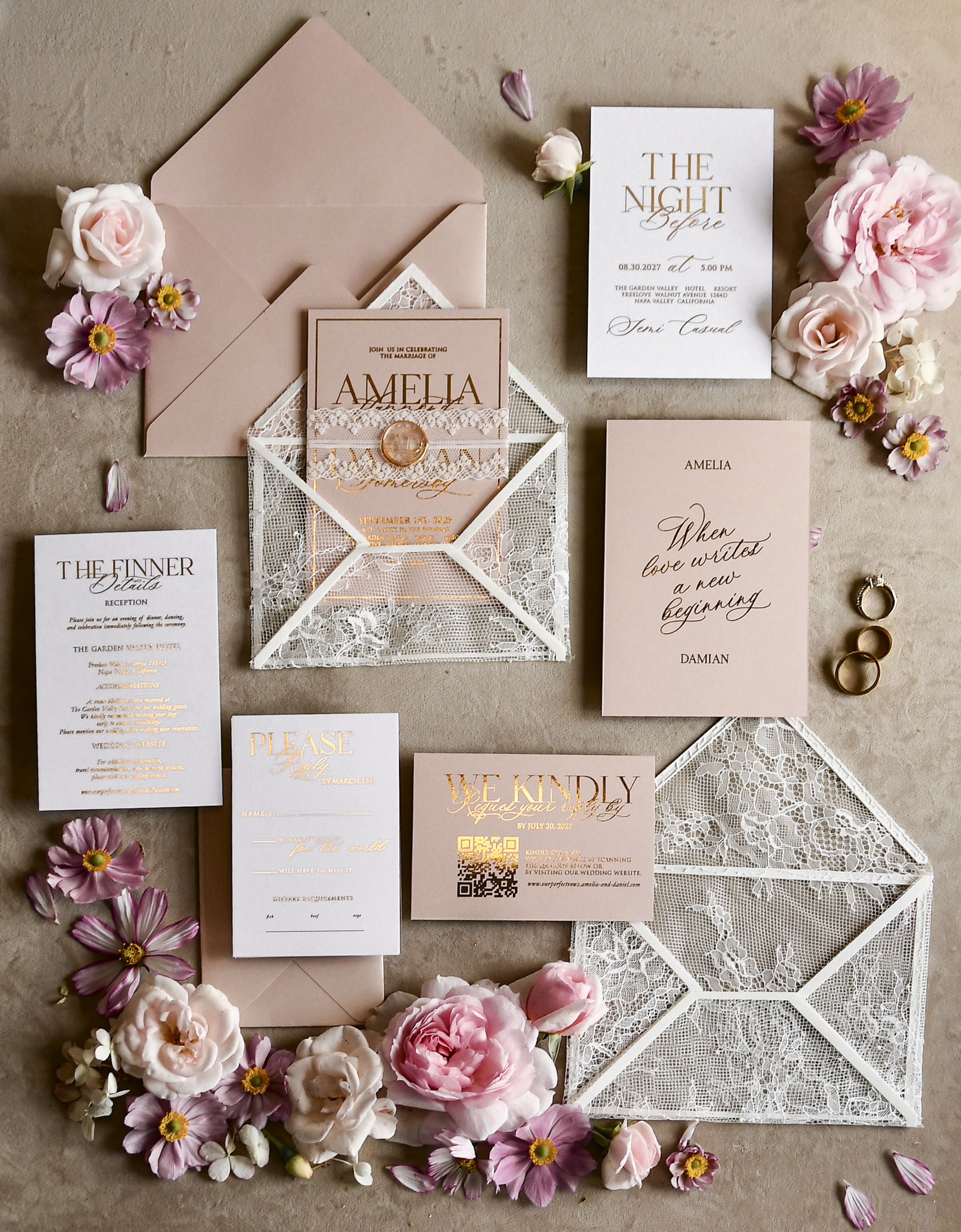
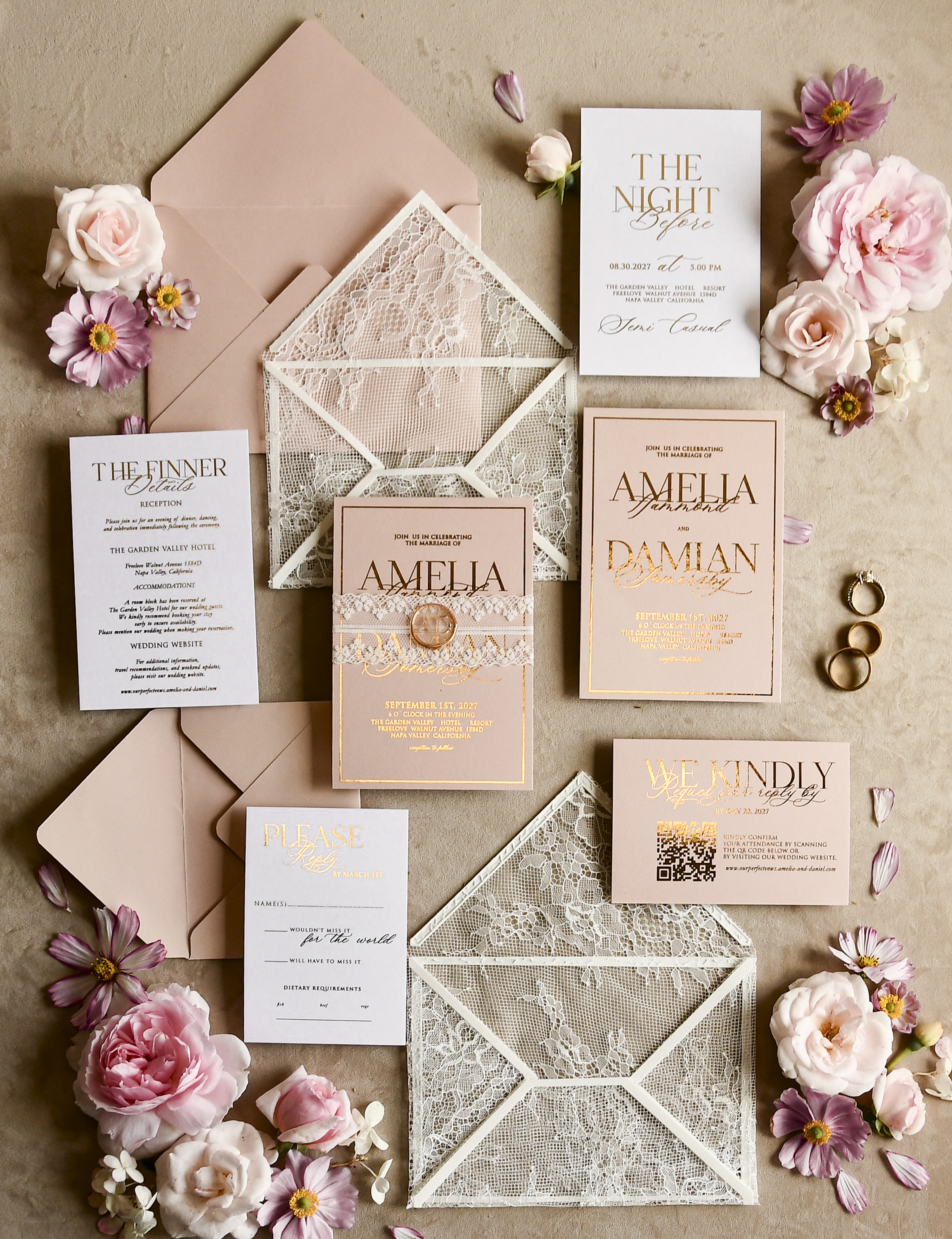
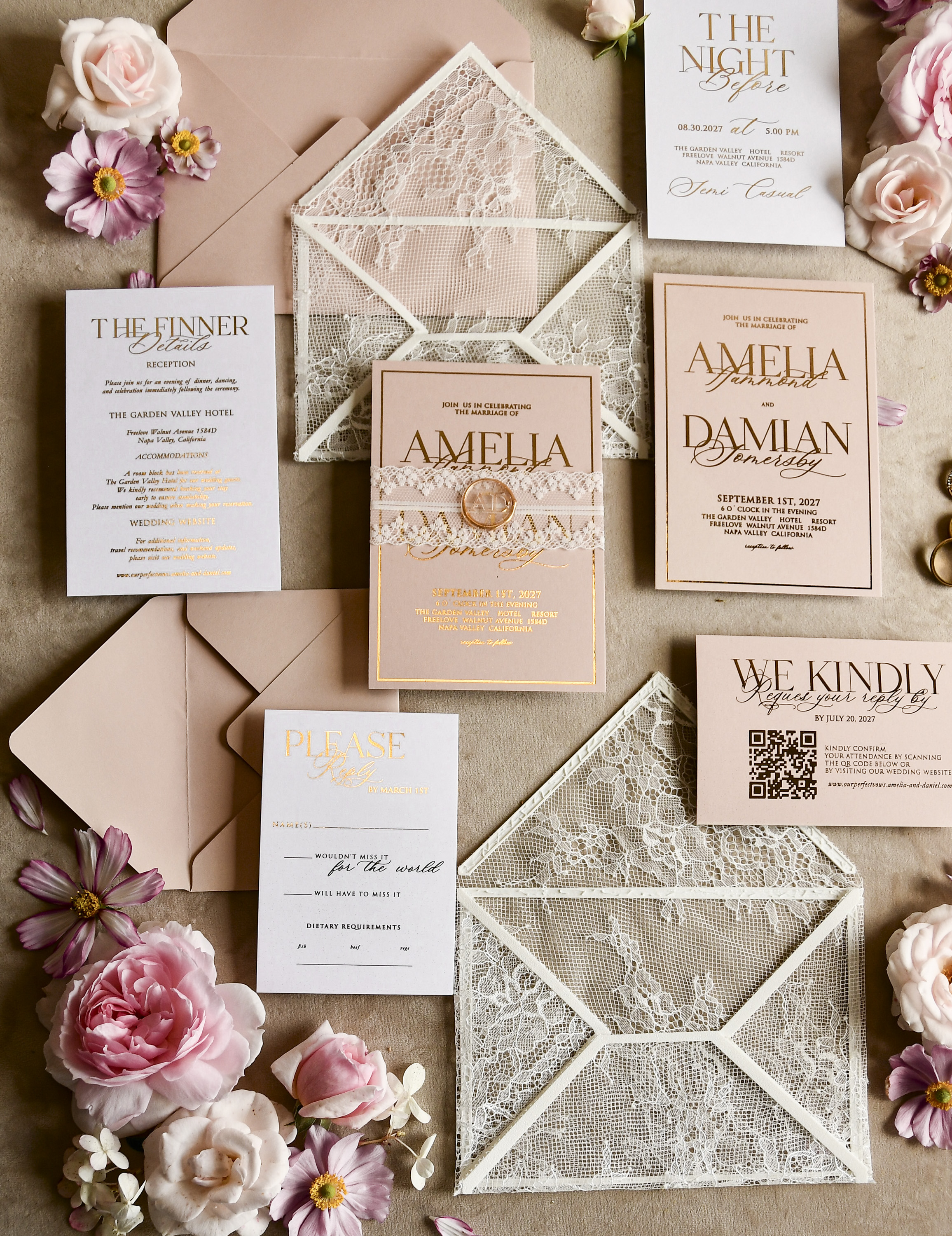
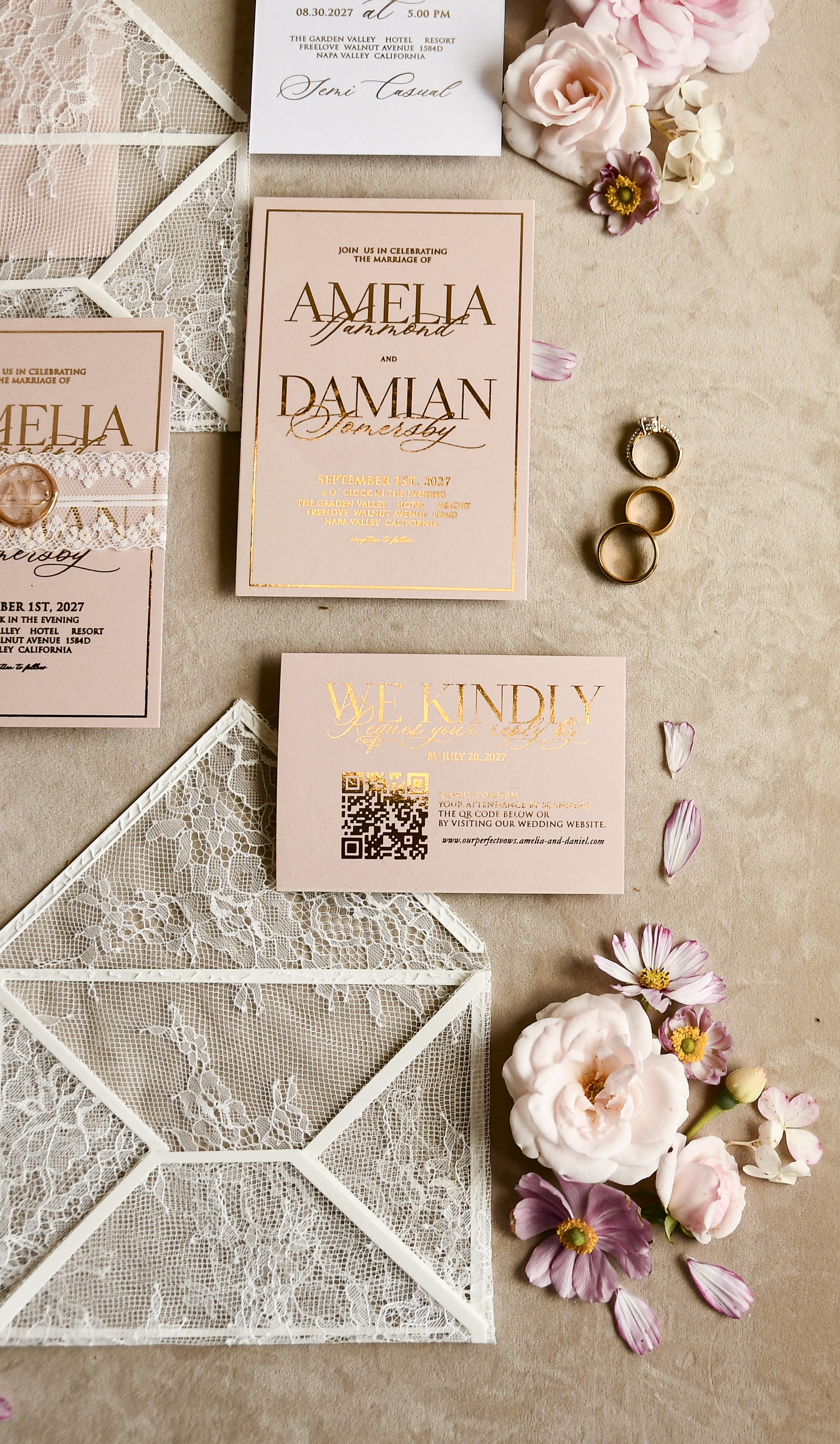
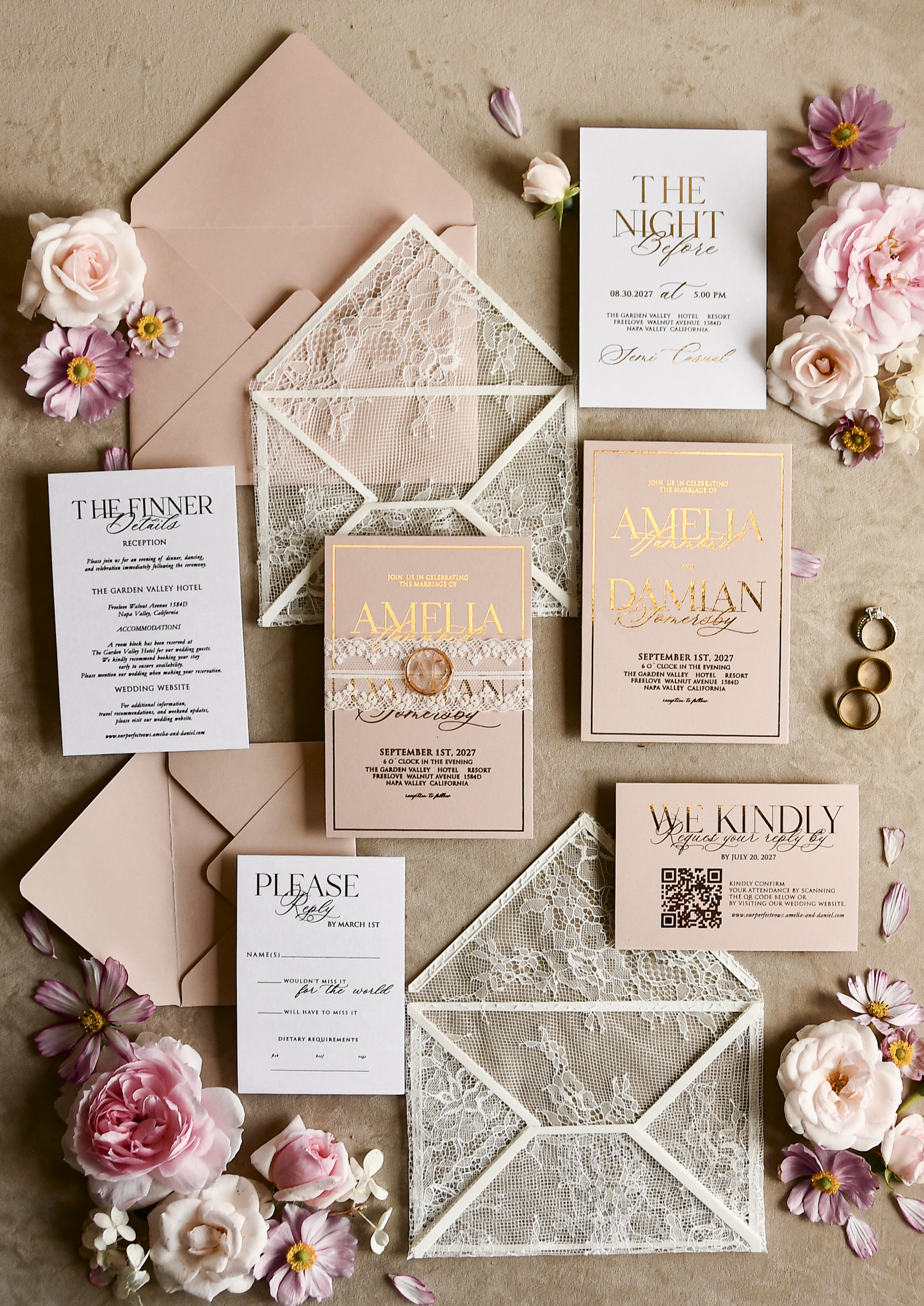
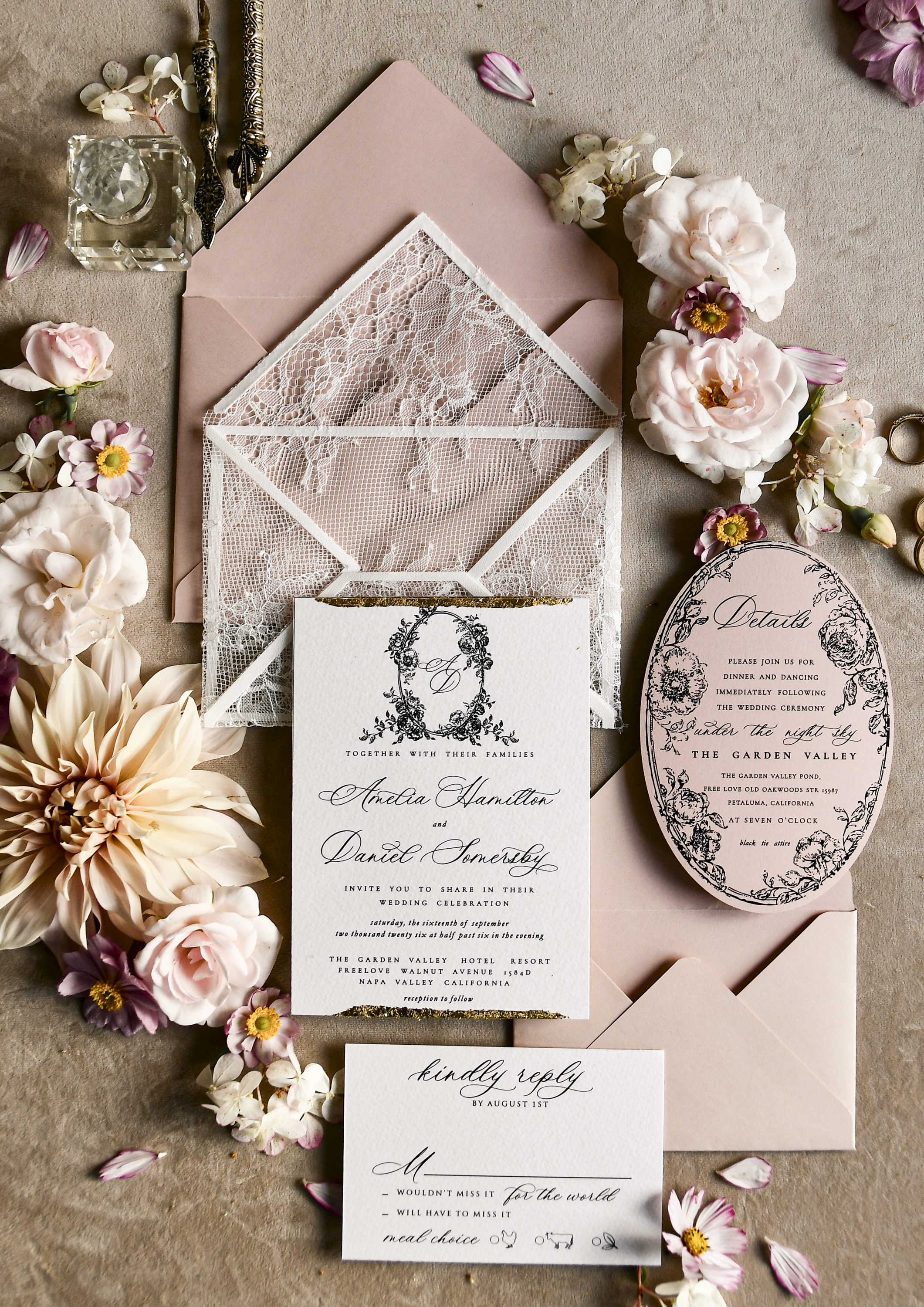
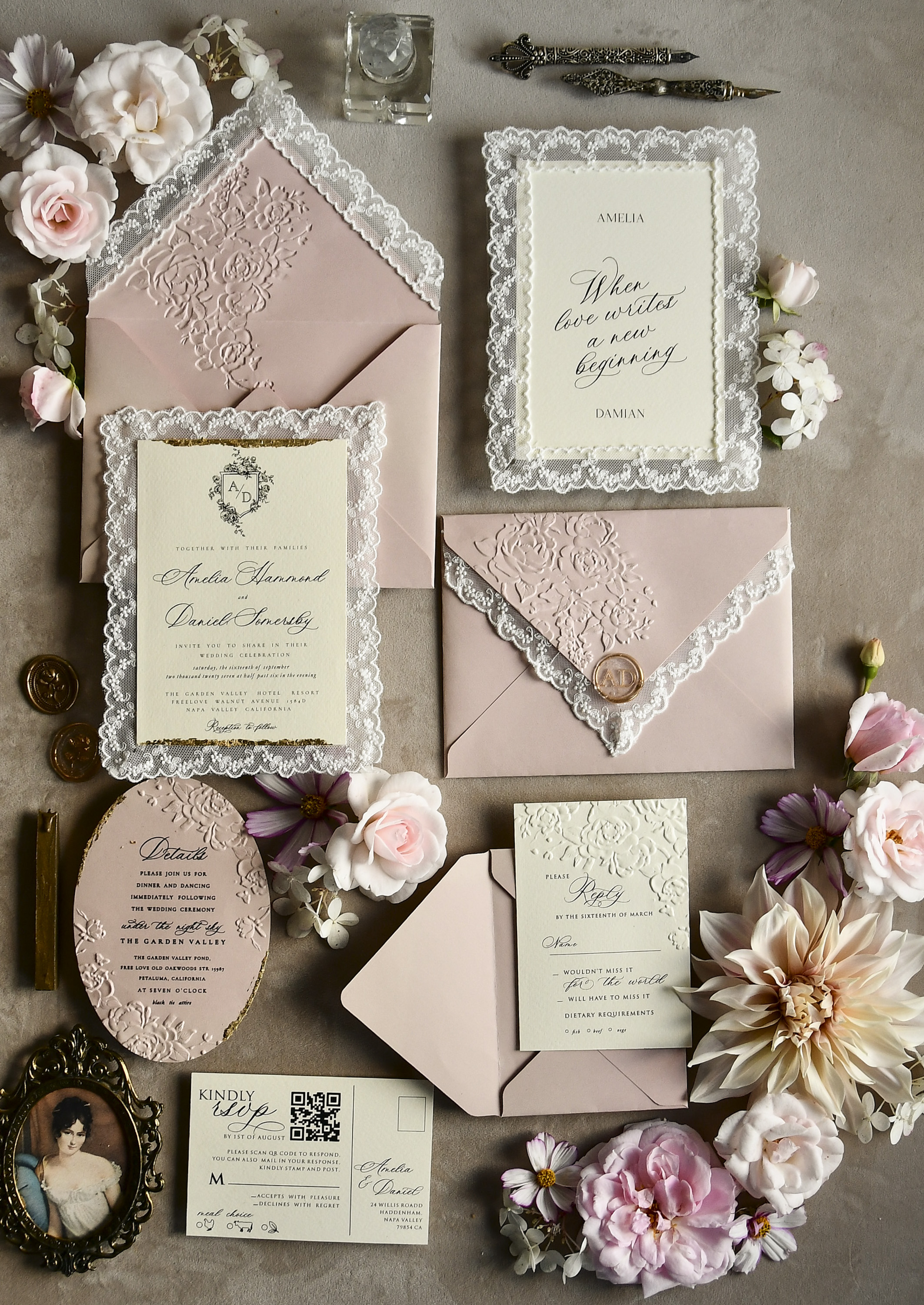
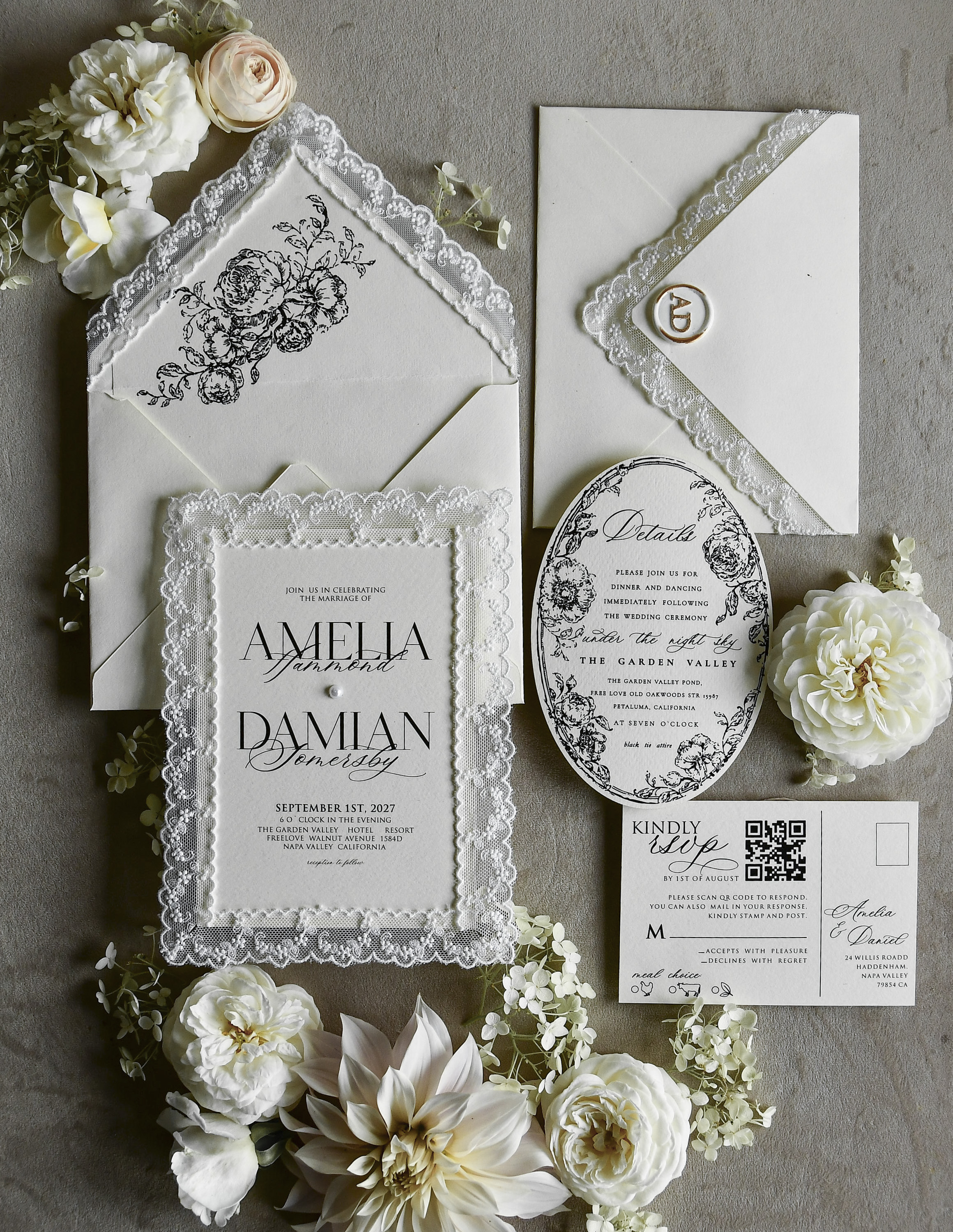
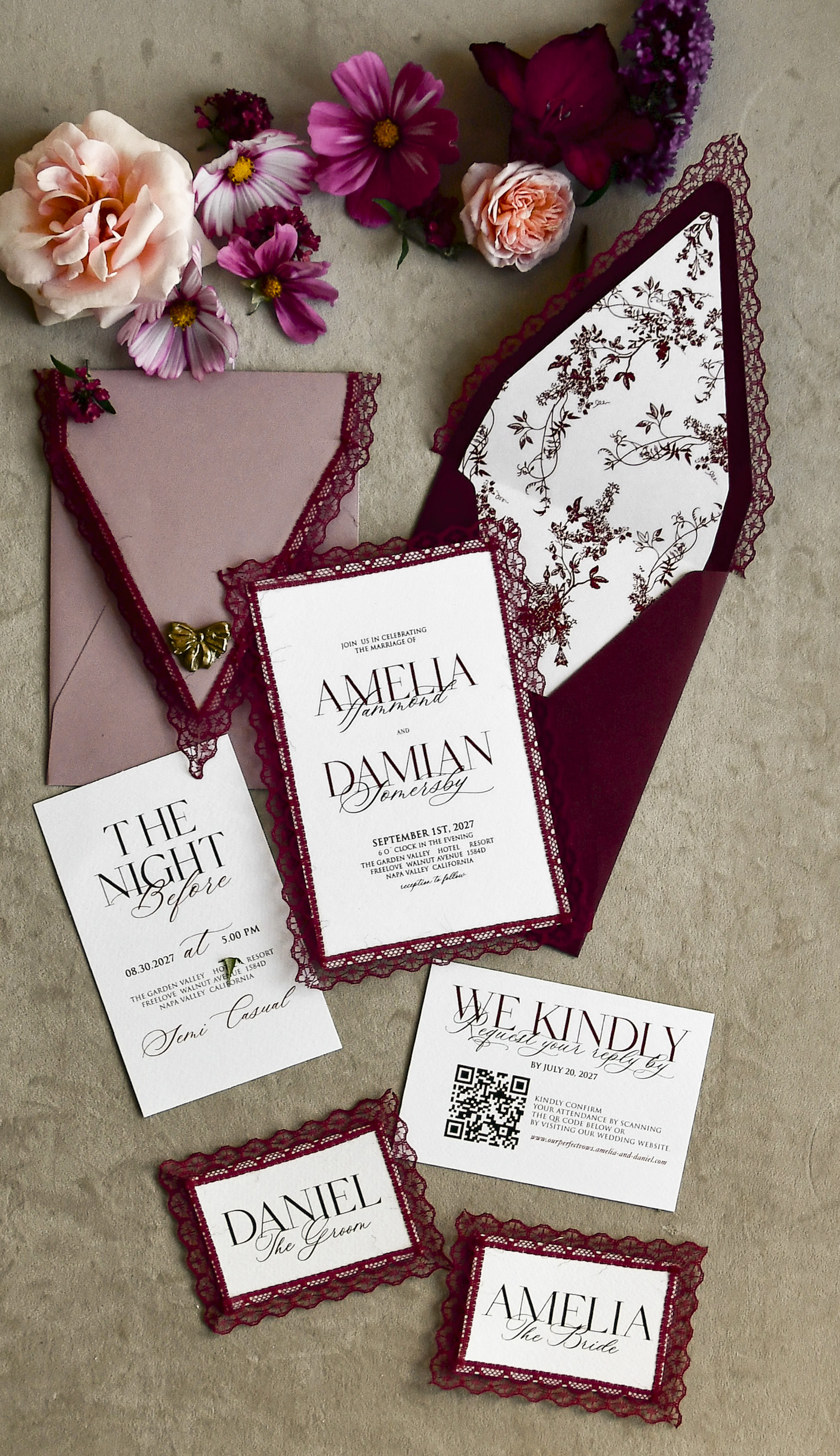
For a romantic aesthetic that still feels welcoming and personal, a design like the vintage lace wedding invitation from Margo&Bees (the 02/lacenvD/z style) gives your envelopes a timeless, elegant look that sets a warm tone from the very first impression — whether you're addressing one name or two.
A Few Extra Etiquette Points Worth Knowing
Before you seal those envelopes, keep these final tips in mind:
- Don't change your mind mid-planning. If you initially didn't extend a plus-one and then add one later because of pressure, be prepared to revisit the decision for everyone in a similar situation.
- Bridal party members typically get a plus-one regardless of relationship length — they're doing you a real service and will spend much of the day away from you.
- Be ready for the occasional awkward conversation. Some guests will ask directly. Have your response ready and keep it warm but firm.
- Consider your future relationship with this person. If your sister has been dating someone for four months but you have a strong feeling this is long-term, erring on the side of inclusion is rarely regretted.
Frequently Asked Questions
There's no universal rule, but three to six months is a common benchmark many couples use. What matters more than time is seriousness — cohabitation, engagement, or clear long-term commitment often outweigh a strict month count.
Acknowledge their feelings kindly and explain your policy briefly — venue limits and budget are honest, relatable reasons. Reassure them that you're excited to celebrate with them personally, and most guests will come around.
No — your wedding guest list is independent of past events. You're not obligated to maintain continuity from rehearsal dinners, showers, or other gatherings when building your final wedding list.
It's considered standard etiquette to extend a plus-one to all members of your wedding party, regardless of relationship status. They're dedicating significant time and energy to your day, and having a companion helps them enjoy the celebration too.
If the relationship clearly deepens — say, they get engaged or move in together — it's a kind gesture to reach out and extend an invitation if your venue capacity allows. You're never required to, but it can mean a lot to your guest.
Write "and Guest" on the envelope after your guest's name. It's the standard and gracious way to extend an open plus-one without requiring you to know the partner's name in advance.
See This Design Up Close
You May Also Like
More Wedding Planning Guides
- → Wedding Invitations: When the Clock Runs Out and What to Do About It
- → The Smartest Way to Get Your Wedding Invitations Into Guests' Hands
- → When a 'Yes' RSVP Turns Into an Empty Chair: What Couples Should Know
- → Guest List Too Long? Here's Exactly Where to Start Cutting
- → When Mom's Guest List and Yours Don't Match: A Practical Guide
- → Cutting Your Wedding Guest List Kindly and Confidently
- → More Guests or a More Meaningful Wedding? Here's How to Decide
- → The Art of Ceremony-Only Invitations: A Kind and Practical Guide
- → Skip the Stamp: A Practical Guide to Online RSVPs for Your Wedding
- → Wedding Invitation Essentials: What to Include and How to Say It
- → Save the Date vs. Wedding Invitation: What Each Card Actually Does
- → When Your Fiancé Wants a Family-Free Wedding: Finding Common Ground
- → Uninvited Plus-Ones and Tag-Alongs: How to Keep Your Guest List Intact
- → When Family Feuds Threaten Your Wedding Plans: A Practical Peacekeeper's Guide
- → Inviting an Estranged Brother or Sister: Finding Clarity Before You Seal the Envelope
- → Cousins, Invites, and Hard Choices: A Practical Guest List Guide