
Cutting Your Wedding Guest List Kindly and Confidently
One of the most stressful parts of wedding planning isn't choosing a venue or picking a color palette — it's figuring out who doesn't make the guest list. Whether you're working with a tight budget, a small venue, or simply a vision of an intimate celebration, trimming the list is almost always necessary. The good news: it can be done with honesty, consistency, and kindness — and without leaving a trail of hurt feelings behind you.
Start With a Framework Before You Start Cutting
The most important thing you can do before crossing off a single name is agree on a clear set of rules with your partner. When decisions are guided by consistent criteria rather than gut feelings, it's much easier to explain them to others — and much harder for anyone to feel personally targeted.
Common guest-list rules that couples use include:
- The two-year rule: Only invite people you've had a meaningful conversation with in the last two years.
- No plus-ones for guests you've never met their partner: If you haven't met someone's significant other, it's reasonable not to extend a plus-one.
- No children under a certain age — applied universally, not selectively.
- No coworkers — or only invite coworkers you also see socially outside of work.
Once your rules are set, apply them consistently. Consistency is your best protection against hurt feelings. If one cousin's children aren't invited, no cousin's children should be invited.
Have Honest, Gentle Conversations Early
Don't wait for people to ask why they didn't receive an invitation. If you know a close friend or family member might expect to be included, reach out before invitations go out. A simple, warm message goes a long way:
"We're keeping our wedding really small — just immediate family and a handful of close friends. I wanted you to hear it from me directly so you didn't wonder. It genuinely has nothing to do with how much you mean to us."
You don't owe anyone a detailed explanation, but you do owe the people closest to you a heads-up. That small act of respect makes a significant difference in how the news lands.
Handle Family Pressure With a United Front
Family guest lists are often the trickiest part. Parents may have their own lists of cousins, colleagues, and old family friends they'd like to include. It's important to set expectations early — ideally before you've committed to a venue capacity.
Be clear about your total guest count from the start. If each set of parents is contributing financially, you might allocate a set number of invitations to each side. If parents are not contributing, it's entirely reasonable — and increasingly common — for the couple to control the list entirely.
When relatives push back, hold the line kindly but firmly: "We completely understand, and we wish we could include everyone. Our venue only holds [X] guests, and we've had to make really hard decisions across the board." Blaming the venue or the budget (even when those are real constraints) keeps the conversation practical rather than personal.
Consider Tiered Invitations Carefully
Some couples manage a smaller ceremony by inviting a broader group to a post-wedding celebration — a backyard party, a brunch, or a casual gathering in the weeks after the wedding. This can be a lovely way to celebrate with people who weren't at the main event, as long as it's handled thoughtfully.
The key etiquette rule: people invited only to the secondary event should never find out they were a "B-list" addition. Send those invitations promptly and frame the event as its own celebration, not a consolation prize.
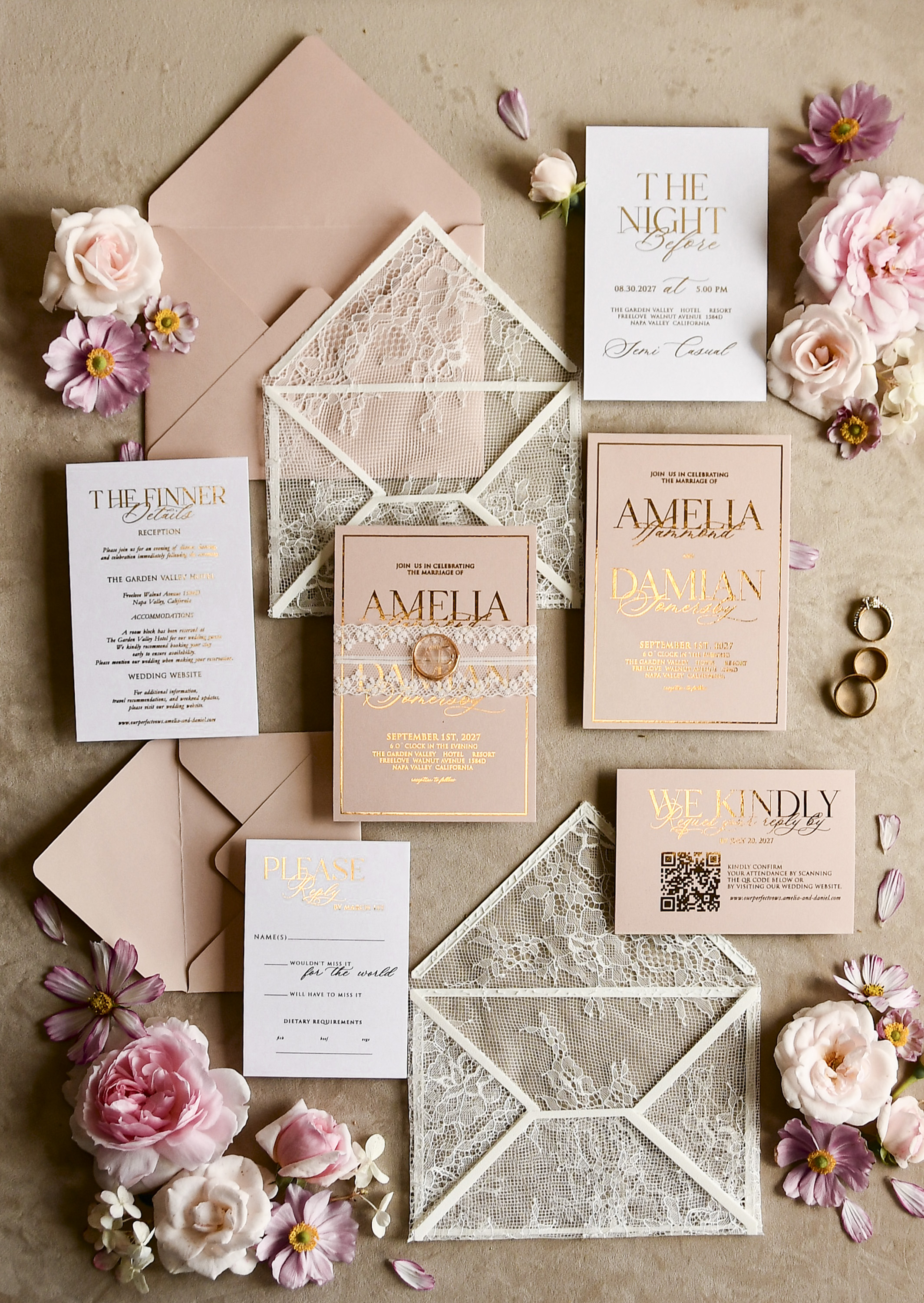
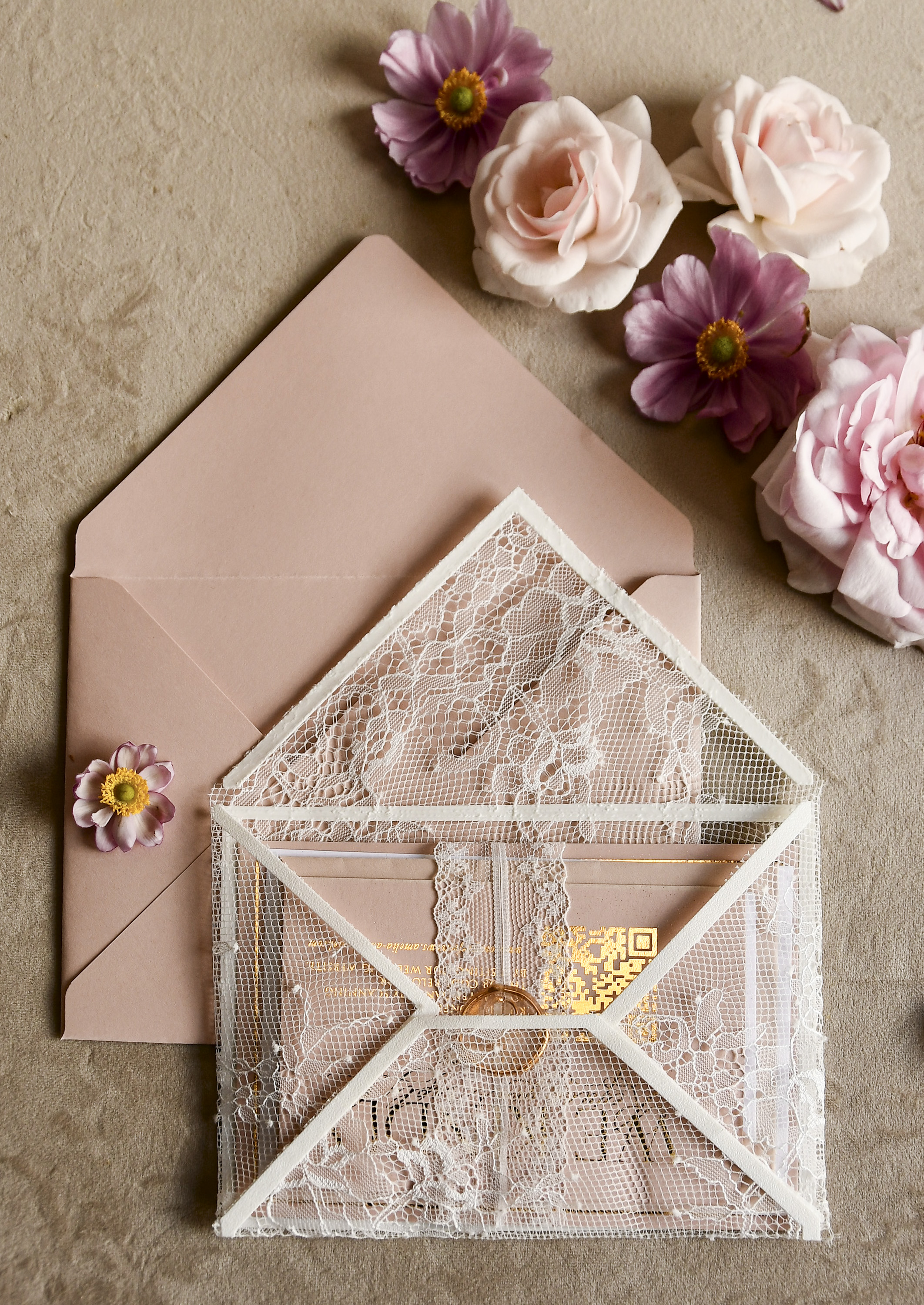
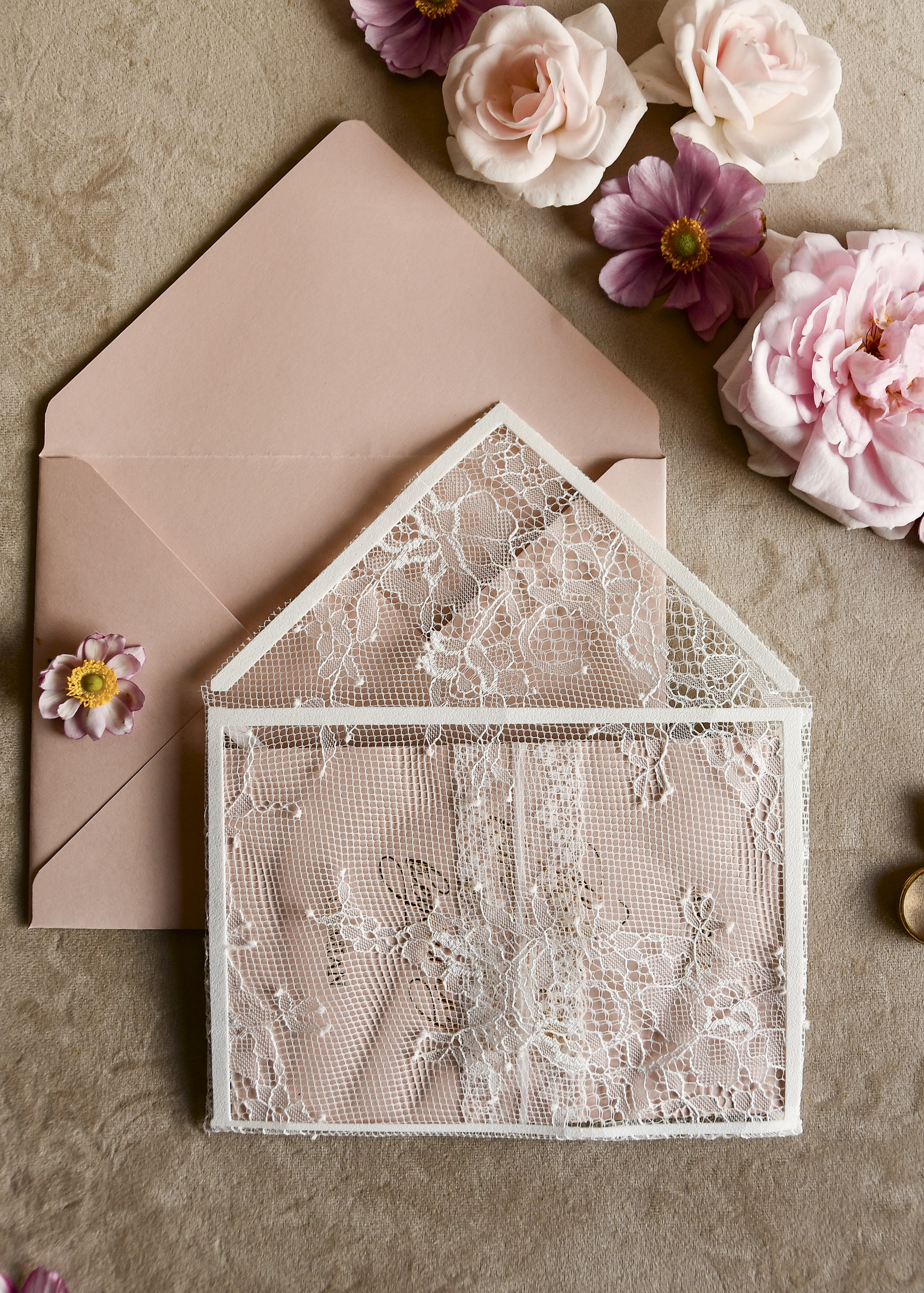
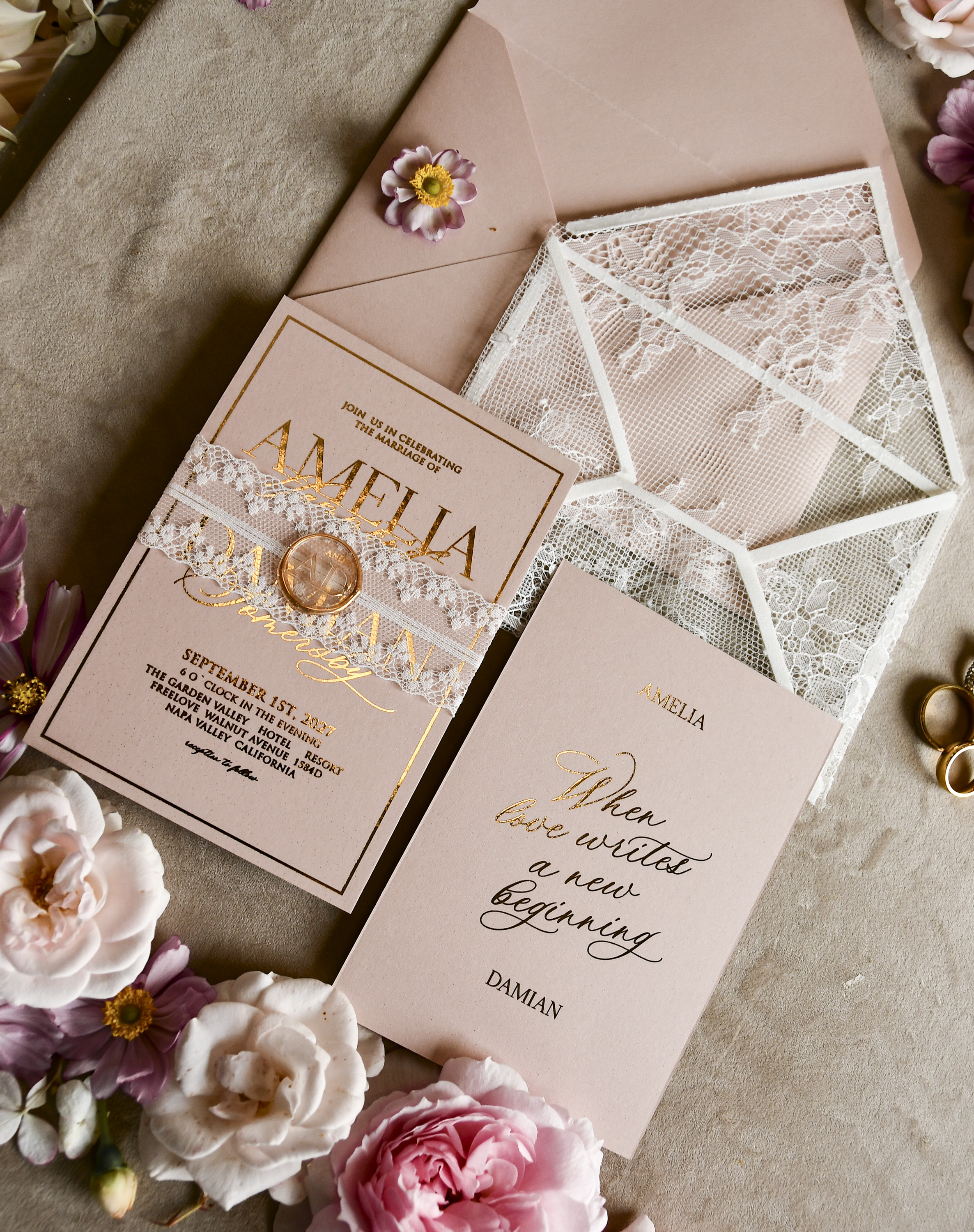
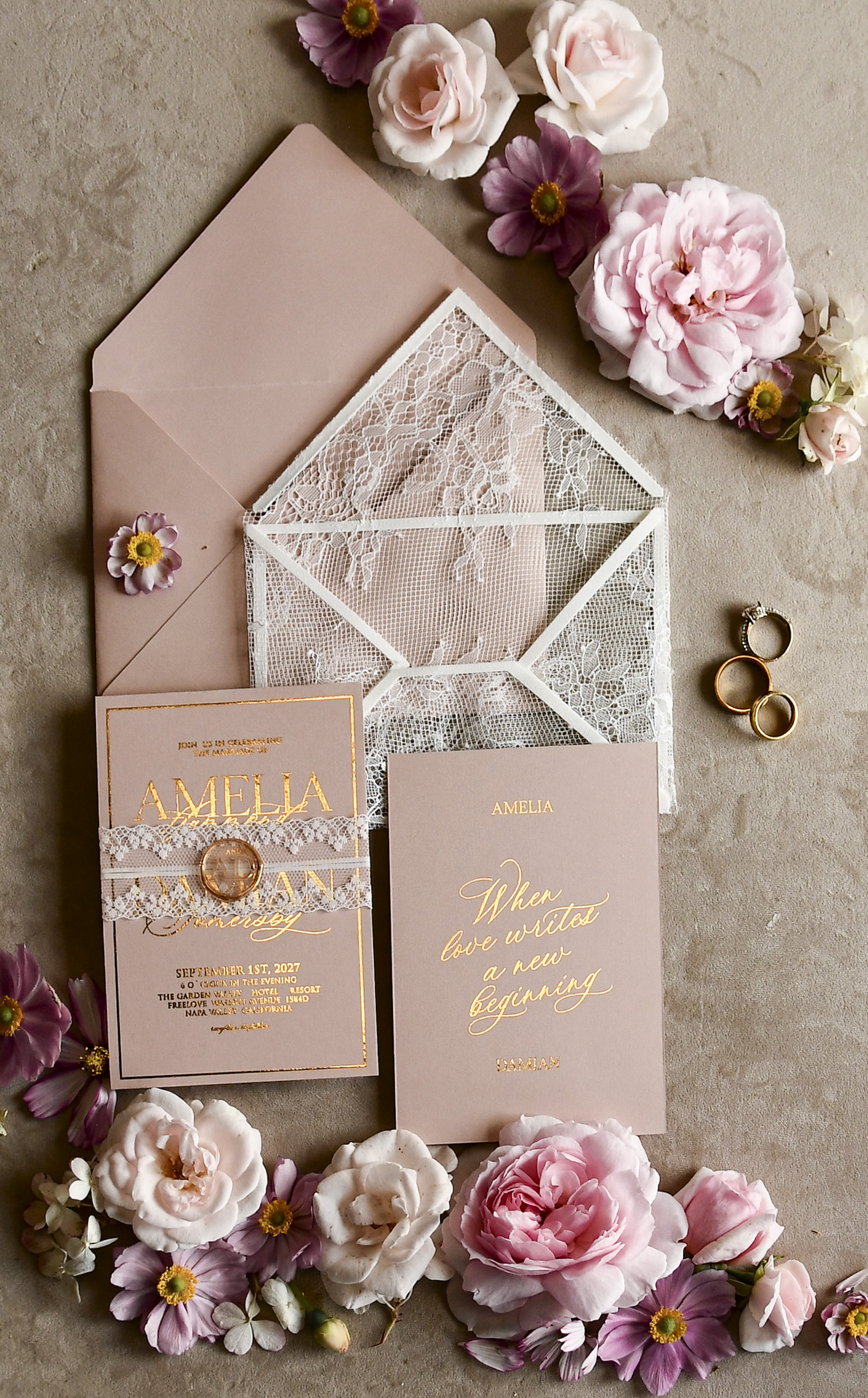
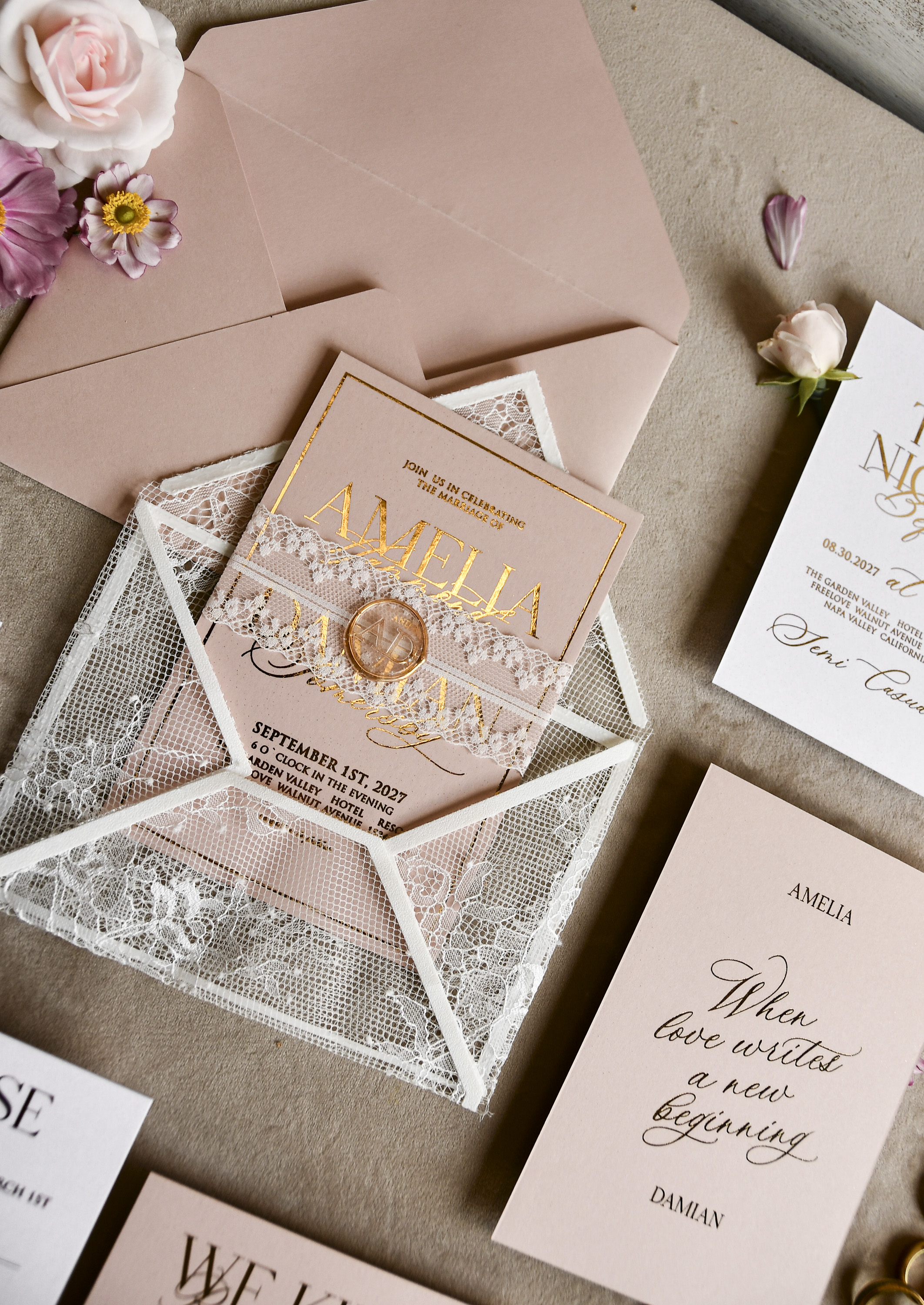
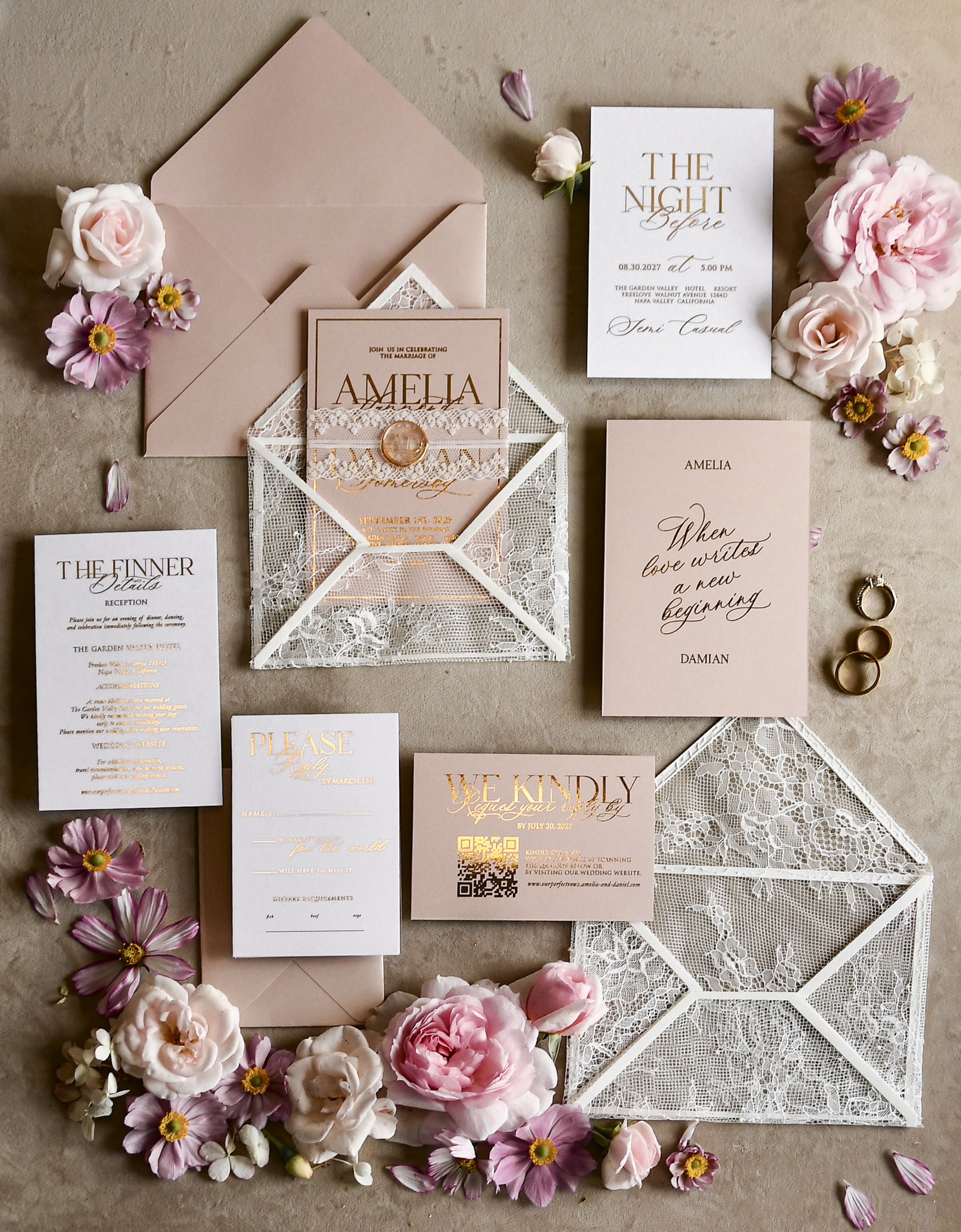
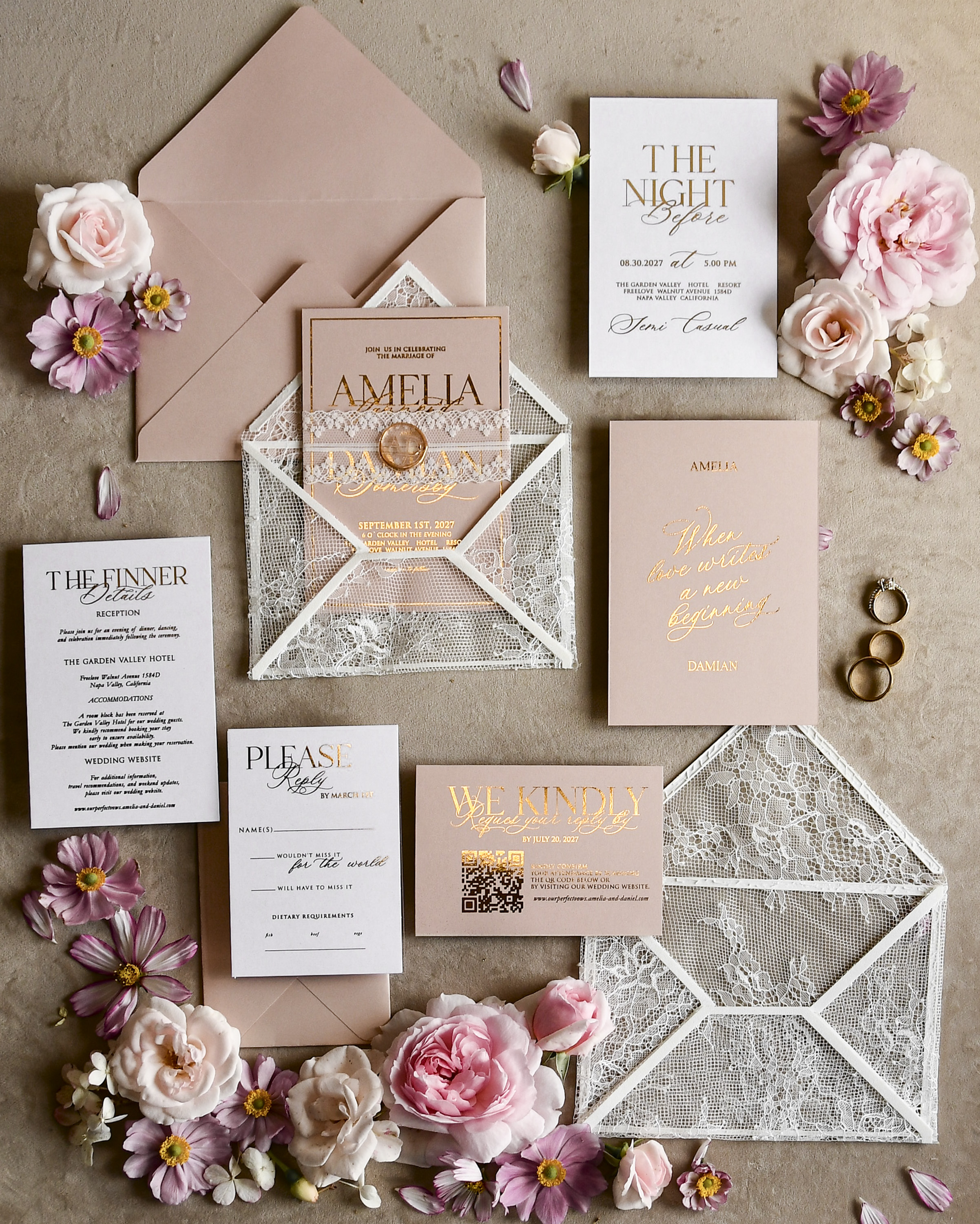
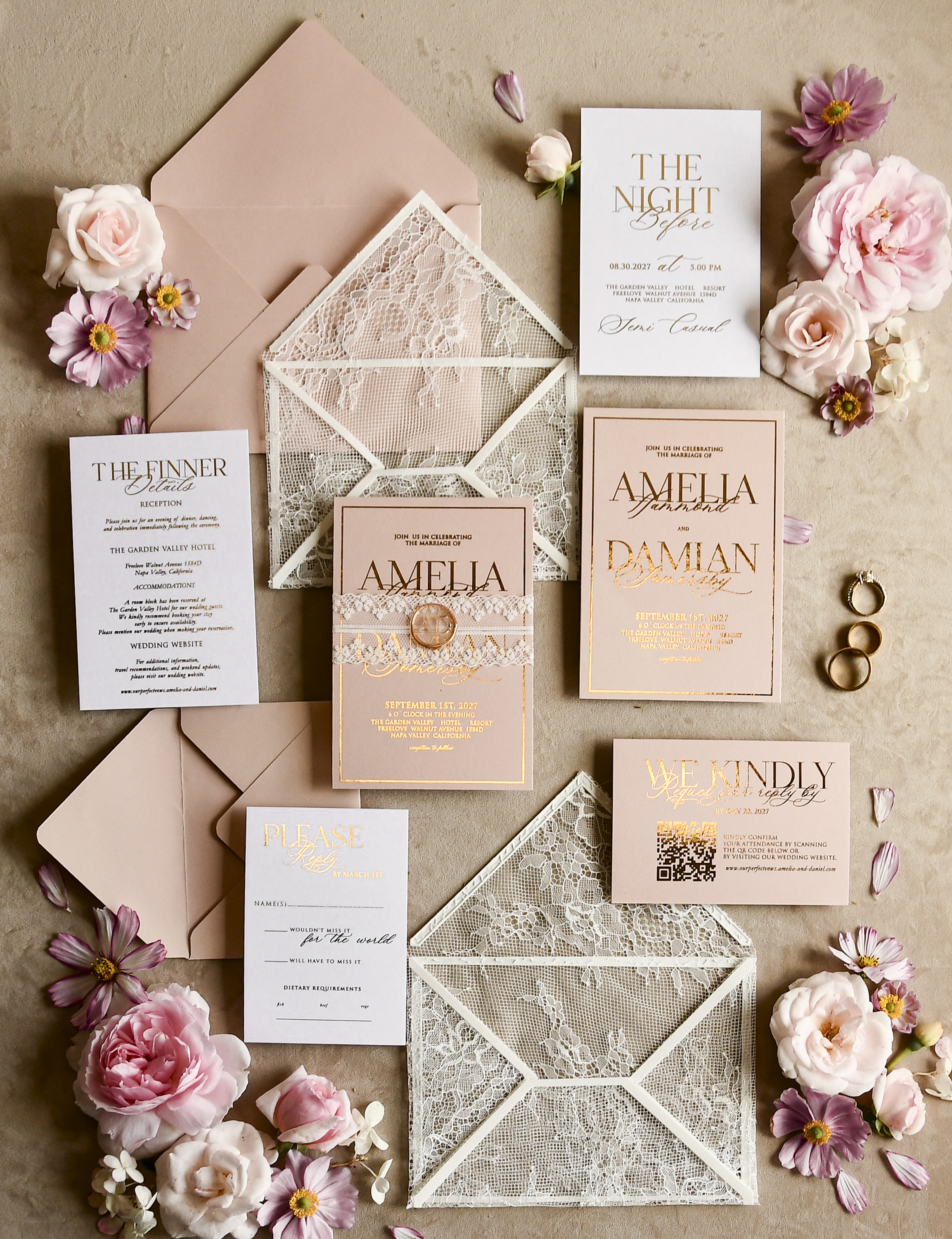
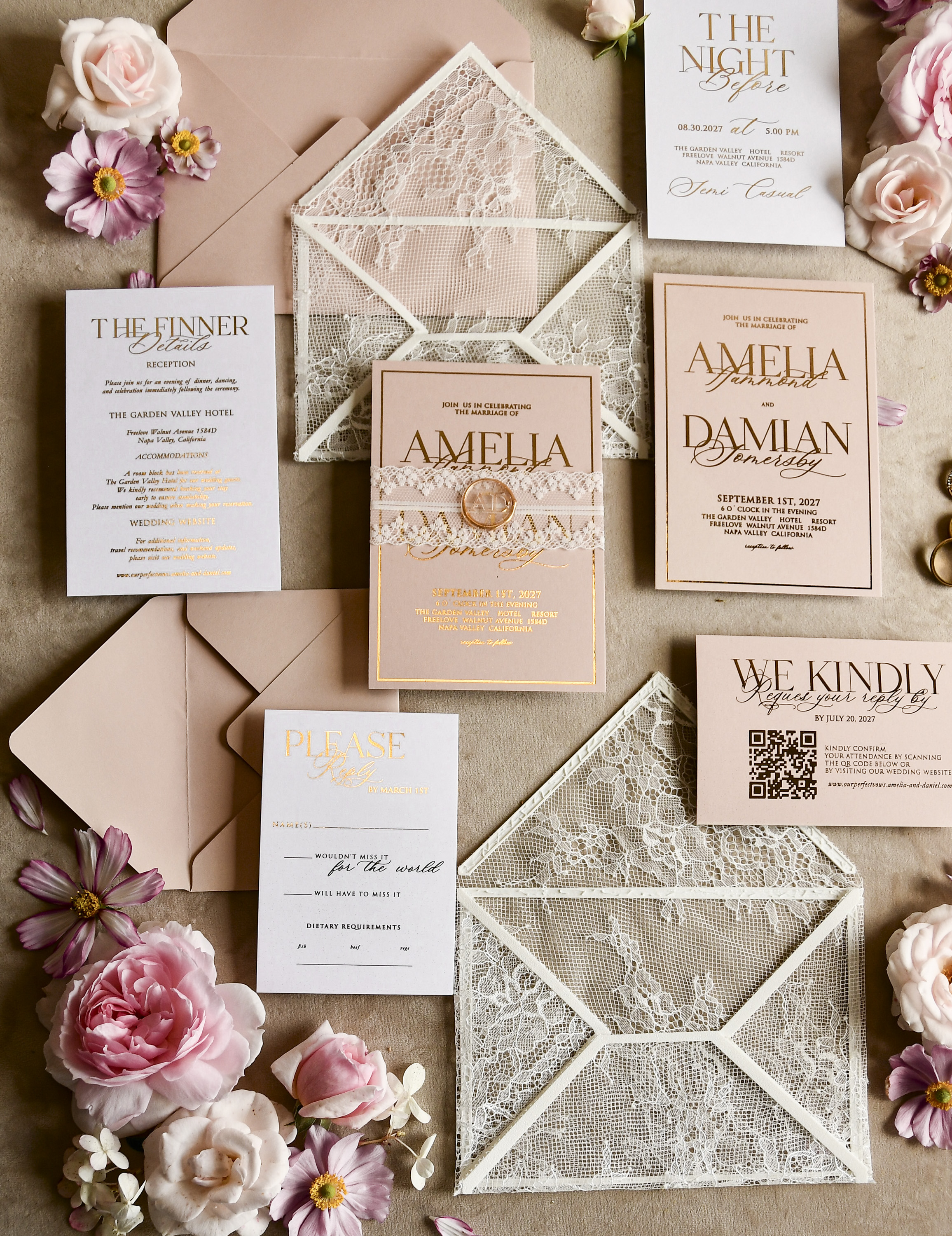
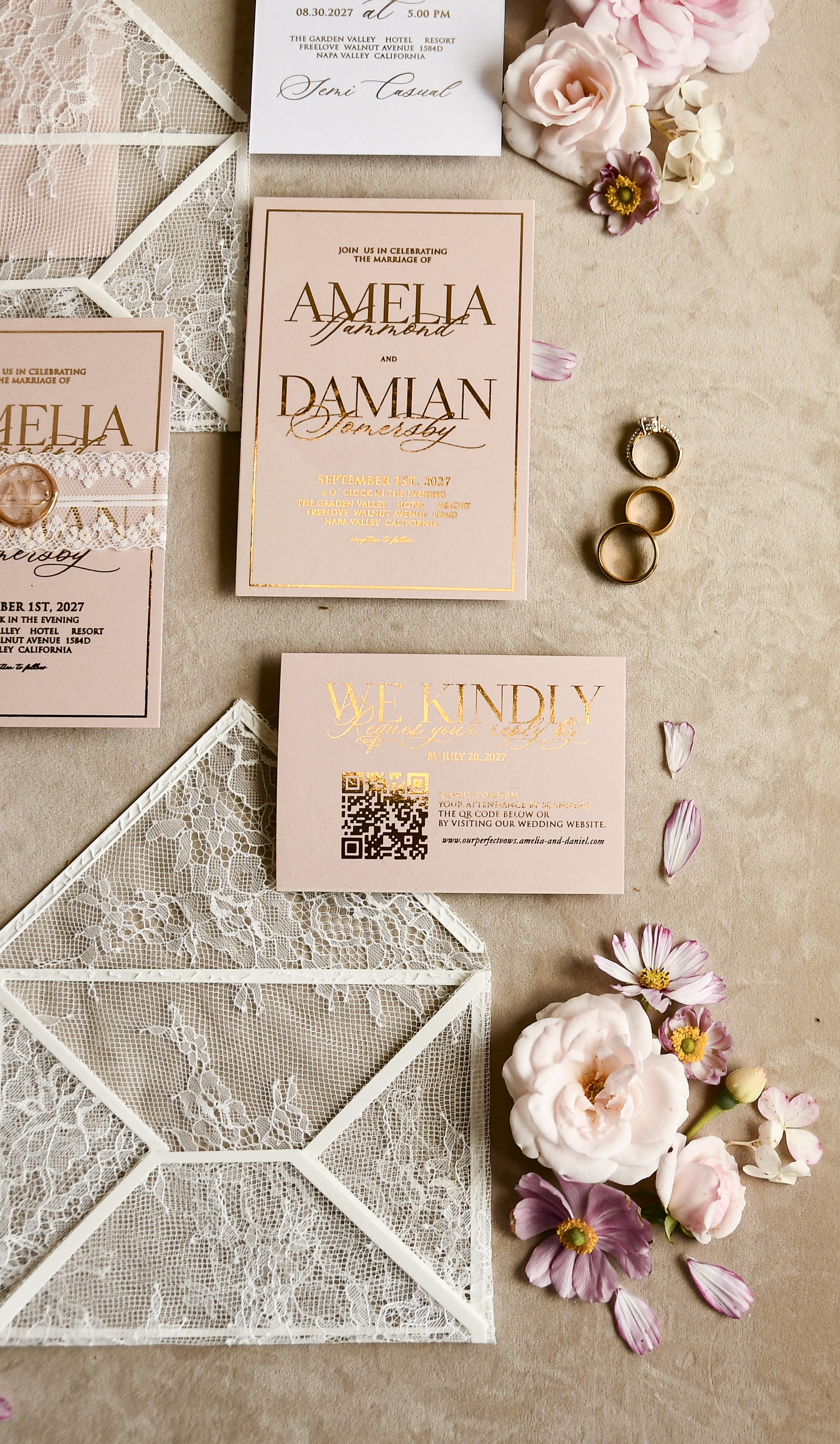
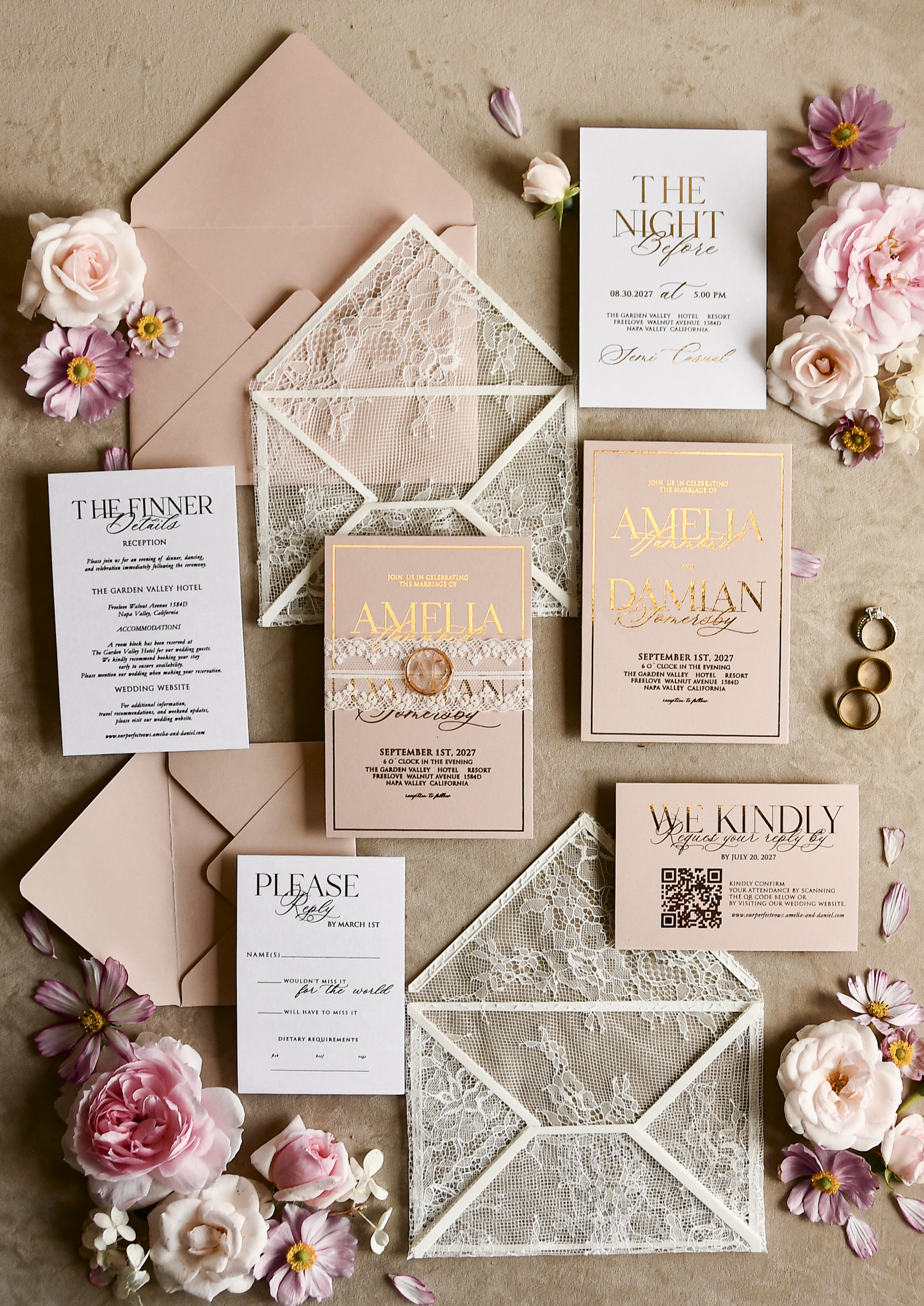
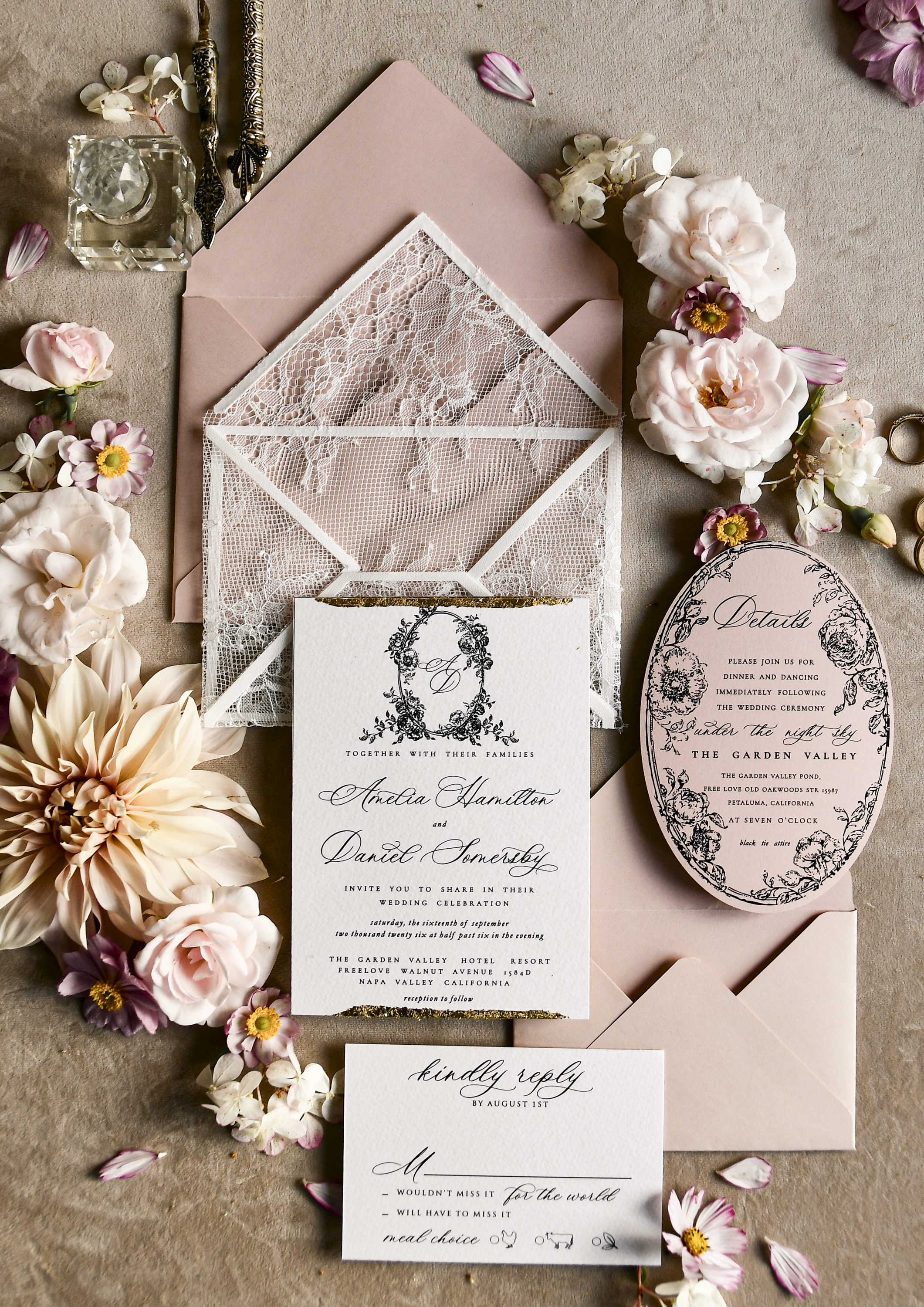
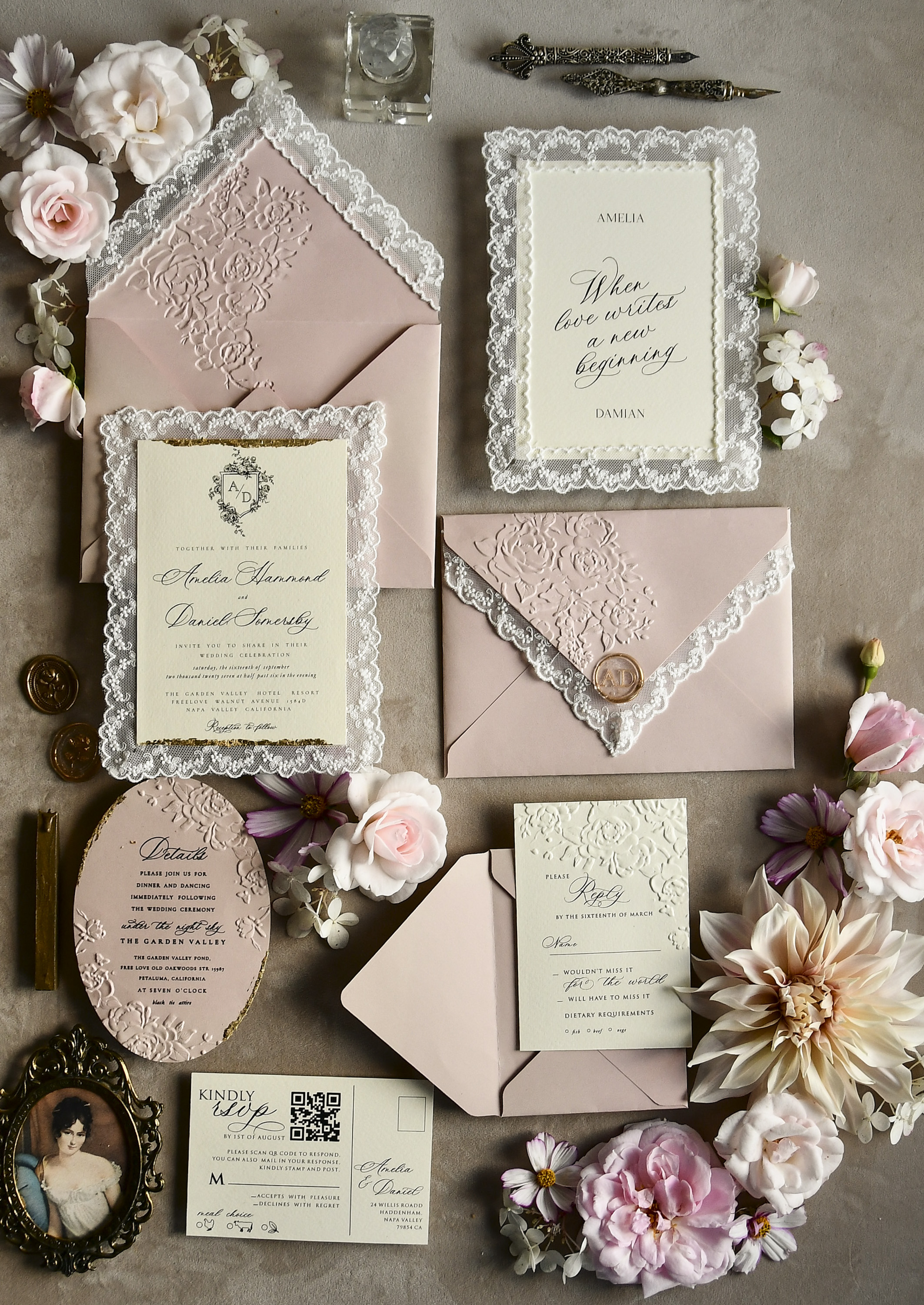
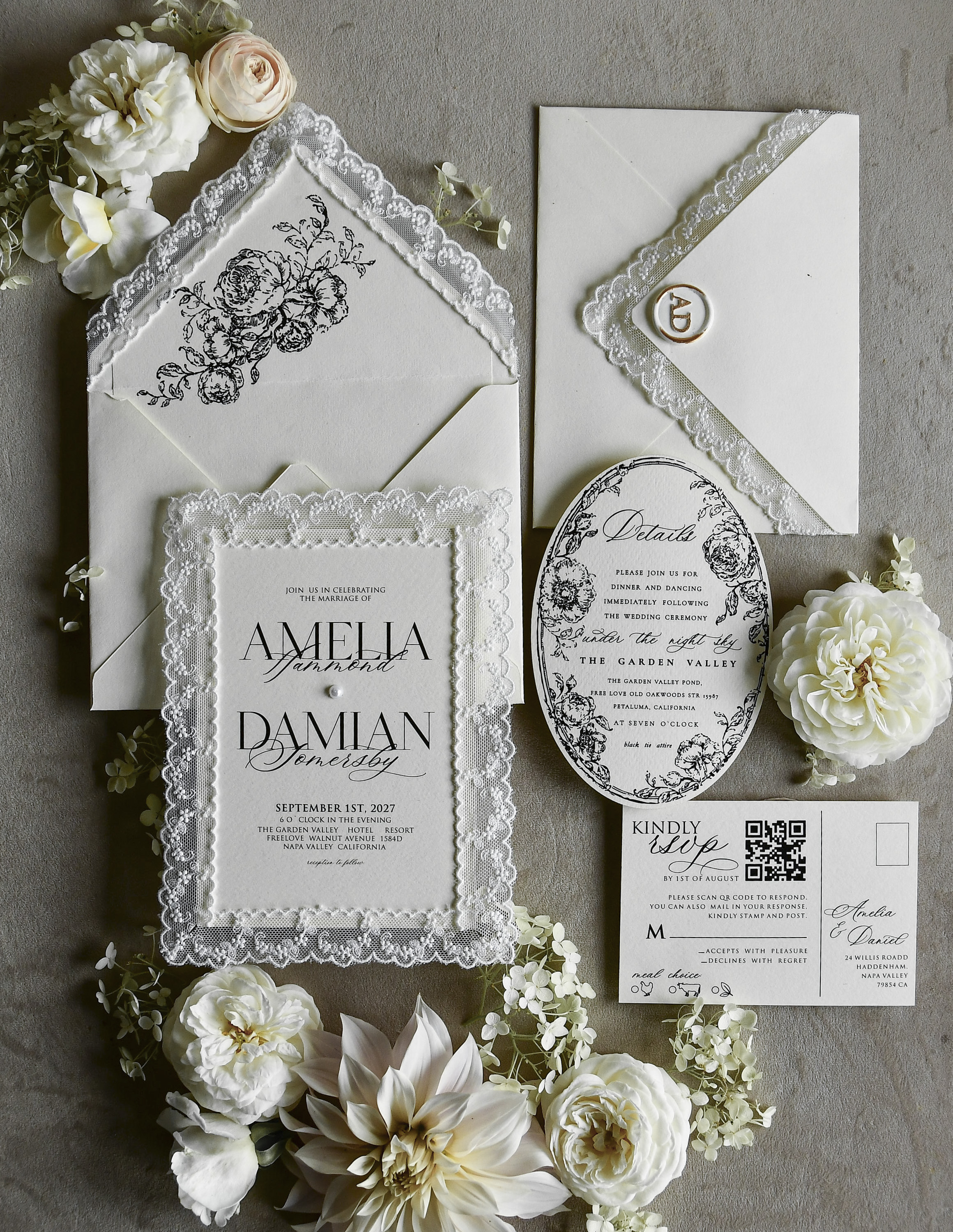
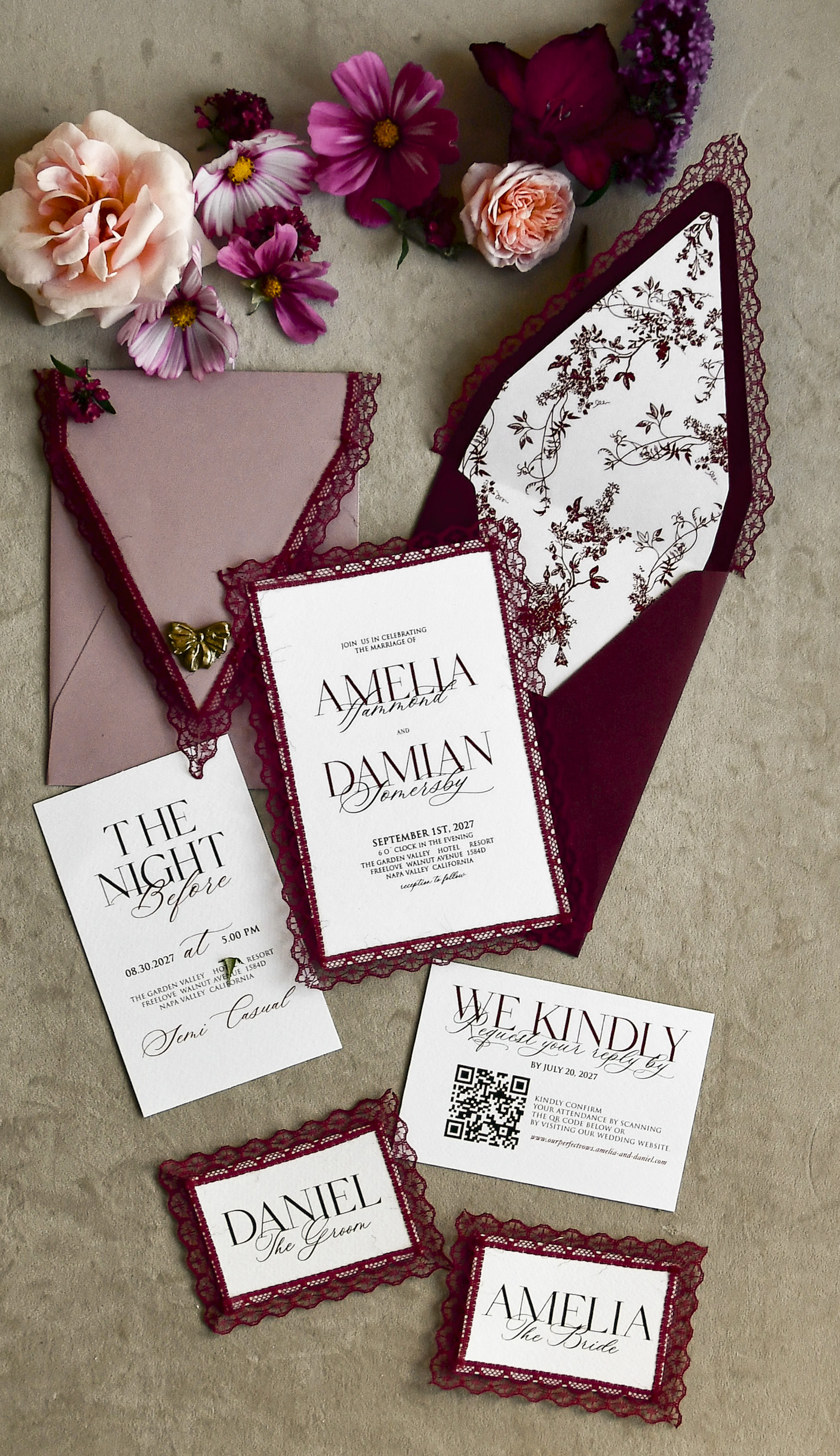
When you do send your formal wedding invitations — whether you choose elegant vintage lace designs like the 02/lacenvD/z from Margo&Bees or something more modern — make sure every guest on your list receives them at the same time. Staggered sends can signal tiered status and create unnecessary hurt.
Remember: Your Wedding, Your Rules
It can feel selfish to limit your guest list, but it isn't. A smaller wedding often means a more meaningful, present experience for everyone there — including you. Guests who make the cut are almost always thrilled to be part of an intimate celebration.
Give yourself permission to make decisions that serve your vision and your budget. Most people, when they've had time to process the news, understand. And those who don't? That says more about expectations than it does about your choices.
Be kind, be consistent, and communicate early. That's the formula for a guest list that's right-sized and relationship-intact.
Frequently Asked Questions
You're not obligated to give a detailed explanation, but a brief, warm acknowledgment to close friends or family can prevent lasting hurt. Keep it simple: reference your venue size or desire for an intimate celebration, and make clear it isn't personal.
Absolutely — child-free weddings are very common and completely acceptable as long as the rule is applied to all guests equally. Communicate the policy clearly on your wedding website or through word of mouth so parents have time to make arrangements.
Stay warm and honest without over-explaining. A response like, "We kept it really small and had to make some really hard calls — we hope you understand," is both truthful and kind. Avoid comparisons or listing who <em>was</em> invited.
Set your total guest count as a firm number from the beginning and allocate slots to each side if parents are contributing financially. If they're not contributing, you have full authority over the list — though communicating that gently early on avoids conflict later.
This approach works well for very small, intimate ceremonies followed by a larger celebration. Be transparent about the format from the start so guests understand the structure and don't feel like an afterthought.
Start as early as possible — ideally before you book a venue, since capacity is one of the biggest factors. Having a target headcount before venue tours saves you from falling in love with a space that can't fit your list, or vice versa.
See This Design Up Close
You May Also Like
More Wedding Planning Guides
- → Wedding Invitations: When the Clock Runs Out and What to Do About It
- → The Smartest Way to Get Your Wedding Invitations Into Guests' Hands
- → When a 'Yes' RSVP Turns Into an Empty Chair: What Couples Should Know
- → Guest List Too Long? Here's Exactly Where to Start Cutting
- → When Mom's Guest List and Yours Don't Match: A Practical Guide
- → More Guests or a More Meaningful Wedding? Here's How to Decide
- → The Art of Ceremony-Only Invitations: A Kind and Practical Guide
- → Plus-One or Not? How to Handle New Boyfriends and Girlfriends on Your Guest List
- → Skip the Stamp: A Practical Guide to Online RSVPs for Your Wedding
- → Wedding Invitation Essentials: What to Include and How to Say It
- → Save the Date vs. Wedding Invitation: What Each Card Actually Does
- → When Your Fiancé Wants a Family-Free Wedding: Finding Common Ground
- → Uninvited Plus-Ones and Tag-Alongs: How to Keep Your Guest List Intact
- → When Family Feuds Threaten Your Wedding Plans: A Practical Peacekeeper's Guide
- → Inviting an Estranged Brother or Sister: Finding Clarity Before You Seal the Envelope
- → Cousins, Invites, and Hard Choices: A Practical Guest List Guide