
When a 'Yes' RSVP Turns Into an Empty Chair: What Couples Should Know
You spent months planning every detail, counted every head, and paid per plate — then the big day arrives and a handful of those confirmed guests simply don't show up. It stings, it costs money, and it can throw off your carefully arranged seating chart. But no-shows after a yes RSVP are more common than most couples realize, and there are smart, gracious ways to handle the situation before, during, and after your wedding day.
Why No-Shows Happen (and How Common They Are)
Life is unpredictable. Illness, family emergencies, travel delays, and last-minute conflicts happen to well-meaning guests who fully intended to celebrate with you. On average, wedding planners estimate that 3–5% of confirmed guests will not attend — at a 150-person wedding, that could mean five to eight empty seats.
Less charitably, some guests simply forget to cancel or feel awkward admitting they can no longer make it. Either way, knowing no-shows are statistically likely lets you plan around them rather than be blindsided.
Build a Buffer Into Your Final Vendor Count
Most caterers, venues, and rental companies ask for a final headcount 7–14 days before the wedding. This is your single most powerful tool for managing no-show costs. Here is how to use it wisely:
- Undercount slightly. If you have 10 guests you suspect may be unreliable (long-distance travelers, older relatives with health issues, friends who were slow to RSVP), consider dropping them from your guaranteed count and confirming with your caterer whether late additions are possible.
- Ask about the overage policy. Many caterers will prepare 5% extra meals as a standard buffer. Confirm this in writing.
- Review your contract. Some venues charge for the guaranteed number regardless of attendance. Know what you agreed to before the day arrives.
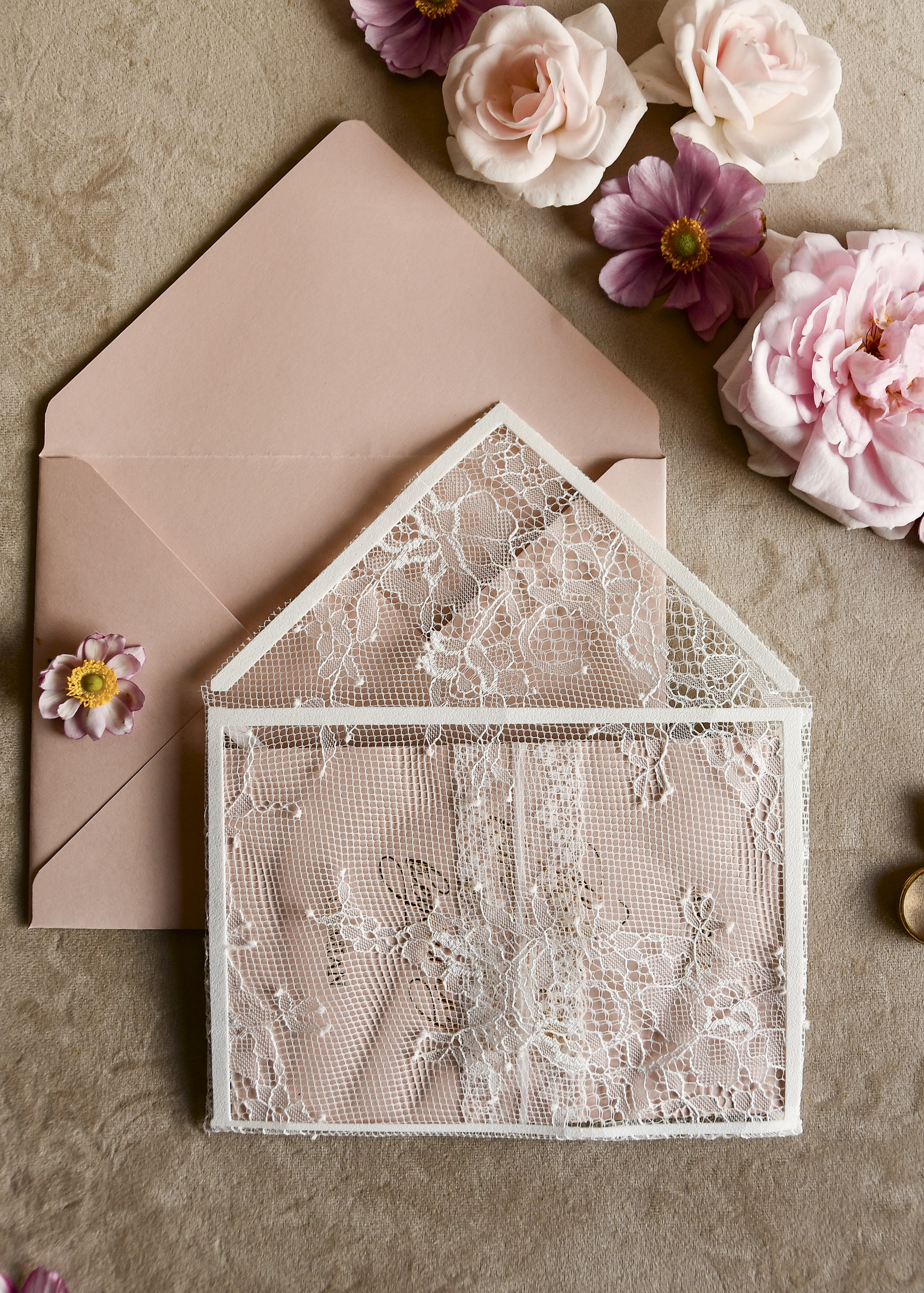
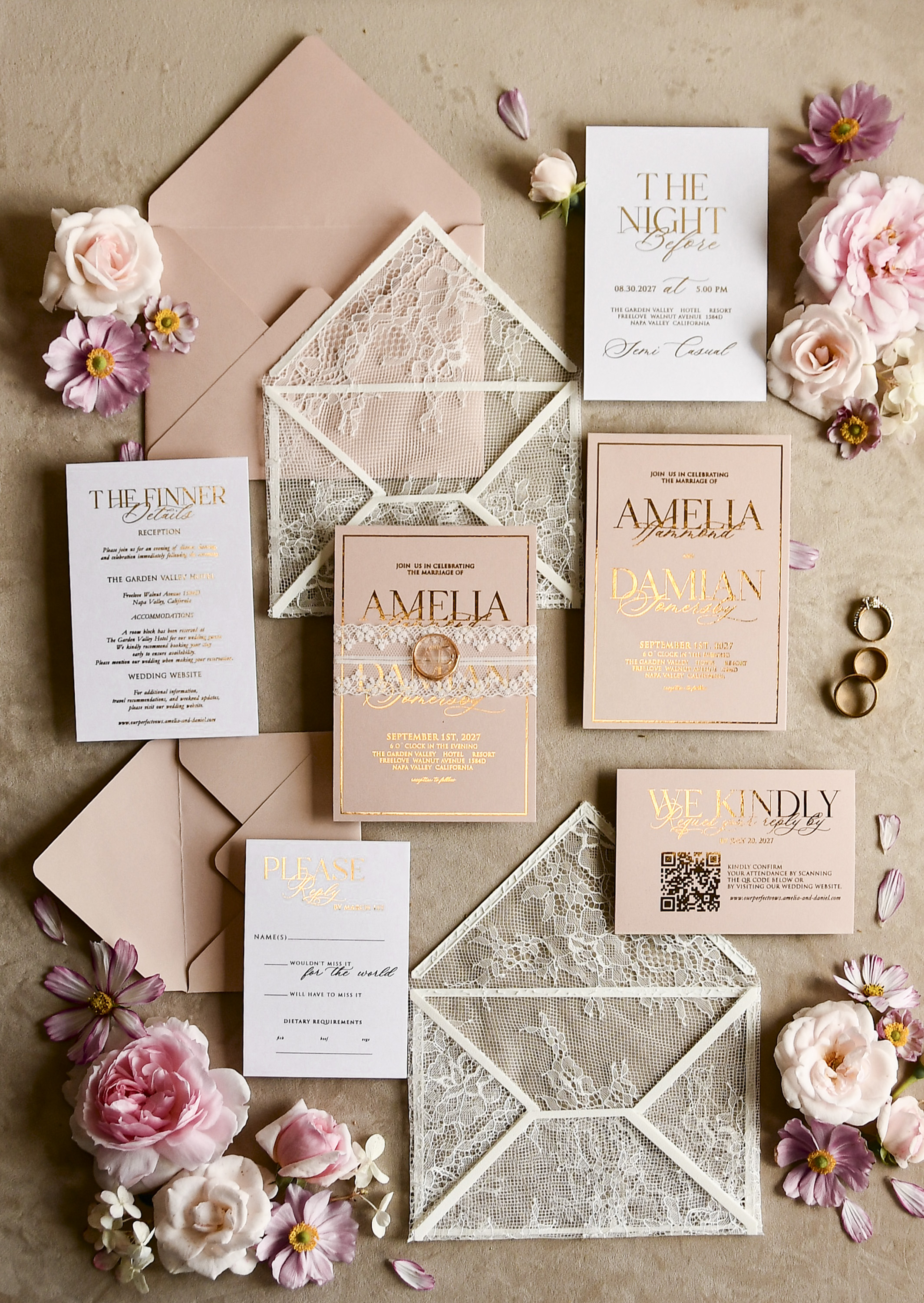
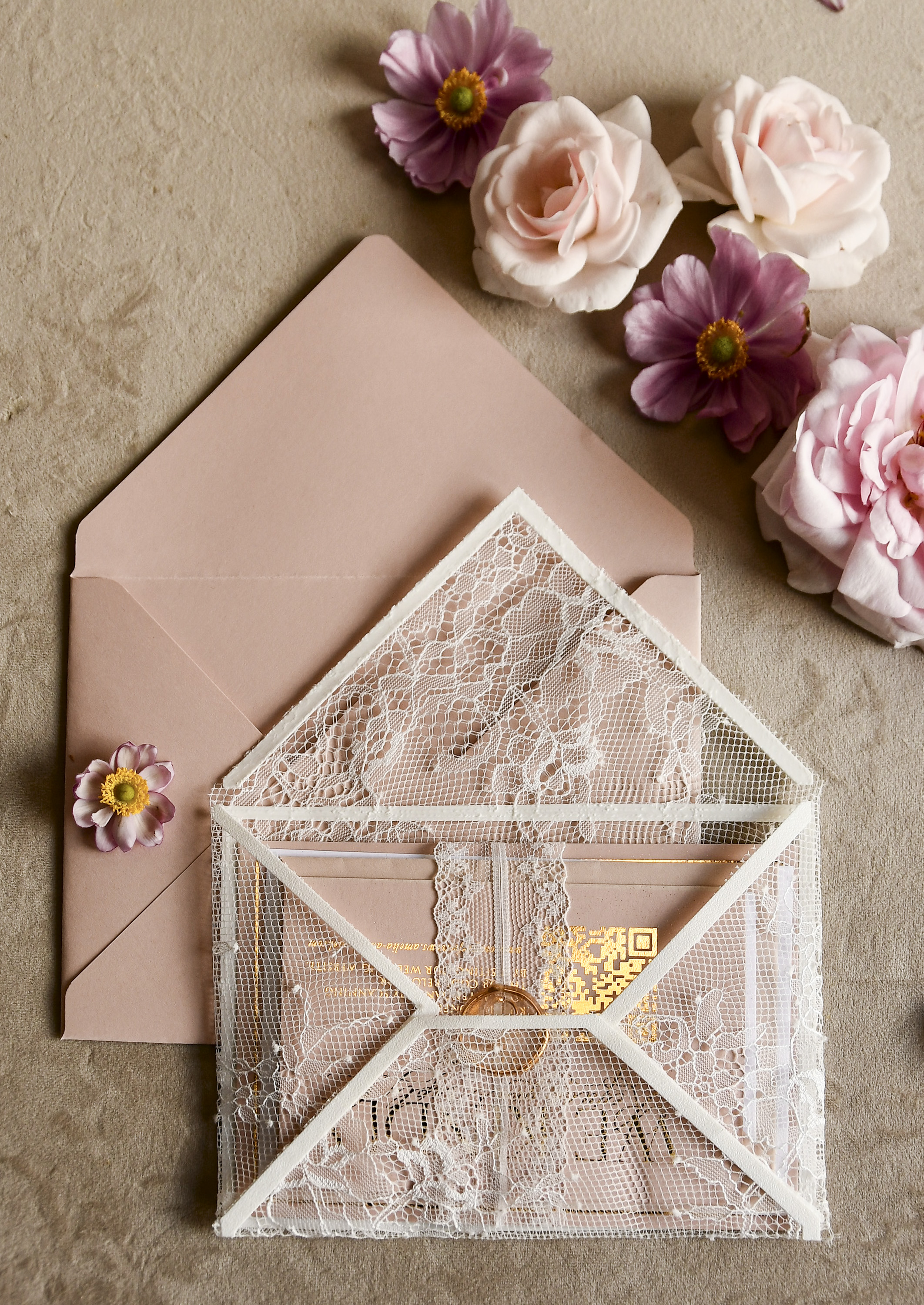
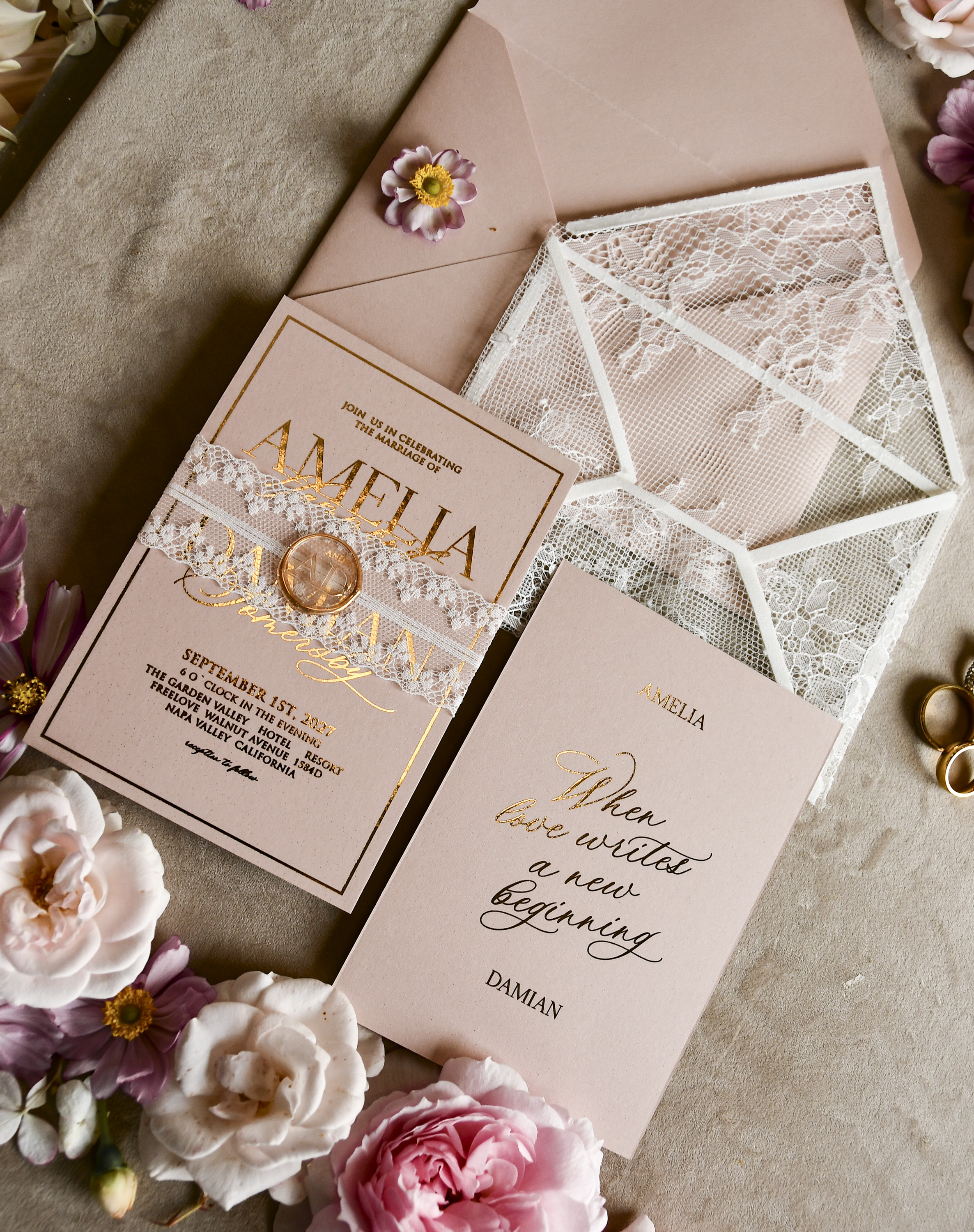
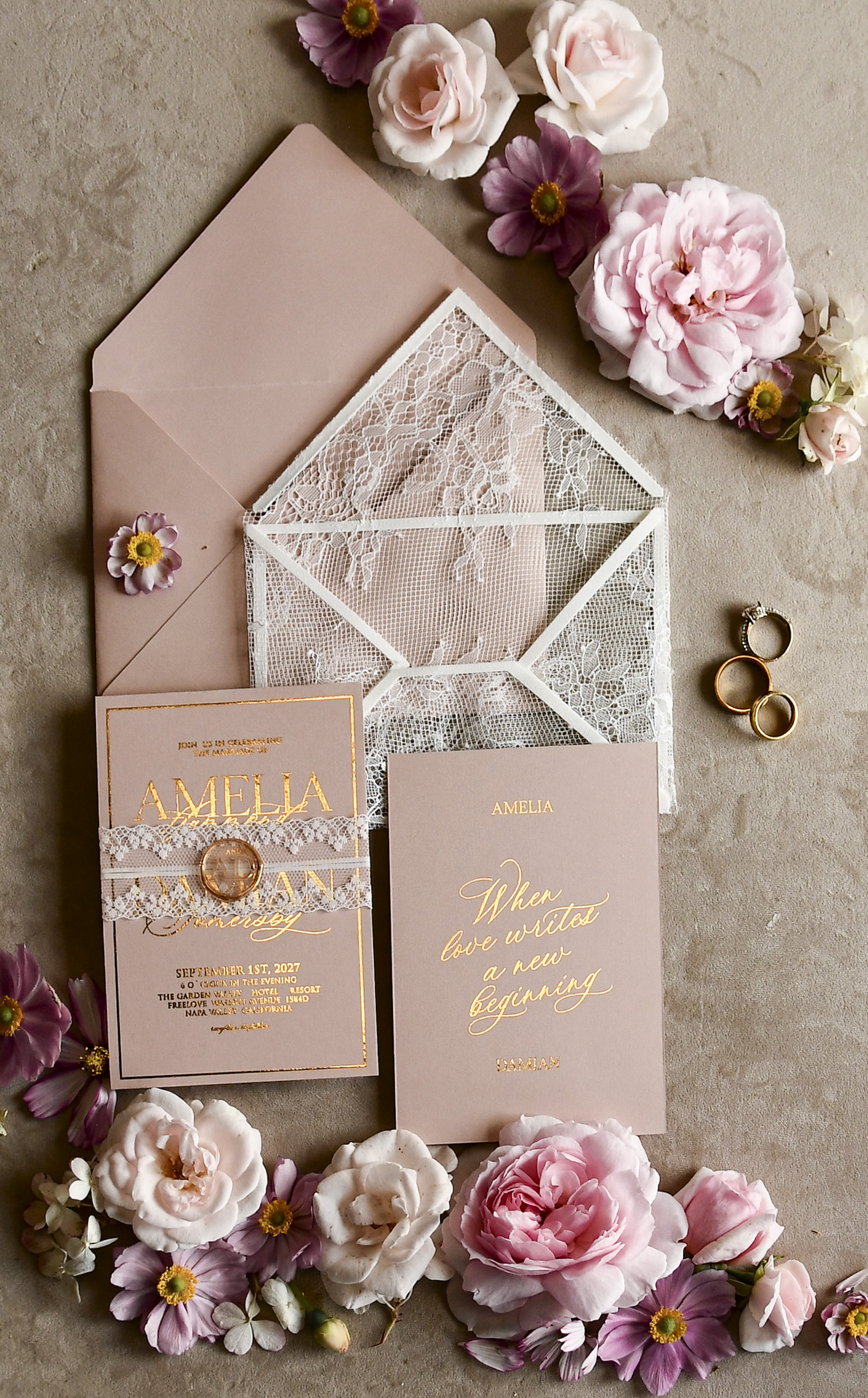
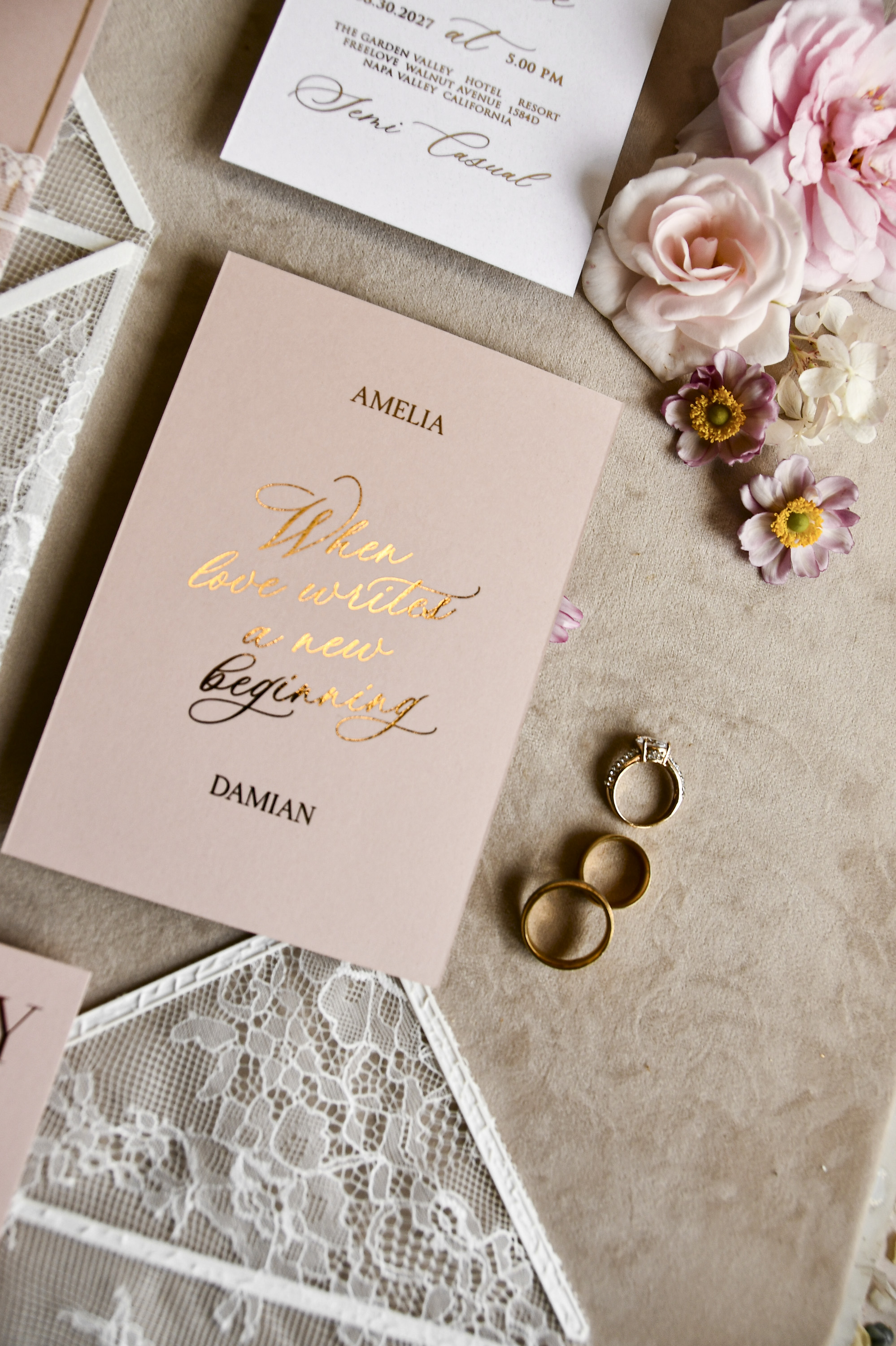
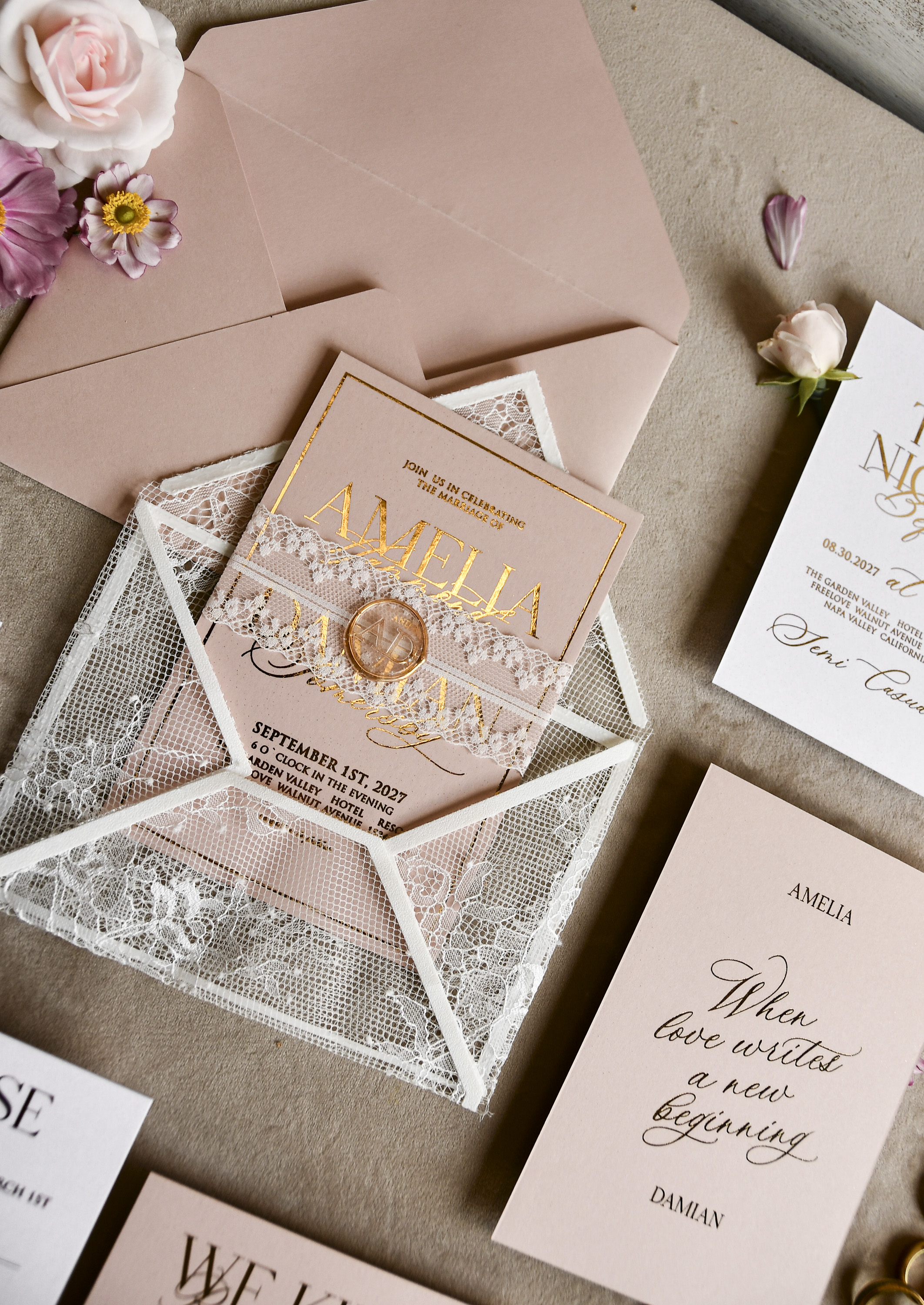
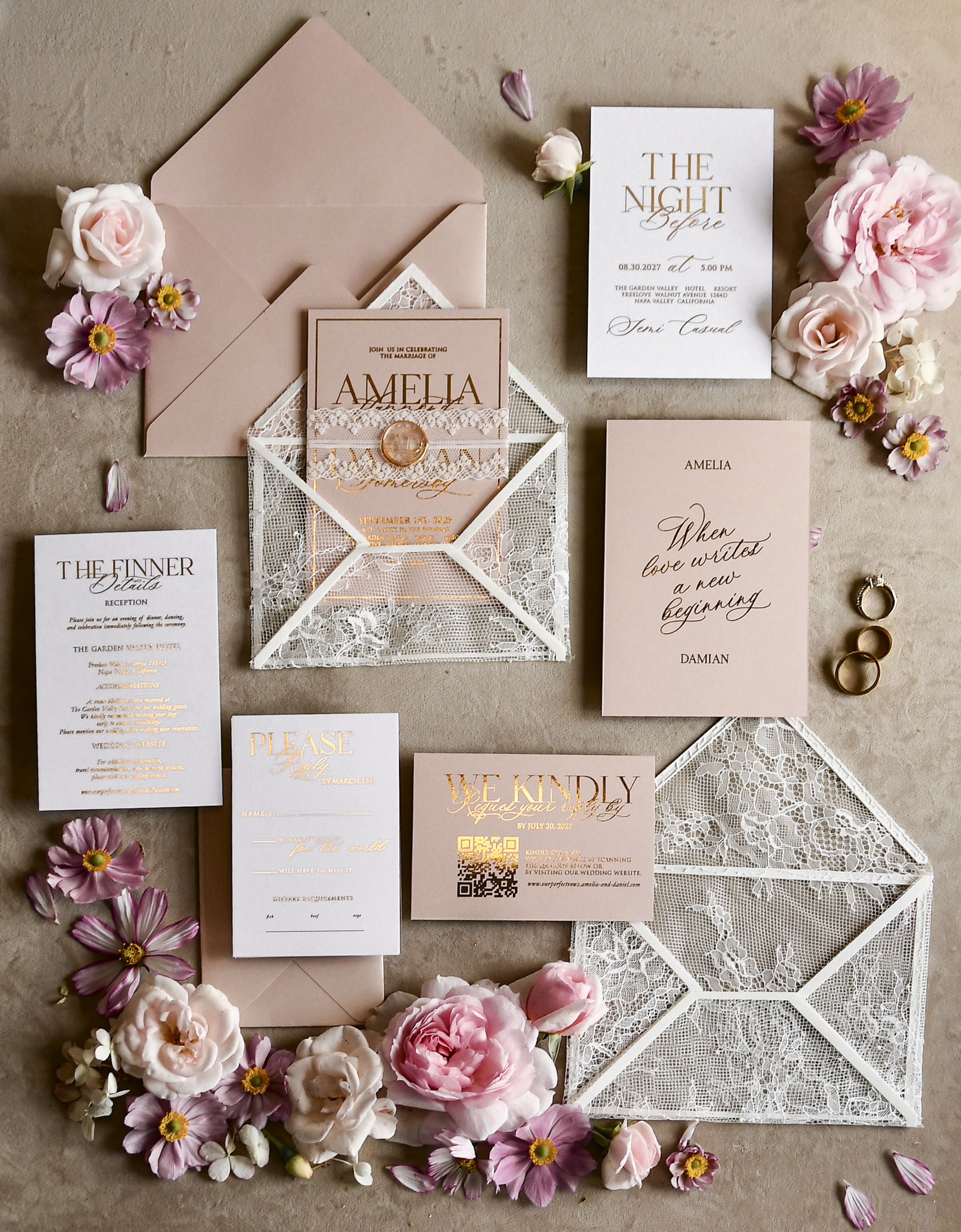
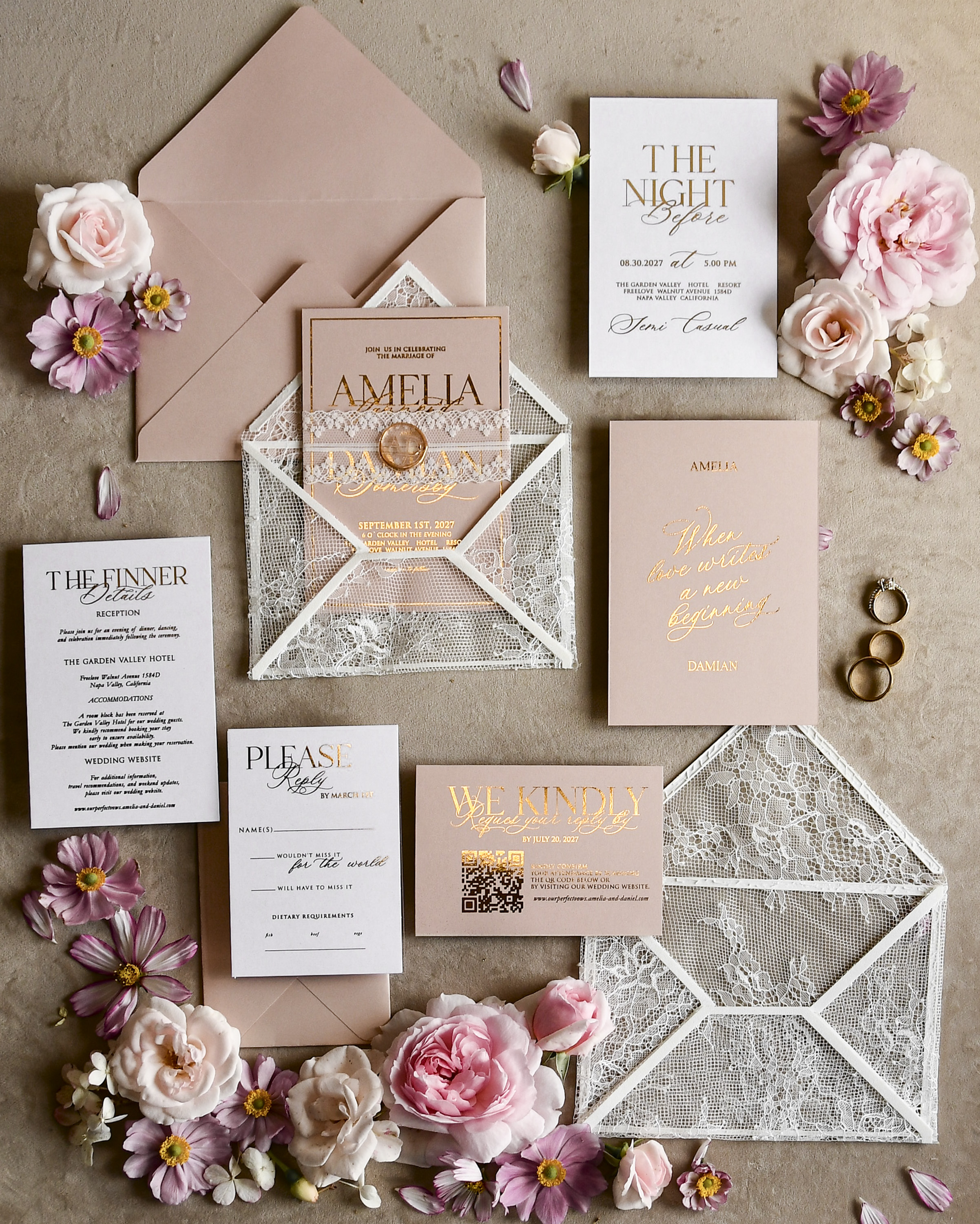
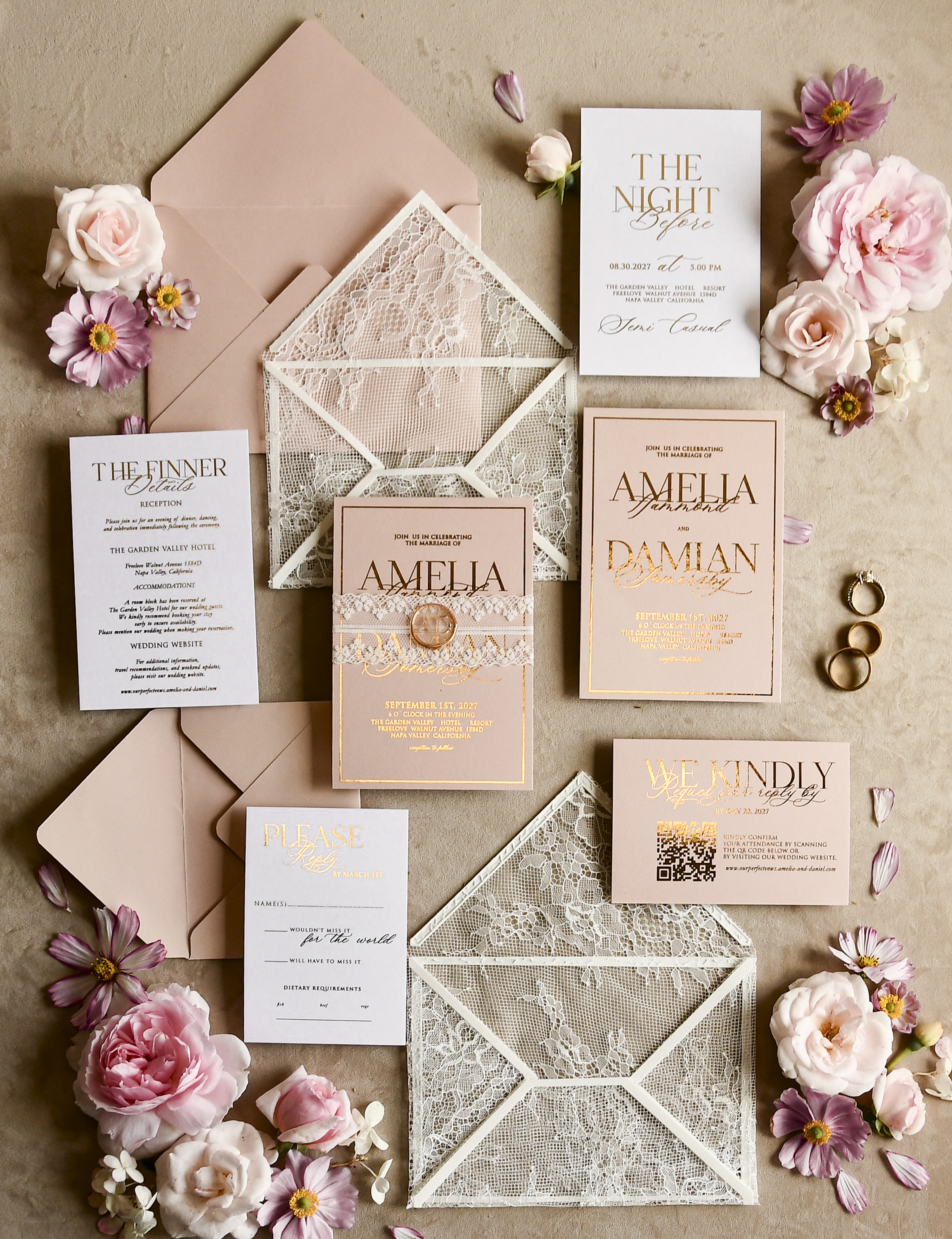
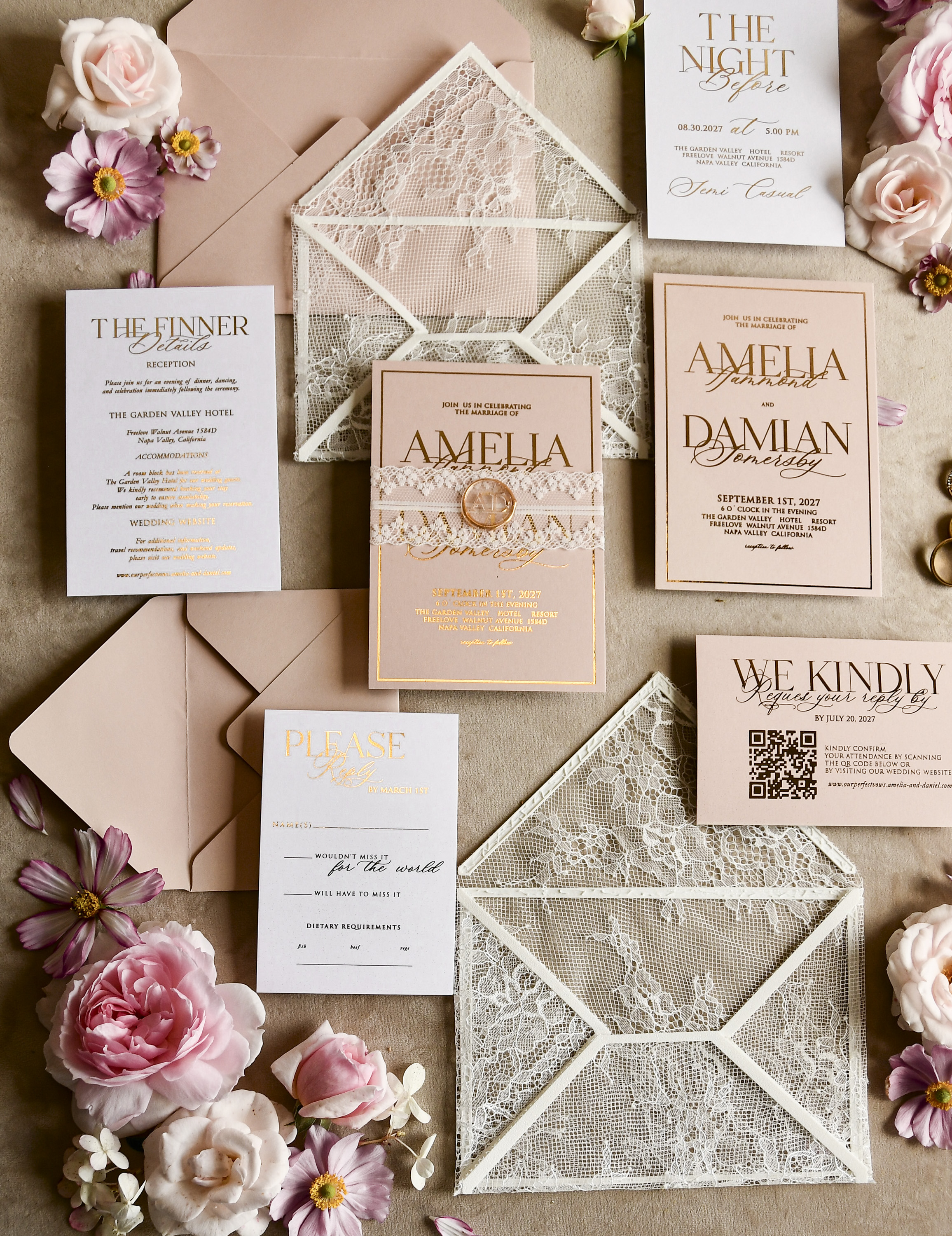
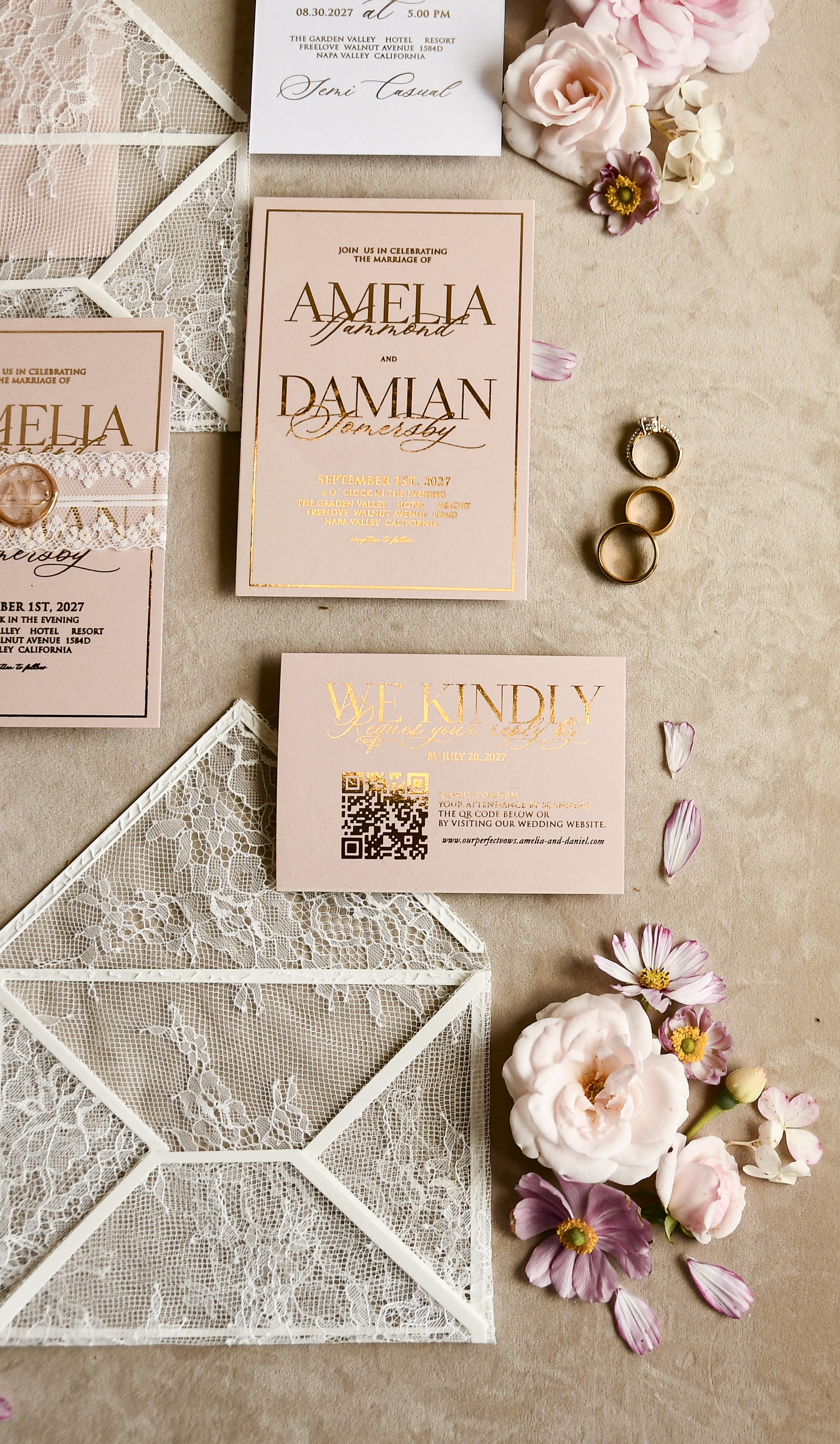
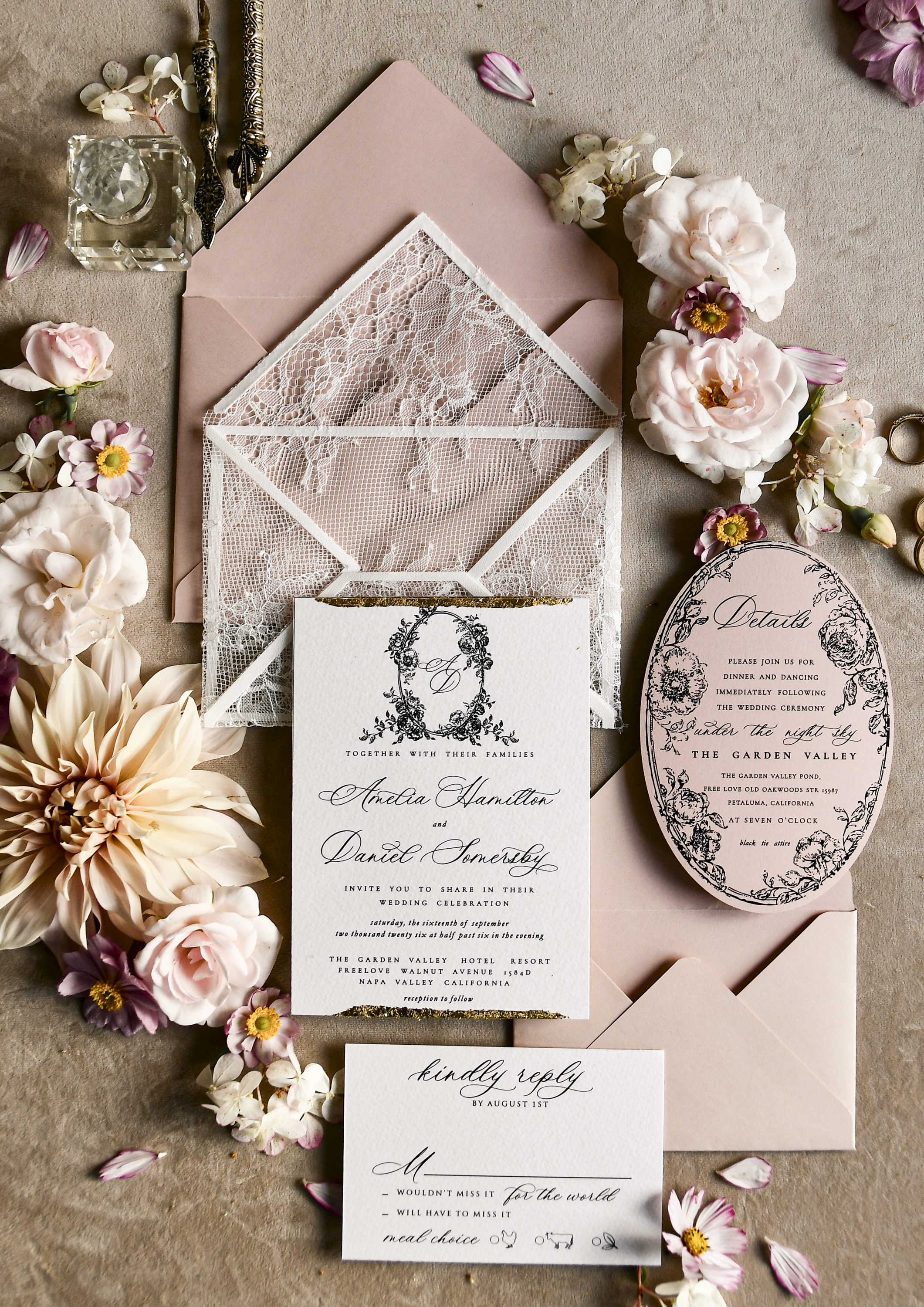
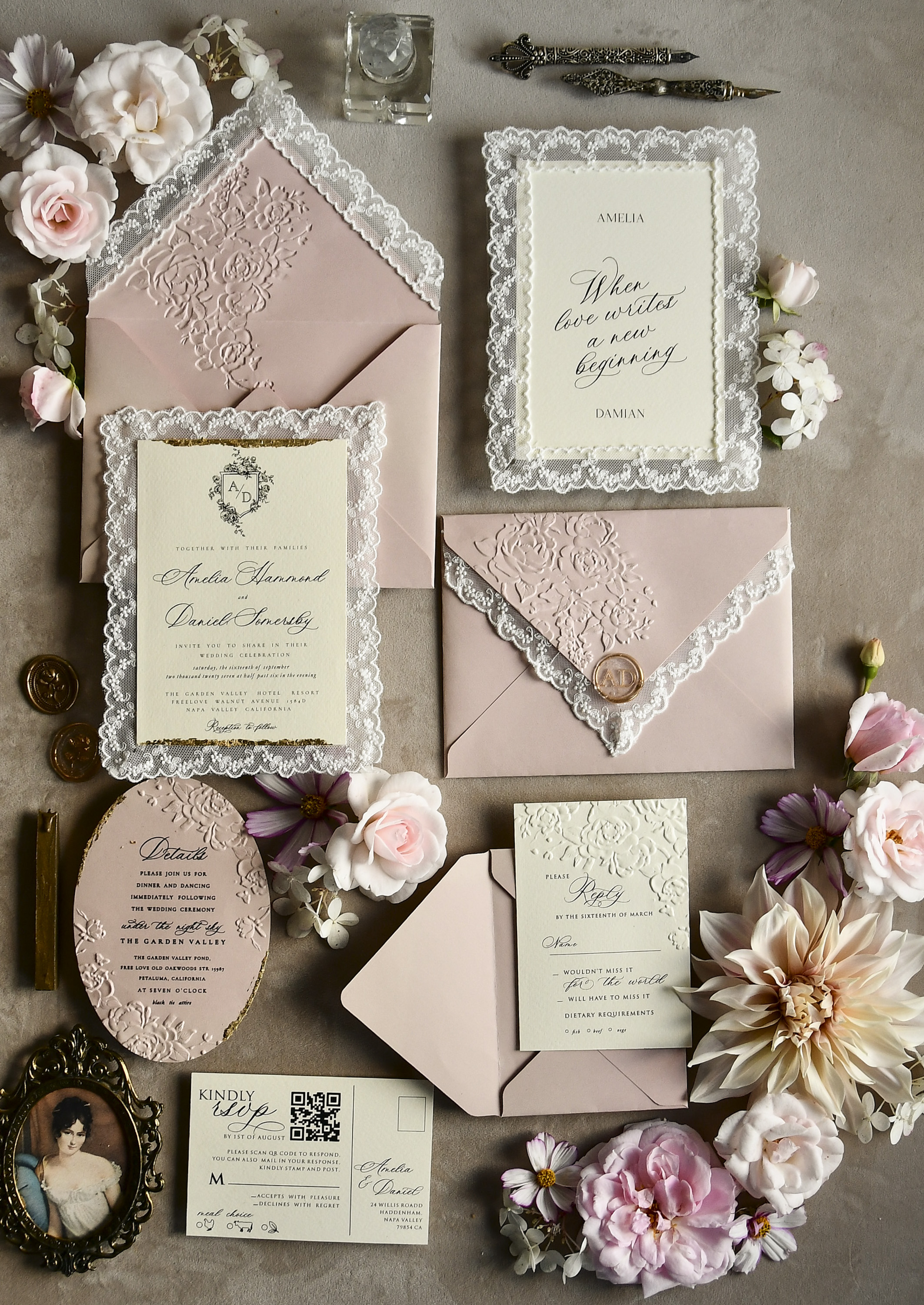
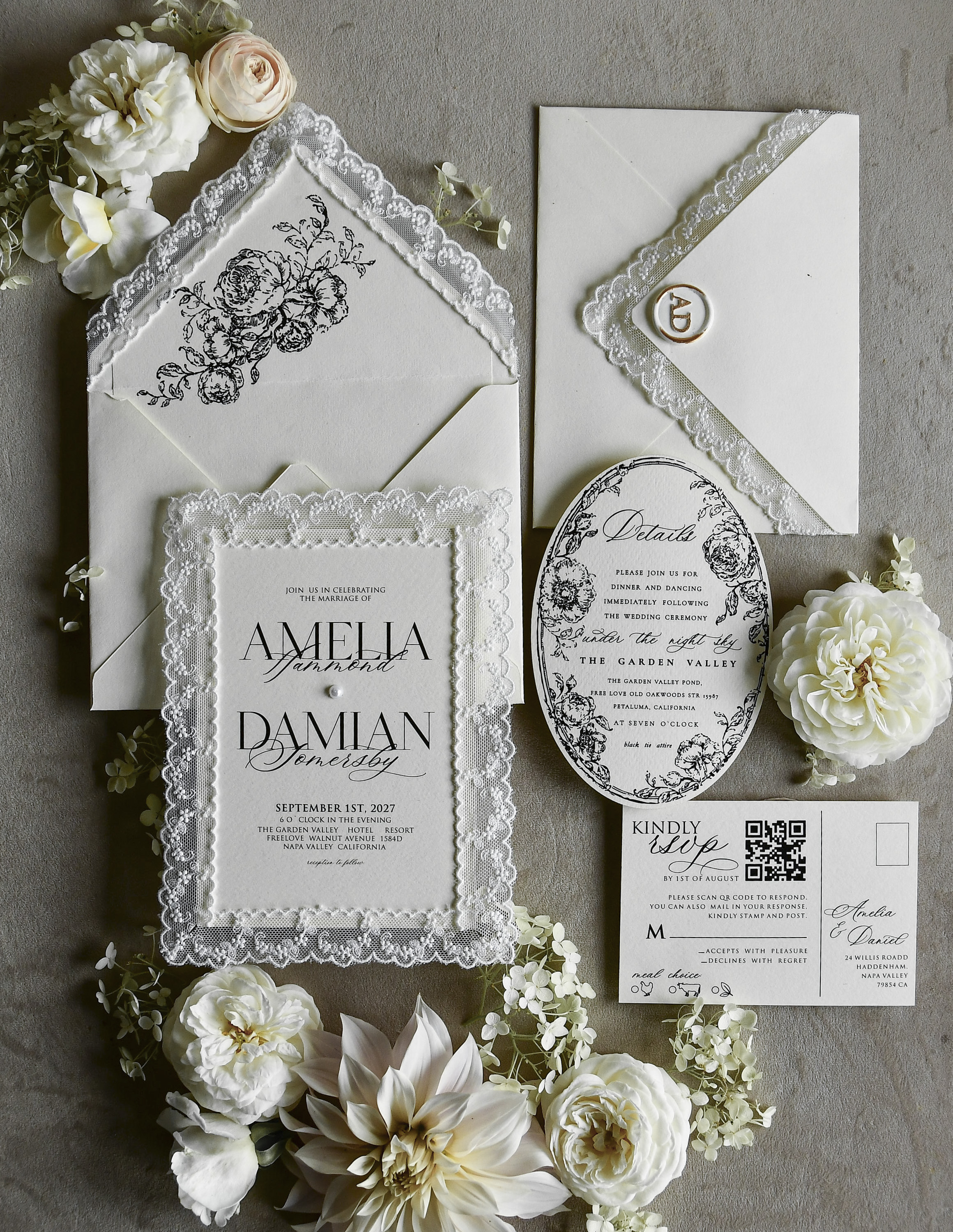
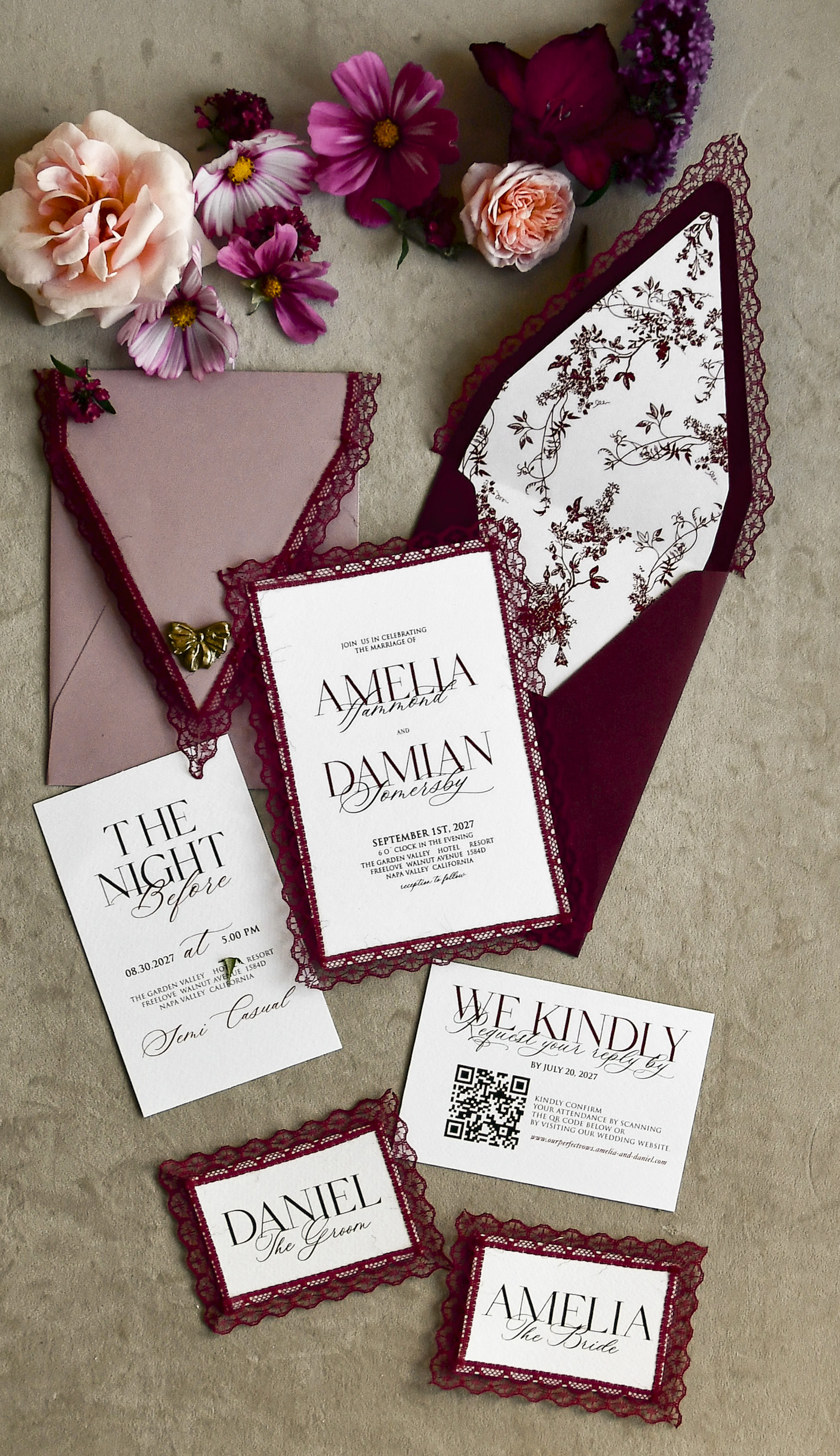
Sending clear, well-designed invitations — like those from the vintage lace collection at Margo&Bees — with a firm RSVP deadline and easy response instructions helps reduce ambiguity and encourages guests to update you promptly if plans change.
How to Handle Empty Seats on the Day Itself
When a no-show becomes apparent during cocktail hour or as guests are seated, keep your response calm and practical:
- Designate a point person. Ask your maid of honor, wedding coordinator, or a trusted family member to quietly consolidate seating so empty chairs are not obvious. Pulling two tables of six into one table of ten looks intentional, not sparse.
- Notify your caterer immediately. A good catering team can redirect plated meals to vendors, redirect buffet quantities, or simply remove place settings discreetly. The sooner you tell them, the smoother it goes.
- Do not announce it. Avoid calling out absent guests from the microphone or making it a topic of conversation. Most of your guests will never notice a few empty seats if you don't draw attention to them.
Following Up After the Wedding
Once the honeymoon glow fades, you may feel hurt or frustrated — and that is completely valid. Here is a measured approach to follow-up:
- Give it a week. Wait before reaching out. A genuinely apologetic guest will likely contact you first with an explanation.
- Keep it light the first time. A simple message like, "We missed you at the wedding! Hope everything is okay on your end" opens the door without accusation.
- Decide what the relationship warrants. For close friends or family, a more direct conversation may be appropriate. For acquaintances, let it go. Chasing an explanation from someone who clearly deprioritized your day is rarely worth the emotional energy.
- Skip the invoice. Sending a bill for the cost of their plate — while it occasionally goes viral on social media — almost never ends well and can permanently damage a relationship.
If you used elegant, thoughtful stationery like Margo&Bees' vintage lace wedding invitations to set the tone for your event, you already did your part as a gracious host. What guests do with that invitation is ultimately on them.
Prevention: Setting Clear RSVP Expectations
You cannot eliminate no-shows entirely, but you can reduce them with a few proactive steps:
- Set your RSVP deadline 3–4 weeks before the wedding, not the day before. This gives you time to follow up with non-responders and gives guests enough runway to update you if plans change.
- Include a phone number or email on your reply card so guests can easily reach you with last-minute changes.
- Send a reminder the week before — a casual text or email to your full guest list with logistics doubles as a gentle nudge for anyone wavering.
- For destination weddings or events requiring travel, consider a save-the-date six to twelve months in advance so guests can honestly assess whether they can commit before they ever receive a formal invitation.
Frequently Asked Questions
It is generally considered poor etiquette to send guests a bill for their plate, even if it feels justified. Most wedding professionals advise against it because it tends to cause lasting damage to relationships and rarely results in reimbursement anyway.
Ask your day-of coordinator, a wedding planner, or a trusted bridesmaid to quietly consolidate tables or remove place cards before guests are seated. Merging smaller tables into fuller ones keeps things looking intentional rather than sparse.
This depends entirely on your catering contract. Most caterers charge for the guaranteed headcount you provided, so it is important to read your contract carefully and ask about their overage and underage policies before signing.
Wedding industry professionals typically estimate a no-show rate of 3–5% among confirmed guests. For a 100-person guest list, plan for approximately three to five guests who RSVP yes but do not attend.
Wait at least a week after the wedding before reaching out, as many guests who had an emergency will contact you first. Keep your initial message warm and curious rather than accusatory to preserve the relationship.
Set a firm RSVP deadline three to four weeks before the wedding, send a reminder the week before with event logistics, and make it easy for guests to update their response if their plans change by including contact information on your reply card.
See This Design Up Close

You May Also Like
More Wedding Planning Guides
- → Wedding Invitations: When the Clock Runs Out and What to Do About It
- → The Smartest Way to Get Your Wedding Invitations Into Guests' Hands
- → Guest List Too Long? Here's Exactly Where to Start Cutting
- → When Mom's Guest List and Yours Don't Match: A Practical Guide
- → Cutting Your Wedding Guest List Kindly and Confidently
- → More Guests or a More Meaningful Wedding? Here's How to Decide
- → The Art of Ceremony-Only Invitations: A Kind and Practical Guide
- → Plus-One or Not? How to Handle New Boyfriends and Girlfriends on Your Guest List
- → Skip the Stamp: A Practical Guide to Online RSVPs for Your Wedding
- → Wedding Invitation Essentials: What to Include and How to Say It
- → Save the Date vs. Wedding Invitation: What Each Card Actually Does
- → When Your Fiancé Wants a Family-Free Wedding: Finding Common Ground
- → Uninvited Plus-Ones and Tag-Alongs: How to Keep Your Guest List Intact
- → When Family Feuds Threaten Your Wedding Plans: A Practical Peacekeeper's Guide
- → Inviting an Estranged Brother or Sister: Finding Clarity Before You Seal the Envelope
- → Cousins, Invites, and Hard Choices: A Practical Guest List Guide