
Should Your Aunt's New Husband Get a Wedding Invitation?

Your aunt just remarried, and now you're staring at your guest list wondering: does her new husband automatically get an invitation? The short answer is almost always yes—but the details matter. Whether the wedding was last month or five years ago, how you handle this says a lot about your relationship with your aunt and sets the tone for family harmony on your big day. Here's everything you need to know to make the right call with confidence.
The General Rule: Married Couples Are Invited Together
Traditional wedding etiquette is clear on this point: if a guest is married, their spouse receives an invitation too. This applies whether your aunt has been married to her new husband for six months or six years. Inviting one half of a married couple without the other is considered a significant social slight—and in a family context, it can create lasting tension.
This rule holds even if you've never met her new husband, or if the relationship feels new and unfamiliar to you. Your aunt's legal marriage means he is now part of her immediate family unit, and your invitation should reflect that.
What If the Marriage Is Very Recent or You Don't Know Him?
Maybe your aunt got married just weeks before your wedding, or you simply haven't had the chance to get to know her new partner. That's okay—etiquette doesn't require a personal connection, only respect for the relationship. Here's how to handle a few common scenarios:
- Married before your invitations go out: Include him on the envelope and inner card. Address it to both of them using their preferred names, such as Mr. and Mrs. [Aunt's Last Name] or [Aunt's First Name] and [His First Name] [Last Name] if they use different surnames.
- Married after invitations are already sent: Send a new invitation to both of them, or at minimum reach out personally to let your aunt know her husband is of course welcome. A phone call or handwritten note goes a long way.
- Very new relationship but not yet married: If they are not yet legally married, you have more flexibility. Apply your standard plus-one policy consistently across all guests in similar situations.
How to Address the Invitation Correctly
Getting the envelope right matters—it signals that you've put thought into acknowledging their marriage. Use the inner envelope to list both names clearly. For the outer envelope, the most respectful formats are:
- Same last name: Mr. and Mrs. David Holloway
- Different last names: Ms. Sandra Mercer and Mr. David Holloway
- Casual tone: Sandra and David on the inner envelope is perfectly warm and appropriate for family.
If you're unsure how your aunt is styling her name post-remarriage, a quick text or call is completely appropriate. She'll appreciate that you asked rather than assumed.
Navigating Complicated Family Feelings
Sometimes the hesitation to invite a new spouse isn't about etiquette at all—it's about family dynamics. Maybe other relatives are still adjusting to the remarriage, or there's history with your aunt's previous partner. Here's the key principle: your wedding is not the place to take sides or signal disapproval. Excluding her husband would put your aunt in an impossible position and could damage your relationship for years.
If other family members express discomfort about him being invited, a kind but firm response works well: "We're so happy for Aunt Sandra and David, and of course they're both invited. We can't wait for everyone to celebrate together." Setting that tone early prevents drama before it starts.
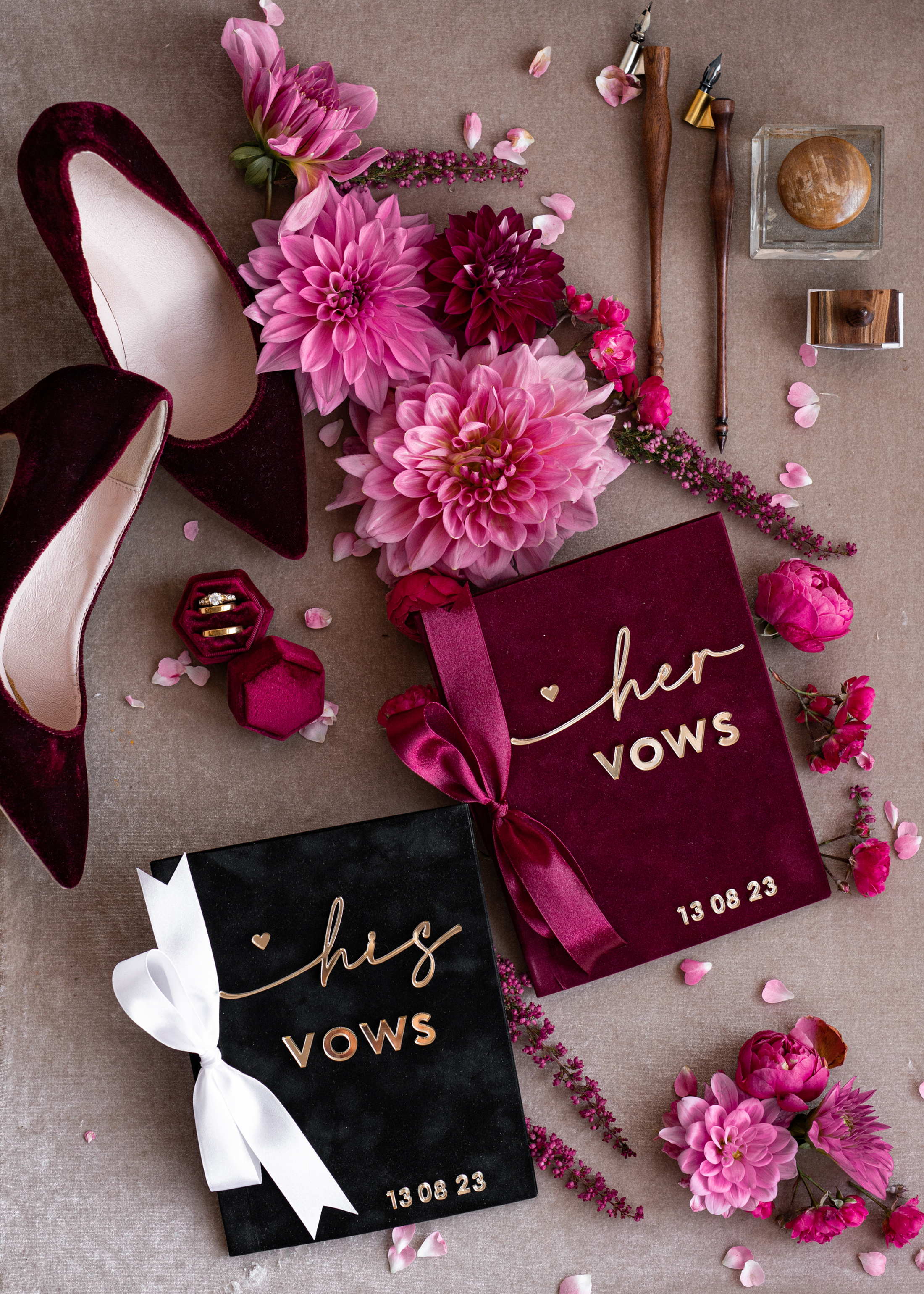
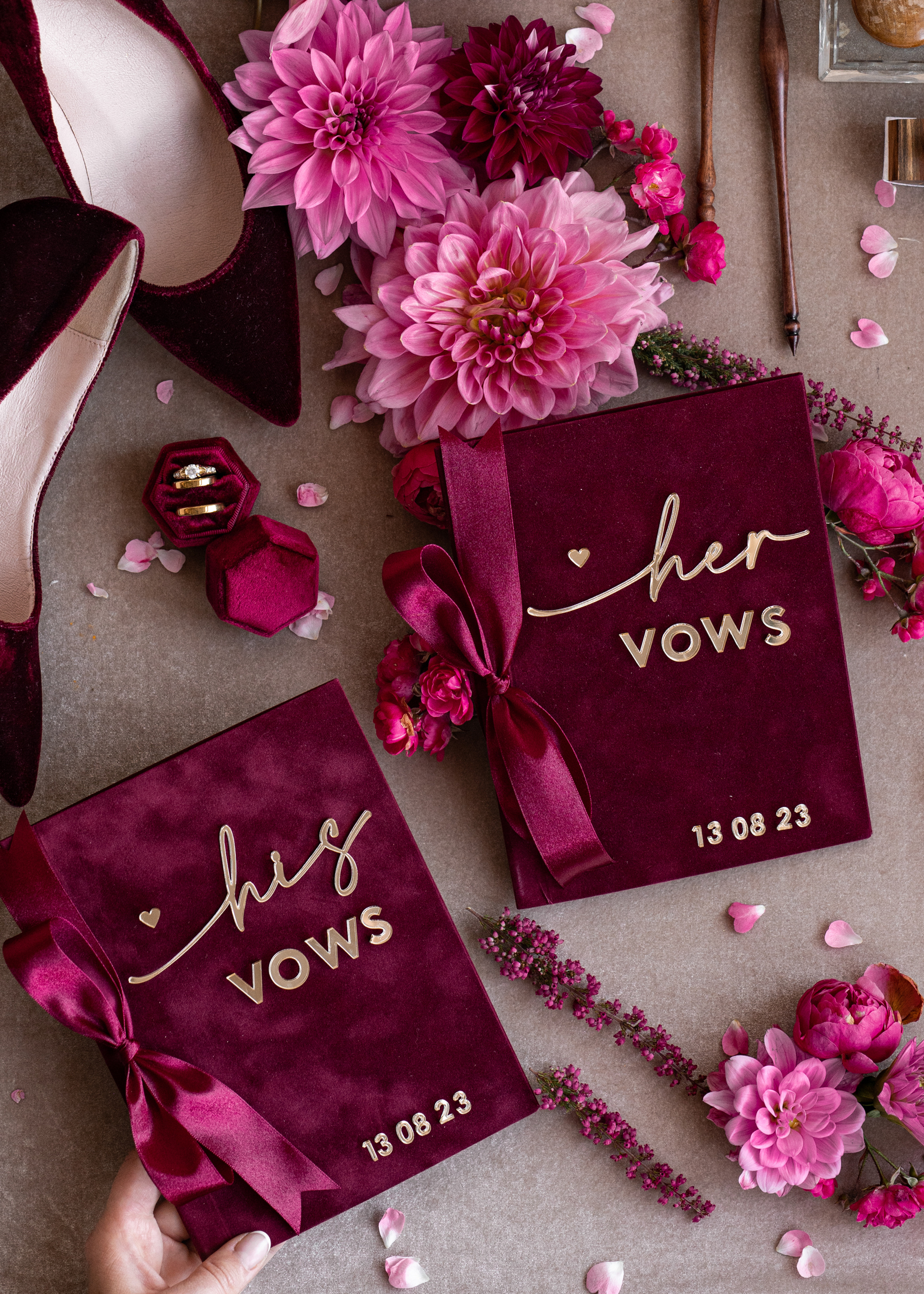
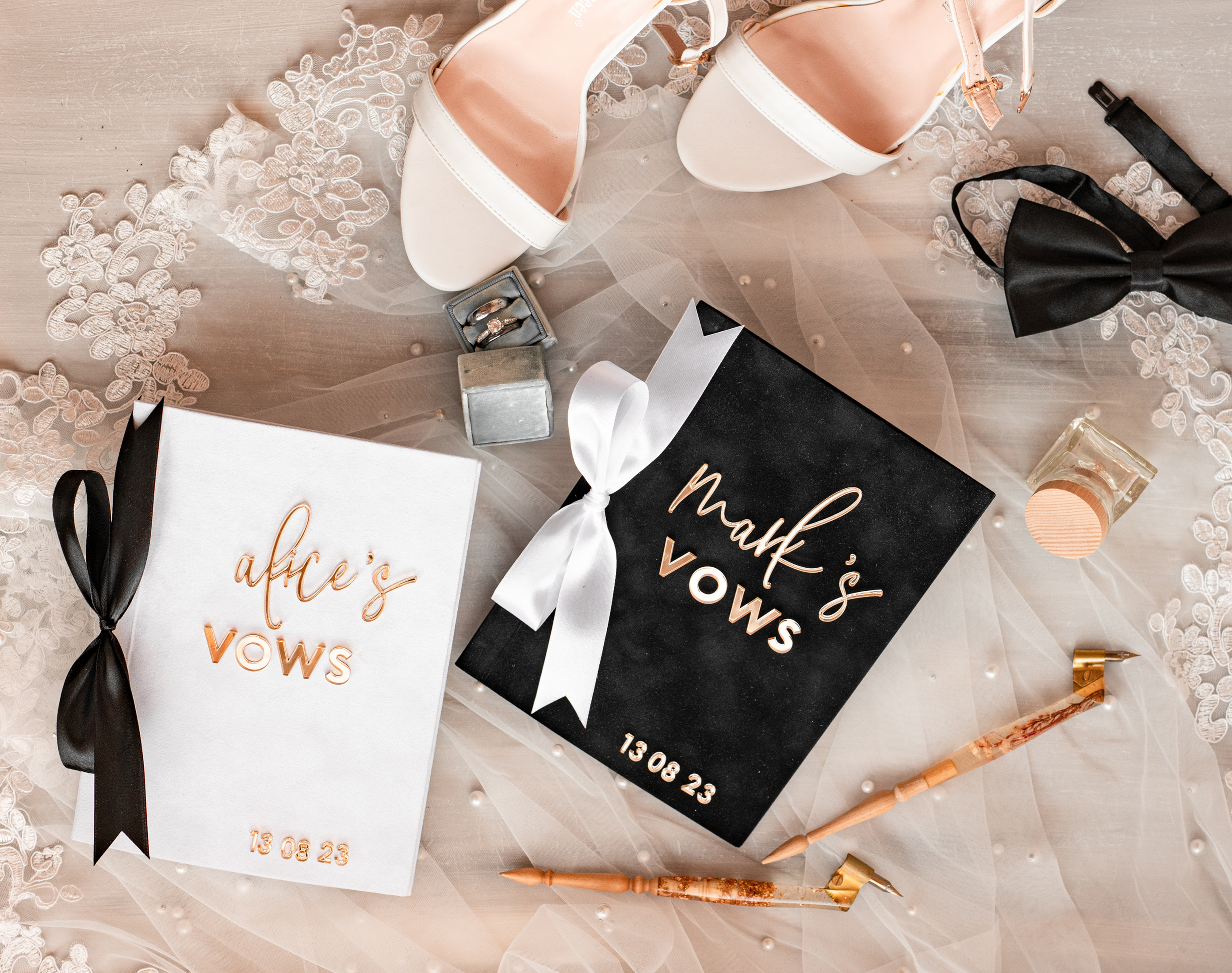
On the day itself, thoughtful touches—like a personalized keepsake such as the 01/kor/Vwov acrylic clear gold wedding vows display—remind everyone that the day is about love and commitment in all its forms. Small gestures of warmth toward newer family members help them feel genuinely welcomed.
Practical Timeline Tips
Wedding invitations typically go out six to eight weeks before the wedding, with save-the-dates sent four to six months in advance. If your aunt's remarriage happens somewhere in that window, here's a simple timeline to follow:
- Before save-the-dates: Easy—address both names from the start.
- Between save-the-date and invitation: Update your guest list and mailing addresses. Send the invitation to both of them as a couple.
- After invitations are mailed: Call or text your aunt directly, confirm both names for your seating chart and caterer headcount, and consider sending a brief note of welcome to her husband specifically.
Keeping your guest list and RSVP tracker updated in real time prevents last-minute confusion at your venue and with your vendors. A simple spreadsheet noting each guest's full name, address, and RSVP status is all you need.

Frequently Asked Questions
Yes—once two people are legally married, wedding etiquette calls for inviting them as a unit. The length of the marriage doesn't change that rule. Reach out personally if the timing feels awkward; a warm phone call can smooth over any potential confusion.
If budget or venue capacity is genuinely the issue, consider whether you can trim from another area of the list rather than splitting a married couple. If cuts are unavoidable, it's better to move the entire couple to a smaller event like a post-wedding brunch than to invite one without the other.
List both names on separate lines or use the format <em>Ms. Sandra Mercer and Mr. David Holloway</em>. When in doubt, ask your aunt directly how she's styling her name—most people appreciate being asked rather than having assumptions made.
Hold your ground kindly but firmly. Your obligation is to respect your aunt's marriage, and excluding her husband would create far more lasting damage than any short-term discomfort. Let concerned relatives know the decision is final and redirect the conversation toward celebrating the day.
It can come across as a subtle slight, especially if he's clearly separated from his spouse. Seat them together and place them with family members who are genuinely welcoming. Good seating choices help new additions feel included rather than tolerated.
If they are legally separated or the relationship has clearly ended, you have more flexibility and can apply your standard plus-one policy. If you're unsure of their current status, a gentle conversation with your aunt is the kindest approach before finalizing your list.
See This Design Up Close


You May Also Like

More Wedding Planning Guides
- → The Missing RSVP Problem: How to Handle Non-Responding Guests
- → Why a Small Wedding Might Be the Best Decision You Make
- → When 'I Won't Come If They're Invited' Lands in Your Wedding Planning
- → How to Firmly (and Kindly) Communicate That Your Guest List Is Closed
- → New Relationships, New RSVPs: Navigating Plus-Ones for Recent Couples
- → Uninvited Plus-Ones and Tag-Alongs: How to Keep Your Guest List Intact
- → When Family Feuds Threaten Your Wedding Plans: A Practical Peacekeeper's Guide
- → Inviting an Estranged Brother or Sister: Finding Clarity Before You Seal the Envelope
- → Cousins, Invites, and Hard Choices: A Practical Guest List Guide