
The Missing RSVP Problem: How to Handle Non-Responding Guests

You sent your invitations weeks ago, your RSVP deadline is creeping closer, and a handful of guests have gone completely silent. Sound familiar? Missing RSVPs are one of the most common — and most frustrating — parts of wedding planning. The good news: there's a clear, low-stress way to handle it without damaging any relationships or losing your mind over a spreadsheet.
Set a Realistic RSVP Deadline From the Start
Prevention is the best cure. When you send invitations, set your RSVP deadline three to four weeks before your wedding date — not one or two. This gives you a buffer to chase stragglers, finalize your headcount with the caterer, and handle any seating surprises without panic.
Your caterer or venue typically needs a final guest count one to two weeks before the wedding, so build backward from that date. For example, if your wedding is October 18, ask your caterer when they need numbers — if the answer is October 11, set your RSVP deadline for September 20. That leaves you three weeks to follow up.
Print the deadline clearly on your response card and, if you're using an online RSVP option, display it prominently on your wedding website too. The more visible it is, the fewer excuses guests have for missing it.
What to Do When the Deadline Passes and Guests Haven't Responded
Once your deadline passes, give it two or three days of grace — mail runs late, life gets busy. Then pull your guest list and identify every person who hasn't responded. Now it's time to follow up, and yes, you absolutely should.
Here's a simple tiered approach:
- Text or call close family and friends directly. A quick, warm message works perfectly: "Hey! We're finalizing our headcount and realized we didn't get your RSVP — are you able to make it?" Keep it light, not guilt-laden.
- Email more distant guests. A brief, friendly email with your RSVP deadline restated is completely appropriate.
- Ask a mutual contact for help. If a guest is a coworker of a parent or a friend-of-a-friend, it's perfectly fine to ask someone close to them to nudge them on your behalf.
Avoid passive-aggressive group posts on social media — they create awkward energy and rarely get results. Direct, one-on-one outreach is always more effective.
How to Handle Guests Who Still Don't Respond
If you've followed up twice and still heard nothing, you have two options: assume they are not coming, or make one final phone call. For guests you truly want there — a grandparent, a childhood best friend — pick up the phone. For acquaintances or distant relatives, it's reasonable to mark them as a "no" after two unanswered attempts.
This is your wedding, and you are not obligated to chase anyone indefinitely. Communicate a clear internal deadline to yourself: "Anyone who hasn't responded by [date] will be counted as not attending." Stick to it. Your caterer, your seating chart, and your sanity all depend on it.
If someone shows up unexpectedly after being marked as a no, most venues can accommodate one or two extras at a table — just give your coordinator a heads-up beforehand so they're not caught off guard.
Use Your Wedding Stationery to Set the Right Tone Early
A well-designed response card makes it easier for guests to RSVP promptly. Clear wording, an obvious deadline, and a pre-addressed return envelope (or a QR code linking to your wedding website) all reduce friction. The less effort it takes to respond, the more likely guests are to do it quickly.
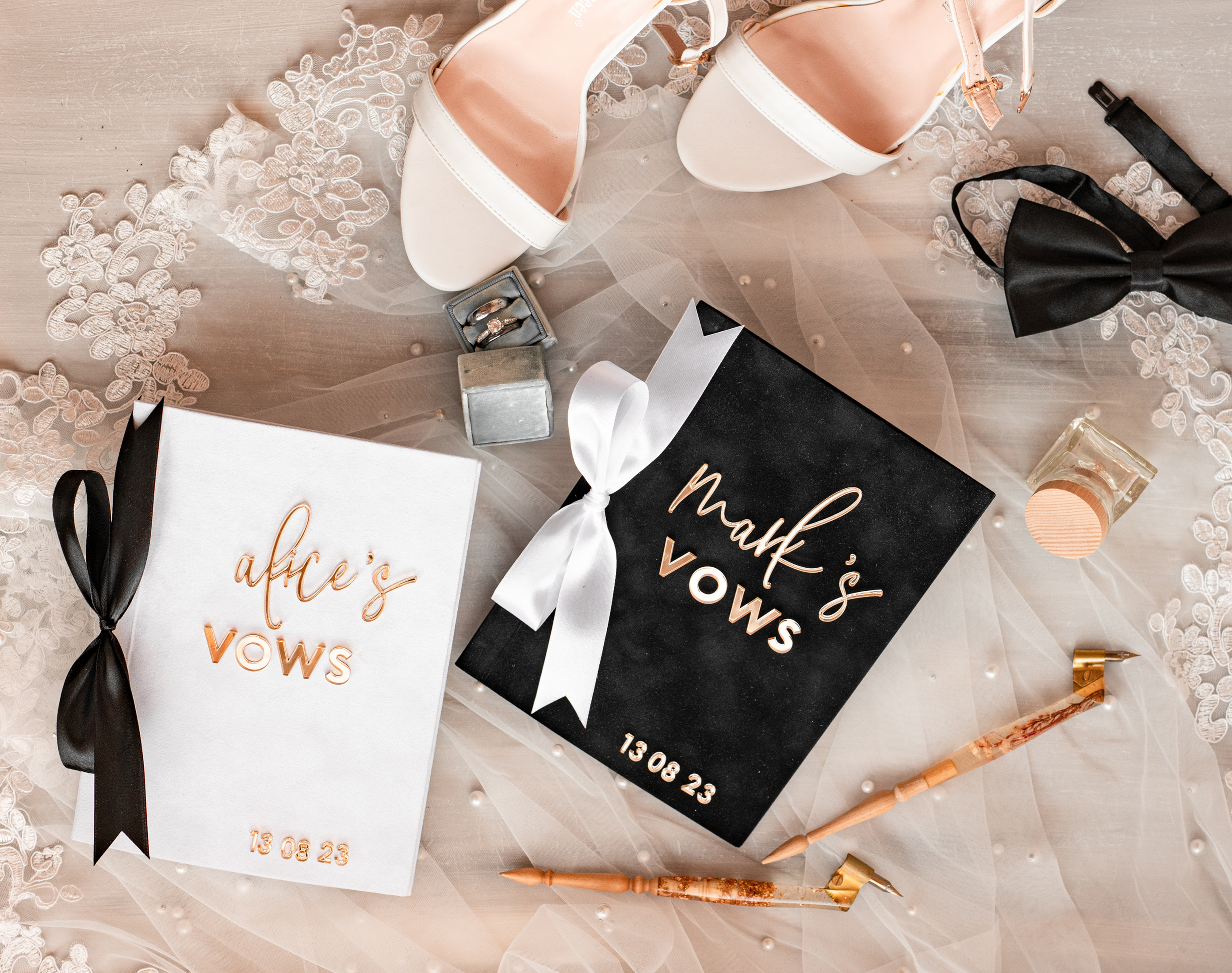
While you're thinking about your stationery suite, it's also a lovely moment to plan the personal touches that make your wedding feel complete — like custom vow keepsakes. The 01/kor/Vwov Acrylic Clear Gold vow card from Margo & Bees is a beautiful way to preserve your words long after the day is over, starting from $62.
Thoughtful details — from your invitations to your vow cards — signal to guests that this event is carefully planned and worth showing up for.
Finalizing Your Headcount With Confidence
Once you've chased every non-responder and hit your internal deadline, it's time to commit to a final number. Add up your confirmed "yes" responses, then factor in any guests you've assumed as "no" after no reply. Submit this number to your caterer or venue coordinator.
Most caterers allow a small overage — typically 5% above your final count — to cover last-minute additions. Ask your venue contact exactly what their policy is so you know your wiggle room.
Document everything in a spreadsheet: name, response status, meal choice (if applicable), and any dietary restrictions. This becomes your master list for seating, place cards, and day-of logistics. The earlier you get it locked in, the calmer the final week before your wedding will be.
Frequently Asked Questions
Follow up a maximum of two times — once via text or email shortly after the deadline, and once more by phone if there's still no response. After two attempts, it's reasonable to mark them as not attending and move on.
Not at all — a brief, friendly phone call is completely appropriate and often the most effective way to get an answer. Keep the tone warm and casual, not accusatory, and most guests will appreciate the personal touch.
Let your venue coordinator or wedding planner know ahead of time that this is a possibility so they can have a plan ready. Most venues can accommodate one or two unexpected guests, but it helps to give your team a heads-up rather than being surprised on the day.
The safest approach is to count them as not attending after your follow-up attempts, since most venues charge per head. However, if it's a very close family member, err on the side of caution and include them until you hear otherwise.
Send your first reminder the day after your deadline passes, and a second reminder three to five days later if needed. Building a two-to-three week buffer between your RSVP deadline and your caterer's headcount deadline gives you plenty of time to do this without stress.
A very short window — say, one week — can actually backfire, as guests may not have had time to check their schedules or make travel arrangements. Three to four weeks before the wedding is the sweet spot: urgent enough to prompt action, but fair enough that guests have time to plan.
See This Design Up Close


You May Also Like



More Wedding Planning Guides
- → Why a Small Wedding Might Be the Best Decision You Make
- → When 'I Won't Come If They're Invited' Lands in Your Wedding Planning
- → How to Firmly (and Kindly) Communicate That Your Guest List Is Closed
- → New Relationships, New RSVPs: Navigating Plus-Ones for Recent Couples
- → Should Your Aunt's New Husband Get a Wedding Invitation?
- → Uninvited Plus-Ones and Tag-Alongs: How to Keep Your Guest List Intact
- → When Family Feuds Threaten Your Wedding Plans: A Practical Peacekeeper's Guide
- → Inviting an Estranged Brother or Sister: Finding Clarity Before You Seal the Envelope
- → Cousins, Invites, and Hard Choices: A Practical Guest List Guide