
How to Firmly (and Kindly) Communicate That Your Guest List Is Closed

You've carefully counted every seat, negotiated every plate, and finally landed on a guest list that works. Then the RSVPs start rolling in — and someone has added a name you don't recognize. Or a relative calls to ask if they can bring their new boyfriend. It's one of the most common wedding stresses, and the good news is there's a kind, clear, drama-minimizing way to handle it every time.
Start With Your Invitation Wording
The most effective way to prevent uninvited guests is to communicate clearly before anyone even picks up the phone to ask. Your invitation envelope is your first line of defense. Address it only to the people who are invited — if a guest's plus-one isn't welcome, do not write "and Guest" on the envelope. Be specific: "Ms. Rachel Torres" signals one seat, while "Ms. Rachel Torres and Guest" signals two.
On your RSVP card, include a line that reads "We have reserved ___ seat(s) in your honor" and pre-fill the number. This removes ambiguity entirely. When guests see that a "1" is already printed, most will understand without needing a conversation at all. If you're using a wedding website, add a brief, friendly note in your FAQ section: "Due to venue capacity, we are only able to accommodate the guests named on each invitation."
What to Say When Someone Asks Directly
Despite your best efforts, someone will still ask. Whether it's a text, a call, or an awkward holiday dinner conversation, having a script ready makes it far less stressful. The goal is to be warm but firm — apologetic in tone, not in substance.
Try something like:
- "We're so glad you're coming! Unfortunately, our venue has a strict capacity limit and we've had to keep the list to immediate family and close friends. We can't wait to celebrate with you!"
- "We love [name], but we're truly maxed out on space. It was a really hard call and we had to make the same decision across the board."
- "Our caterer and venue are locked in at a firm number, so we aren't able to add any additional guests. We hope you understand!"
Notice the pattern: cite an external constraint (venue, caterer, budget), keep the tone warm, and don't over-apologize or leave the door open. Saying "I'll see what I can do" gives false hope and creates more work for you later.
Handling the Pushback
Some guests will accept your answer gracefully. Others might push back — especially if they feel their relationship with you warrants a plus-one. Here's how to hold the line without damaging the relationship:
- Stay consistent. If you've said no to one person's plus-one, you must say no to everyone's. The moment you make one exception, word travels fast and resentment follows.
- Acknowledge their feelings briefly. "I completely understand that's disappointing" goes a long way before you restate your answer.
- Don't negotiate via text or email if it's escalating. A quick, calm phone call can defuse tension that a back-and-forth message chain only inflames.
- Loop in a partner or family member if needed. If the pressure is coming from a difficult relative, it can help to have your fiancé or a parent deliver the message instead — sometimes people hear it better from a different voice.
Plan for the Day Itself
Even with perfect communication, an uninvited guest may show up. Brief your venue coordinator or day-of planner in advance so they're prepared to handle it gracefully without pulling you away from your celebration. Your coordinator can quietly let the guest know there isn't a seat available and offer to help them connect with you after the event.
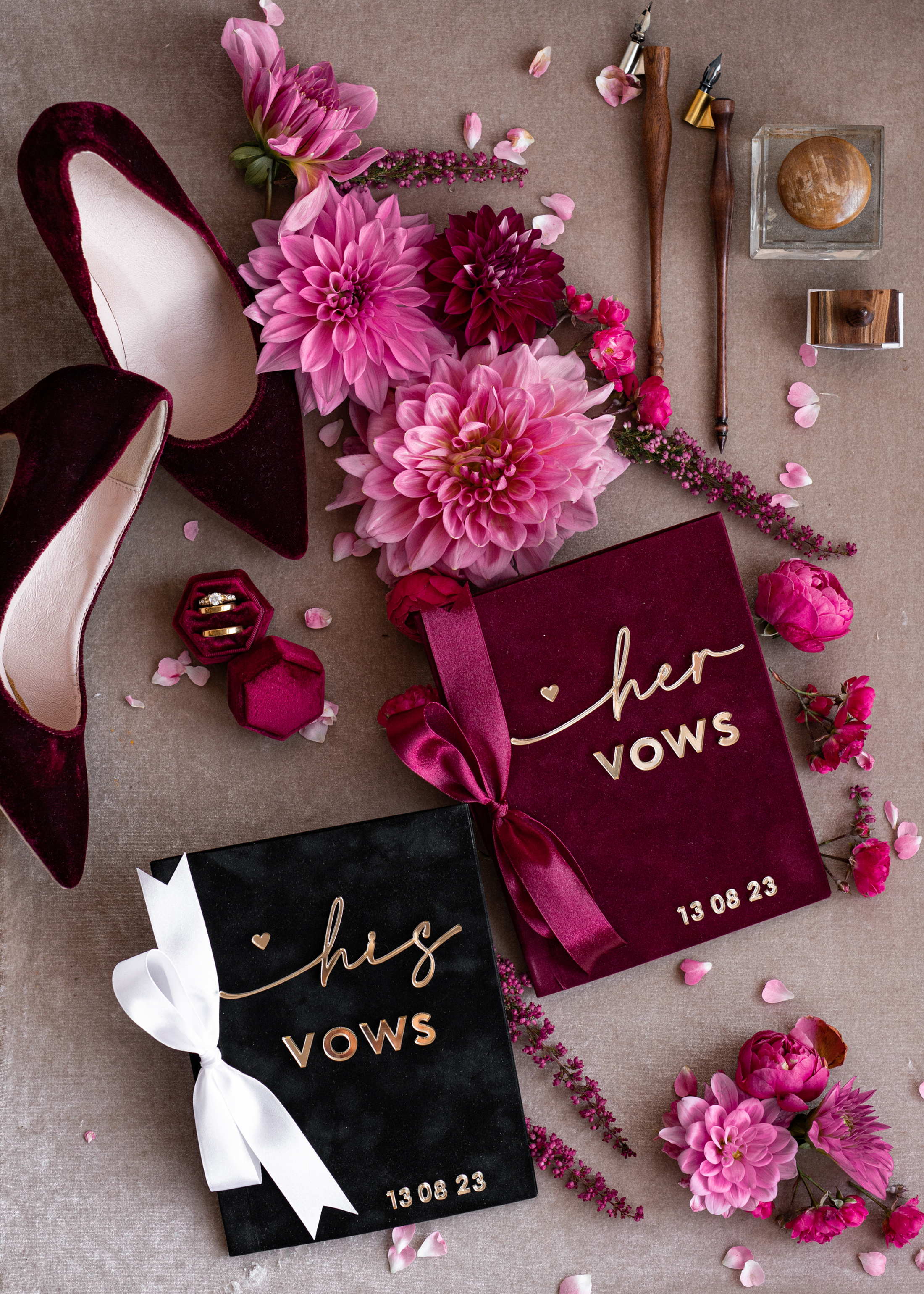
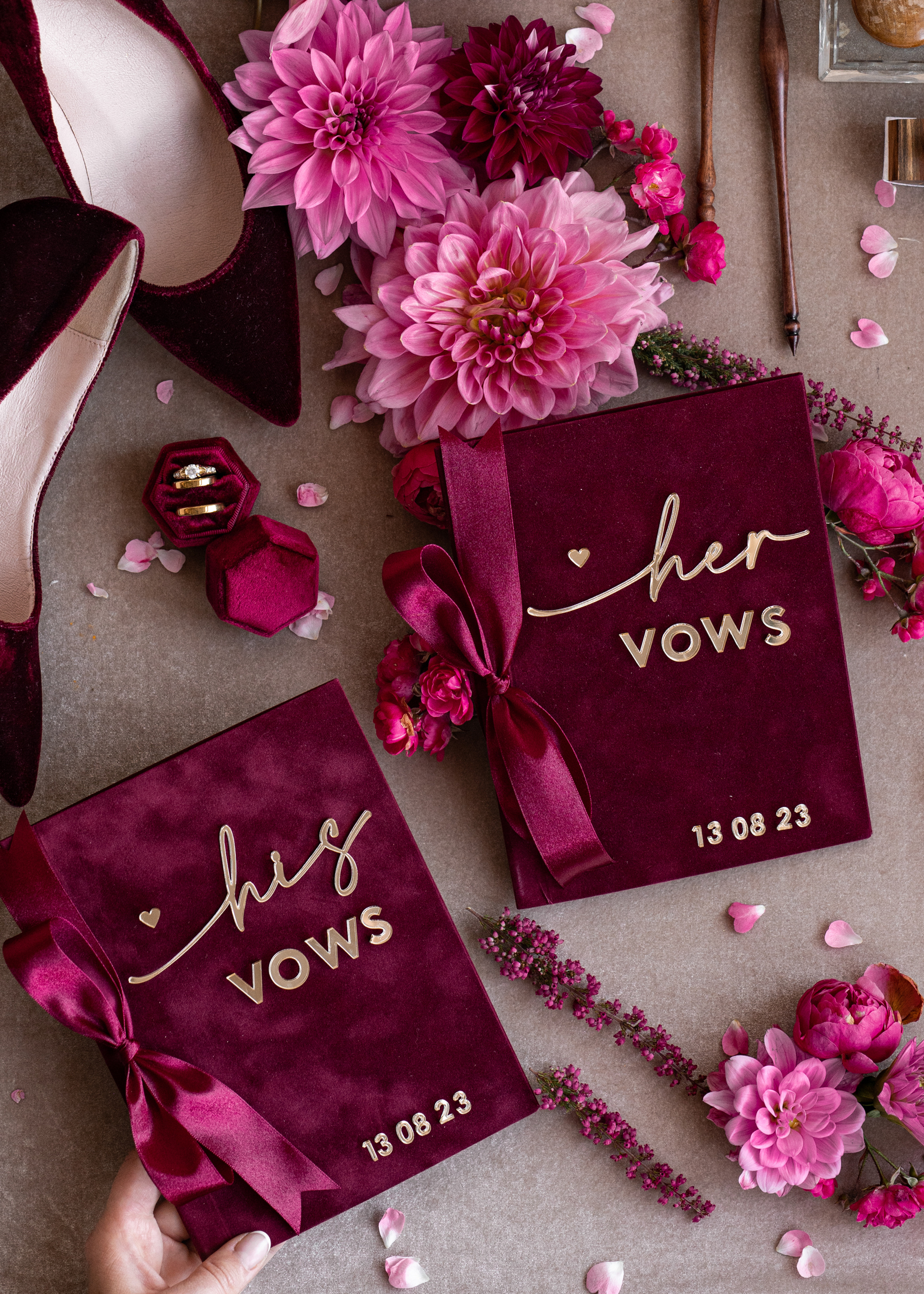
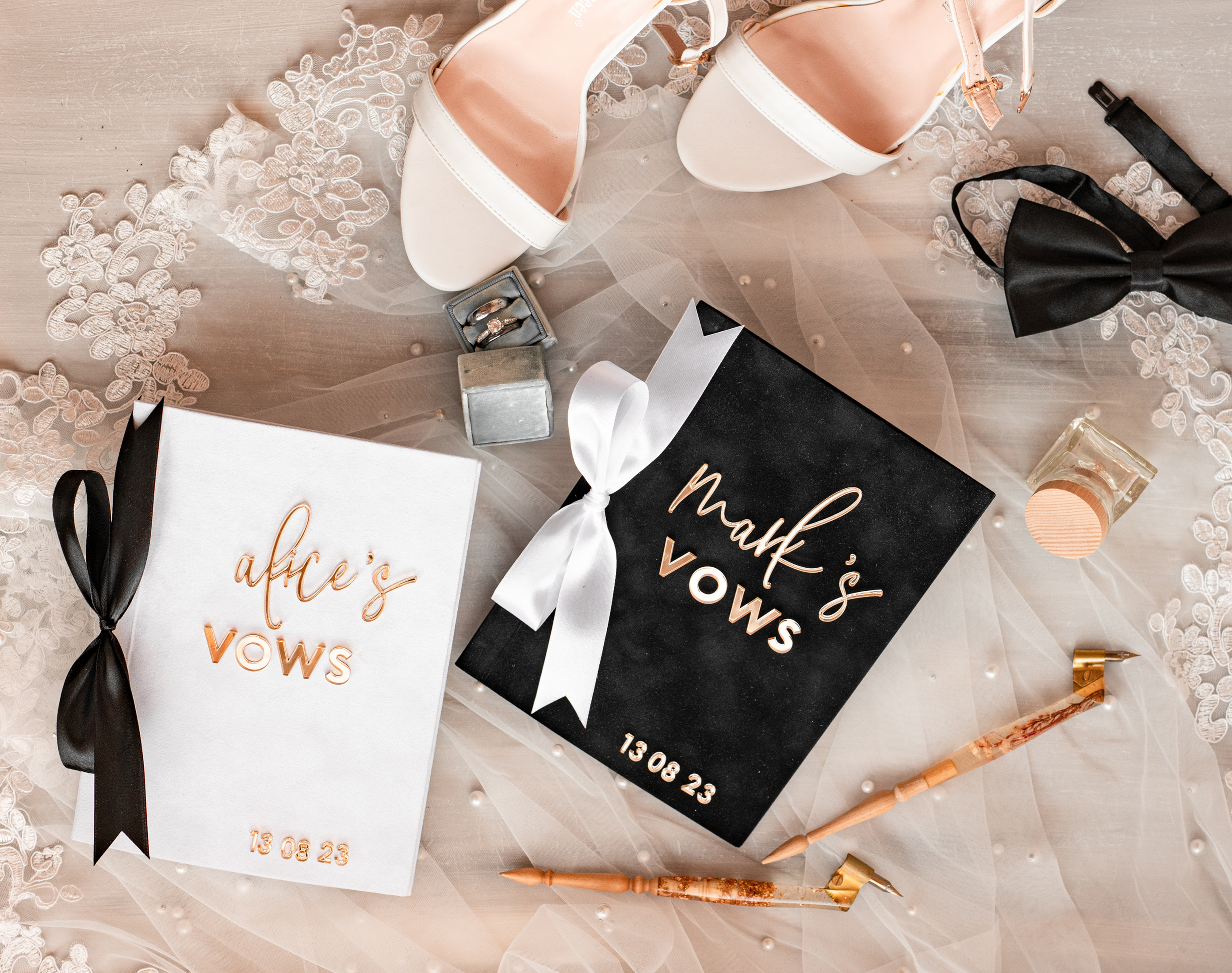
If you want everything about your day to feel intentional and polished — from the guest list to the ceremony itself — consider the details that set the tone. Couples who use beautifully crafted ceremony pieces like the 01/kor/Vwov acrylic clear gold vow cards find that the care put into every element signals to guests that this day has been thoughtfully planned. That same intentionality belongs in how you communicate your guest list.
A Note on Timing
Ideally, you're addressing plus-one expectations before invitations even go out. If a guest mentions bringing someone during the engagement period, that's the perfect moment to gently set expectations: "We're keeping it really small — just the people closest to us." The earlier you communicate, the less awkward the correction feels later. Once invitations are mailed and RSVPs are due, you're in reactive mode — which is harder. Proactive, early communication is always the kindest approach.

Frequently Asked Questions
You don't owe a detailed explanation, but a brief reason — like venue capacity or budget — helps guests feel less singled out. Keep it short and consistent so every guest hears the same thing.
Reach out promptly and kindly: "We noticed your RSVP included an extra guest — unfortunately we only have one seat reserved for you due to our venue limit." Address it as soon as you see it so the guest has time to adjust their plans.
It can feel uneven, so most etiquette experts recommend applying a consistent rule — for example, plus-ones only for married or engaged couples, or only for guests who don't know anyone else at the wedding. Having a clear policy makes it easier to explain and defend.
Be direct and loving: "We adore the kids, but we've made this an adults-only evening across the board — no exceptions, even for family." Offer to help them find childcare resources if that feels right for your relationship.
Absolutely — a wedding website FAQ is one of the best places to set expectations without making anyone feel called out personally. A line like "due to venue capacity, we can only accommodate guests named on the invitation" handles many questions before they're even asked.
Brief your venue coordinator or a trusted point-of-contact in advance so they can handle it calmly without involving you. The coordinator can explain there isn't a seat available and take it from there so you can stay focused on your day.
See This Design Up Close


You May Also Like

More Wedding Planning Guides
- → The Missing RSVP Problem: How to Handle Non-Responding Guests
- → Why a Small Wedding Might Be the Best Decision You Make
- → When 'I Won't Come If They're Invited' Lands in Your Wedding Planning
- → New Relationships, New RSVPs: Navigating Plus-Ones for Recent Couples
- → Should Your Aunt's New Husband Get a Wedding Invitation?
- → Uninvited Plus-Ones and Tag-Alongs: How to Keep Your Guest List Intact
- → When Family Feuds Threaten Your Wedding Plans: A Practical Peacekeeper's Guide
- → Inviting an Estranged Brother or Sister: Finding Clarity Before You Seal the Envelope
- → Cousins, Invites, and Hard Choices: A Practical Guest List Guide