
Children at Your Wedding: A Practical Guide to Making the Call
One of the trickiest decisions engaged couples face is whether to invite children to their wedding. There's no single right answer — it depends on your venue, budget, family dynamics, and the vibe you're going for. What matters most is making a thoughtful, consistent decision and communicating it clearly so every family on your guest list feels respected.
Start With the Big Picture: What Kind of Wedding Do You Want?
Before you start drawing lines on your guest list, picture your ideal wedding day. Are you envisioning an intimate candlelit dinner that runs past midnight, or a sunny backyard celebration where cousins of all ages run around on the lawn? The atmosphere you're after is your best starting point.
An adults-only wedding tends to feel more formal and gives parents a rare night out — many will secretly thank you for the excuse. A family-friendly wedding creates a warm, multigenerational energy and can be especially meaningful if children are close to you or your partner. Neither choice is wrong; what matters is that it feels authentic to you as a couple.
Setting Your Children Policy: Be Consistent and Clear
Whatever you decide, consistency is the golden rule of wedding etiquette. Inviting your best friend's toddler but not your cousin's kids of the same age will cause hurt feelings. Here are the most common approaches couples use:
- No children at all: Only guests 18 and older are invited. This is the cleanest rule to enforce.
- Immediate family only: Nieces, nephews, and children of the wedding party are included; other children are not.
- All children welcome: Every child on the guest list is invited, no exceptions.
- Age minimum: For example, children 10 and older are welcome. This accommodates older kids while keeping infants and toddlers at home.
Pick the rule that works for your situation and apply it across the board — no exceptions, no matter how much pressure you get.
Logistics: Making It Work for Families
If you do invite children, a little planning goes a long way toward keeping both kids and adults happy. Consider setting up a dedicated kids' area with coloring sheets, simple games, or a movie playing in a side room. Hiring a professional babysitter or children's entertainer on-site is a popular option that parents genuinely appreciate — it lets them relax and enjoy the reception while knowing their kids are cared for.
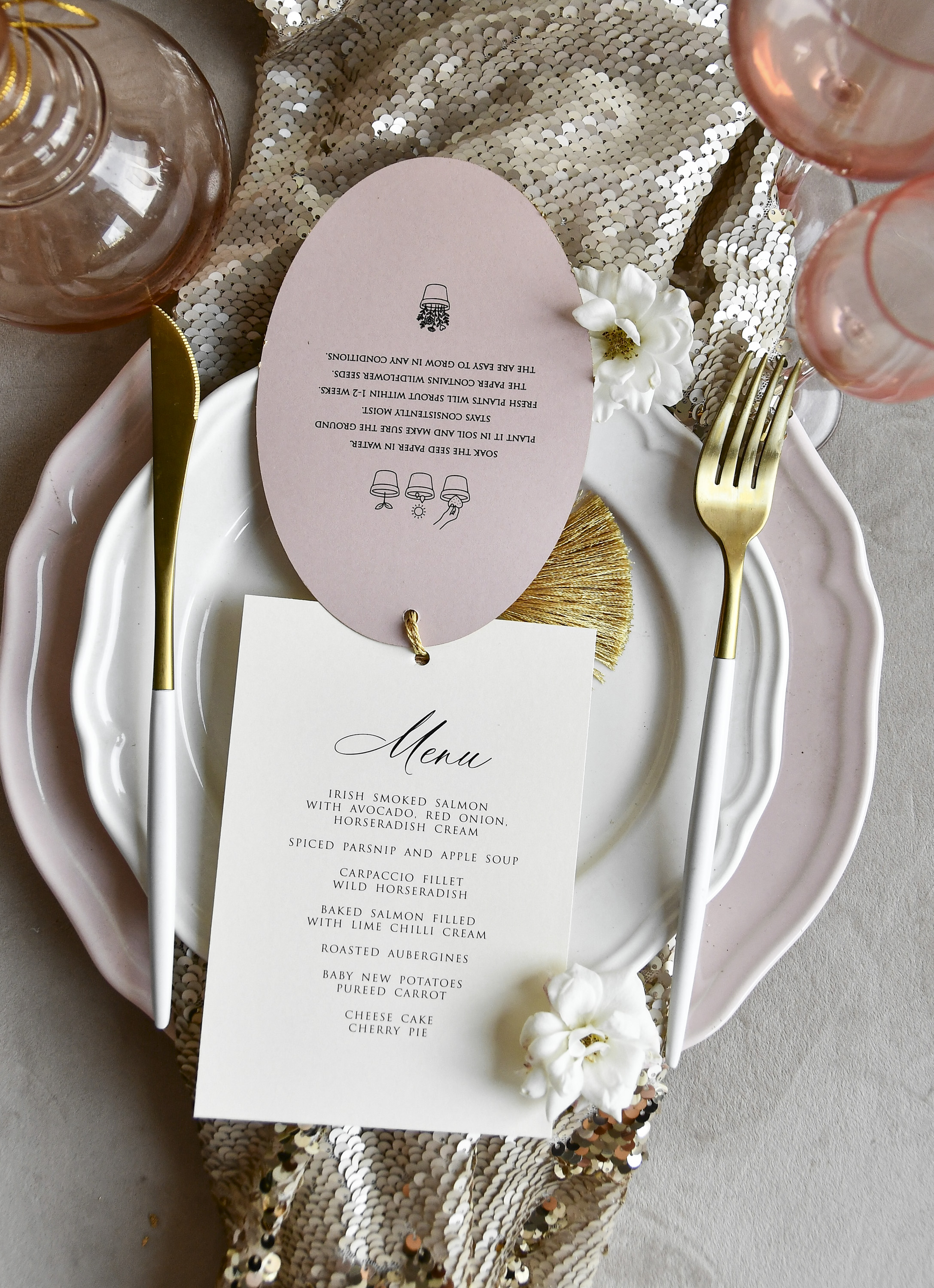
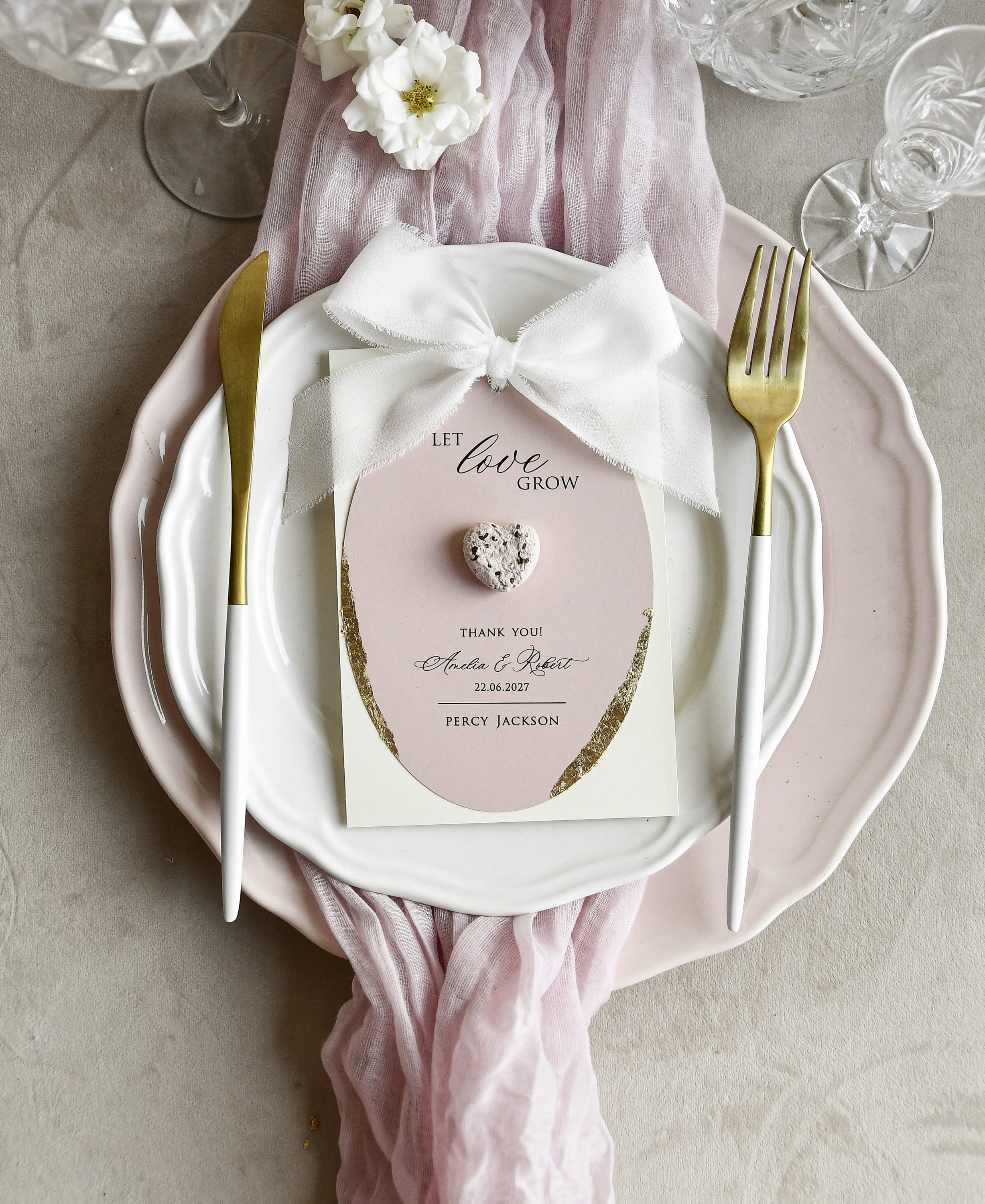
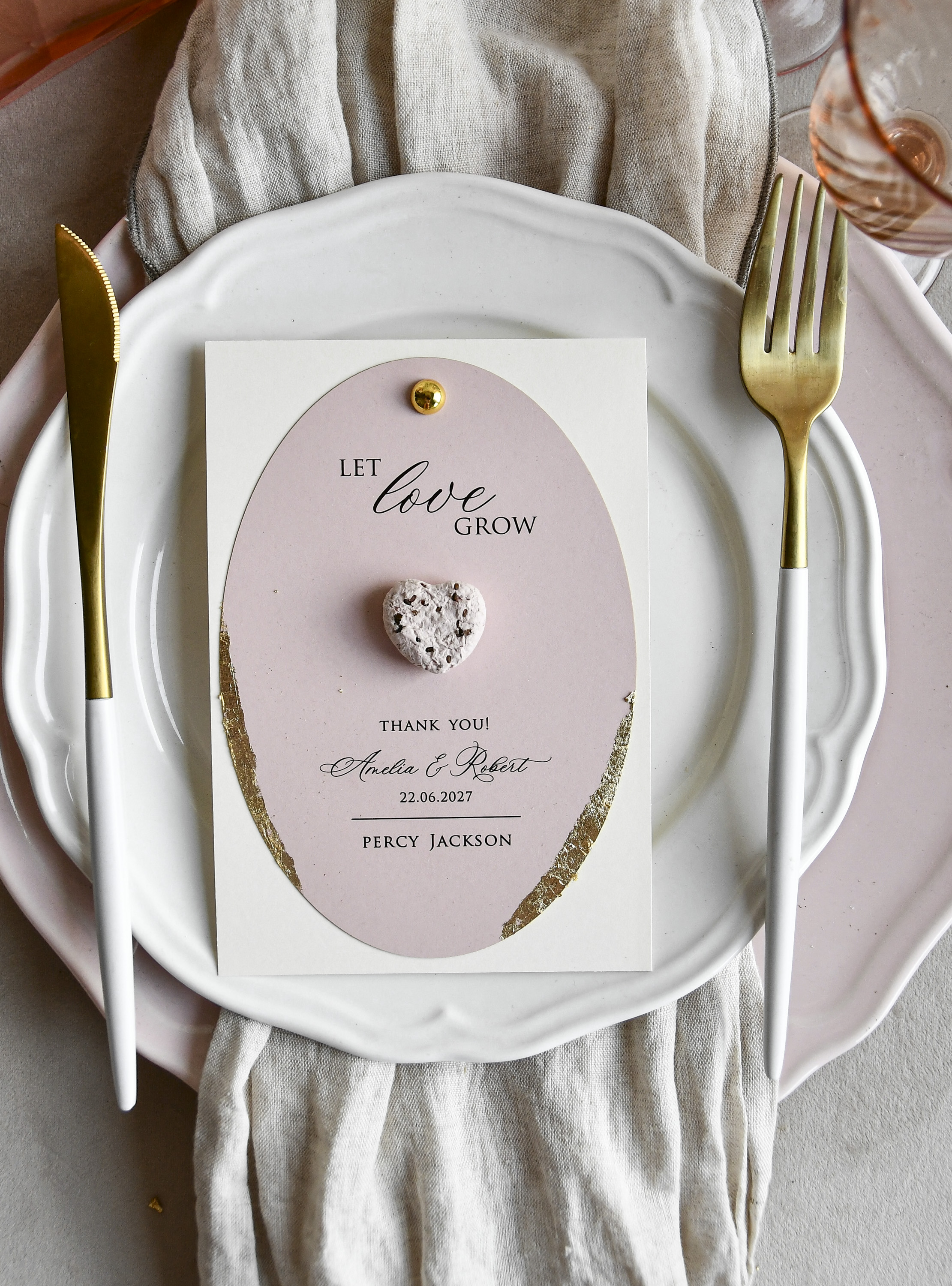
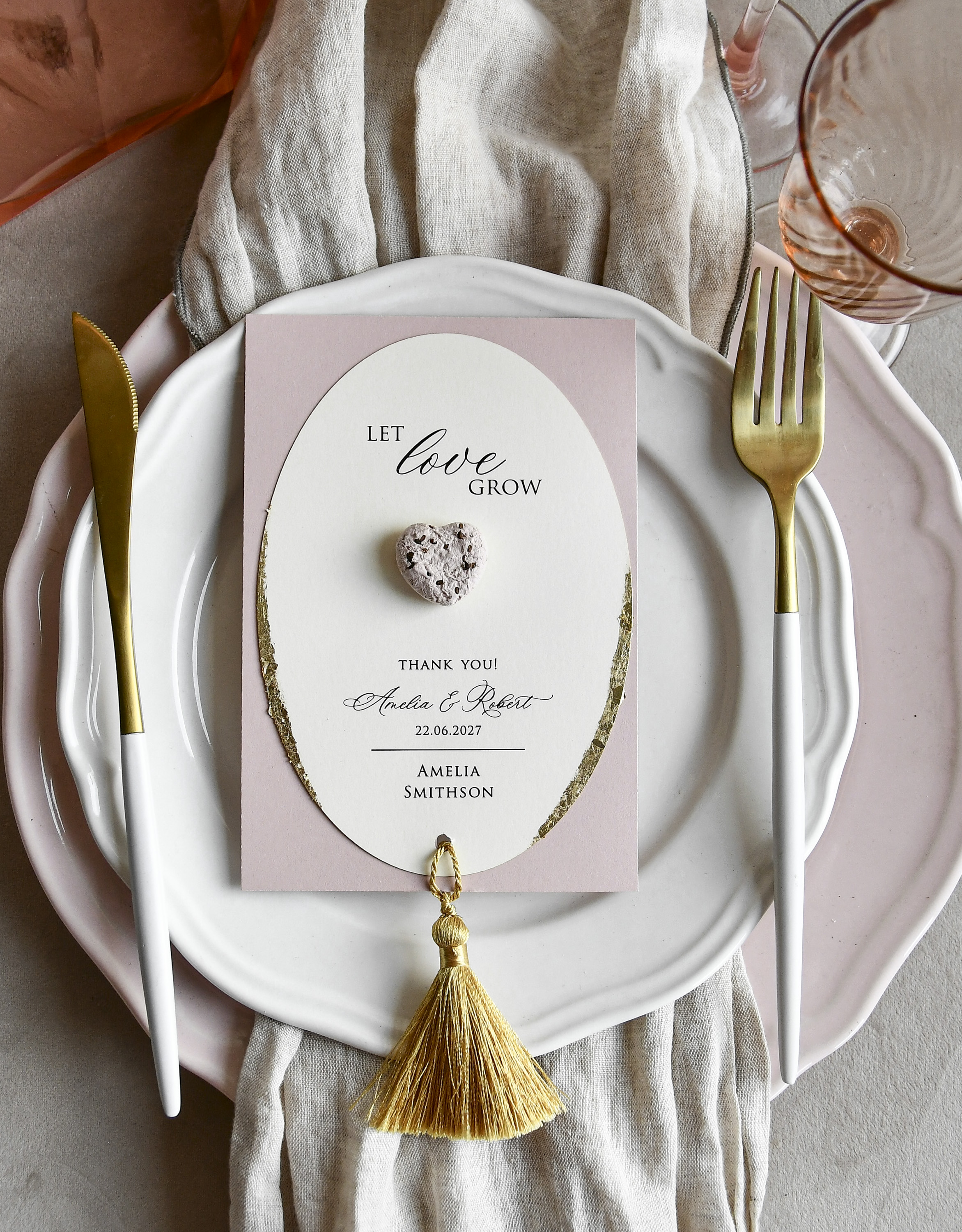
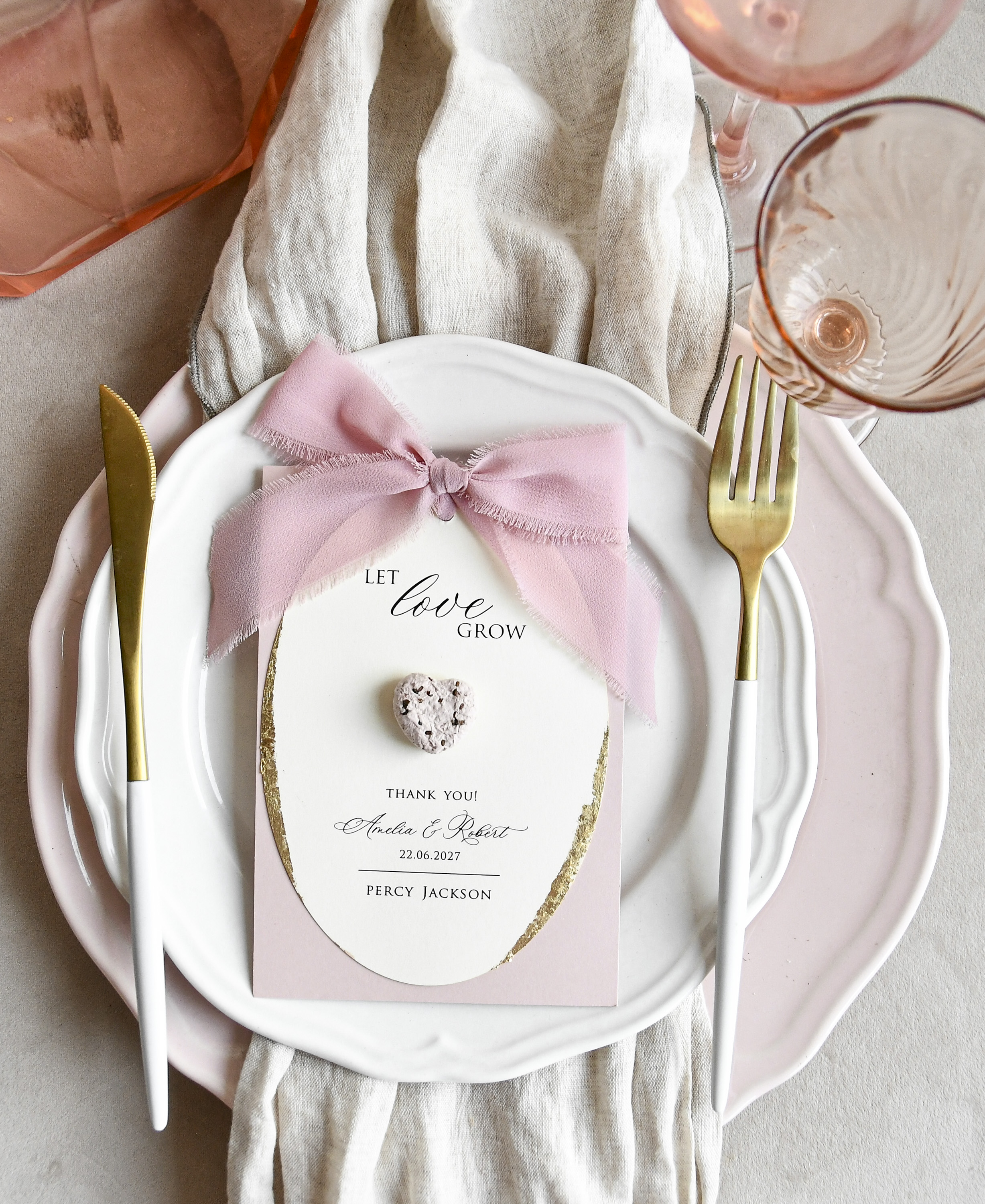
Think about your menu, too. A plated dinner with complex courses can be tough on young guests. Offering a simple kids' meal option — think pasta, chicken tenders, or a build-your-own taco station — keeps little ones fed and happy. Our 06/3in1/m romantic menu & program cards are a beautiful way to present a tailored kids' menu alongside your adult selections, keeping everything elegant and cohesive without extra effort.
Also check your venue's capacity and budget. Children count as guests for catering minimums and seating charts, so factor them into your numbers early.
Communicating Your Decision Without Awkwardness
Once you've made your decision, communicate it gently but clearly. The best place to signal an adults-only wedding is on your wedding website — a simple line like "We love your little ones, but we've chosen to keep our celebration adults-only. We hope this gives you a chance to enjoy a night out!" works well. You can also spread the word through parents in your family so the message travels naturally.
If you're welcoming children, your invitation wording matters. Address the envelope to include the children by name (e.g., The Johnson Family or Mr. and Mrs. Johnson and Family) so parents know the invitation extends to their kids. If only adults are invited, address envelopes to the adults only and leave children's names off entirely — most parents will take the hint.
Never put "No Children" directly on the invitation itself. It reads as blunt and can feel unwelcoming. Let the envelope addressing and your wedding website do the work instead.
Handling Pushback Gracefully
Even the most thoughtful policy will occasionally be met with pushback. A relative may ask if their infant can come, or a close friend might say they can't attend without their child. Acknowledge their situation with empathy: "We completely understand, and we're so sorry it won't work out. We'll miss you so much and would love to celebrate with you another time." Hold your boundary kindly but firmly — making one exception almost always leads to others.
If a guest truly cannot arrange childcare and you want them there, you can choose to make a private exception — but know that you may need to extend the same courtesy to others in similar situations. Weigh that carefully before you agree.
Frequently Asked Questions
Not at all — adults-only weddings are completely acceptable and quite common. The key is communicating your decision early and kindly so families have plenty of time to arrange childcare.
Address your envelopes to adults only and post a polite note on your wedding website. Word-of-mouth through family members can also help spread the message naturally before invitations go out.
This is your call, but if you make exceptions for wedding party children, be prepared for questions from other guests with kids. If you do allow it, keep the exception limited to those actually participating in the ceremony.
Children typically count toward your catering minimum, so expect to budget roughly the same per-head cost as adults, though many caterers offer a reduced children's meal rate. Also factor in any entertainment or childcare you plan to provide on-site.
Many couples choose 8 or 10 as a minimum age — old enough to sit through a ceremony and enjoy a dinner. Whatever age you pick, apply it consistently across your entire guest list.
Infants who sit on a parent's lap typically don't require a meal, but you should confirm this with your caterer and venue. Toddlers and older children who need their own seat generally do count toward your guest count and catering minimum.
See This Design Up Close
You May Also Like
More Wedding Planning Guides
- → Save the Date or Wedding Invitation? Here's Exactly What Each One Is For
- → Adults-Only Wedding: How to Communicate the Message Clearly and Kindly
- → Last-Minute RSVP Flip-Flops: Your Practical Game Plan
- → Uninvited Plus-Ones and Tag-Alongs: How to Keep Your Guest List Intact
- → When Family Feuds Threaten Your Wedding Plans: A Practical Peacekeeper's Guide
- → Inviting an Estranged Brother or Sister: Finding Clarity Before You Seal the Envelope
- → Cousins, Invites, and Hard Choices: A Practical Guest List Guide