
How to Address Wedding Invitations the Right Way
Addressing wedding invitations seems simple until you're staring at a blank envelope wondering whether to write "Doctor" or "Dr.," whether a guest's partner gets their own line, or how to handle a family with different last names. Getting this right matters — it's the first impression your wedding makes, and it signals to guests exactly who is invited. Here's everything you need to know to address every envelope with confidence and grace.
The Golden Rules of Outer Envelope Addressing
The outer envelope is formal. That means full names, proper titles, and no abbreviations except for titles like Mr., Mrs., Ms., and Dr. A few core rules to follow:
- Always spell out street names: Write "Avenue," "Boulevard," and "Street" in full — never "Ave" or "Blvd."
- Spell out state names: Write "California" instead of "CA" for a truly formal look, though abbreviated states are widely accepted today.
- No first names alone: Always pair a first name with a last name on the outer envelope.
- Skip "and family": List children by name on the inner envelope instead (more on that below).
A properly addressed outer envelope for a married couple would read: Mr. and Mrs. James Hartley on the first line, followed by their full address. If the wife kept her maiden name, each person gets their own line: Ms. Lauren Briggs on line one, Mr. James Hartley on line two — listed alphabetically by last name.
How to Handle Titles, Couples, and Tricky Name Combinations
Real guest lists are rarely straightforward. Here's how to handle the most common situations:
- Married couple, same last name: Mr. and Mrs. James Hartley
- Married couple, different last names: Ms. Lauren Briggs / Mr. James Hartley (each on their own line, alphabetical order)
- Unmarried couple living together: Same format as above — each person on their own line
- Doctor: If one partner holds a doctorate: Dr. Lauren Briggs and Mr. James Hartley. If both do: The Doctors Hartley, or Dr. Lauren Briggs and Dr. James Hartley
- Same-sex couples: Follow the same rules — list names alphabetically or by preference, each with their appropriate title
- Single guest with a plus-one: Outer envelope lists only the invited guest by name; the inner envelope can say Sarah Collins and Guest
When in doubt, lead with whichever name you feel closer to — etiquette books vary, and your guests will appreciate the thought regardless.
Inner Envelopes: When to Use Them and What to Write
Traditional wedding invitations include both an outer and an inner envelope. The inner envelope is less formal and tells guests exactly who is welcome — this is where you get specific about children and plus-ones.
- Close family: Aunt Carol and Uncle David — first names or family titles are perfectly appropriate here
- Family with children: Mr. and Mrs. Hartley, Emma and Noah — list children by first name below the parents
- Single guest with a plus-one: Sarah and Guest
- Children only invited (rare): List only the children's names
If you're skipping the inner envelope — a modern and perfectly acceptable choice — make sure your outer envelope is crystal clear about who is invited. Include a note on your wedding website clarifying your guest policy to avoid awkward conversations later.
Practical Tips for a Polished Finished Product
Even perfect addressing can look messy if the execution is off. Here are a few practical tips to keep everything looking sharp:
- Collect addresses early: Send a digital address collection form to guests three to four months before your mail date. Chasing down addresses last minute adds unnecessary stress.
- Use a consistent format: Decide upfront whether you're hand-lettering, printing, or using address labels — then stick with one method throughout.
- Proofread twice: Have a second person review every name and address before you seal a single envelope. A misspelled name on an invitation can sting.
- Return address on the back flap: Place your return address on the back flap of the outer envelope — this is the etiquette-approved spot for formal invitations.
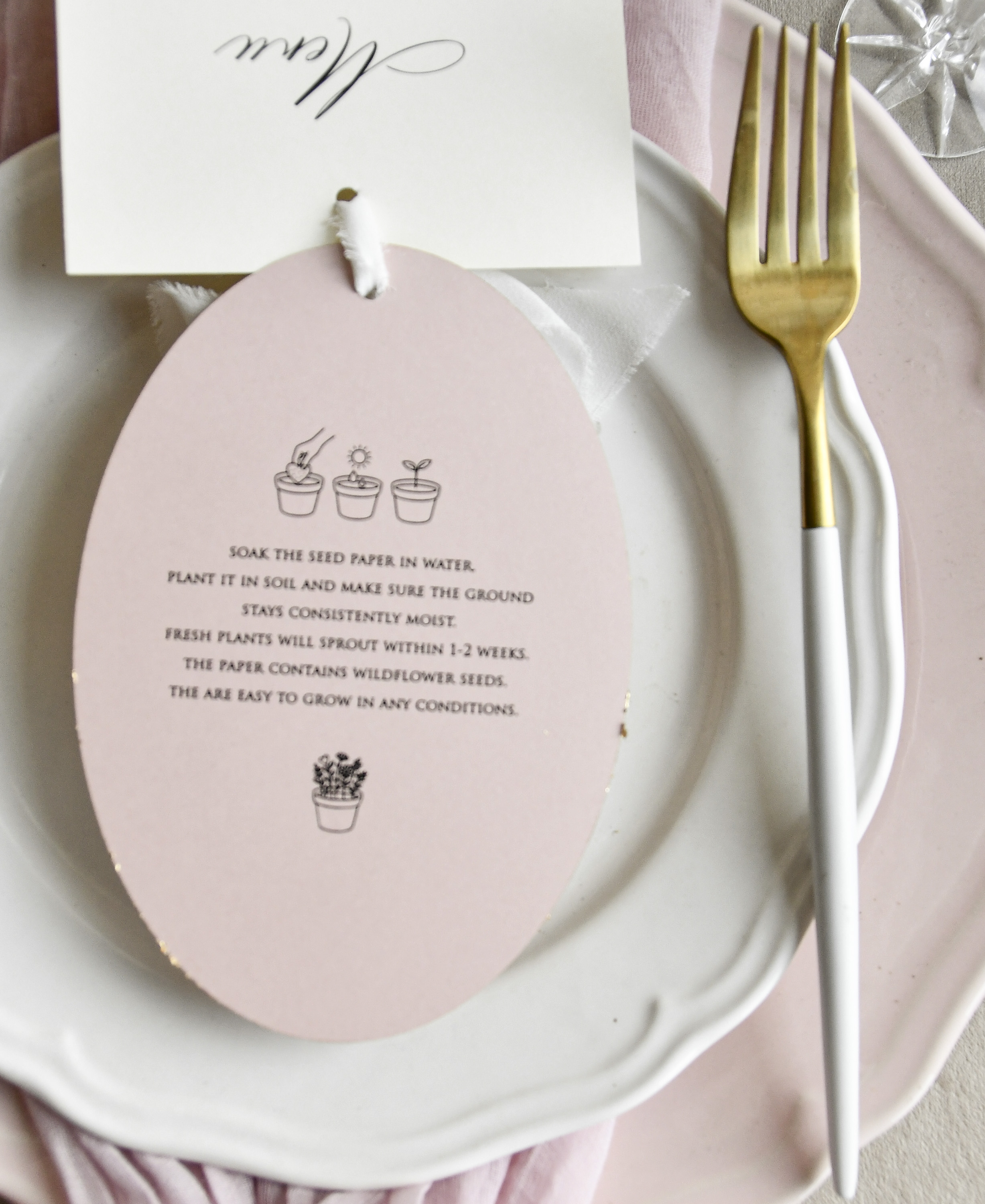
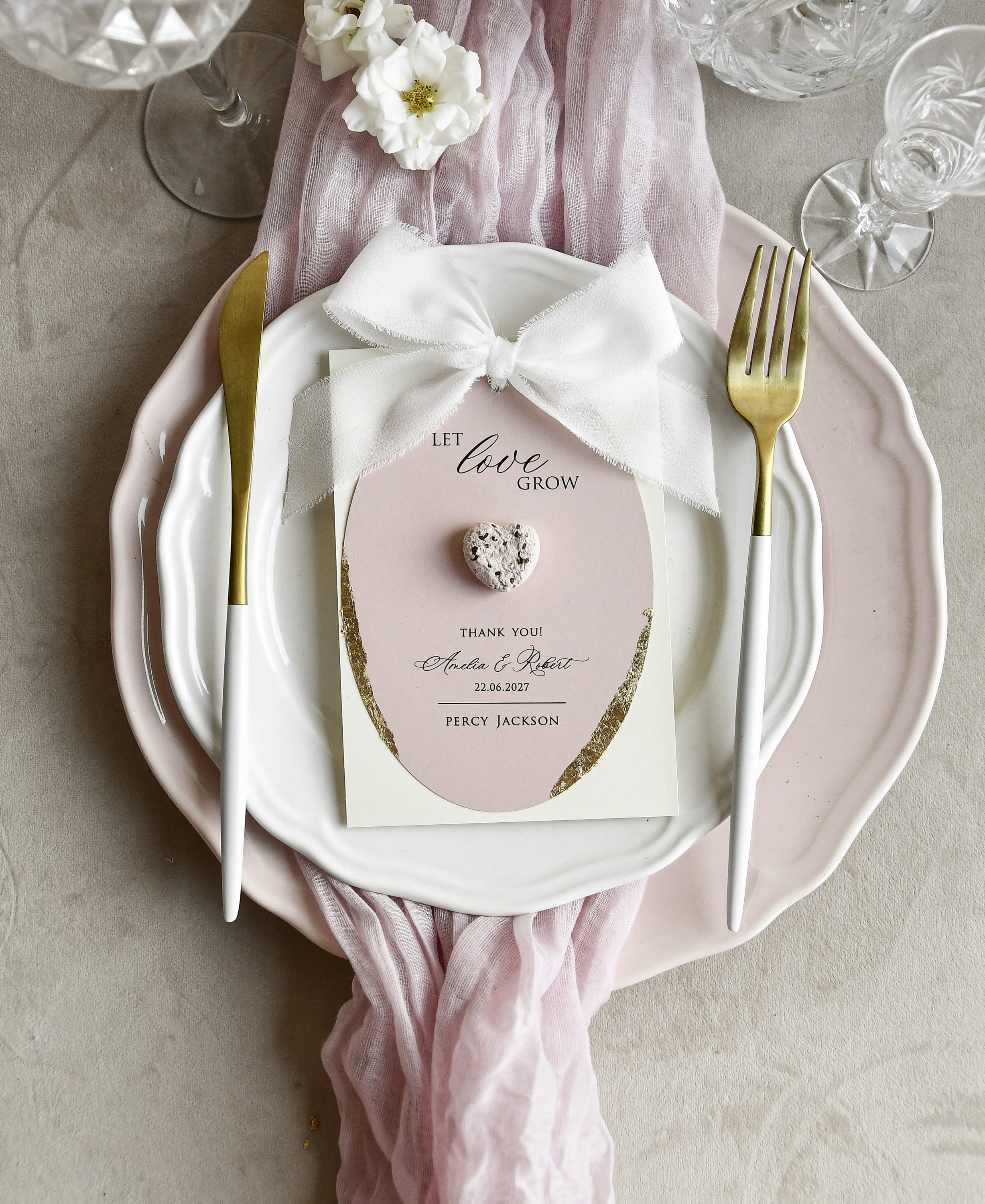
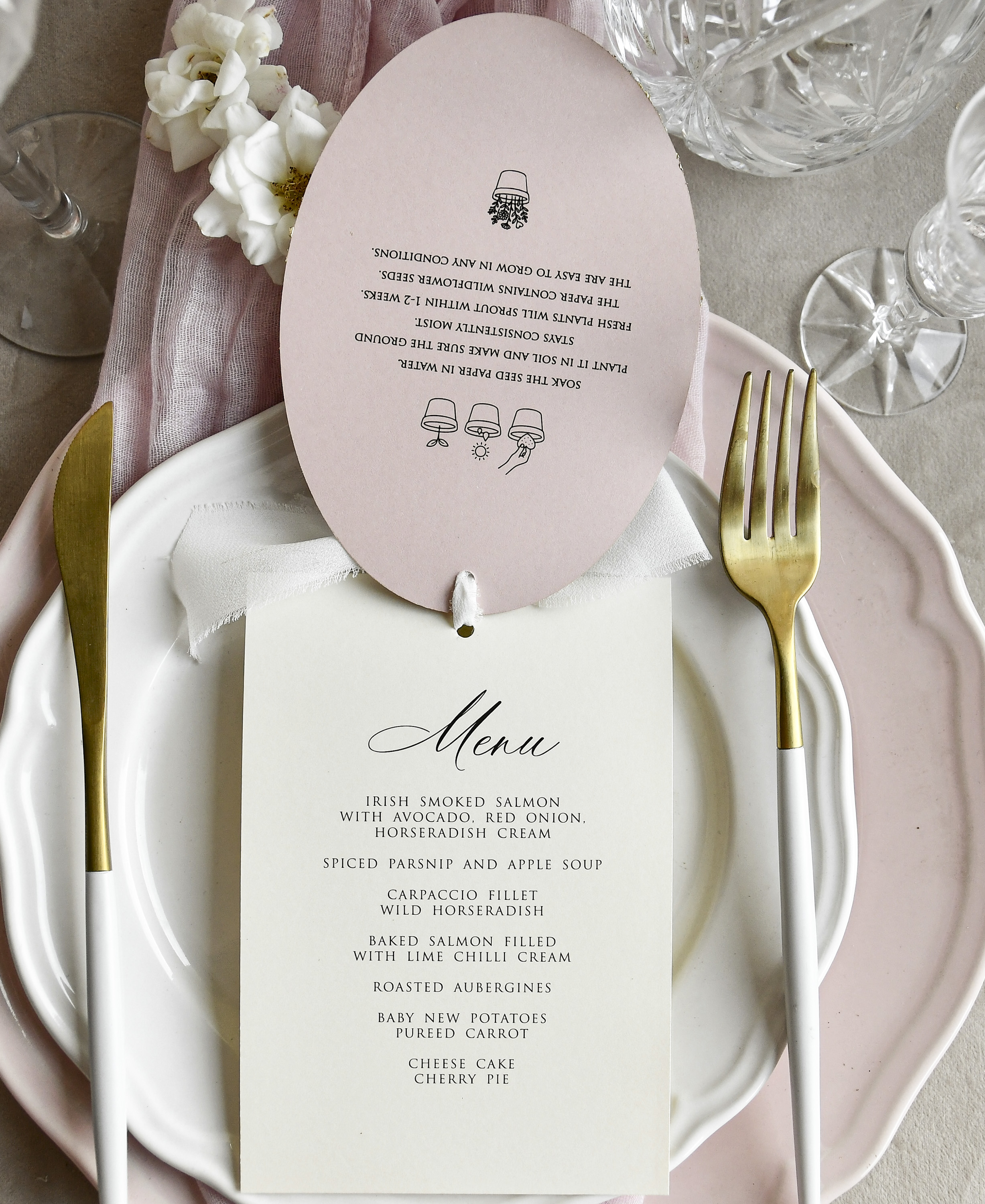
- Weigh before you stamp: Take a fully assembled invitation suite — including your RSVP card, inner envelope, and any inserts like a menu or program card — to the post office to confirm postage. Suites with a menu card like the 05/3in1/m from Margo&Bees can add a bit of weight, so always confirm before buying stamps in bulk.
When to Mail and What to Double-Check Before You Do
Timing matters just as much as addressing. Send wedding invitations six to eight weeks before the wedding for local and domestic guests, and ten to twelve weeks ahead if you have international guests or a destination wedding. If you're mailing during a major holiday season, add an extra week as a buffer.
Before sealing the last envelope, run through this quick checklist:
- Every name is spelled correctly and titles are accurate
- Every address is verified (not just copied from an old contact)
- RSVP deadline is printed clearly on the card — typically three to four weeks before the wedding
- Return address is on the back flap of every outer envelope
- Postage is confirmed at the post office with a fully assembled suite
- Inner envelopes clearly indicate who is (and isn't) invited
A little extra care at this stage saves a lot of confusion — and hurt feelings — later on.
Frequently Asked Questions
Inner envelopes are traditional but not required. Many modern couples skip them entirely and use just one outer envelope. If you go this route, be especially clear on the outer envelope about who is invited, and use your wedding website to clarify your guest policy.
On the outer envelope, address it only to the invited guest by full name. On the inner envelope — or in a separate note — write their name followed by "and Guest" so they know a plus-one is welcome. Never assume; always make it explicit.
Traditional titles are still considered correct etiquette for formal invitations and most guests appreciate the gesture. If you know a guest prefers a different title or no title at all, honor that preference — getting someone's title right is always more important than following a rule.
Treat them exactly like a married couple with different last names — list each person on their own line on the outer envelope, in alphabetical order by last name. This is respectful and fully correct by modern etiquette standards.
Absolutely. Printed addresses look clean and professional, and calligraphy-style fonts can still feel elegant. The most important thing is consistency — choose one method and use it for every envelope in your suite.
On the outer envelope, address it to the parents only. On the inner envelope, list the parents' names and then the children's first names below. Children who are not listed are generally understood to not be invited, though a note on your wedding website can help clarify your policy.
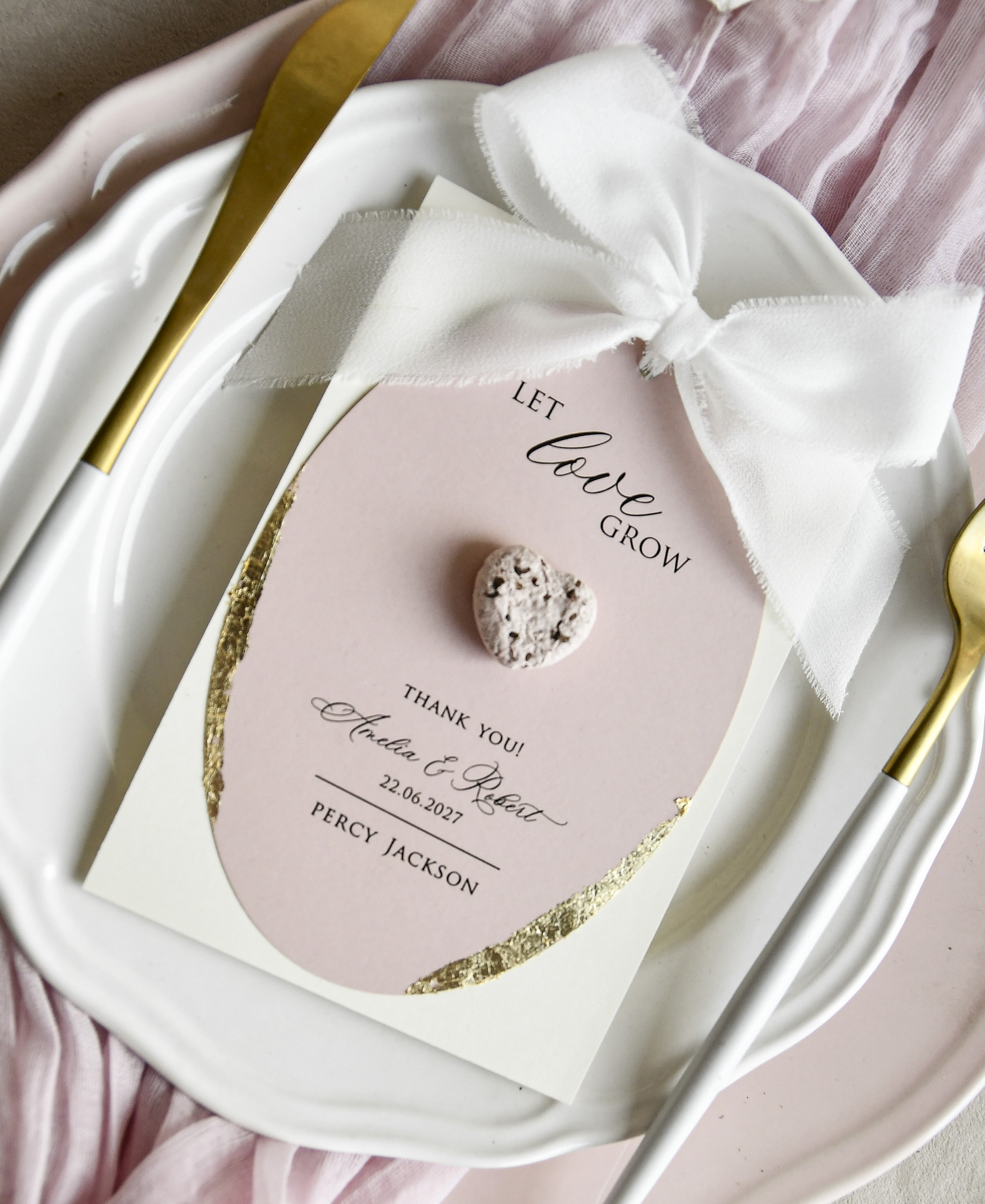
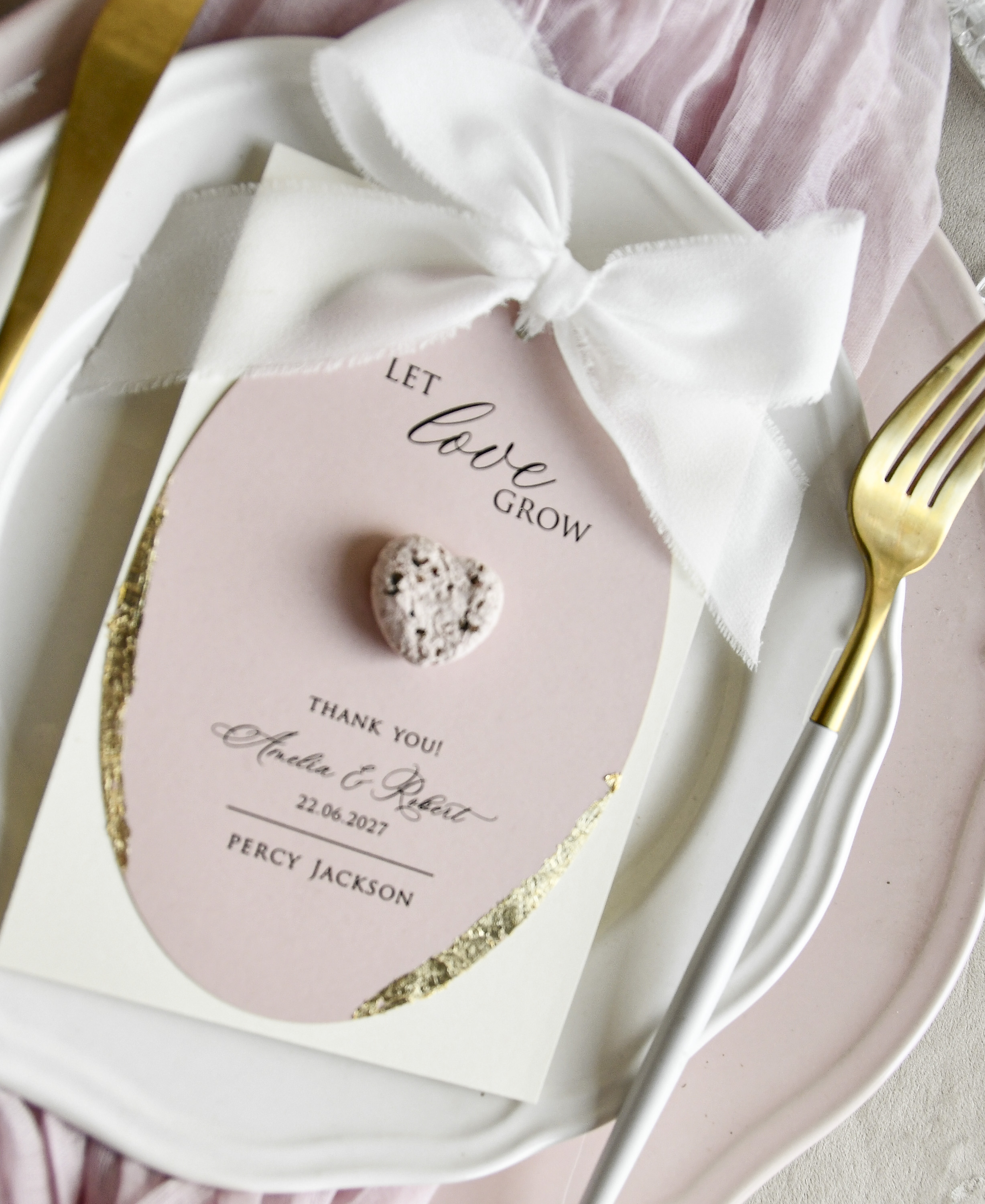
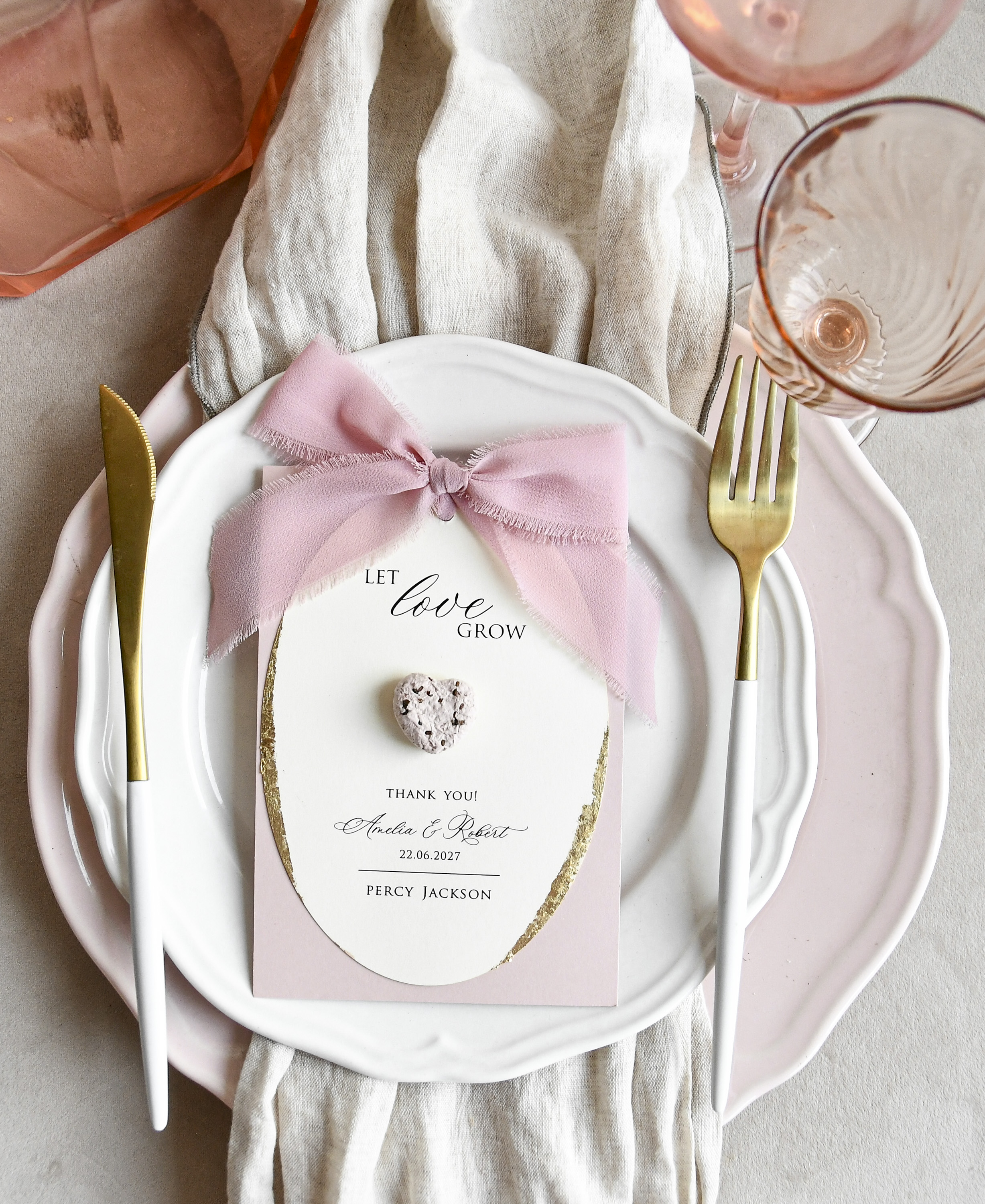
See This Design Up Close
You May Also Like
More Wedding Planning Guides
- → Distant Relatives on Your Wedding Guest List: How to Decide Who Makes the Cut
- → The First Names to Remove When Your Wedding Guest List Gets Too Long
- → Guest Count vs. Wedding Quality: How to Find Your Perfect Balance
- → Are Digital Wedding Invitations a Real Option for Your Big Day?
- → Uninvited Plus-Ones and Tag-Alongs: How to Keep Your Guest List Intact
- → When Family Feuds Threaten Your Wedding Plans: A Practical Peacekeeper's Guide
- → Inviting an Estranged Brother or Sister: Finding Clarity Before You Seal the Envelope
- → Cousins, Invites, and Hard Choices: A Practical Guest List Guide