
The First Names to Remove When Your Wedding Guest List Gets Too Long
You've started writing out your guest list and the number is already way over budget. Sound familiar? Almost every couple hits this wall. The good news: there's a logical, fair order for trimming names — one that protects your most important relationships and keeps the decision-making process from becoming a source of stress or family drama. Here's exactly where to start cutting.
Start With Obligation-Only Invites
The very first names to reconsider are the ones you added out of pure obligation — not genuine desire. Ask yourself honestly: Would I be excited to see this person walk into my reception? If the answer is a long pause, that's your answer.
- Coworkers you're not close to: A work friendship that lives entirely inside the office doesn't automatically earn a wedding seat. If you wouldn't make plans with them outside of work, they're a strong candidate for the cut.
- Distant relatives you've met once or twice: A second cousin you haven't spoken to in a decade is not a guest-list essential. Family obligation has limits — your wedding isn't a family reunion.
- Your parents' friends (that you don't know): This is one of the most common sources of guest-list bloat. If your parents want to invite their own friends, have an honest conversation about who is contributing to the budget and whether a separate celebration could work for them.
The 'Have You Spoken in the Last Year?' Rule
A simple but surprisingly effective filter: if you haven't had a real conversation with someone in the past 12 months — not a social media like, an actual exchange — they're a reasonable cut. Friendships drift, and that's okay. Your wedding is a snapshot of your life right now, not a reunion of everyone you've ever been close to.
Apply this rule consistently across both sides of the guest list. It removes the appearance of favoritism and gives you a defensible, neutral reason if anyone asks why they weren't invited.
Handle Plus-Ones With Clear, Consistent Rules
Plus-ones can silently double your guest count. Before you offer them, set a firm household policy and apply it to everyone equally — this is the key to avoiding hurt feelings.
- Married or engaged couples: Always invite both partners. Separating established couples is considered a significant etiquette misstep.
- Long-term partners (1+ year): Generally, yes. If someone has been in a serious relationship for over a year, their partner deserves an invitation.
- Casual or new relationships: This is where you can reasonably say no. If a guest has been dating someone for three months, a plus-one is a courtesy, not a requirement.
- Single guests with no partner: You are not obligated to offer a free-choice plus-one to every single guest. Reserve that for close friends or family members who would genuinely feel uncomfortable attending alone.
Locking down your plus-one policy early can realistically trim five to fifteen people from your final count.
Children: Decide Once and Apply It Everywhere
Whether or not to include children is one of the biggest guest-list decisions you'll make — and it deserves a clear, blanket rule rather than case-by-case exceptions. An adults-only wedding is completely acceptable; the key is communicating it clearly and early so parents can make arrangements.
If you do go adults-only, exceptions should be limited to nursing infants (for the parents' sake) and perhaps immediate family children like nieces and nephews. Whatever you decide, be consistent — one exception always leads to another, and then another.
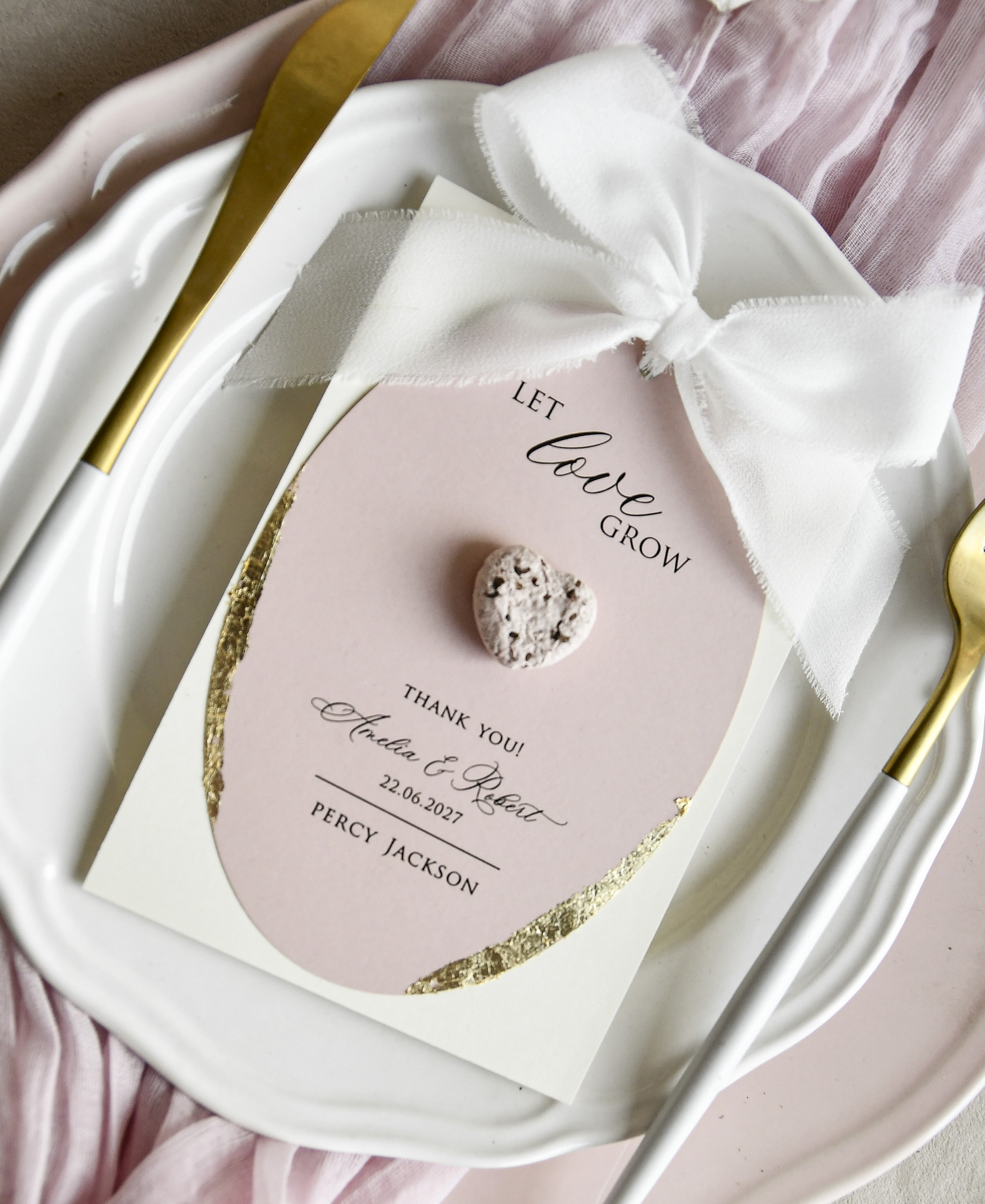
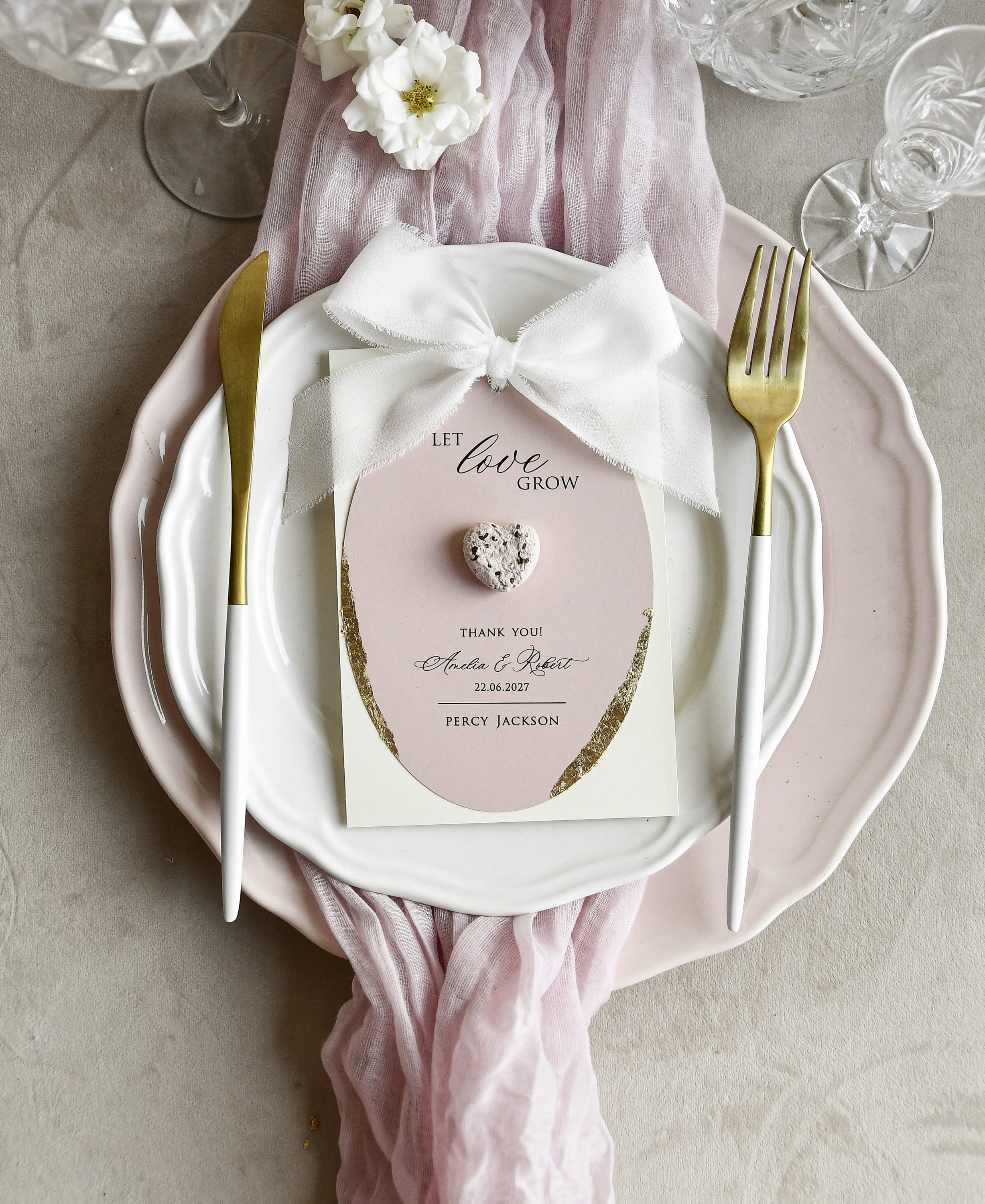
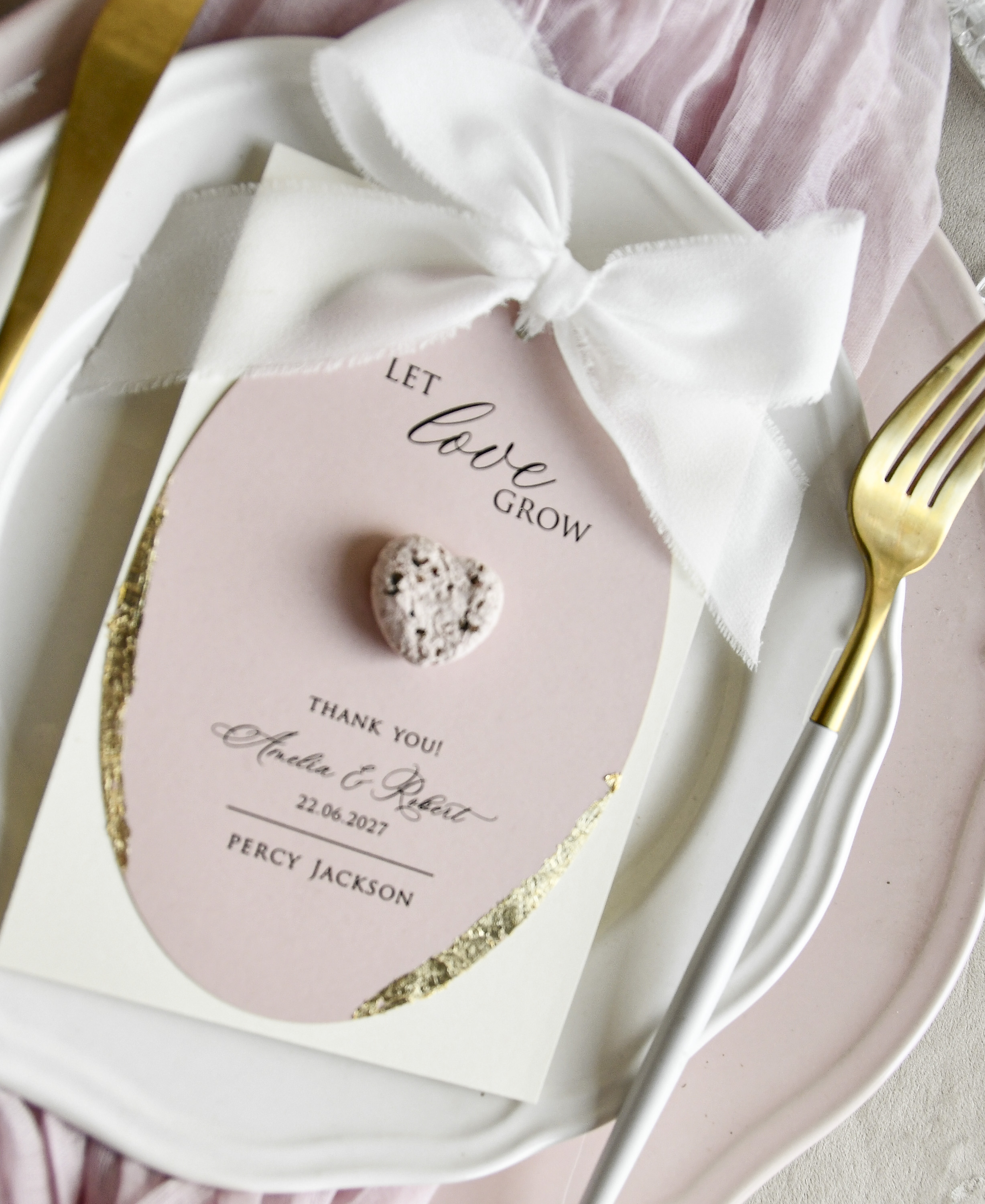
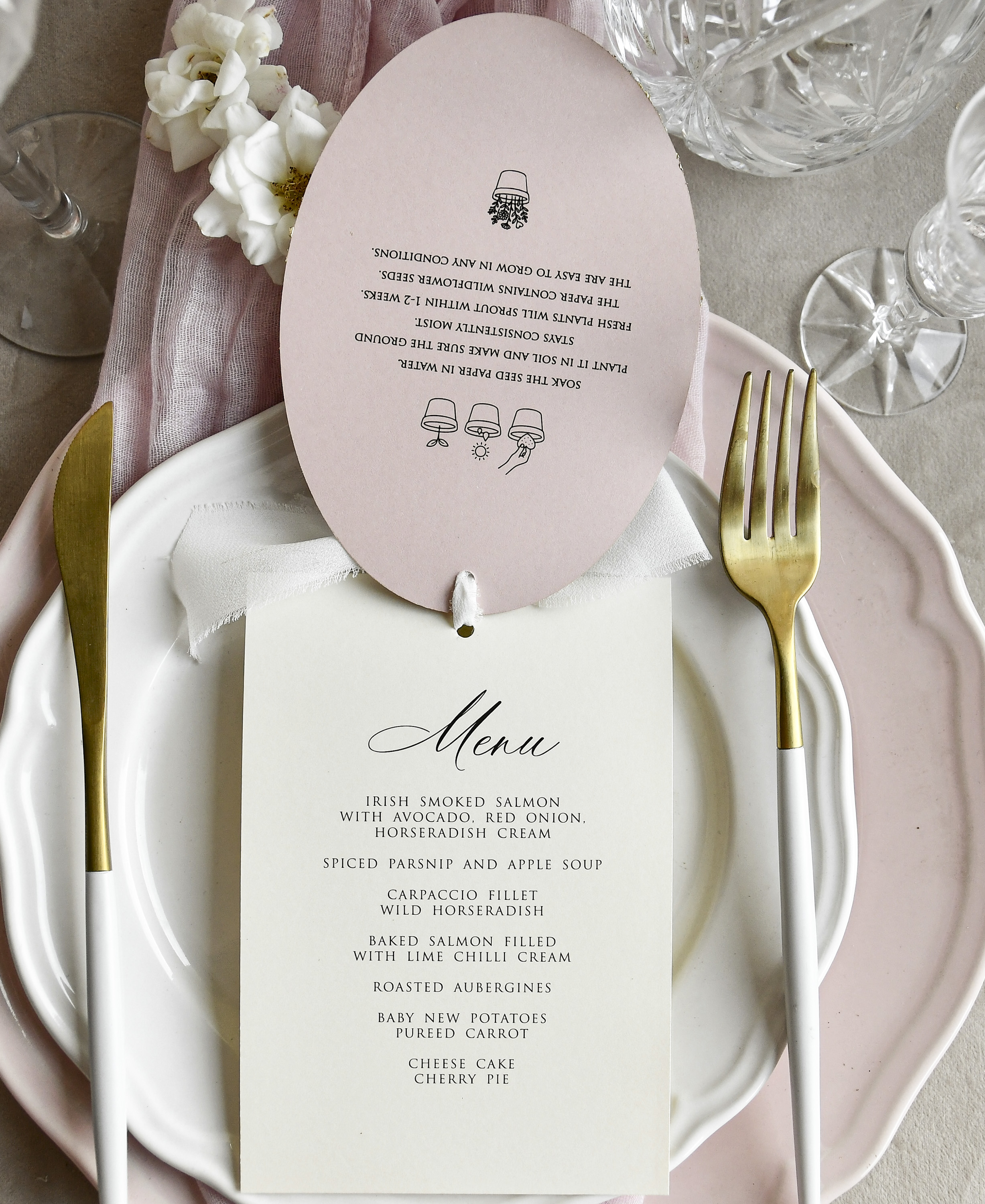
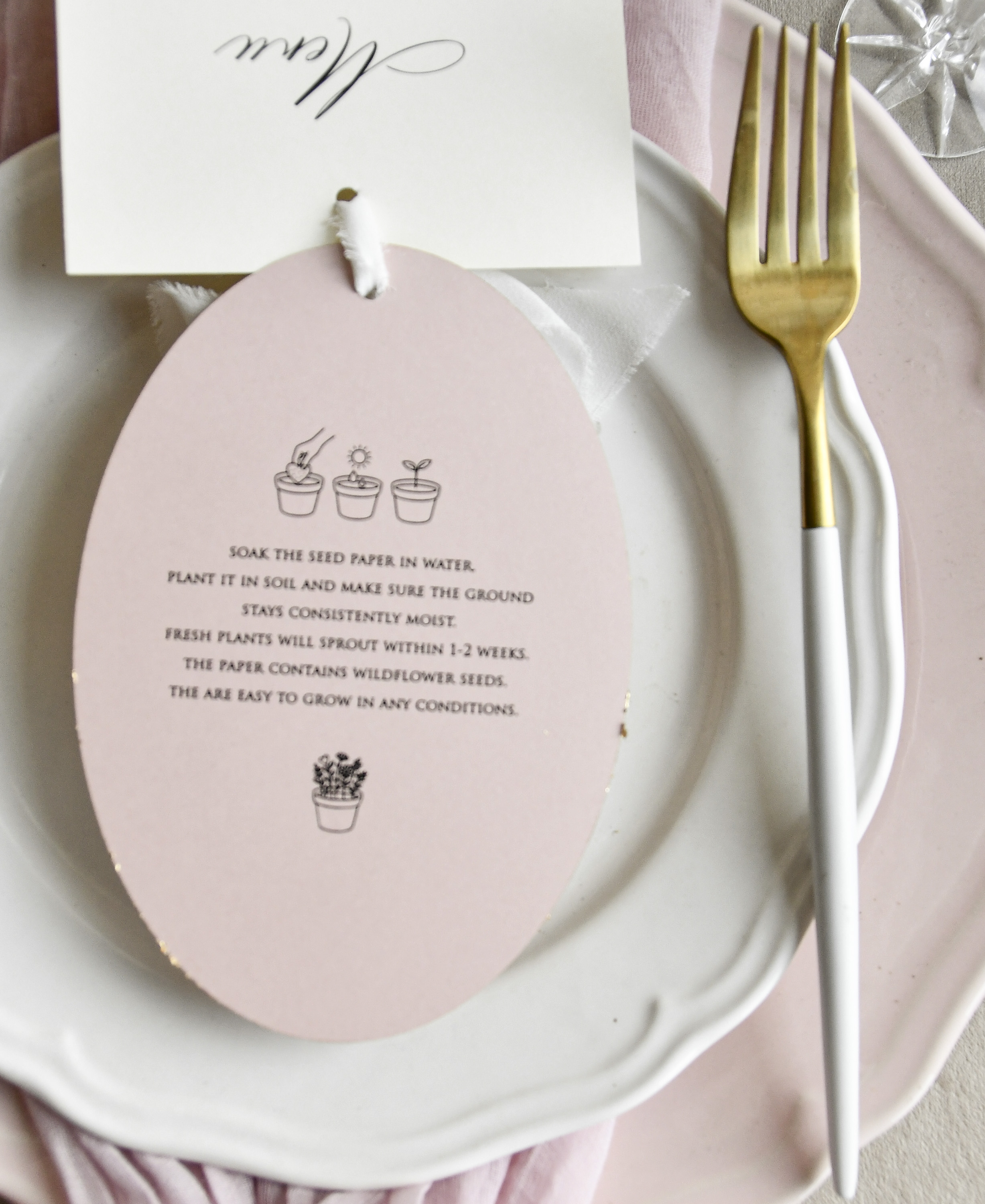
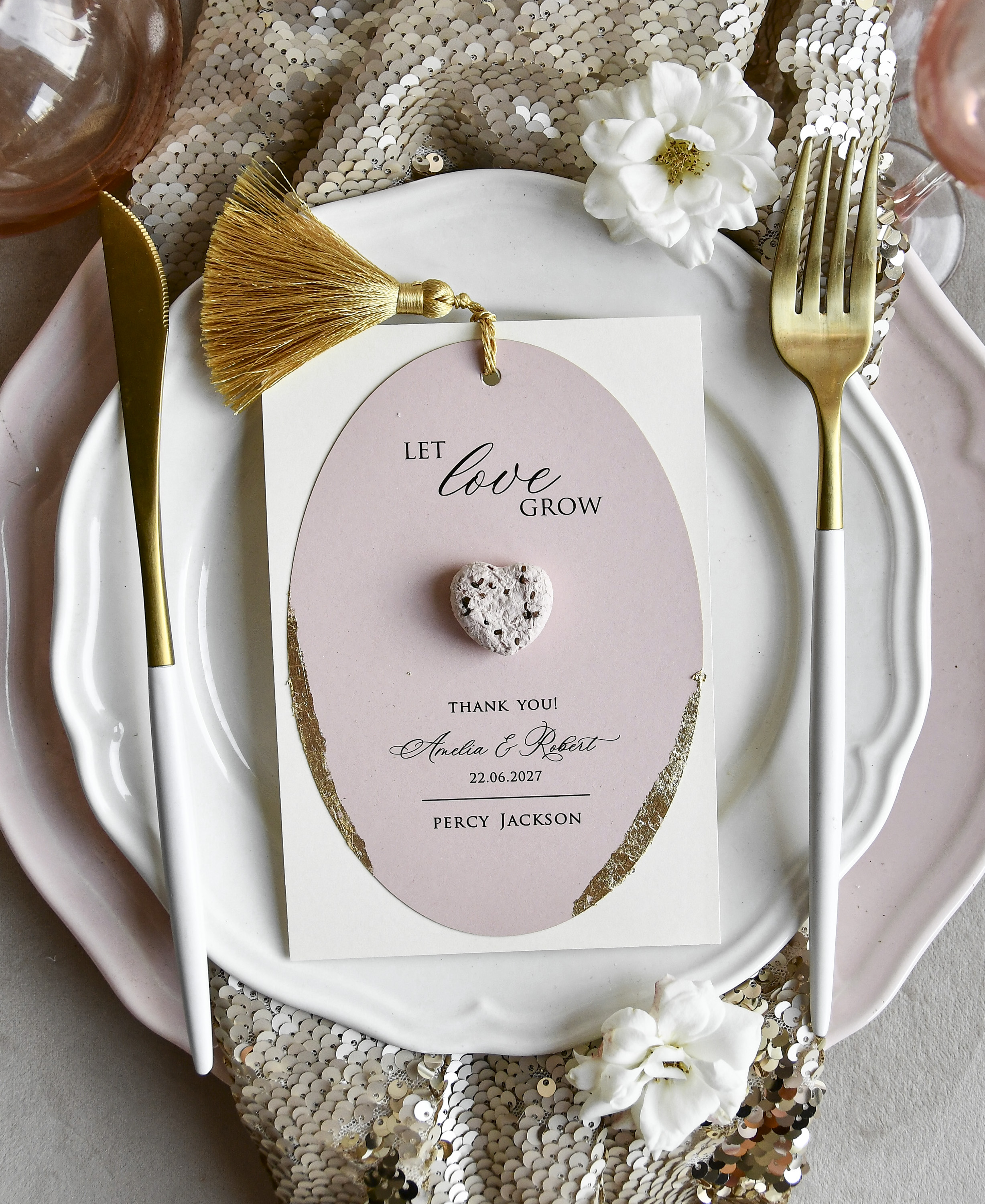
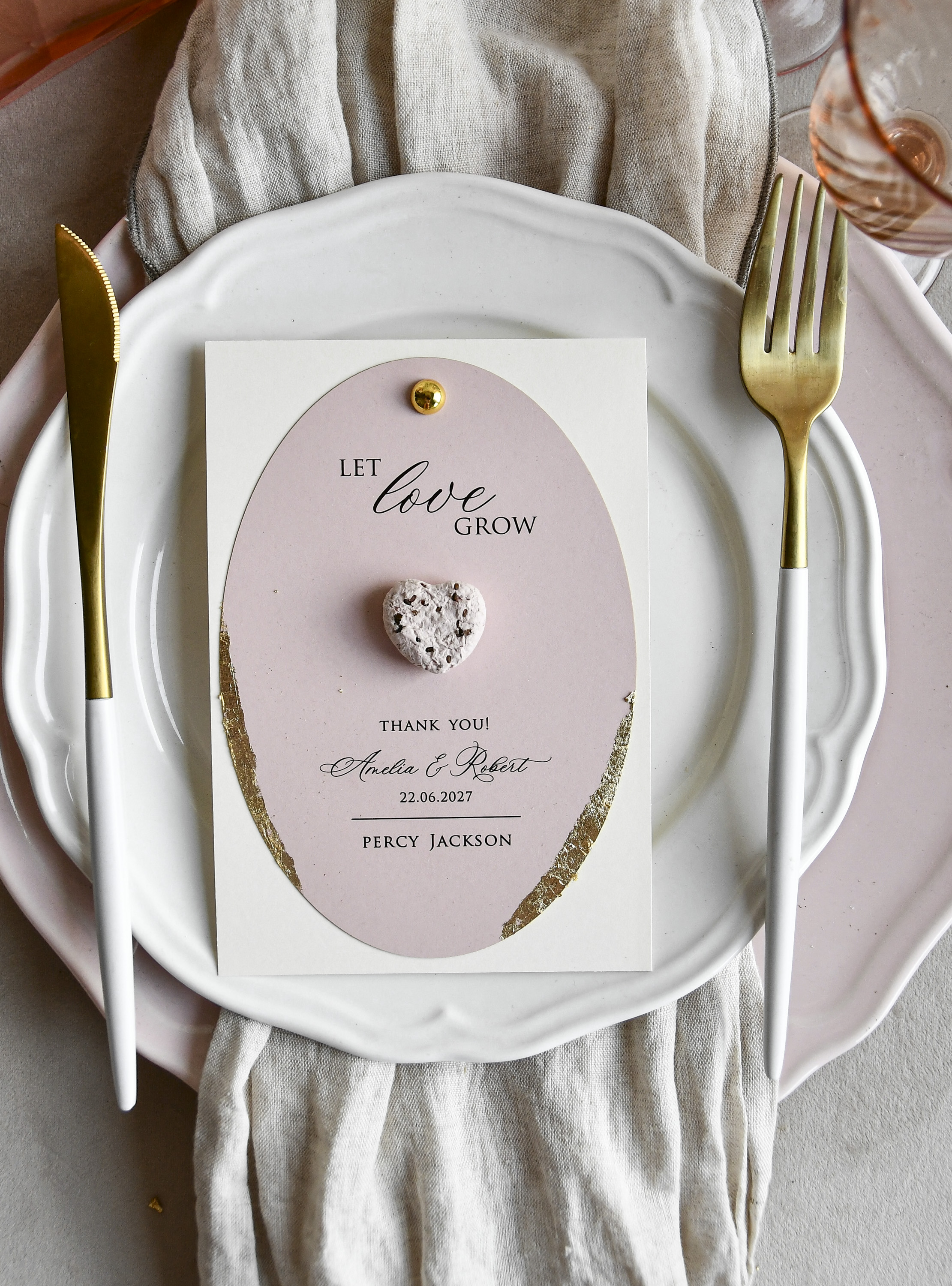
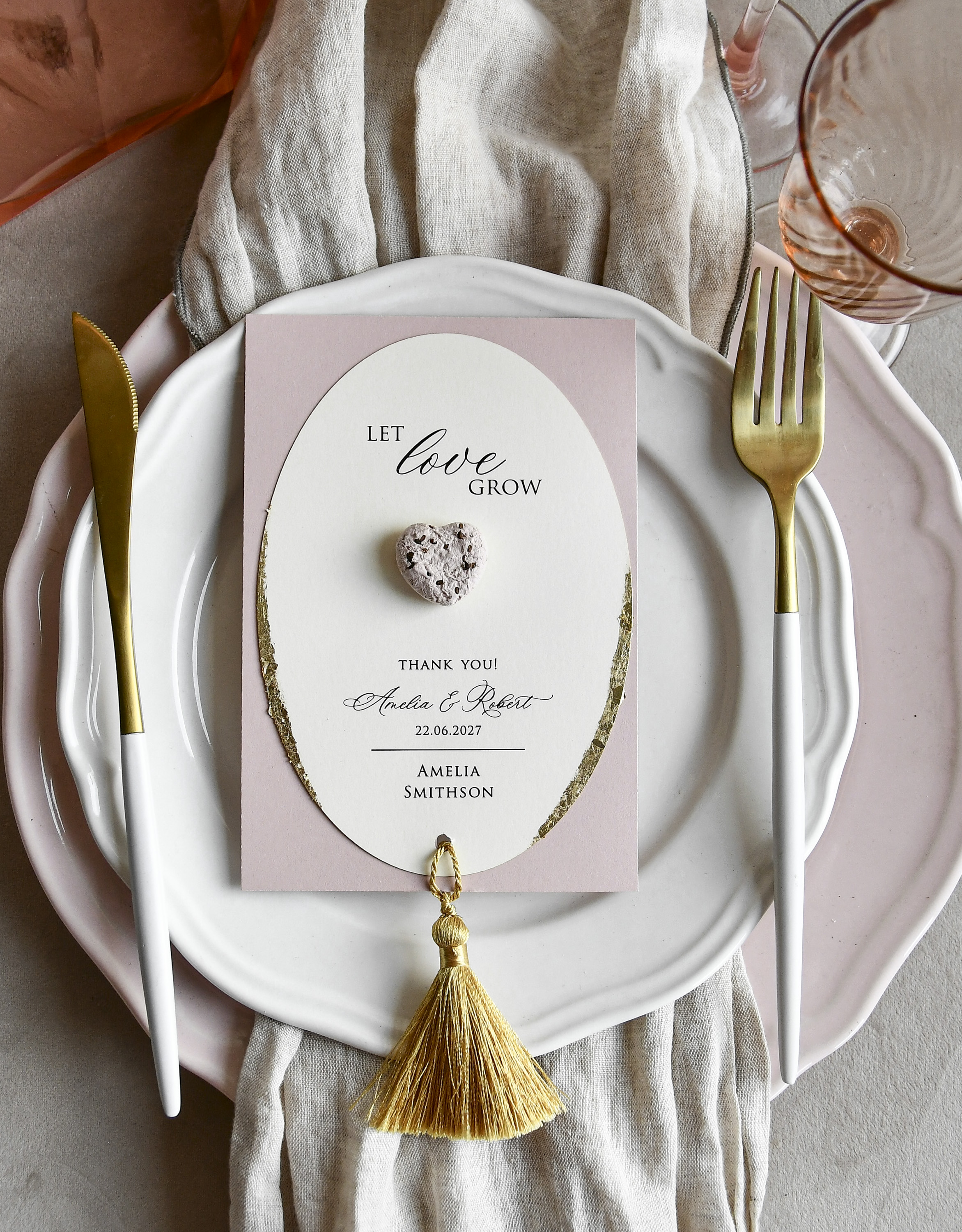
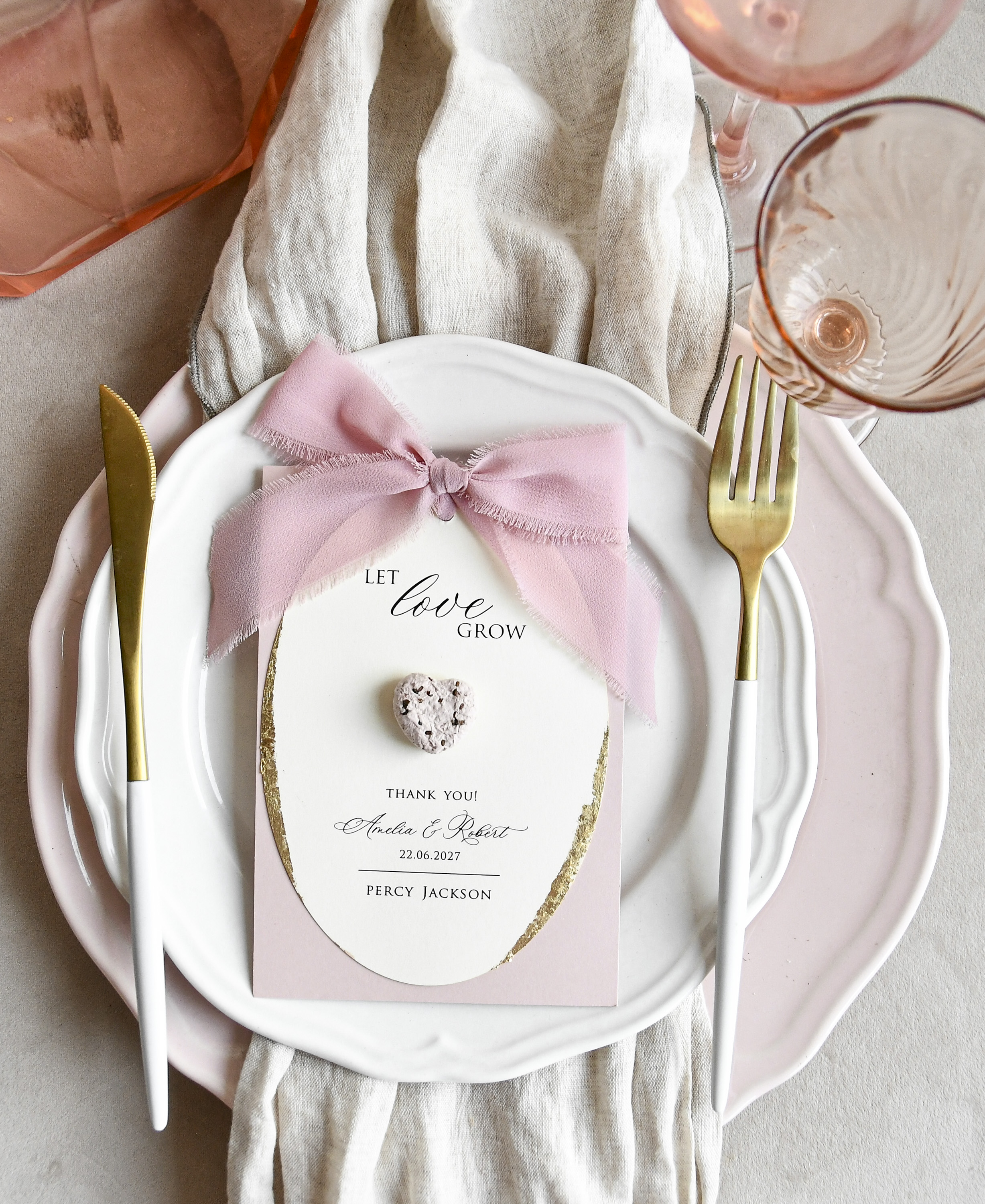
A well-designed wedding program is a great way to set the tone for your event once the guest count is finalized. The 05/3in1/m from our romantic menu and programs collection combines elegance with practicality, giving guests all the details they need in one beautiful piece — ideal once you know exactly who's walking through the door.
A Practical Tiered Approach for Tough Calls
For names you're genuinely unsure about, try organizing your list into three tiers before making final cuts:
- Must-invite: Immediate family, closest friends, anyone whose absence would genuinely hurt you or cause lasting damage to a relationship.
- Would love to have: Close-but-not-essential friends, extended family you're fond of, meaningful colleagues.
- Nice-to-have: Acquaintances, distant relatives, obligation invites. Start all cuts here.
Fill your venue to capacity starting from Tier 1 and work down only if space and budget allow. This method removes the emotional weight from individual decisions — you're not rejecting a person, you're just working through a prioritized list.
Once your final headcount is set, it's also the right moment to finalize your dinner menu cards and ceremony programs. A piece like the 05/3in1/m keeps your reception feeling polished and intentional — a reflection of the thoughtful planning you put into every guest on that final list.
Frequently Asked Questions
Generally, yes — inviting someone to a pre-wedding event implies they're also invited to the wedding itself. The exception is a very large workplace or community shower where the expectation is more of a casual celebration than a formal pre-wedding event.
There's no hard rule requiring a reciprocal invitation, especially if several years have passed or the friendship has faded. If you're genuinely still close, yes — but a past invitation doesn't create a permanent obligation.
Set a firm number for each side of the family upfront, and let parents fill their allocation however they choose. This gives them agency while protecting your overall budget and headcount.
In most cases, you don't need to say anything proactively — simply not receiving an invitation is the message. If someone asks directly, a kind and honest response like 'We kept it very small due to venue size' is perfectly appropriate.
Yes, a B-list is a smart strategy. Send your A-list invitations early (8-10 weeks out) so that if guests decline, you have enough time to send a second wave of invitations without it feeling obvious.
Aim to have a working draft of your guest list within the first month of engagement. A finalized list should be locked in at least 3-4 months before the wedding so you can order stationery and finalize venue and catering numbers on time.
See This Design Up Close
You May Also Like
More Wedding Planning Guides
- → Distant Relatives on Your Wedding Guest List: How to Decide Who Makes the Cut
- → Guest Count vs. Wedding Quality: How to Find Your Perfect Balance
- → Are Digital Wedding Invitations a Real Option for Your Big Day?
- → How to Address Wedding Invitations the Right Way
- → Uninvited Plus-Ones and Tag-Alongs: How to Keep Your Guest List Intact
- → When Family Feuds Threaten Your Wedding Plans: A Practical Peacekeeper's Guide
- → Inviting an Estranged Brother or Sister: Finding Clarity Before You Seal the Envelope
- → Cousins, Invites, and Hard Choices: A Practical Guest List Guide