
Ceremony Without the Dinner: How to Handle Partial Wedding Guest Lists
You have a venue with a 50-person reception cap, but a family that numbers well beyond that. Or maybe your ceremony is held in a church that seats hundreds, while your dinner is an intimate affair. Whatever the reason, inviting some guests to the ceremony only is a completely legitimate wedding planning strategy — and when handled thoughtfully, it can feel genuinely inclusive rather than awkward. Here's exactly how to pull it off with grace.
Is It Actually Acceptable to Do This?
Yes — with some important caveats. Ceremony-only invitations are most socially comfortable in specific situations:
- Religious or community ceremonies held in a church, mosque, synagogue, or temple where open attendance is culturally expected
- Very large families or tight-knit communities where excluding someone from the ceremony entirely would feel like a snub
- Venue capacity differences — for example, a cathedral ceremony followed by a private estate dinner
- Courthouse or micro-wedding receptions where the celebration afterward is truly just the inner circle
Where it gets tricky: inviting a close friend or coworker to the ceremony but not the reception can sting if they were expecting a seat at dinner. Use this approach primarily for acquaintances, distant relatives, neighbors, or anyone who would genuinely understand the distinction. The closer the relationship, the more likely they deserve a full invitation — or a kind personal conversation explaining the situation.
How to Word the Invitations Clearly
The most important thing is clarity. Guests should never arrive at your ceremony assuming they're also staying for dinner. Use separate invitation pieces to make the distinction obvious:
- Full guests receive your standard invitation suite with a reception card that includes the venue, time, and RSVP details for dinner.
- Ceremony-only guests receive an invitation that mentions the ceremony details only — no reception card, no dinner venue. A simple line like "We joyfully invite you to witness our marriage ceremony" signals the scope without spelling out what they're missing.
Avoid vague wording that could be interpreted as a general welcome to all events. If you're worried about confusion, a short handwritten note tucked inside — "We're so glad you can share this moment with us; our reception is a small private dinner, but we can't wait to celebrate with you at the ceremony" — adds warmth and eliminates guesswork.
Whatever stationery suite you choose, keeping ceremony-only invitations visually consistent with your full invitations shows every guest equal respect and thoughtfulness.
Logistics to Sort Out Before You Send Anything
A few practical details to lock in before invitations go out:
- Ceremony seating: Will ceremony-only guests be seated in a specific section? Brief your ushers so no one accidentally gets guided toward reserved family rows.
- Timing buffer: If your cocktail hour follows immediately in an adjacent space, think about how ceremony-only guests exit without walking through your reception setup. A clear dismissal plan or a separate exit helps.
- Post-ceremony moment: Consider a brief receiving line or a designated spot for photos after the ceremony. This gives ceremony-only guests a proper chance to congratulate you before they leave — and it means a lot to them.
- Communication to vendors: Your caterer, venue coordinator, and photographer should know your guest count breakdown so there are no surprises on the day.
Making Ceremony-Only Guests Feel Genuinely Honored
The real secret to pulling this off well is making ceremony-only guests feel like they were specifically invited to something meaningful — not excluded from something better. A few ways to do that:
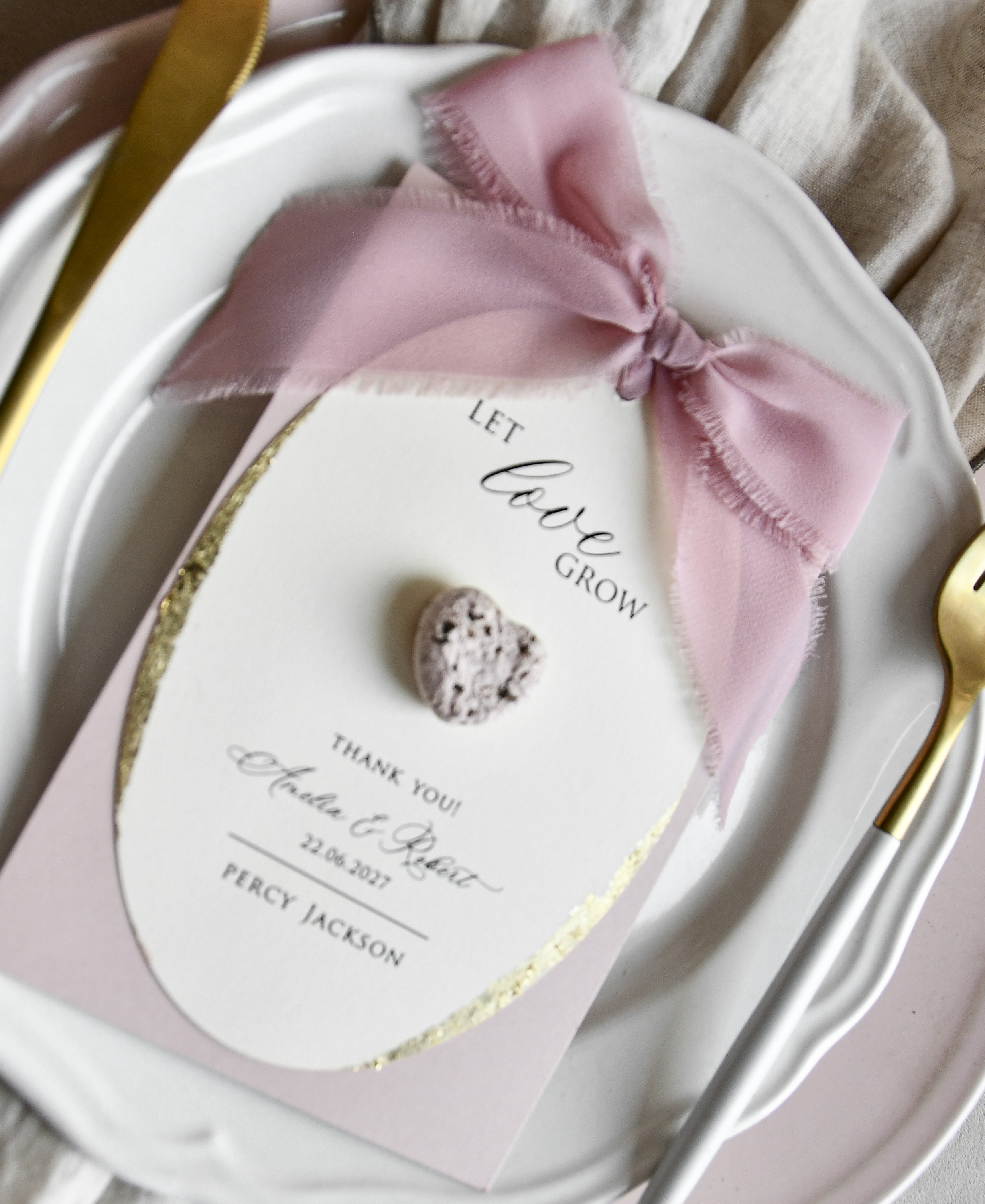
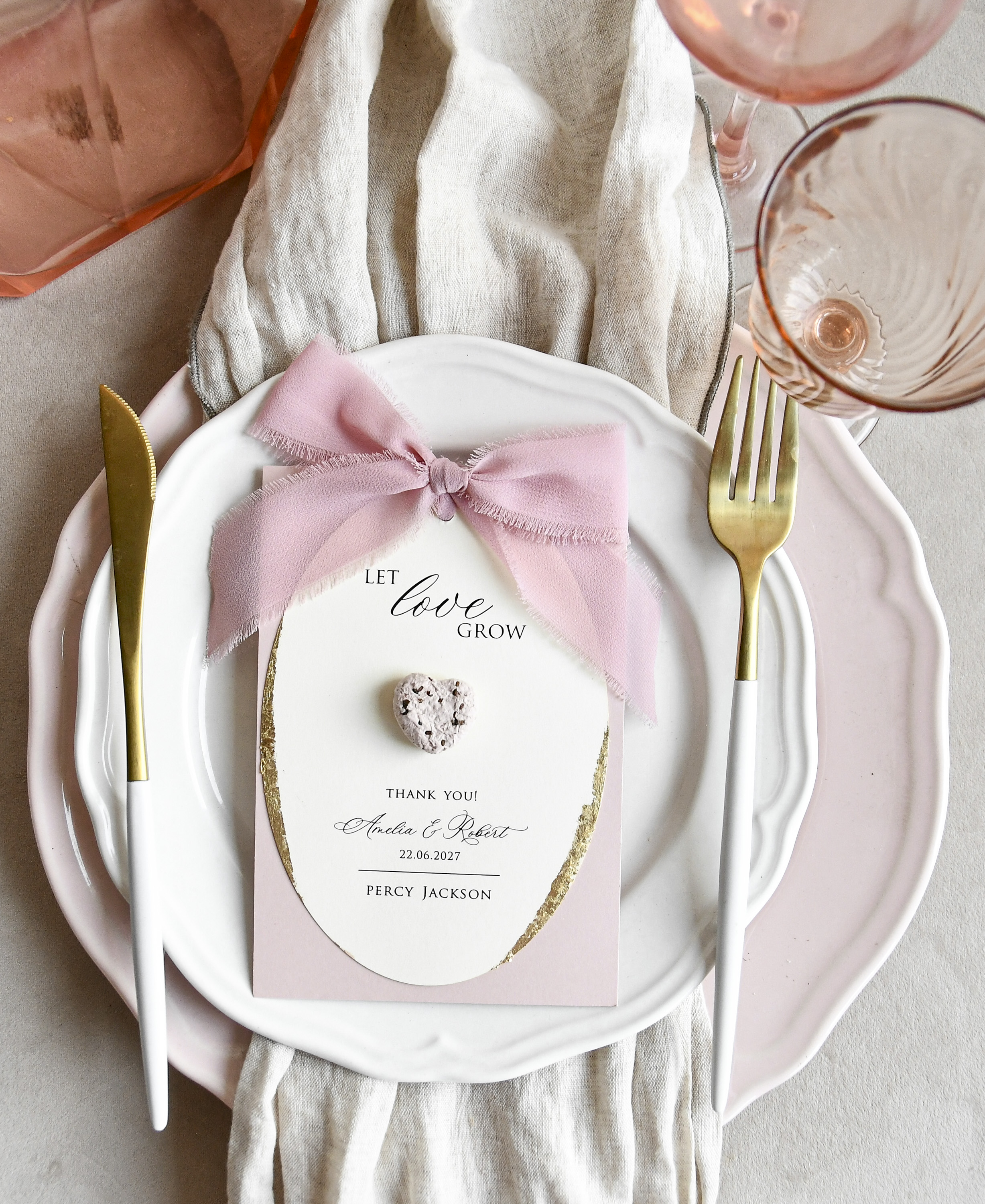
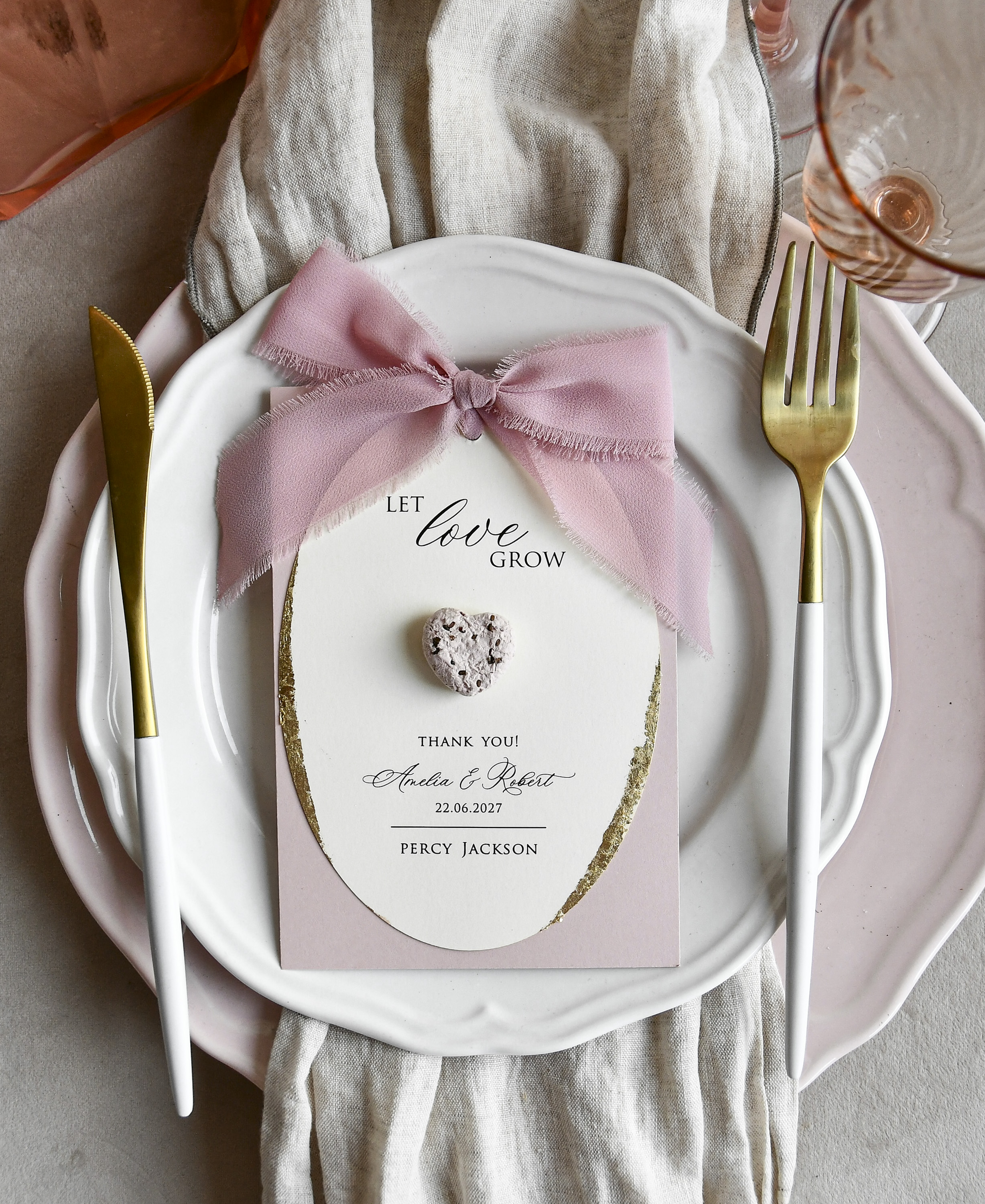
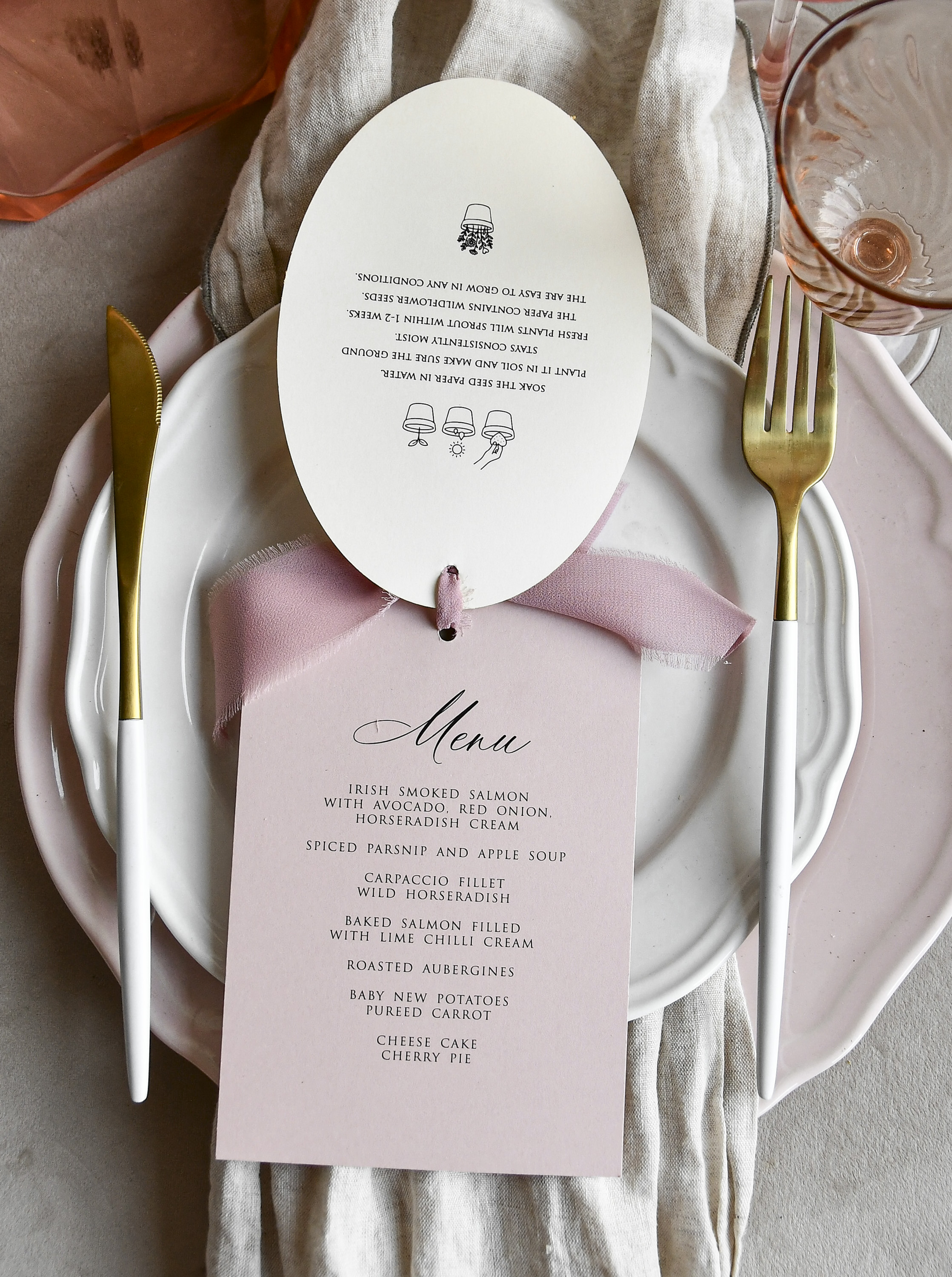
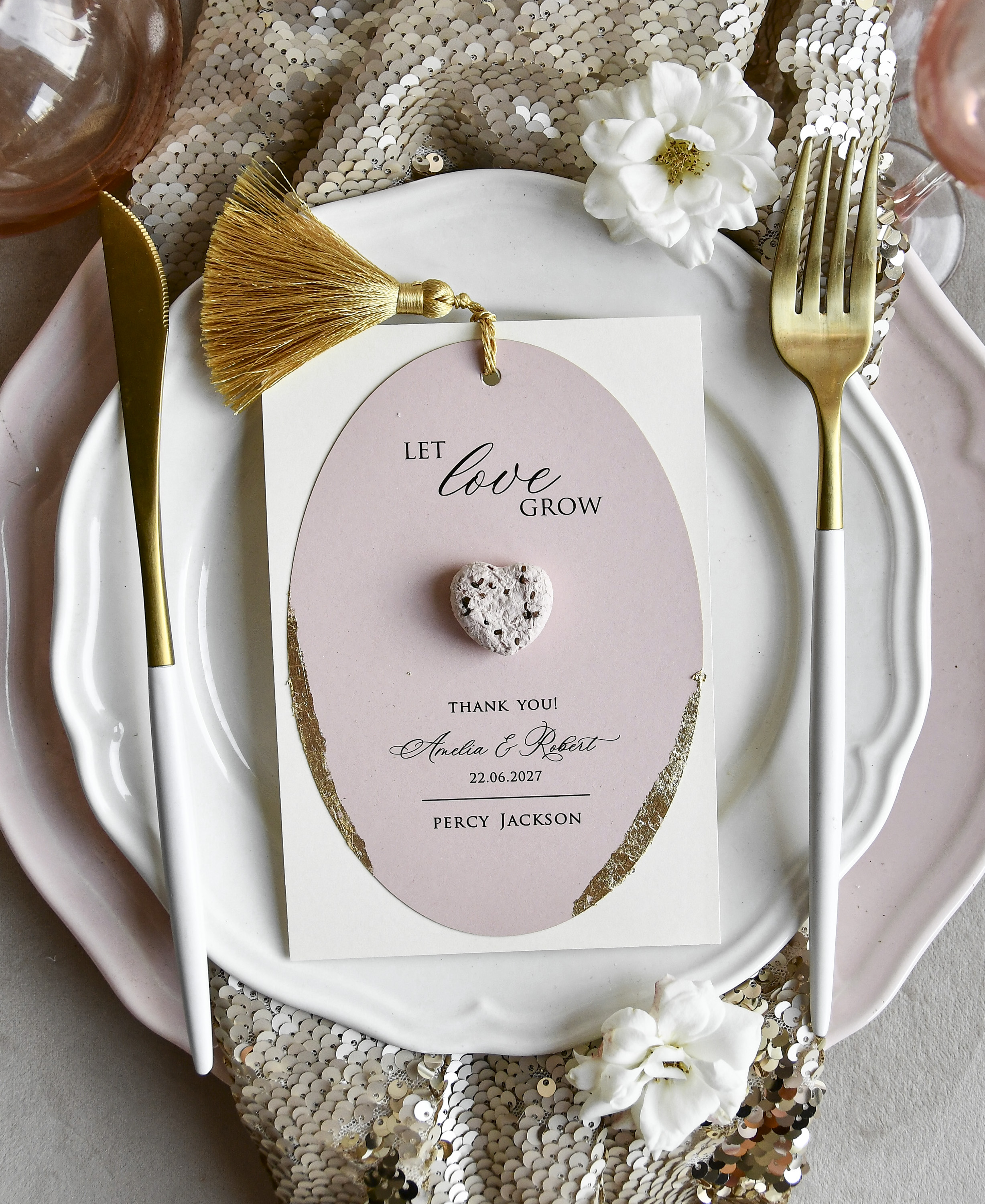
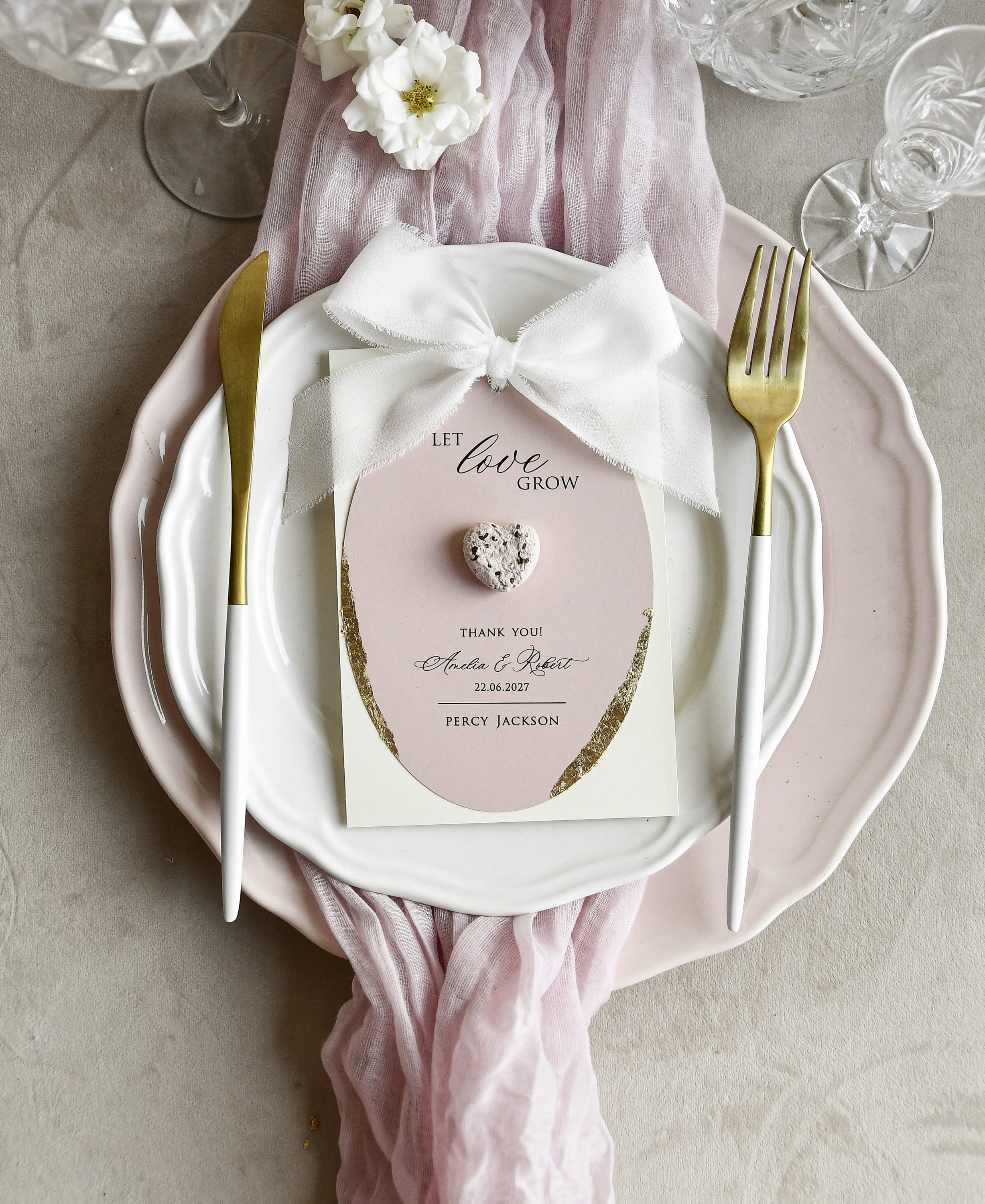
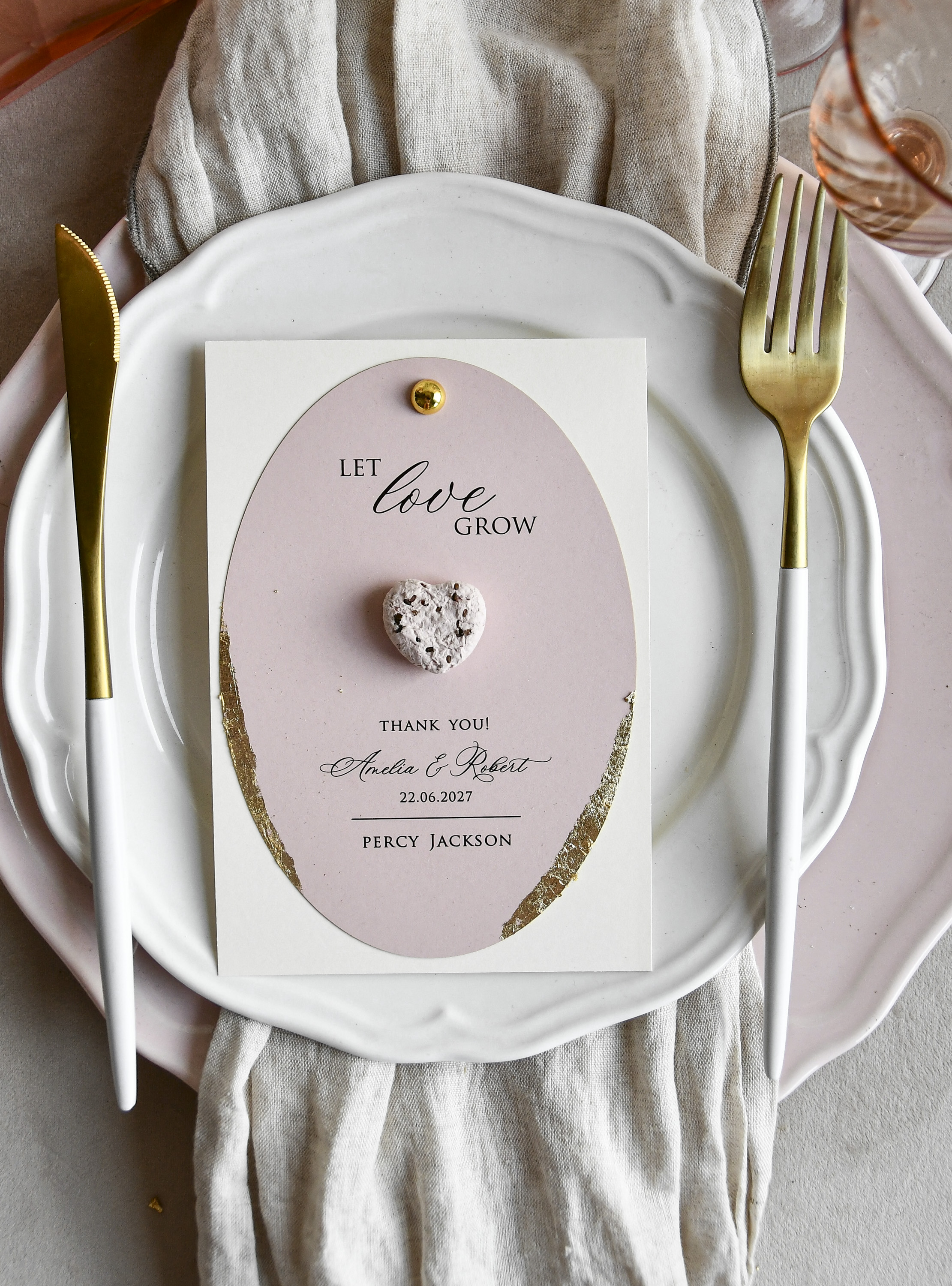
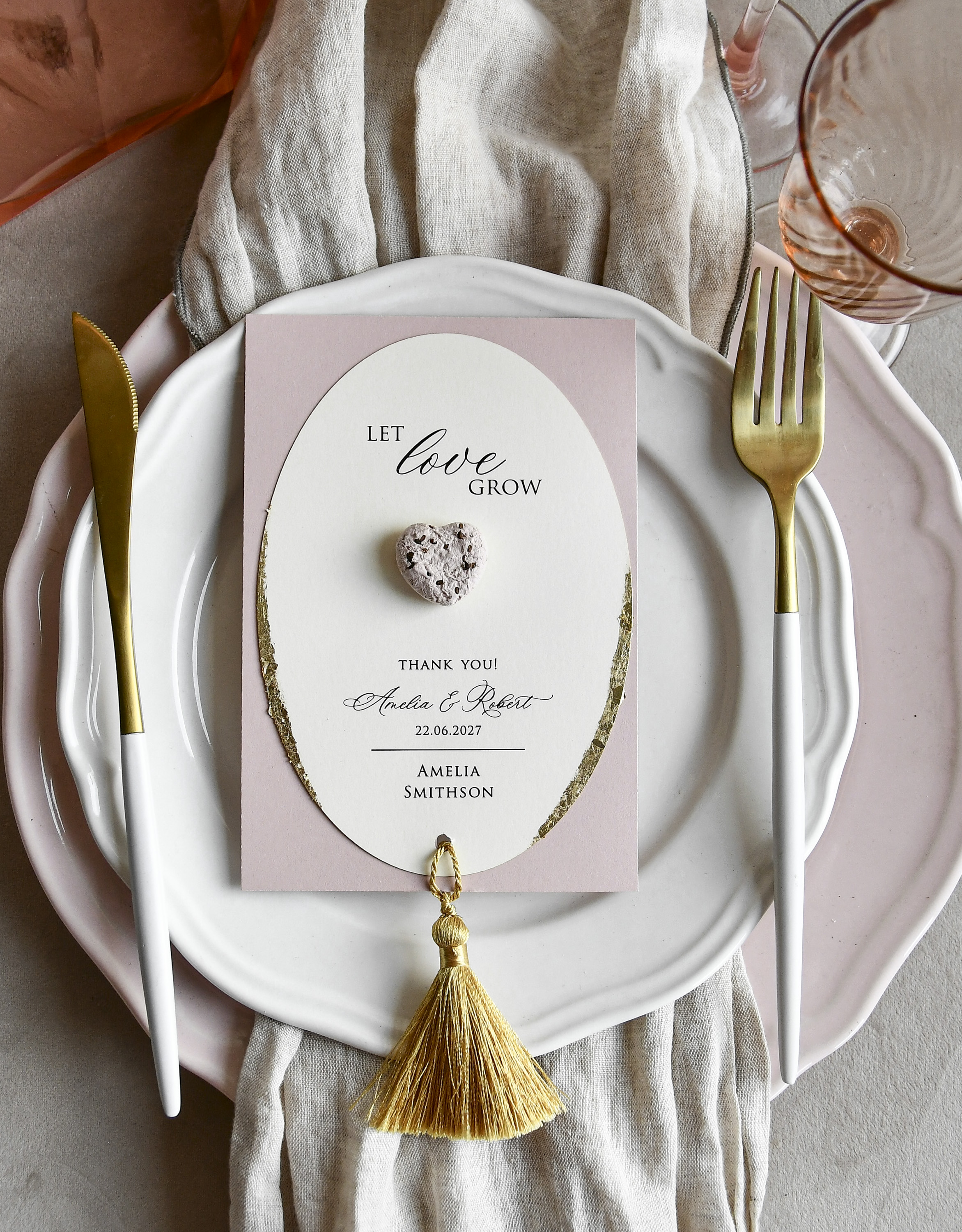
- Send a beautiful, well-designed ceremony program. A polished program like the 01/3in1/m from Margo&Bees — a romantic, all-in-one design — gives every ceremony guest something lovely to hold onto and signals that their presence genuinely mattered.
- Acknowledge them from the altar if it feels natural, or have your officiant welcome everyone warmly.
- Follow up with a thank-you note after the wedding that references their presence specifically: "Having you there as we said our vows meant so much to us."
- If budget allows, host a casual post-honeymoon celebration — a backyard barbecue or open house — so extended family and friends feel celebrated too.
People remember how you made them feel, not the details of the catering arrangement. Thoughtful gestures go a long way.
Frequently Asked Questions
You don't owe anyone a formal explanation, but a brief, warm acknowledgment helps. A handwritten note or a casual mention that the reception is an intimate dinner for immediate family is usually enough to prevent hurt feelings.
They can be identical in design — in fact, visual consistency shows equal respect. The difference is simply in what's included: ceremony-only guests don't receive a reception enclosure card or dinner RSVP details.
Reach out promptly and gently clarify. Something like, "We're so excited to have you at the ceremony — just a heads-up that our dinner afterward is a very small family gathering" is kind and direct without being awkward.
Generally no, especially if you're inviting the whole office or a whole department. It becomes more sensitive if you're selectively inviting some coworkers to the full reception and others only to the ceremony, which can create workplace tension.
Send invitations to ceremony-only guests on the same timeline as everyone else — six to eight weeks before the wedding for local events, eight to twelve weeks for destination weddings. Giving them the same lead time signals equal respect.
This works for some communities, particularly for religious ceremonies with a tradition of open attendance. However, a physical invitation still feels more intentional and personal, and it prevents confusion about whether someone is truly welcome.
See This Design Up Close

You May Also Like
More Wedding Planning Guides
- → Boss, Colleagues, and Your Wedding: A Practical Guide to Inviting Work Connections
- → How Far in Advance Should Wedding Invitations Go Out?
- → Saying No Gracefully: A Practical Guide to Shrinking Your Wedding Guest List
- → When Your Aunt Remarries Before Your Wedding: Navigating the Plus-One Question
- → Uninvited Plus-Ones and Tag-Alongs: How to Keep Your Guest List Intact
- → When Family Feuds Threaten Your Wedding Plans: A Practical Peacekeeper's Guide
- → Inviting an Estranged Brother or Sister: Finding Clarity Before You Seal the Envelope
- → Cousins, Invites, and Hard Choices: A Practical Guest List Guide