
How Far in Advance Should Wedding Invitations Go Out?
One of the most common questions newly engaged couples ask is deceptively simple: when exactly should the invitations go out? Send them too early and guests lose them; send them too late and you're scrambling for headcounts. The good news is that wedding invitation timing follows a clear, well-established rhythm — and once you understand it, the whole process feels a lot less stressful.
The Standard Rule: Six to Eight Weeks Before the Wedding
For most US weddings, mailing invitations six to eight weeks before the wedding date is the sweet spot. This gives guests enough time to clear their calendars, book travel if needed, and return their RSVPs without the whole thing feeling urgent or chaotic.
Here's a practical example: if your wedding is on September 20th, aim to have invitations in the mail by early August at the latest — ideally the last week of July. That window gives you breathing room to chase down late RSVPs and finalize your headcount with the caterer.
Set your RSVP deadline three to four weeks before the wedding. Any later and your venue, caterer, and seating chart will be waiting on you.
Destination Weddings and Holiday Weekends Need More Lead Time
If your wedding requires guests to book flights, hotels, or take significant time off work, push that timeline out considerably. For destination weddings, send invitations three to four months in advance. Guests need time to compare flights, request vacation days, and arrange childcare.
The same logic applies to holiday weekends — Labor Day, Memorial Day, Thanksgiving — when travel books up fast. Even if your wedding is local, a holiday-weekend date means guests are competing for hotels and flights with everyone else in the country. Give them the extra runway.
In both cases, a save-the-date becomes even more important (more on that below), but the formal invitation should still arrive with enough time for a comfortable decision.
Don't Skip the Save-the-Date
Save-the-dates and invitations work as a team. Save-the-dates go out six to twelve months before the wedding — closer to twelve if you're planning a destination event or a date during a busy travel season. They hold the date in guests' minds while you finalize the details that go on the actual invitation.
A few ground rules:
- Only send save-the-dates to people who are definitely on the guest list. It's awkward — and rude — to send one and then not follow up with an invitation.
- Save-the-dates don't need to include registry or venue details, but they should have your wedding website URL if you have one.
- Formal invitations follow four to six months later, once you've locked in your venue, ceremony time, and any travel logistics.
Build Your Mailing Timeline Backward from the Wedding Date
The easiest way to stay on track is to work backward. Here's a simple framework:
- Wedding date confirmed: Send save-the-dates within the next few weeks.
- 10–12 weeks before the wedding: Finalize your guest list and addresses, and place your invitation order. Factor in printing and shipping time — most stationery takes one to three weeks to produce.
- 6–8 weeks before the wedding: Invitations arrive in guests' mailboxes.
- 3–4 weeks before the wedding: RSVP deadline passes; you follow up with non-responders.
- 2 weeks before the wedding: Final headcount goes to your caterer and venue.
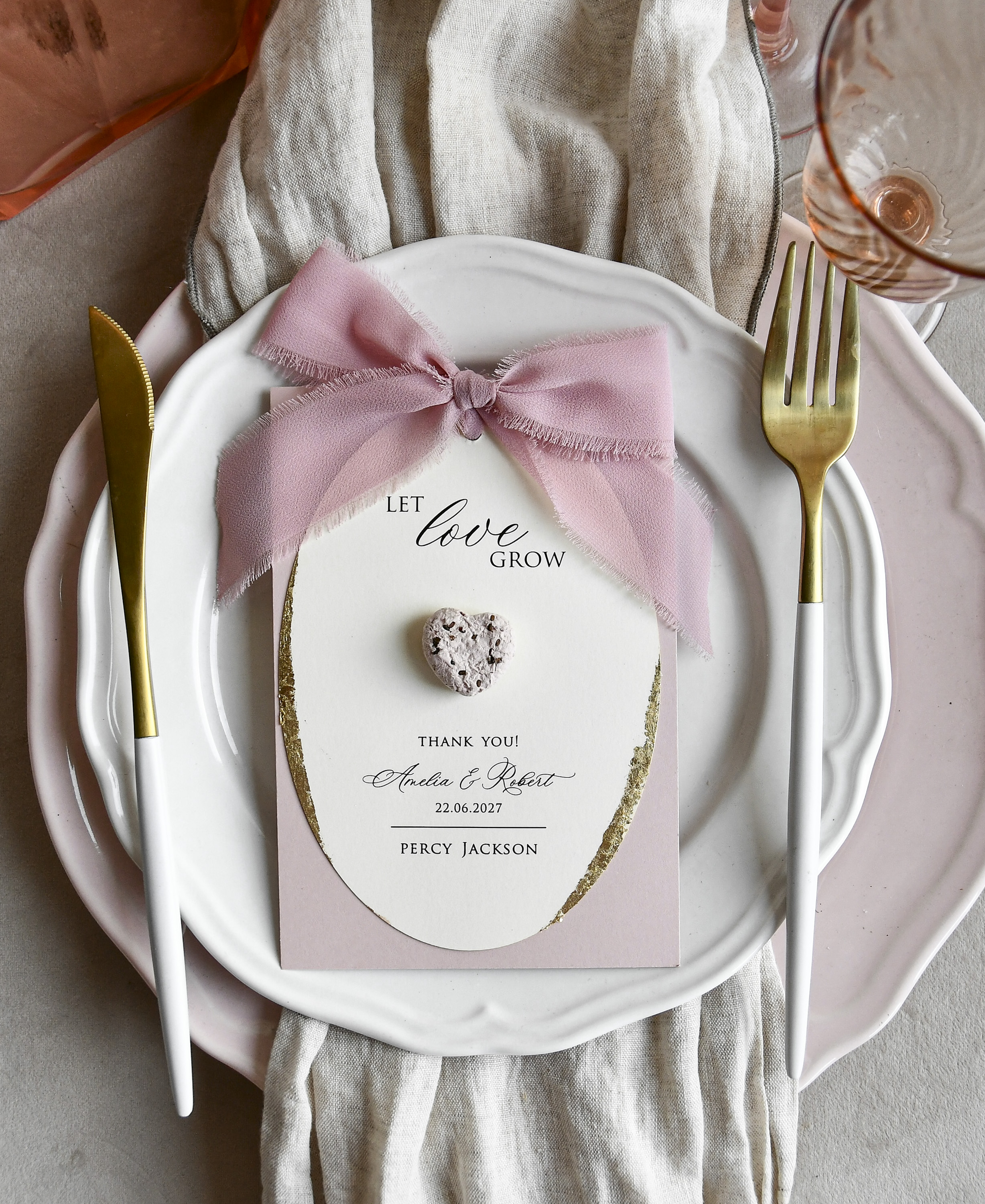
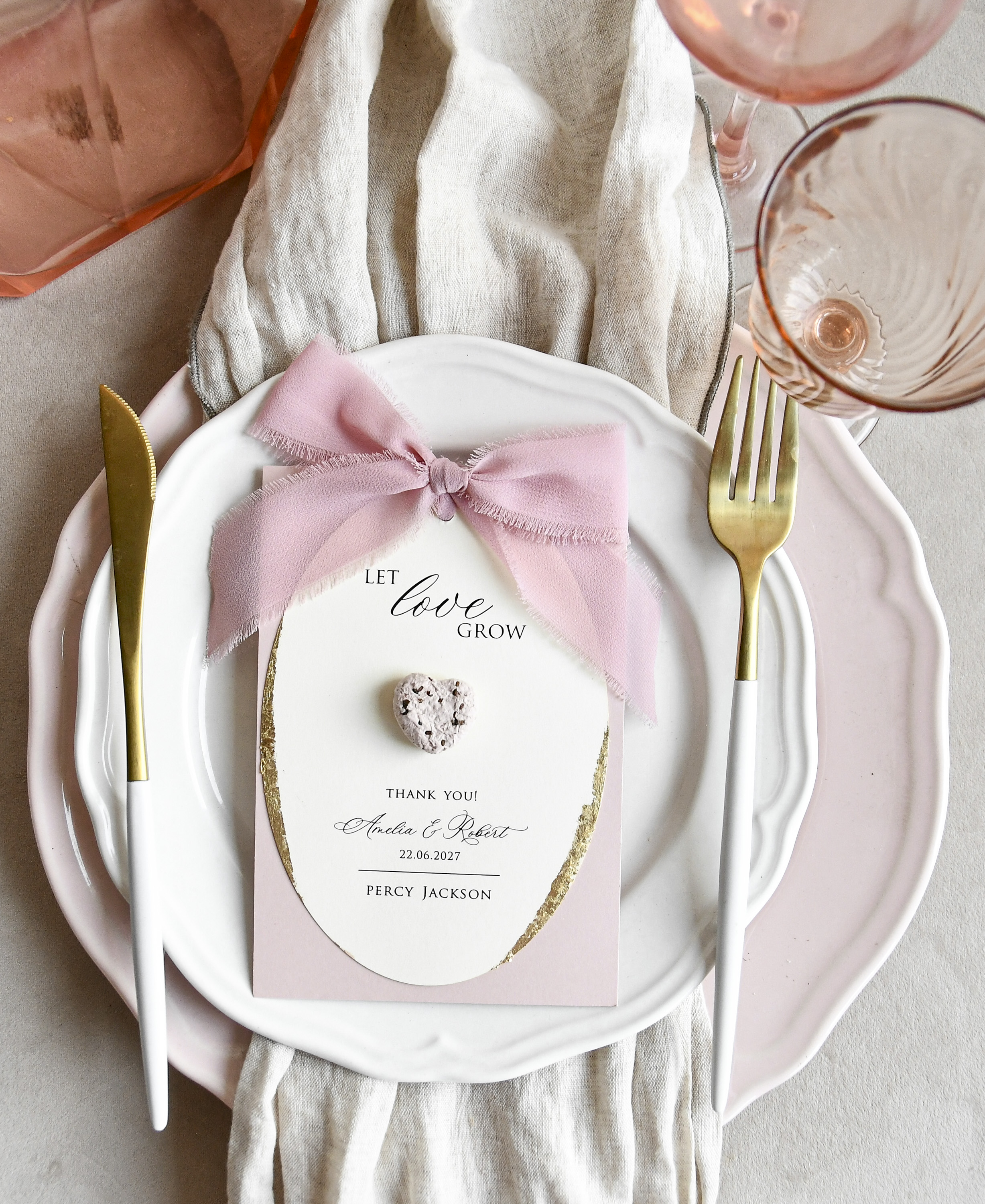
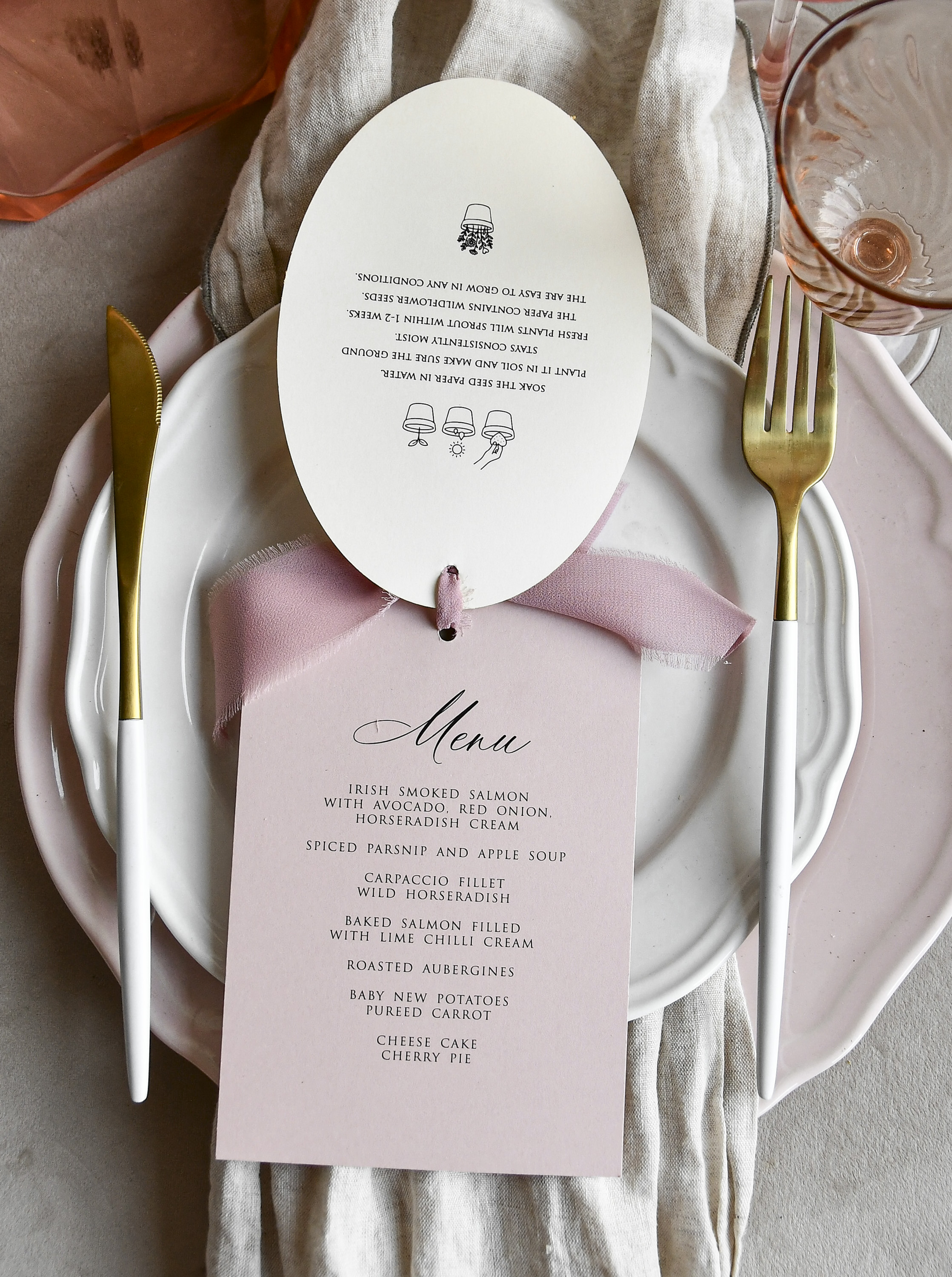
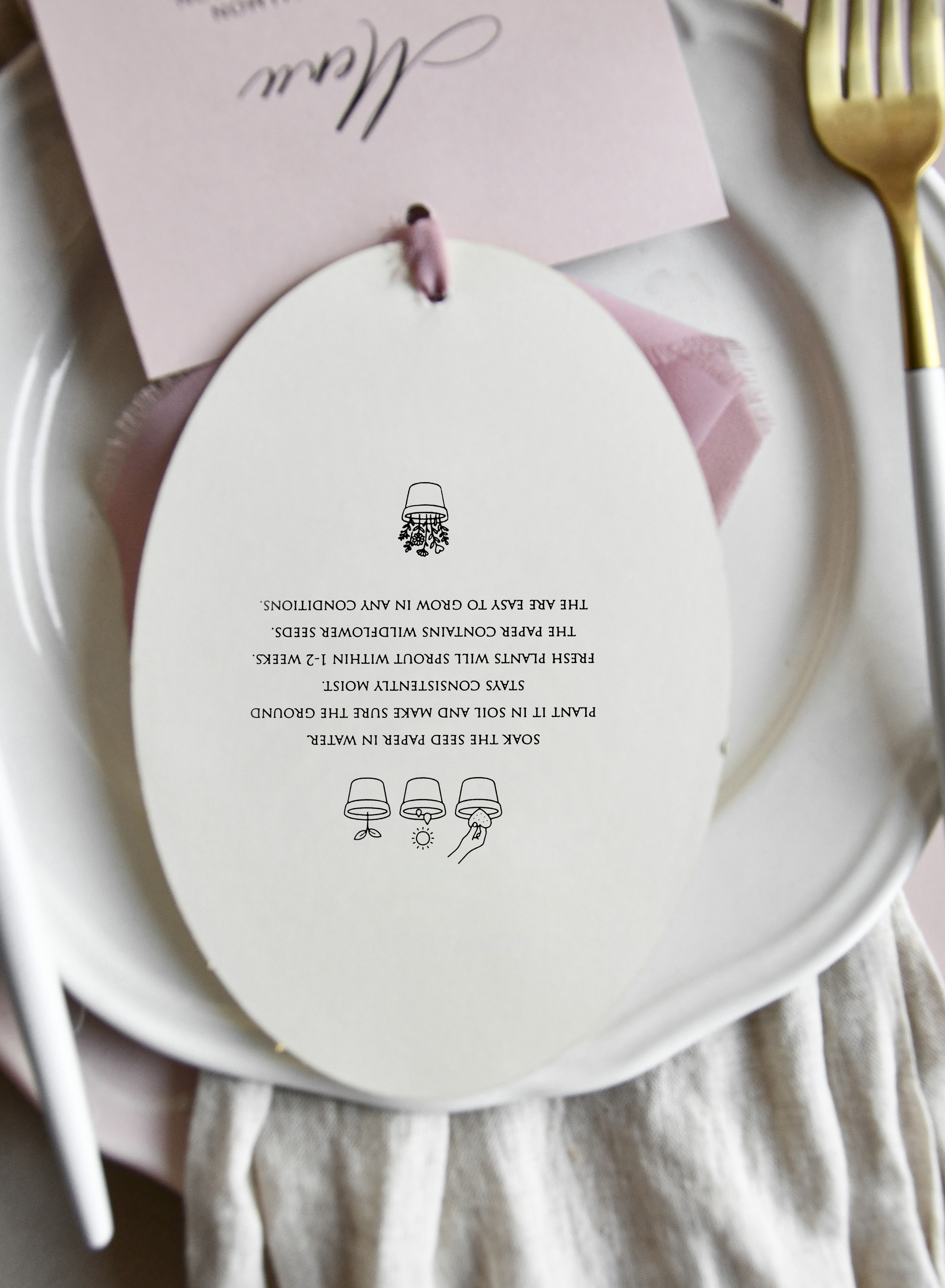
If you're also ordering day-of stationery — like the 01/3in1/m, a romantic menu and program card that elegantly combines multiple pieces into one — order those at the same time as your invitations so everything arrives together and you're not chasing a second deadline.
A Few Etiquette Details Worth Knowing
Timing isn't the only thing that matters — how you handle the mailing matters too. Keep these etiquette notes in mind:
- Hand-cancel your envelopes at the post office if they're thick, square, or have wax seals. This prevents damage from automated sorting machines.
- Weigh your invitation suite before buying postage. Multi-piece suites often require extra postage, and nothing is worse than invitations coming back marked "insufficient postage."
- Mail a test envelope to yourself first to confirm delivery time and check that nothing shifts or tears in transit.
- If you're inviting guests from outside the US, add an extra two to three weeks to your timeline for international mail.
A little planning upfront means your invitations land beautifully — and your guests have everything they need to celebrate with you.
Frequently Asked Questions
Six weeks is the minimum acceptable window for most local weddings. If your guest list includes people who need to travel or arrange childcare, aim for eight weeks to give everyone a comfortable amount of time to respond.
Set your RSVP deadline three to four weeks before the wedding. This gives you time to follow up with guests who haven't responded and still meet your caterer's final headcount deadline.
Yes — sending invitations more than three months out (without a prior save-the-date) can cause guests to misplace them or forget. The six-to-eight-week window exists for a reason: it's close enough that the wedding feels real, but far enough to plan.
If you're cutting it close, prioritize out-of-town guests and send their invitations first. For local guests, four to five weeks is a tight but workable timeline — just move your RSVP deadline up accordingly.
No — save-the-dates and invitations serve different purposes. Save-the-dates hold the date; formal invitations include all the ceremony and reception details guests need to actually attend. Both are necessary.
Ideally, yes. Mailing in one batch ensures everyone gets the same amount of notice and prevents awkward situations where some guests find out through others. The only exception is if you're doing a B-list — wait until A-list declines come in before sending those.
See This Design Up Close

You May Also Like
More Wedding Planning Guides
- → Boss, Colleagues, and Your Wedding: A Practical Guide to Inviting Work Connections
- → Ceremony Without the Dinner: How to Handle Partial Wedding Guest Lists
- → Saying No Gracefully: A Practical Guide to Shrinking Your Wedding Guest List
- → When Your Aunt Remarries Before Your Wedding: Navigating the Plus-One Question
- → Uninvited Plus-Ones and Tag-Alongs: How to Keep Your Guest List Intact
- → When Family Feuds Threaten Your Wedding Plans: A Practical Peacekeeper's Guide
- → Inviting an Estranged Brother or Sister: Finding Clarity Before You Seal the Envelope
- → Cousins, Invites, and Hard Choices: A Practical Guest List Guide