
How Long to Wait Before Chasing a Missing RSVP
You sent your invitations, the RSVP deadline has come and gone — and a handful of guests still haven't responded. Sound familiar? It's one of the most common (and quietly stressful) parts of wedding planning. The good news: there's a clear, polite way to handle it. Here's exactly how long to wait, when to follow up, and how to do it without awkwardness.
Set Your RSVP Deadline With the Follow-Up in Mind
Before we talk about follow-ups, let's back up to the deadline itself. Your RSVP due date should be set three to four weeks before your wedding. This gives your caterer, venue, and seating chart enough runway — and it gives you time to chase stragglers without panic.
When you're setting that date, mentally plan for a buffer. Assume you will need to follow up on roughly 10–20% of your guest list. That's completely normal. Build the follow-up window into your timeline so it doesn't feel like a crisis when it happens.
The Golden Rule: Wait No More Than One Week After the Deadline
Once your RSVP deadline passes, give it five to seven days before you reach out. Any sooner feels pushy; any later eats into the time you need to finalize numbers. Mark the follow-up date on your calendar the same day you mail your invitations so it doesn't sneak up on you.
Here's a simple timeline to follow:
- Invitations mailed: 8–10 weeks before the wedding
- RSVP deadline: 3–4 weeks before the wedding
- First follow-up: 5–7 days after the deadline
- Final follow-up (if needed): 2–3 days after the first, then assume they are not attending
Two rounds of outreach is the maximum. After that, you've done your part.
How to Follow Up Without Feeling Awkward
The key is to frame the message as a friendly check-in, not a guilt trip. Lead with warmth and give people an easy way to respond quickly. A short text or direct phone call works better than another email for most guests.
Try something like: "Hey! We're finalizing our guest count this week and just wanted to make sure we have your RSVP — so excited to celebrate with you!" Keep it light, specific, and low-pressure.
A few practical tips:
- Divide the list between you and your partner so one person isn't making all the calls.
- For older relatives, a phone call is almost always faster and warmer than a text.
- If someone is genuinely on the fence, it's okay to say, "We'd love to have you, but we completely understand either way — we just need to know by Friday."
Finalize Your Seating Chart as Responses Come In
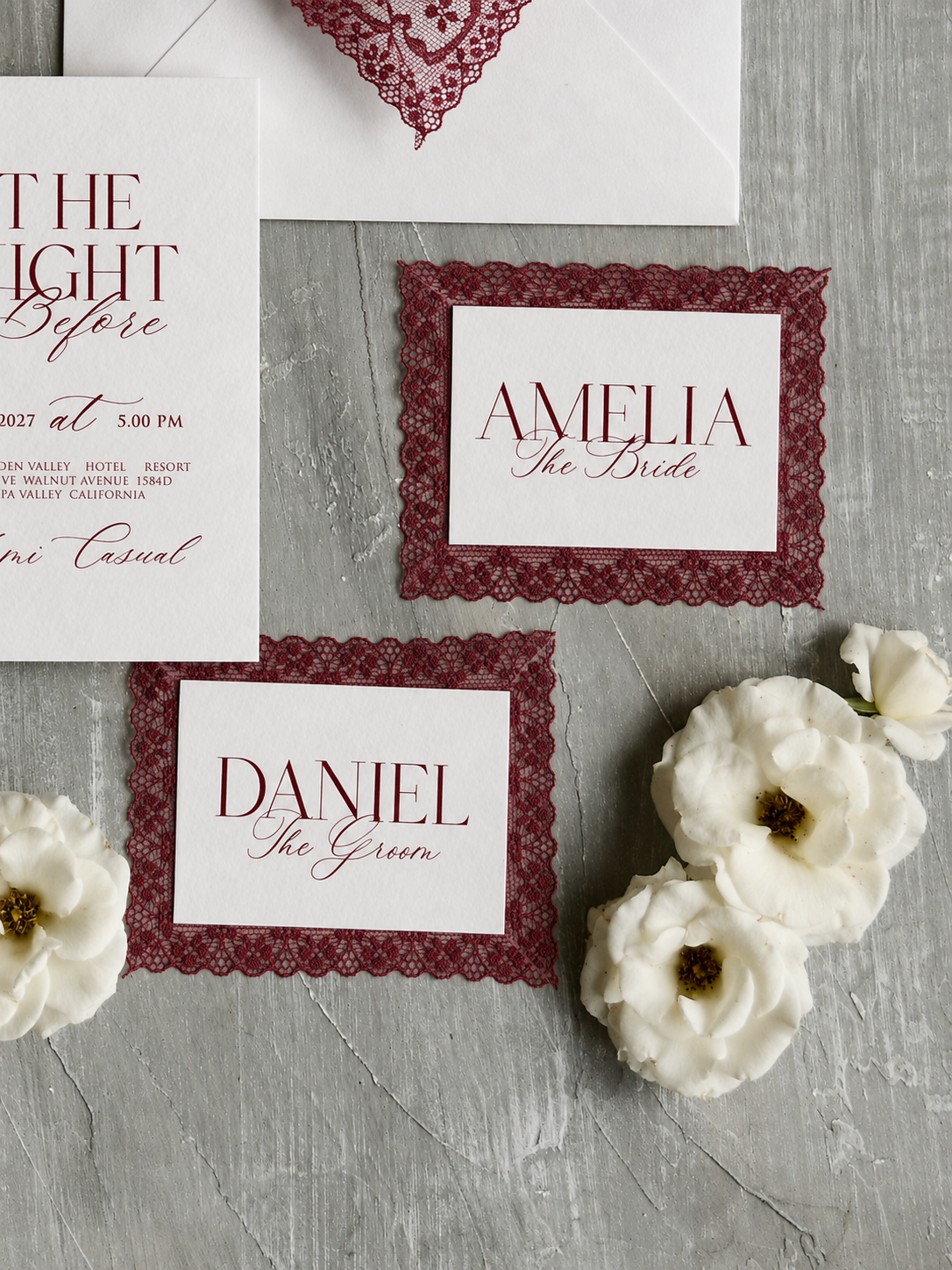
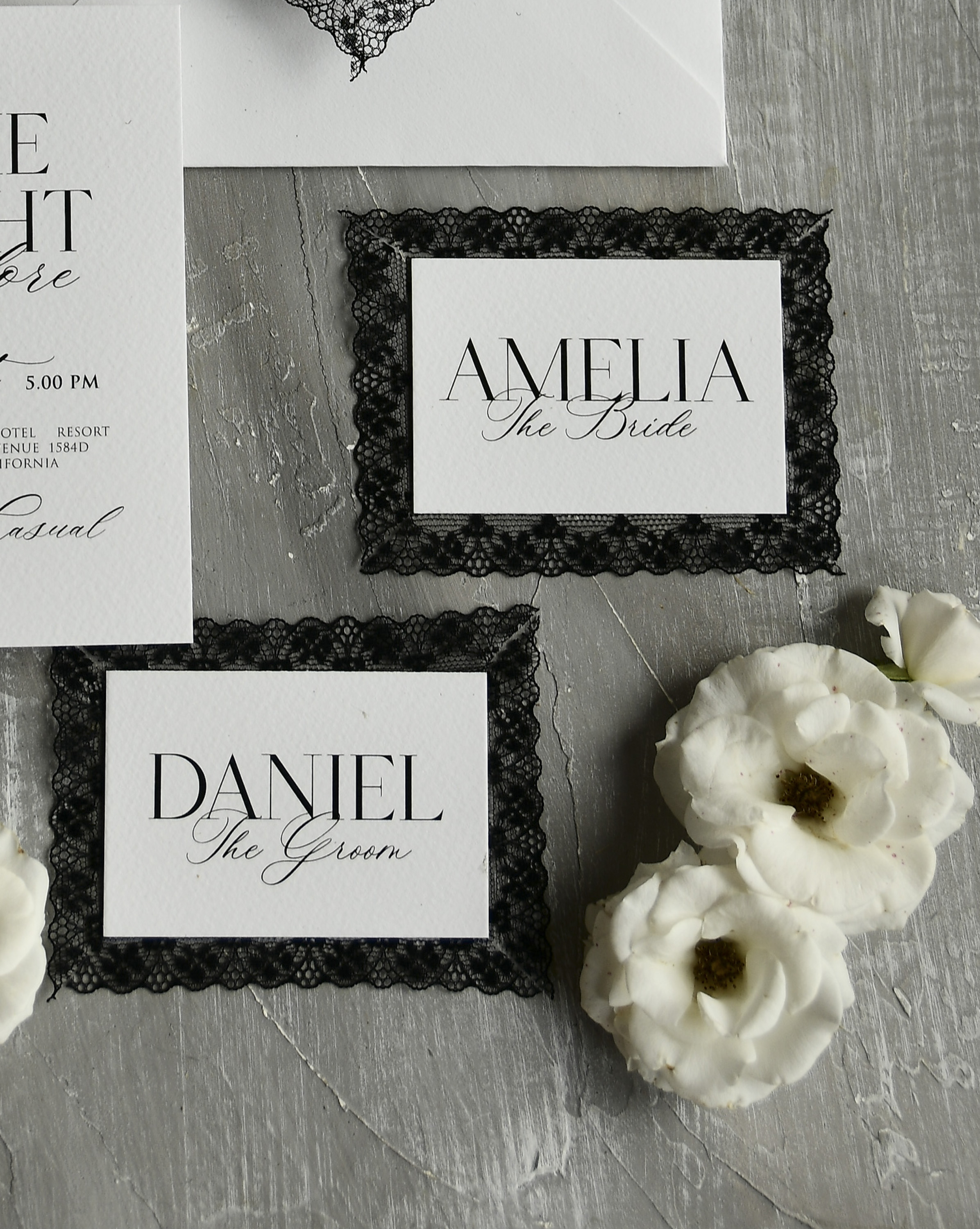
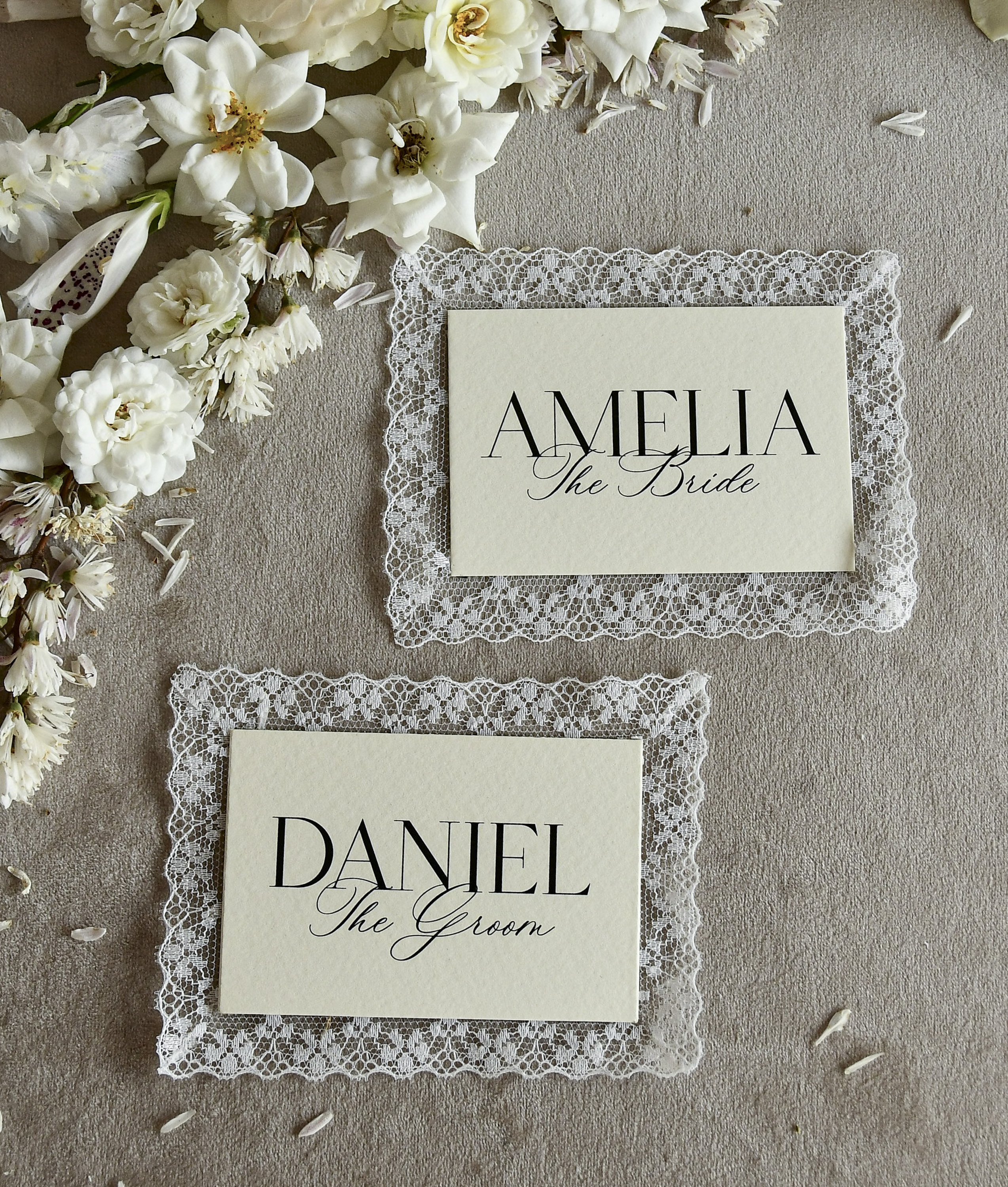
Once you've collected your final headcount, your seating chart becomes the next priority. This is where a detail like your place cards really earns its keep. Our 04/laceD/W place cards are a beautiful, practical way to confirm each guest's seat — and having them ready early means one less thing to rush in the final week.
As you finalize numbers, keep a running spreadsheet with columns for: name, number of guests, meal choice (if applicable), and contact method used for follow-up. This makes it easy to spot who's still missing and hand the list off to a family member if you need help.
One important note: do not assume a non-response is a no until after your second follow-up attempt. People get busy, lose the reply card, or simply forget. A gentle nudge almost always gets a response — and often a yes.
When to Stop Chasing and Set a Hard Cutoff
After two follow-up attempts with no response, it's reasonable to make a decision on their behalf. Most couples default to marking non-responders as not attending to avoid over-ordering food, but if the guest is close family or a member of the wedding party, a direct phone call from a parent or mutual friend can help.
Give yourself a firm cutoff — typically two weeks before the wedding — after which you will not accept new RSVPs. Communicate this clearly if anyone reaches out late: "We've already submitted our final count to the venue, but we'll do our best to accommodate you — please let us know by [date]." Your caterer will usually allow minor adjustments up to about a week out, but don't count on it.
The 04/laceD/W place cards can be ordered and personalized once your list is locked in, giving you elegant, finished seating assignments without a last-minute scramble.
Frequently Asked Questions
Let them know politely that you've already sent numbers to your venue and caterer, but you'll try your best to add them. Contact your venue immediately — most can accommodate a small addition, but there may be an extra charge. Always be honest about the deadline rather than silently squeezing people in.
Not at all — it's expected and completely acceptable. Following up is a normal part of wedding logistics, and most guests appreciate the reminder rather than feeling embarrassed. Keep your tone friendly and assume the best; most people simply forgot, not ignored you.
It depends on the guest. Texts work well for friends and younger family members because they're quick and low-pressure. Phone calls are better for older relatives who may not check email or texts reliably. Email is a good backup if you don't have a current phone number.
If a guest has verbally told you they can't attend, you can mark them as a no in your spreadsheet without chasing a formal card. However, it's worth a quick confirmation text so there's no confusion — verbal plans can sometimes change.
On average, 10–20% of guests miss the RSVP deadline, so plan for it rather than being surprised. The percentage tends to be higher for larger guest lists and destination weddings. Building a follow-up window into your timeline from the start keeps this from becoming a stressful last-minute scramble.
Yes — phrases like "kindly reply by [date] so we can finalize our celebrations" add gentle urgency without sounding demanding. Including a pre-addressed, stamped reply envelope also dramatically increases response rates for paper RSVPs. The easier you make it to respond, the faster guests will do it.
See This Design Up Close
You May Also Like

More Wedding Planning Guides
- → Uninvited Plus-Ones and Tag-Alongs: How to Keep Your Guest List Intact
- → When Family Feuds Threaten Your Wedding Plans: A Practical Peacekeeper's Guide
- → Inviting an Estranged Brother or Sister: Finding Clarity Before You Seal the Envelope
- → Cousins, Invites, and Hard Choices: A Practical Guest List Guide