
No Extra Guests, No Hard Feelings: How to Handle Uninvited Plus-Ones
You've carefully counted every seat, negotiated the catering minimum, and finalized your venue layout — and then a guest emails asking if they can bring their new boyfriend, their kids, or a friend you've never met. It's one of the most common (and stressful) wedding planning moments. The good news: you can handle it graciously, keep the peace, and still hold firm on your guest list. Here's exactly how to do it.
Start With the Invitation Itself
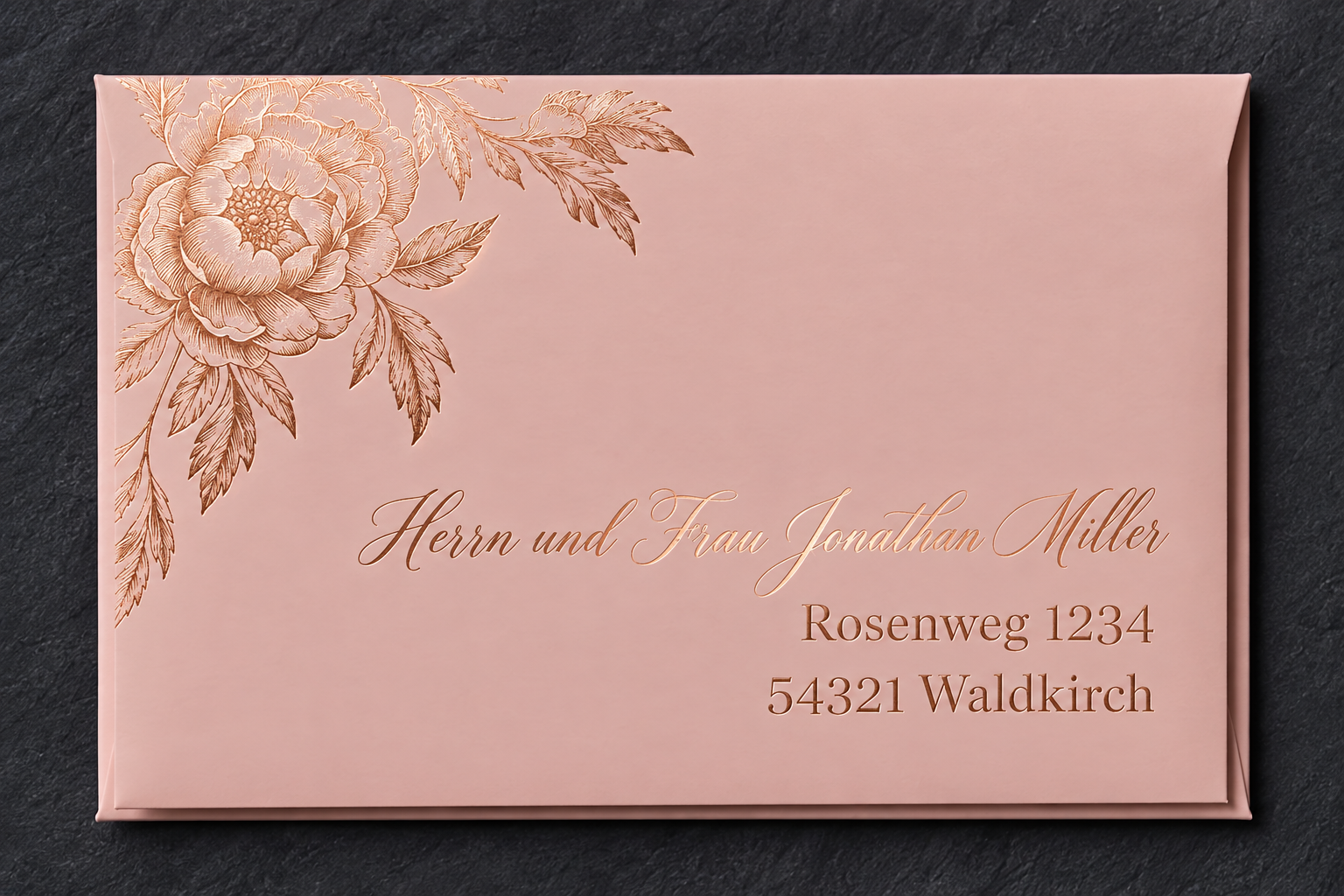
The clearest way to prevent uninvited guests is to address it before anyone even asks. Your invitation wording is your first line of defense. Address envelopes precisely — "Mr. James Carter" instead of "James Carter and Guest" means no plus-one is implied. If you're using inner envelopes, list only the invited names explicitly.
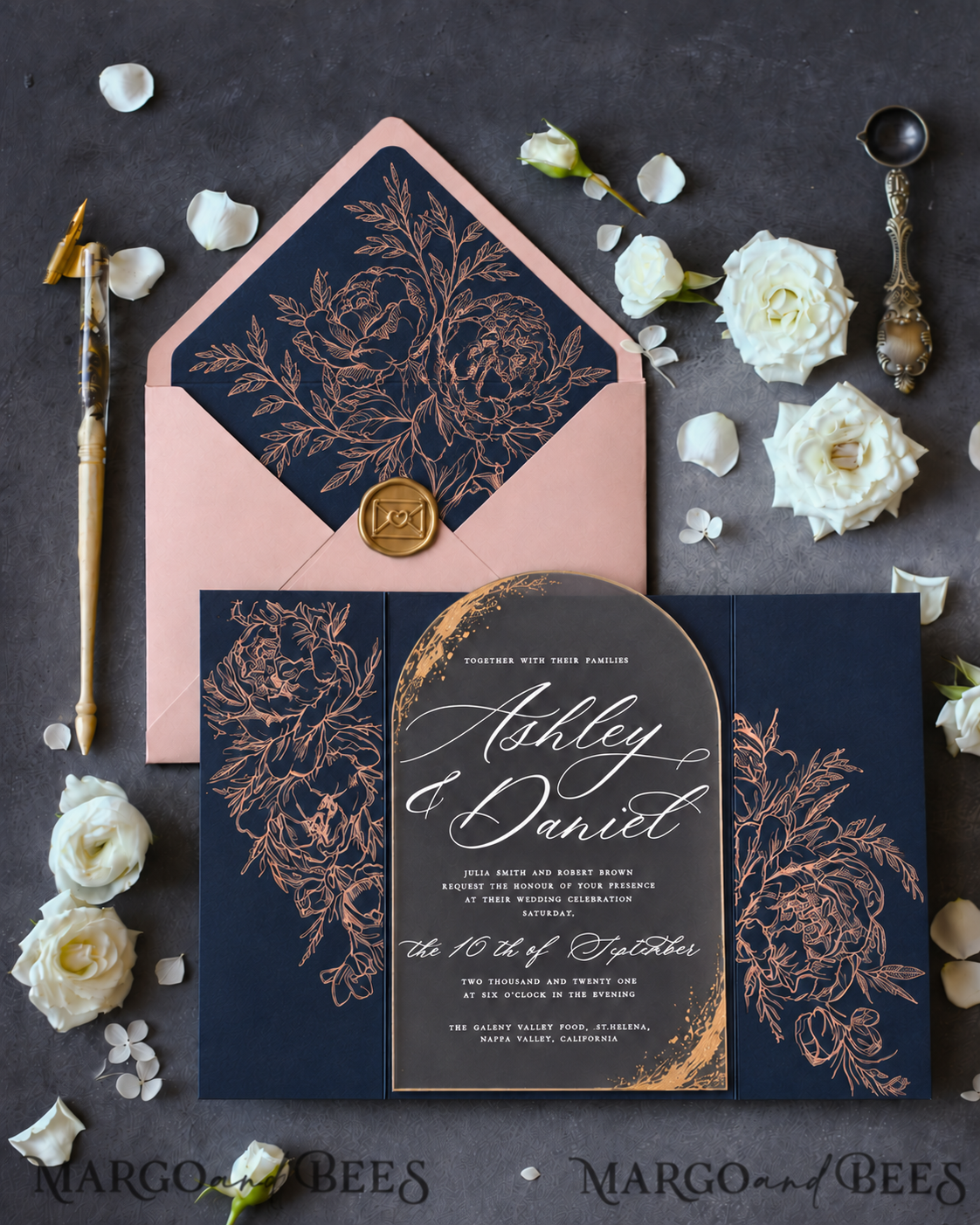
Your RSVP card can do a lot of heavy lifting here too. Include a line that reads: "We have reserved ___ seat(s) in your honor" and pre-fill the number. This makes it crystal clear how many spots are allocated to that household. A custom RSVP card designed with that specific line removes ambiguity before a single phone call needs to happen. This is a great use case for a custom stationery order — a small tweak to your RSVP wording can save you dozens of awkward conversations later.
What to Say When Someone Asks Anyway
Even with perfect invitation wording, someone will ask. When they do, respond warmly but without leaving any wiggle room. Here are two scripts you can adapt:
- For a plus-one request: "We're so touched you want to celebrate with us! Unfortunately, we're working with a strict venue capacity and have only been able to include our closest family and friends. We can't wait to celebrate with you there!"
- For a guest asking to bring their children: "We've decided to keep our wedding adult-only so parents can have a night to relax and enjoy themselves. We so appreciate your understanding — we can't wait to see you!"
The key is to be warm, brief, and final. Don't over-explain or apologize excessively — that invites negotiation. A simple, kind response delivered with confidence is the most respectful thing you can do for both of you.
Timing Matters: Address It Early
The earlier you communicate your guest list boundaries, the easier it is for everyone. If you know certain guests are likely to assume they can bring someone — a college friend who always travels with a partner, or a family member with young kids — consider giving them a heads-up before invitations even go out.
A quick text or phone call that says, "Hey, I wanted to let you know before invites arrive — we're keeping the wedding really intimate, so we weren't able to include plus-ones for most guests. I hope that's okay!" takes the sting out of the formal invitation wording and shows you've thought of them personally.
Once RSVPs come back with extra names added, respond within a few days. Letting it linger makes the conversation harder and creates confusion about whether those extra guests are actually expected.
Handling Pushback Without Caving
Some guests will push back, and that's okay. Stay calm and consistent. You don't owe anyone a detailed justification — venue capacity, budget, and the desire for an intimate celebration are all completely valid reasons, and you don't need to rank them.
If a guest threatens to skip the wedding over not getting a plus-one, that's ultimately their choice to make. It's painful, but accommodating one exception opens the door to many more. Other guests will hear about it, and you'll find yourself renegotiating your entire list.
If you genuinely want to accommodate someone's partner or child but truly can't, be honest: "I wish we could — if anything changes with our numbers, you'll be the first person I call." That's compassionate and truthful without making a promise you can't keep.
Use Your Stationery to Do the Talking
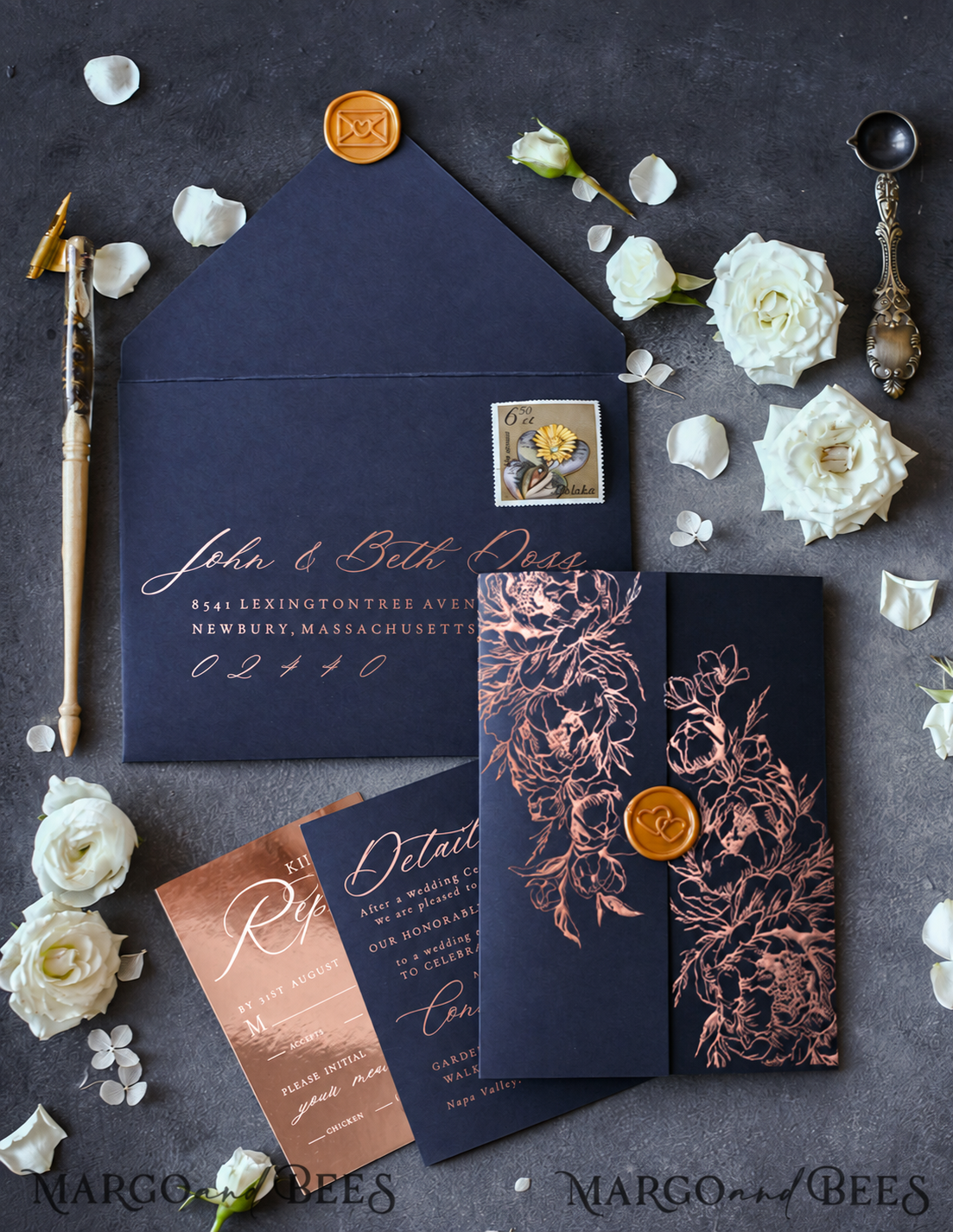
Well-designed stationery communicates respect and intentionality. When guests receive a beautiful, thoughtfully addressed invitation with a pre-filled RSVP card, they understand this is a carefully planned, formal event — not a casual gathering where extras are welcome. If your current invitation suite doesn't include a seat-count line or needs a wording update, a custom stationery order through Margo&Bees can give you exactly what you need without redesigning everything from scratch.
Small details — the way names are addressed, the phrasing on your RSVP — signal to guests that you've been deliberate about every decision, including who's on the list.
Frequently Asked Questions
A brief reason — venue capacity or budget — is helpful and shows respect, but you don't need to go into detail. Keep it simple: one sentence is enough, and over-explaining can invite debate.
Contact them promptly and kindly clarify: "We noticed your RSVP included a couple of extra guests — we only have seating reserved for you and [Name]. We can't wait to celebrate with you both!" Address it directly rather than hoping it sorts itself out.
Not at all — it's one of the most common and accepted wedding decisions, especially for smaller or budget-conscious celebrations. As long as you communicate it clearly and kindly, most guests will understand completely.
State it clearly on your wedding website and, if needed, add a line to your invitation like "Adult reception to follow." You can also spread the word through family members who are likely to share the message with other parents.
Address the envelope to only the invited individuals by name — "Ms. Rachel Torres" rather than "Rachel Torres and Guest." For households with partners, list both names if both are invited; omit a name if they're not.
Exceptions are tricky because word travels fast. If you do make one, keep it very quiet and reserve it for truly exceptional circumstances, like a guest who would genuinely know no one at the event without their partner.
See This Design Up Close
You May Also Like



More Wedding Planning Guides
- → The Ex on Your Guest List: What to Actually Consider Before You Decide
- → Turning Down a Would-Be Guest Without Turning Them Away
- → Uninvited Plus-Ones and Tag-Alongs: How to Keep Your Guest List Intact
- → When Family Feuds Threaten Your Wedding Plans: A Practical Peacekeeper's Guide
- → Inviting an Estranged Brother or Sister: Finding Clarity Before You Seal the Envelope
- → Cousins, Invites, and Hard Choices: A Practical Guest List Guide