
Plus-Ones for Teenagers: The Honest Wedding Etiquette Guide
You've agonized over the adult plus-one list, and then it hits you — what about the teenagers on your guest list? Whether it's a 16-year-old cousin or your college-bound niece, deciding whether teens get to bring a date is one of those quietly tricky wedding etiquette questions. There's no single right answer, but there are smart ways to think it through so your decision feels fair, consistent, and stress-free.
The General Etiquette Rule for Teen Plus-Ones
Traditional wedding etiquette does not automatically extend plus-ones to teenage guests. Unlike married or long-partnered adults, teens are generally expected to attend solo or with their family unit. Most etiquette experts agree that a plus-one is a privilege, not a guarantee, and that teens fall outside the standard threshold for receiving one.
That said, etiquette is a starting point — not a law. Your wedding, your guest list, your call. The key is applying whatever rule you choose consistently across all teenage guests so no one feels singled out or slighted.
When It Does Make Sense to Give a Teen a Plus-One
There are real situations where extending a plus-one to a teenager is the kind, practical choice:
- They have a serious, long-term partner. If your 18-year-old cousin has been dating someone for two years, leaving that person off the list can feel pointed and unkind — especially if other couples are invited together.
- They won't know anyone else at the wedding. A teenager flying in from out of town who won't have family nearby may genuinely benefit from having a familiar face. A solo teen in a sea of adults can be an uncomfortable situation for everyone.
- They're 18 or older. Many couples draw the plus-one line at legal adulthood. If your guest is 18 or 19, treating them like an adult — including the plus-one consideration — is a reasonable and respectful approach.
When It's Perfectly Fine to Say No
Saying no to a teen plus-one is completely acceptable in most circumstances. Here's when it's especially easy to justify:
- Budget and venue capacity are tight. Every seat costs money. Adding unknown plus-ones for teenage guests adds up quickly, and that's a legitimate reason.
- They're attending with their immediate family. A 15-year-old coming with mom, dad, and siblings already has a built-in social group. A plus-one in this scenario is rarely necessary.
- You're not giving plus-ones to single adult guests either. If your policy is that only coupled adults receive a plus-one, teens fit naturally into the "solo" category without any special explanation needed.
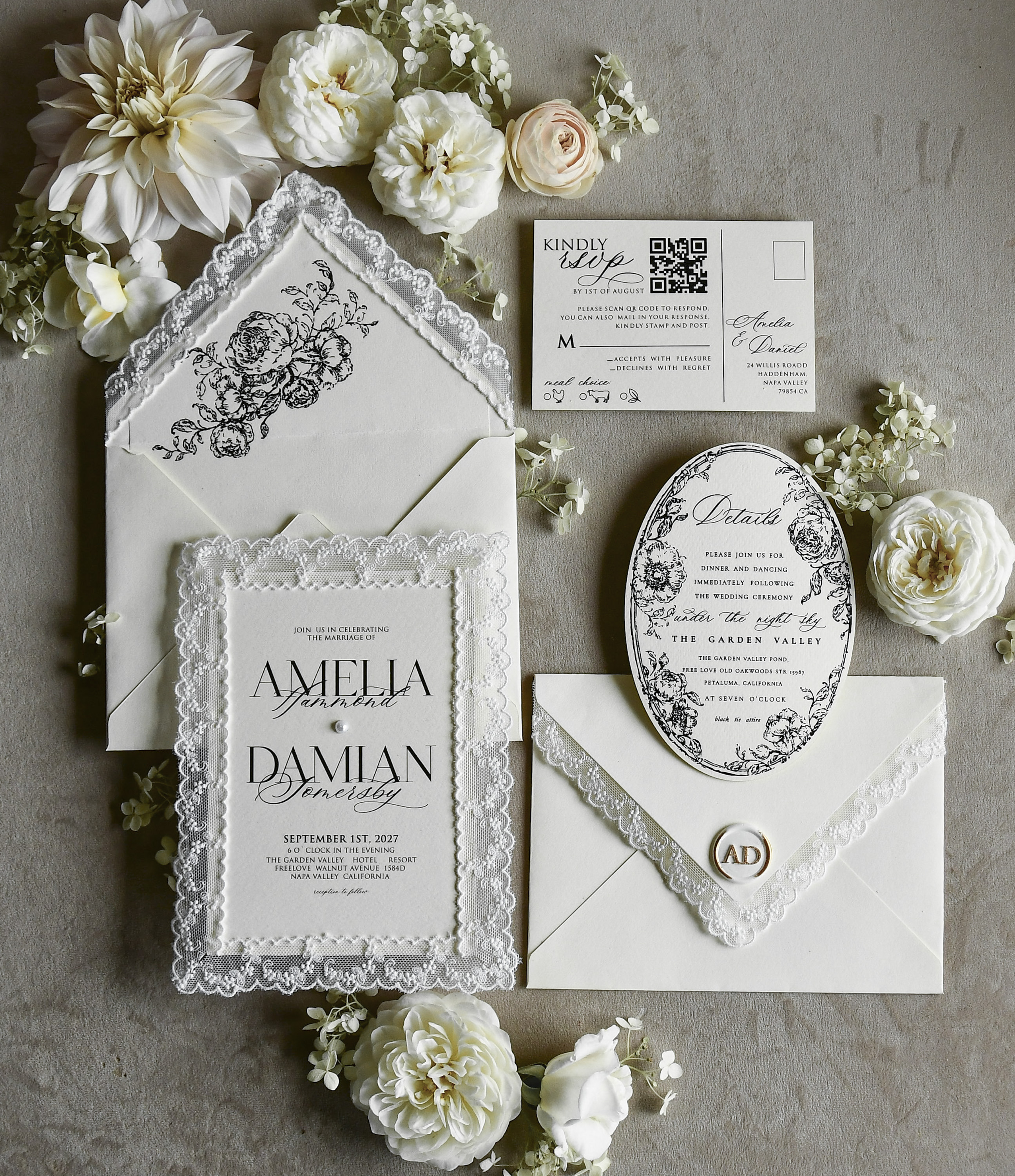
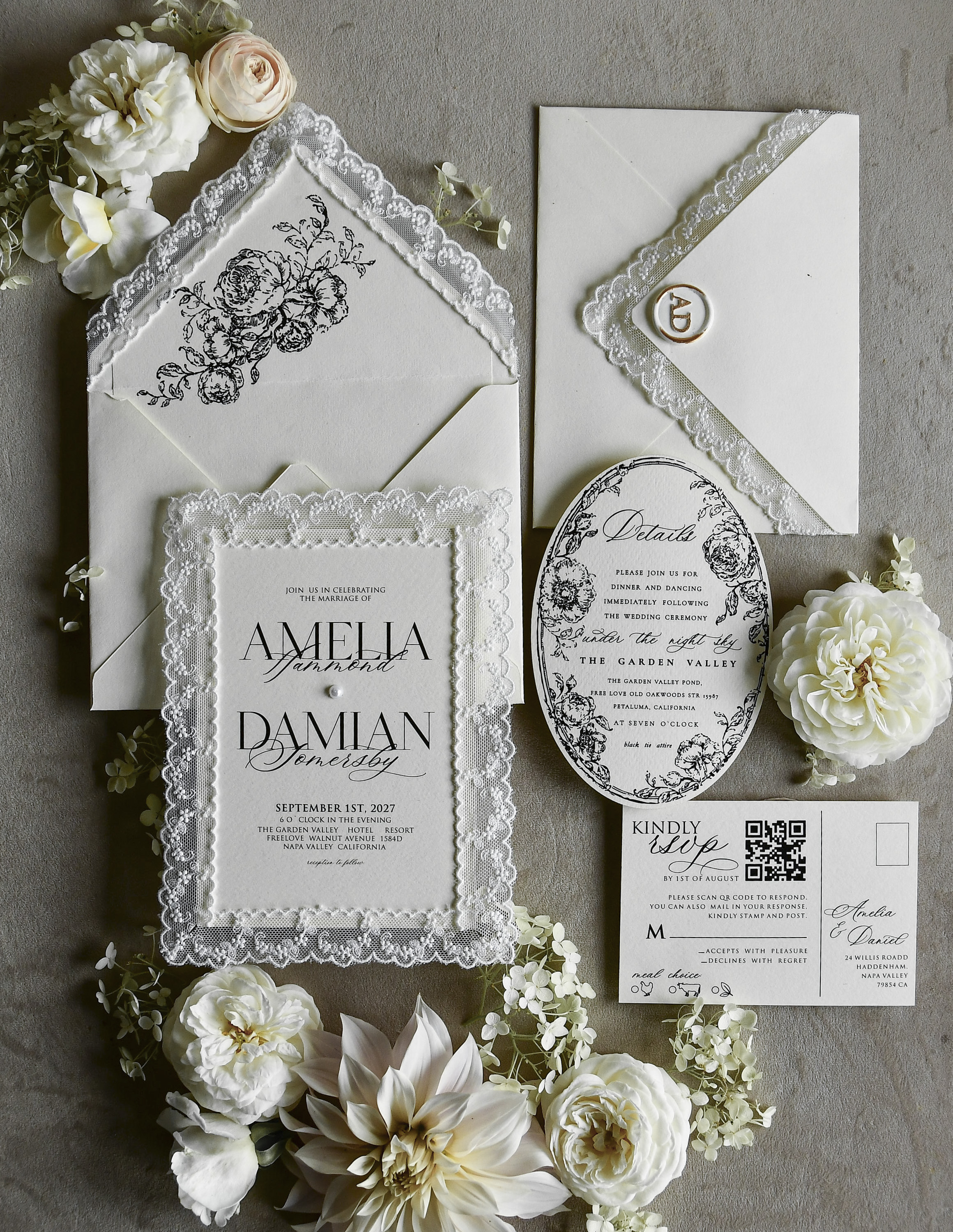
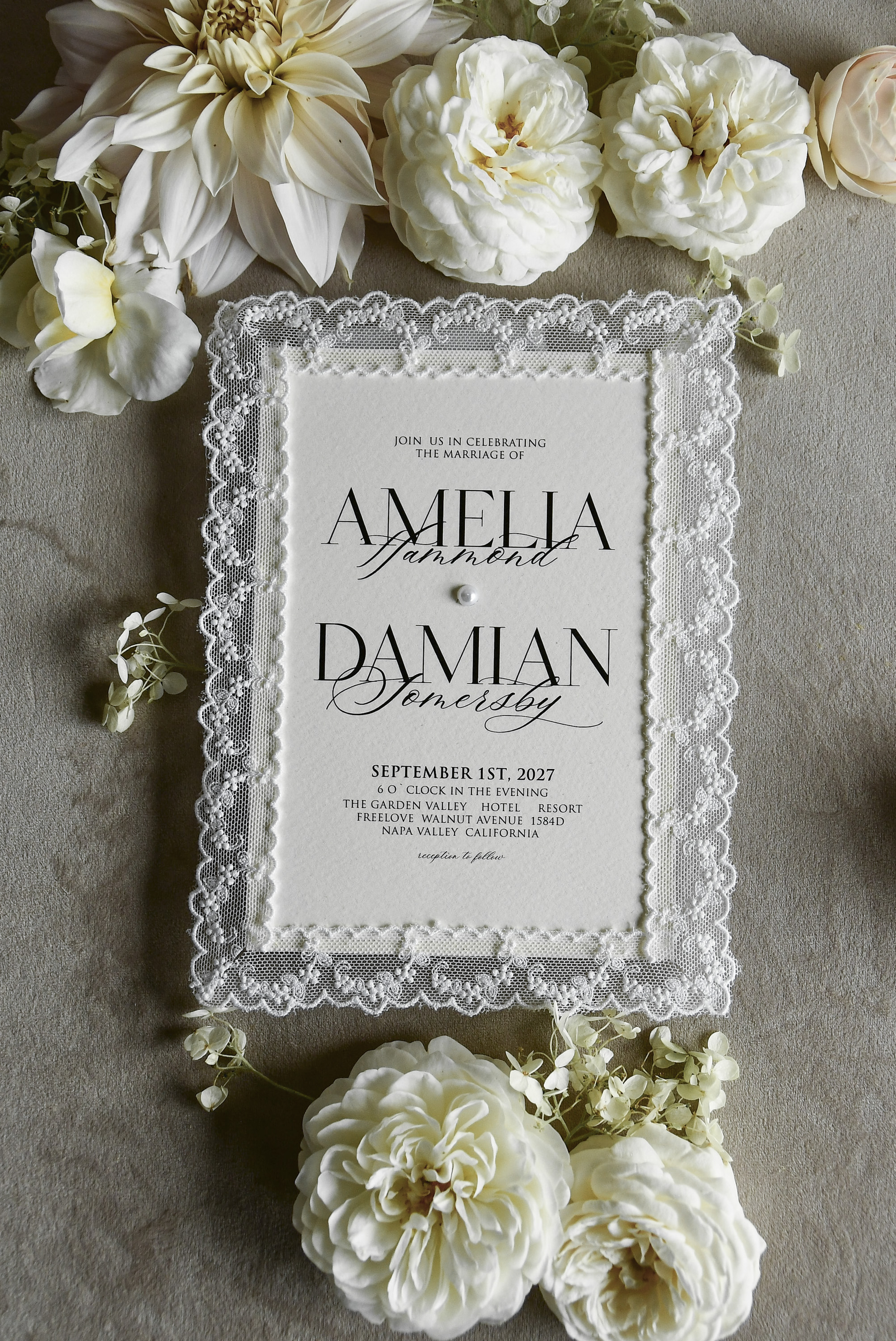
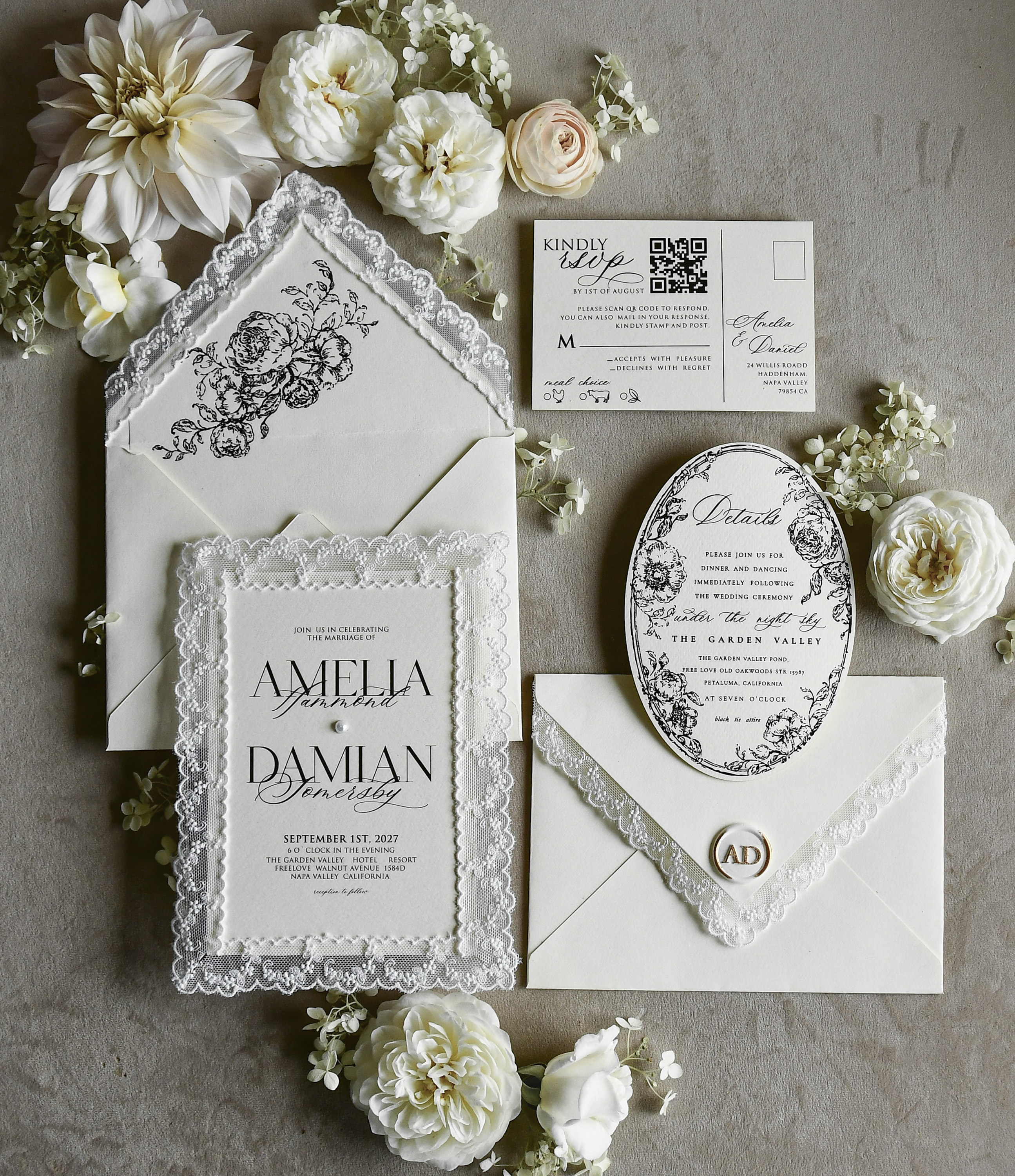
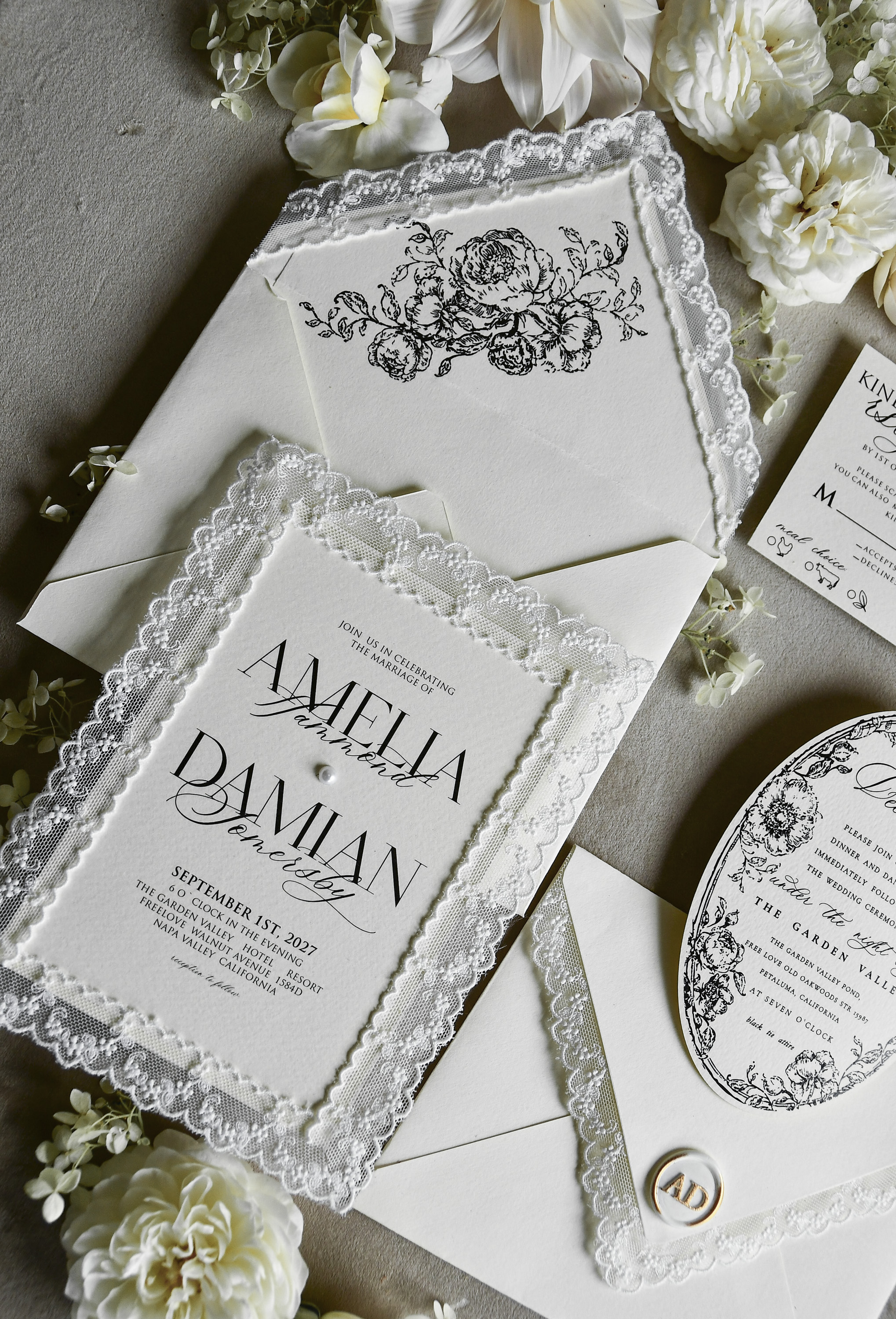
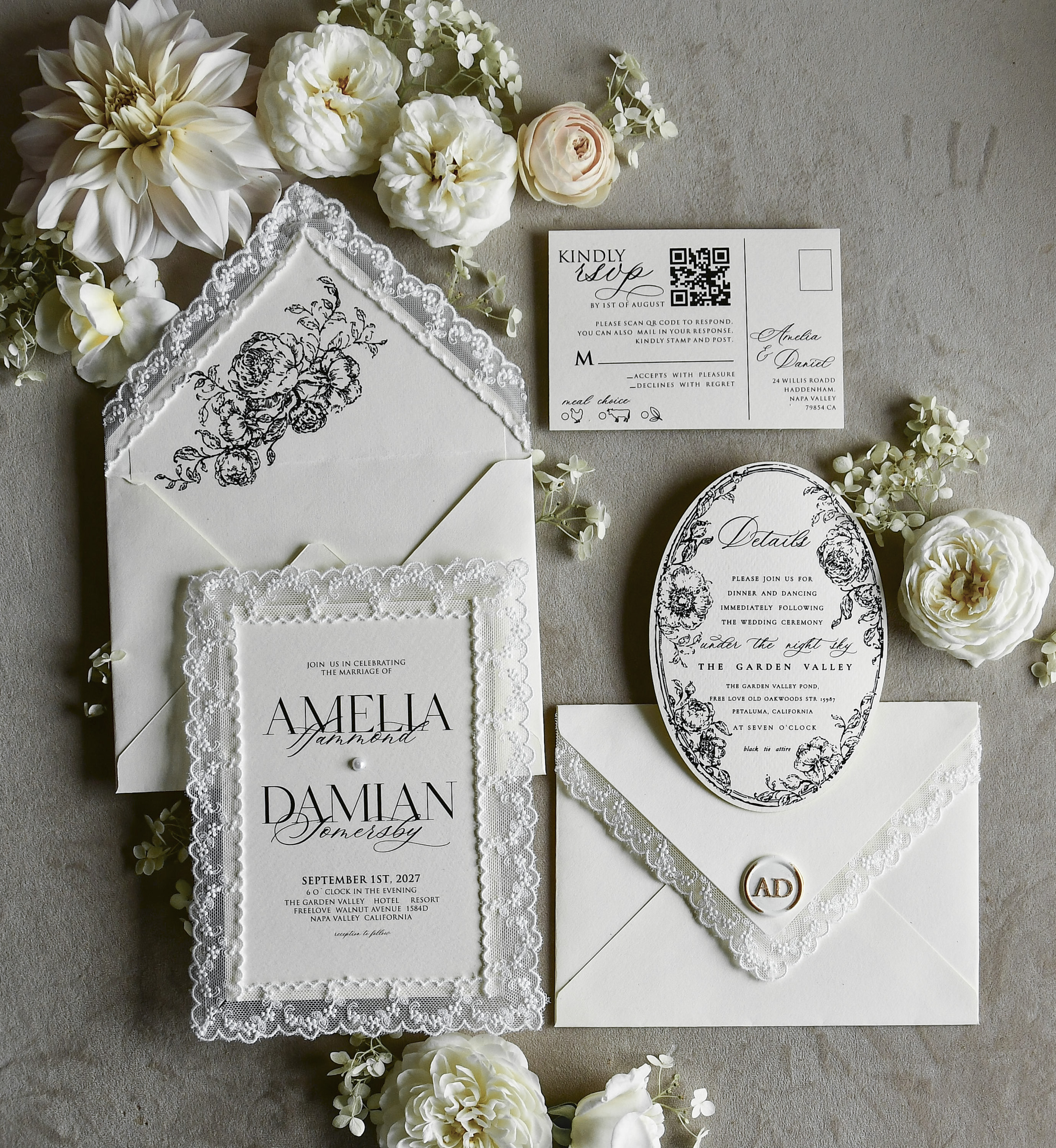
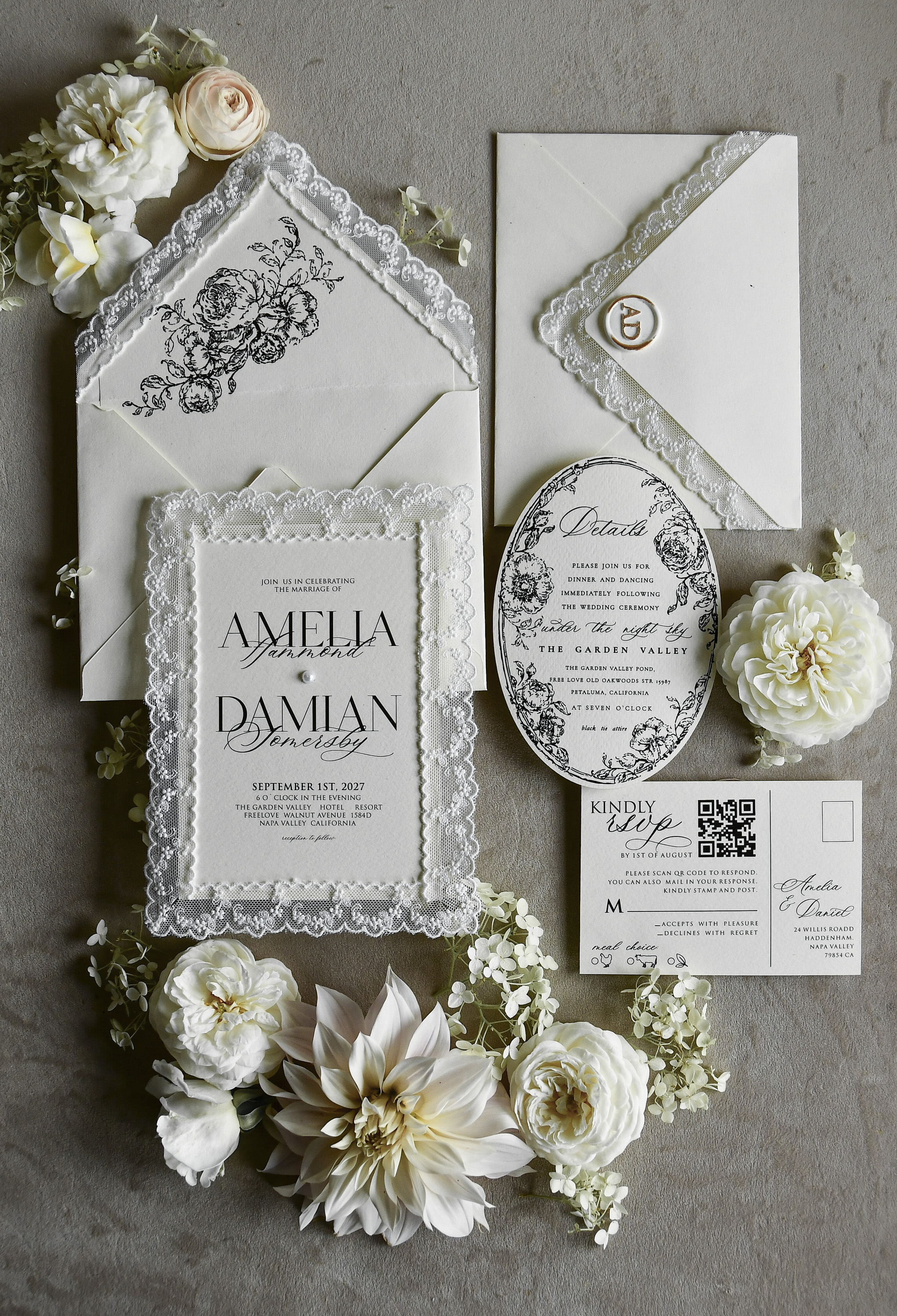
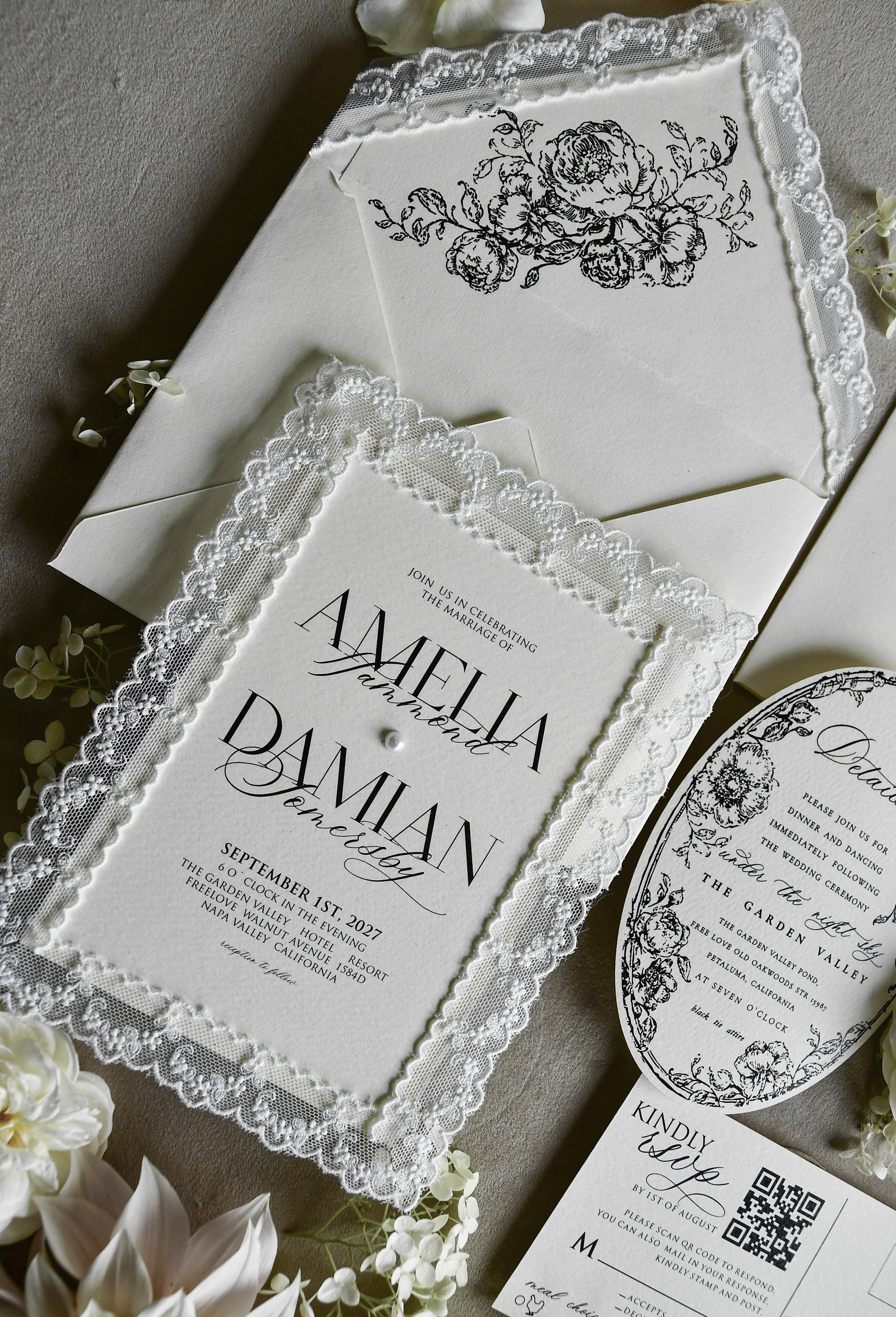
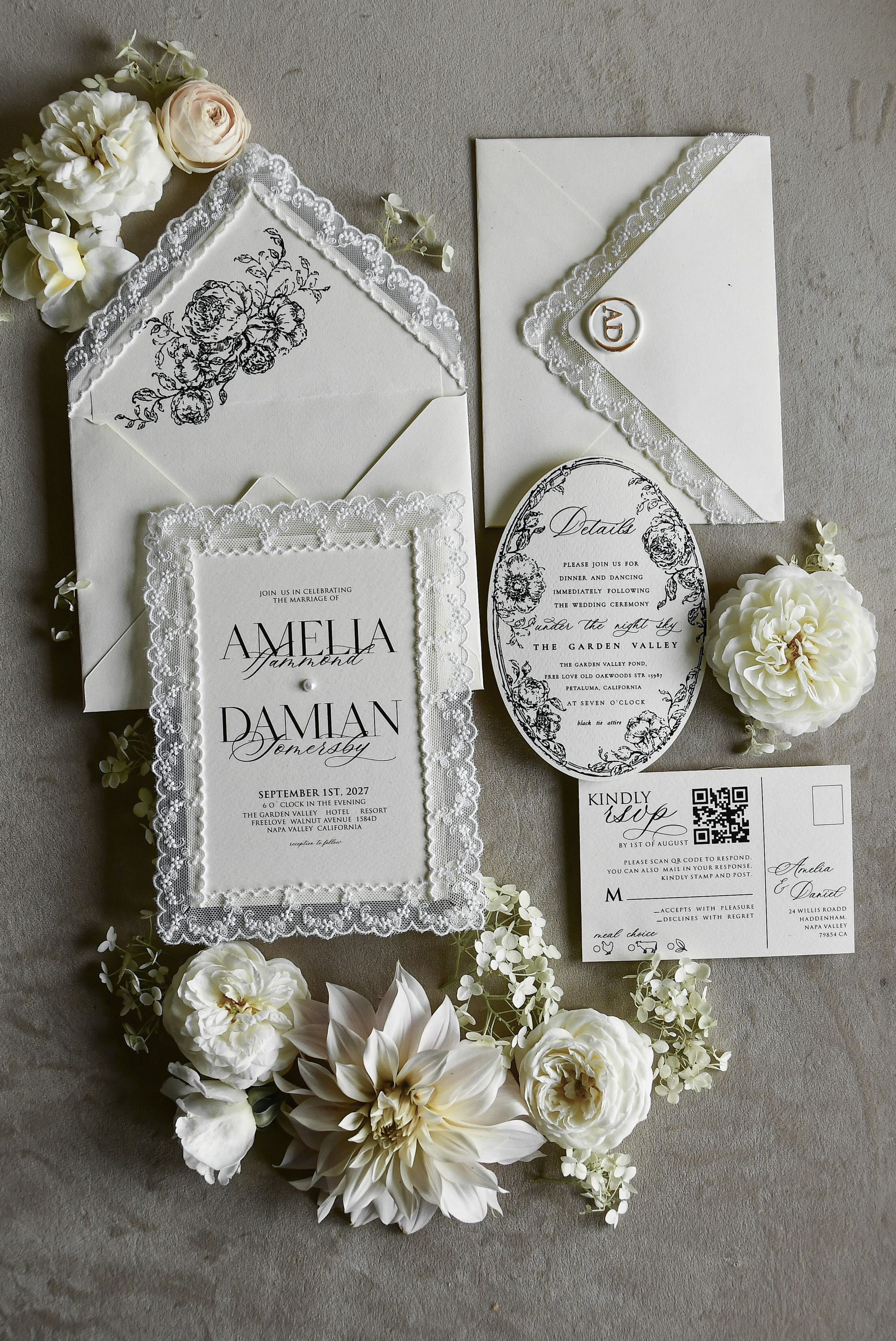
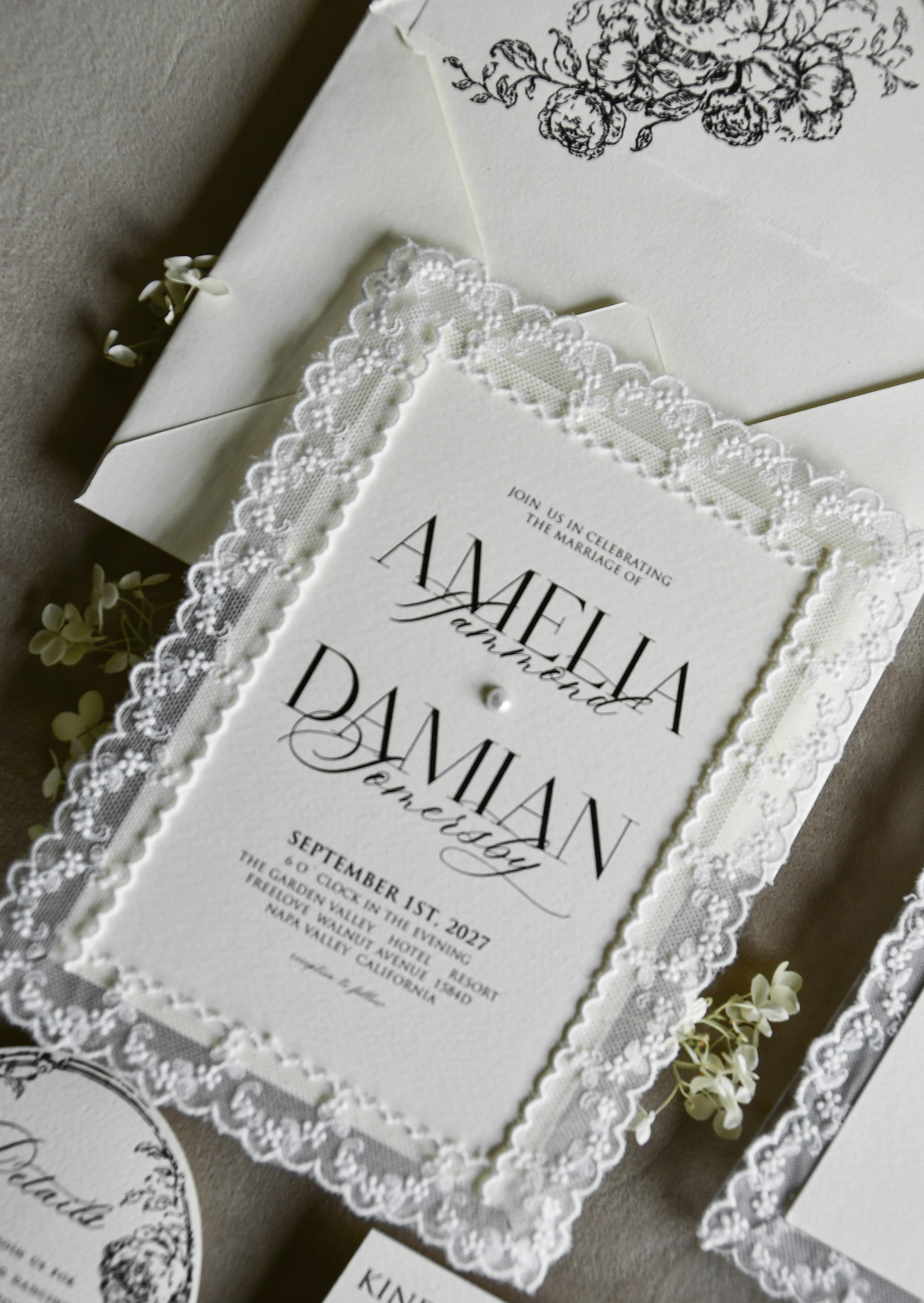
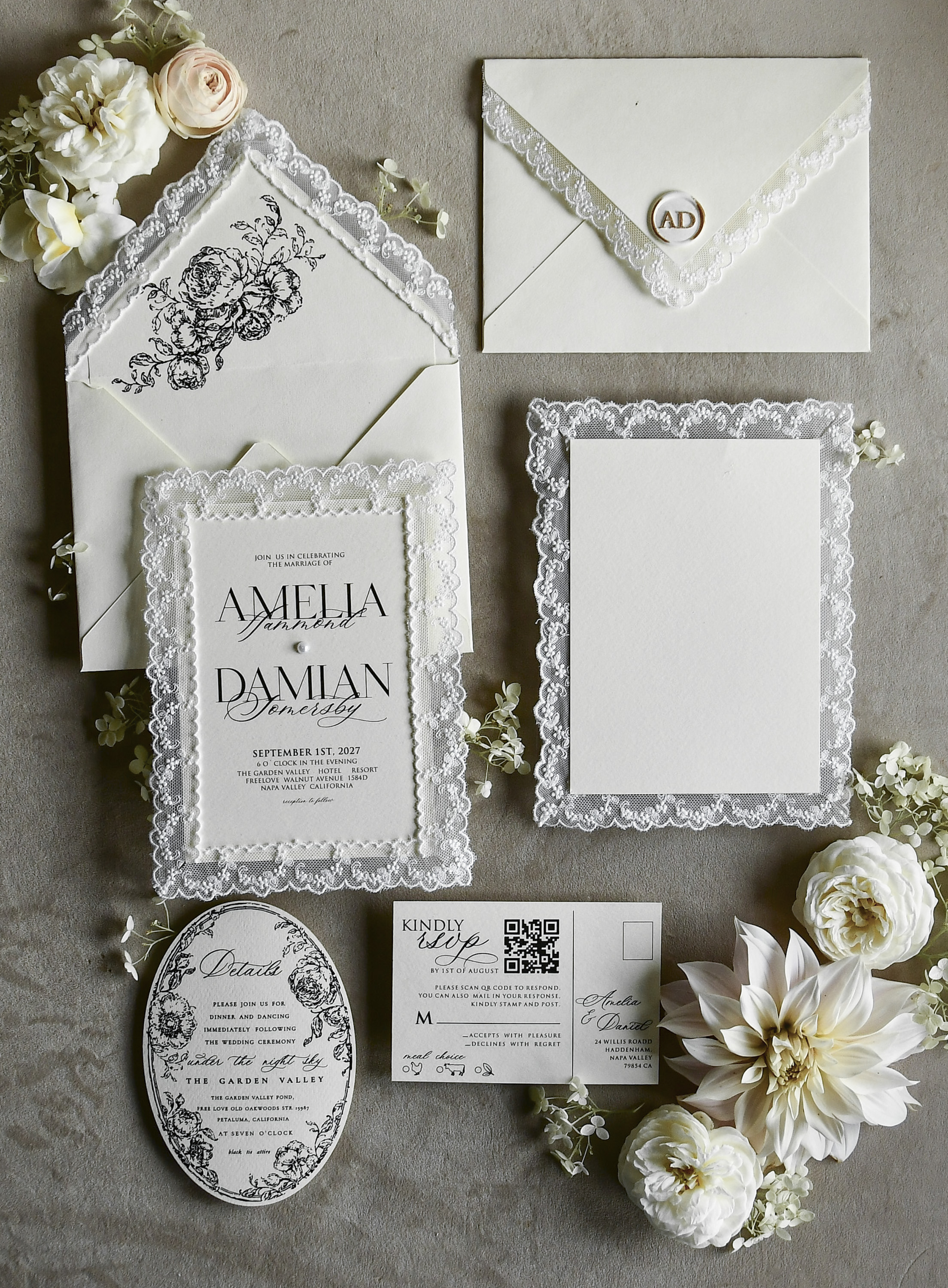
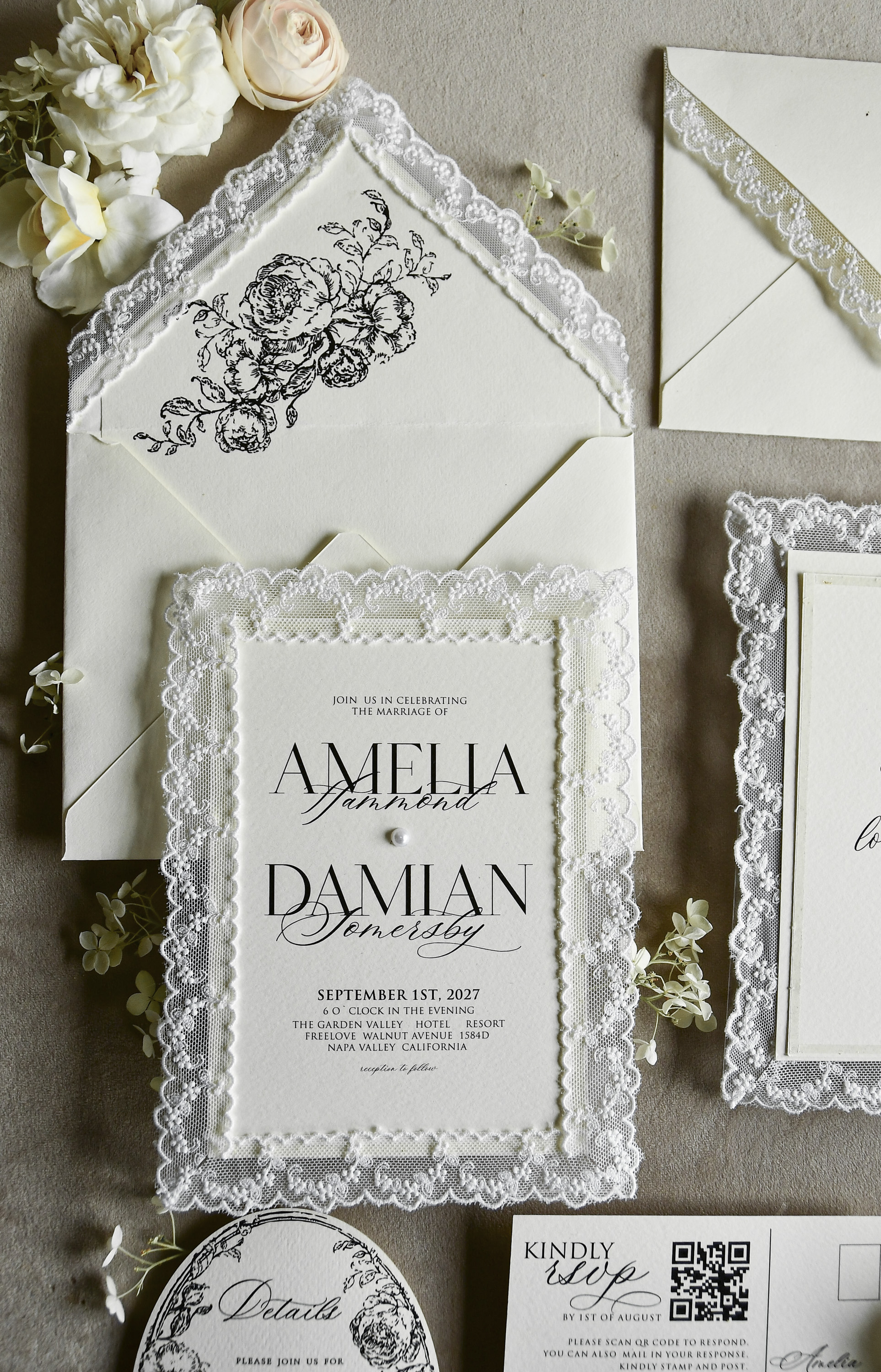
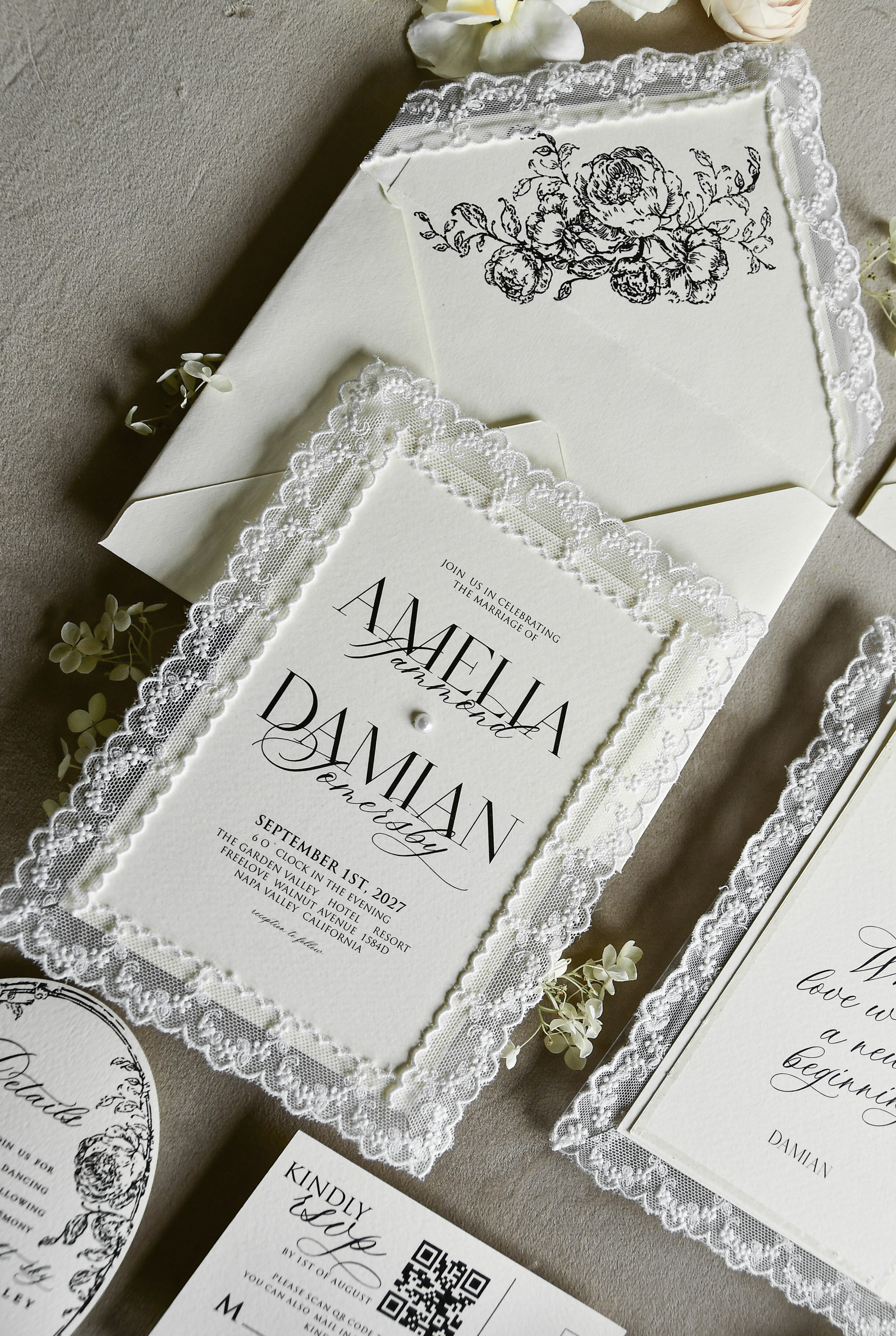
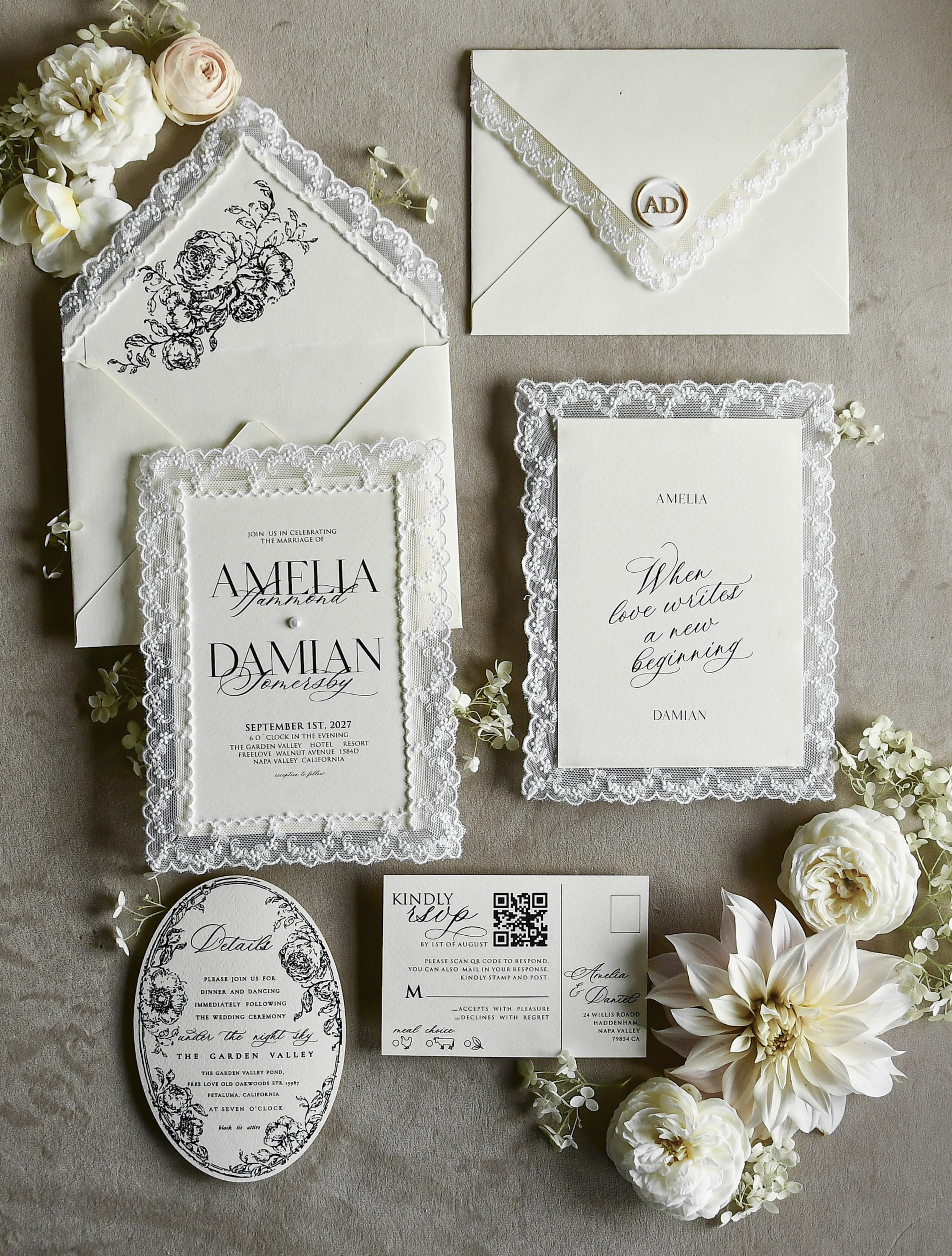
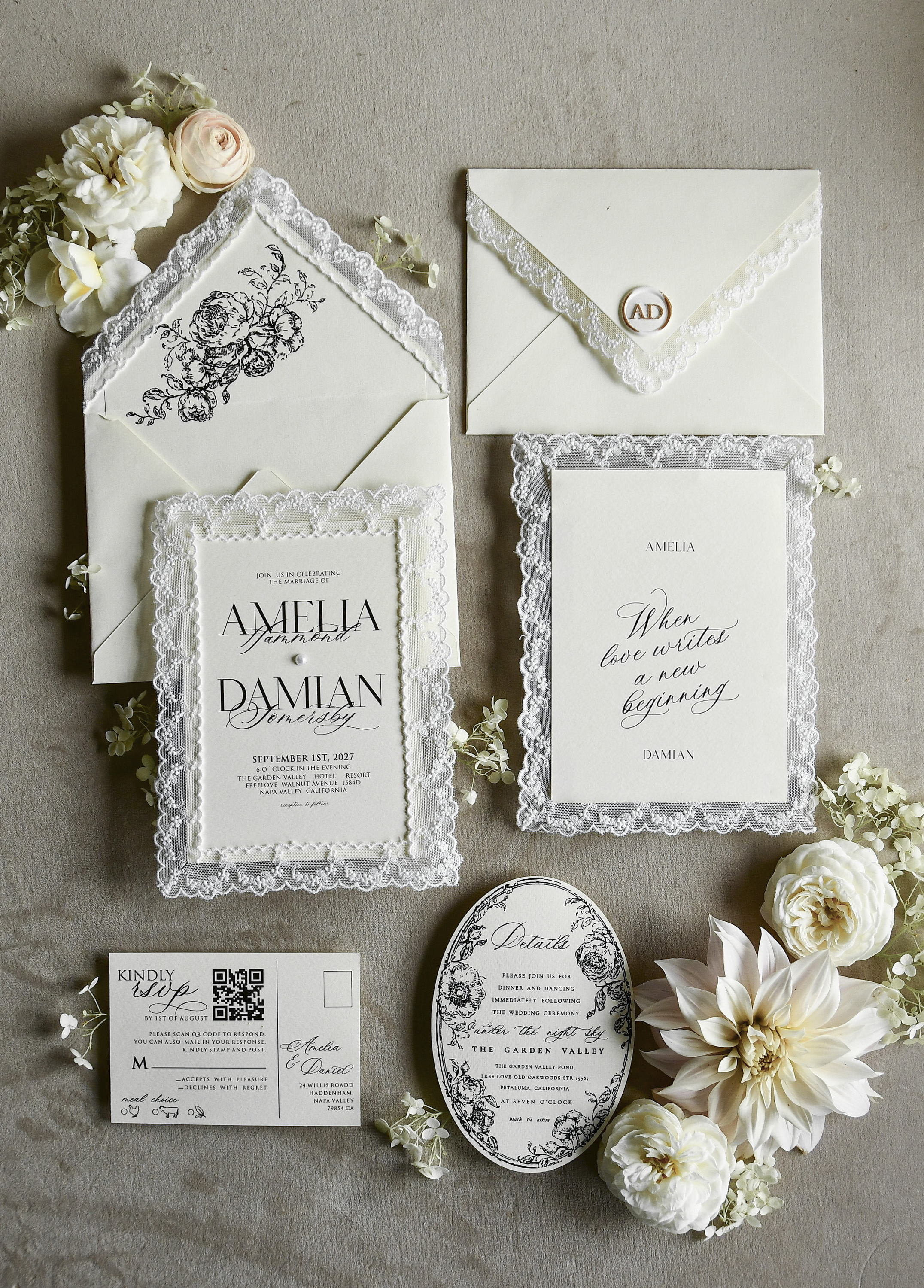
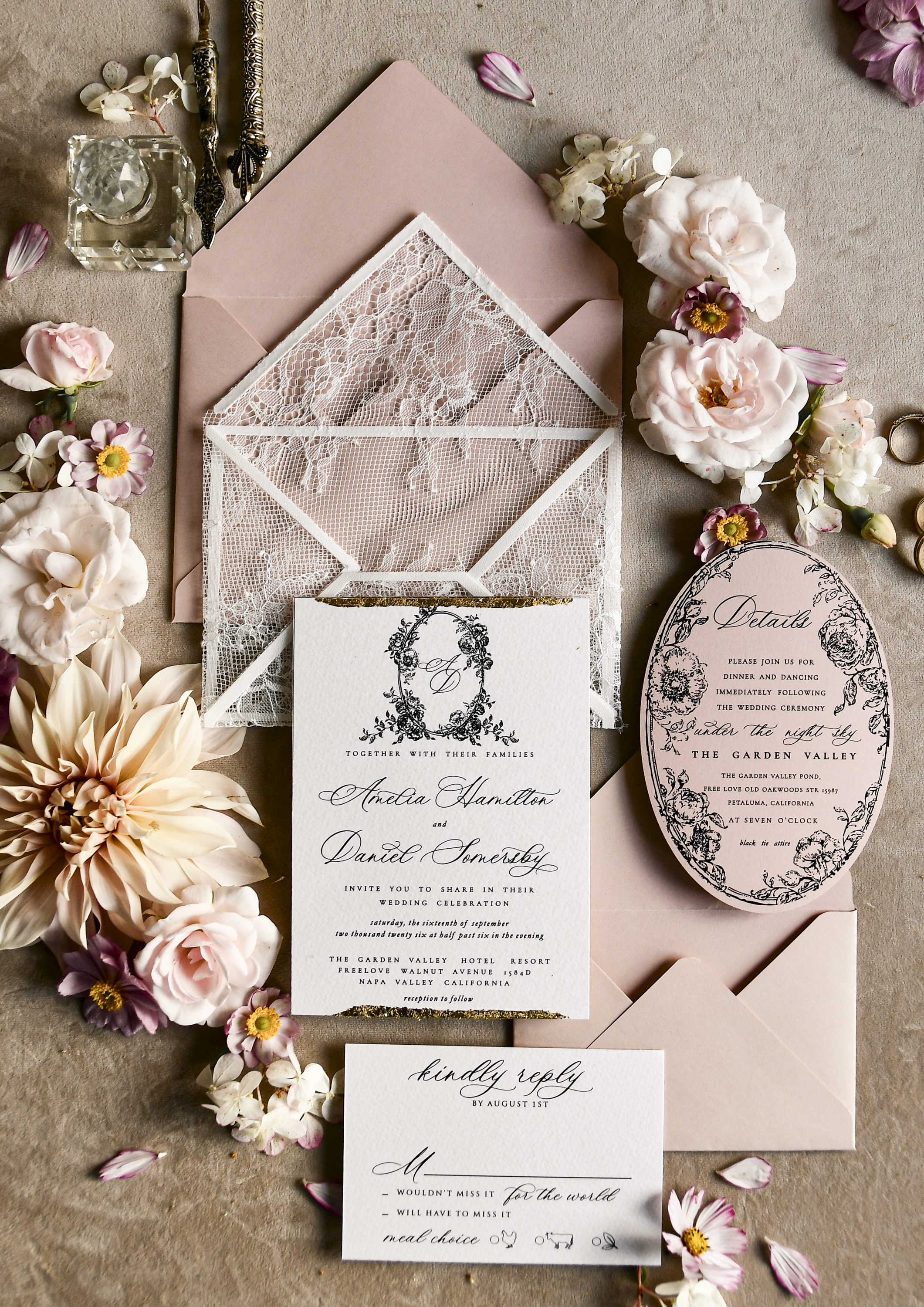
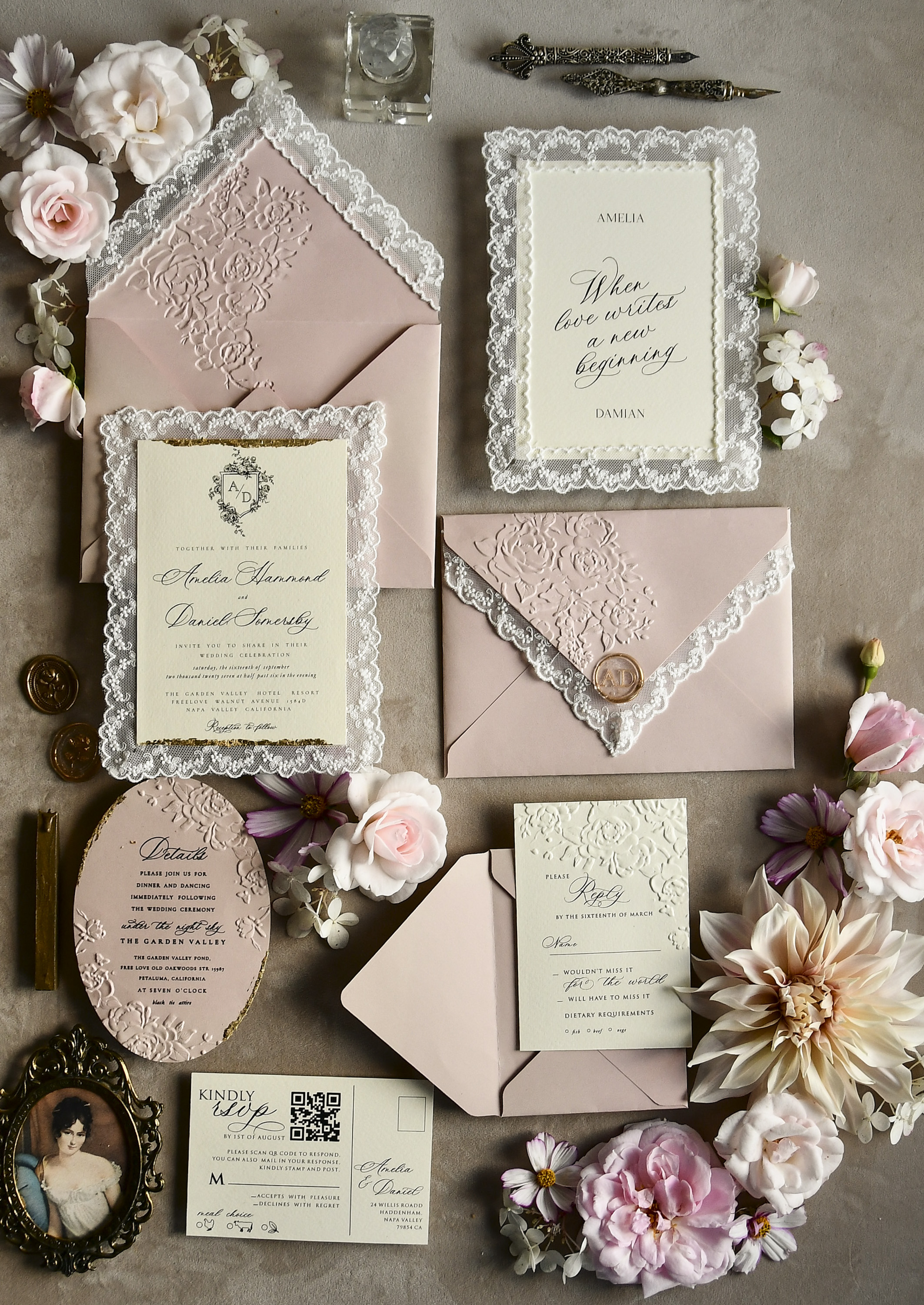
When you address your invitations, simply address the envelope to the teen by name (or include them on their family's invitation) without adding "and Guest." That signals clearly and politely that a plus-one isn't included — no awkward conversation required. A beautifully addressed invitation, like one printed on our 09/laceD/z vintage lace wedding invitations, makes even a solo invite feel warm and considered.
How to Handle the Conversation If a Teen Asks
Sometimes a teen — or more likely, their parent — will ask if they can bring a date. Stay calm and kind. A simple, honest response works best:
"We're keeping the guest list really tight, so we weren't able to extend plus-ones to everyone — we hope you'll still have a wonderful time with the family there!"
You don't owe a lengthy explanation. If you've been consistent in your policy, you have nothing to apologize for. Most families will understand, especially if they know the couple is managing a budget or a venue with limited capacity.
Setting Your Rule and Sticking to It
The most important thing isn't which decision you make — it's that you make one decision and apply it uniformly. Giving a plus-one to one 17-year-old but not another because you're closer to one family will create hurt feelings and family tension that outlasts the wedding day.
A clean, easy framework many couples use: plus-ones are offered to guests who are married, engaged, or living with a partner — regardless of age. Under that rule, a 19-year-old with a live-in partner gets a plus-one; a 17-year-old with a casual boyfriend does not. It's clear, defensible, and easy to explain.
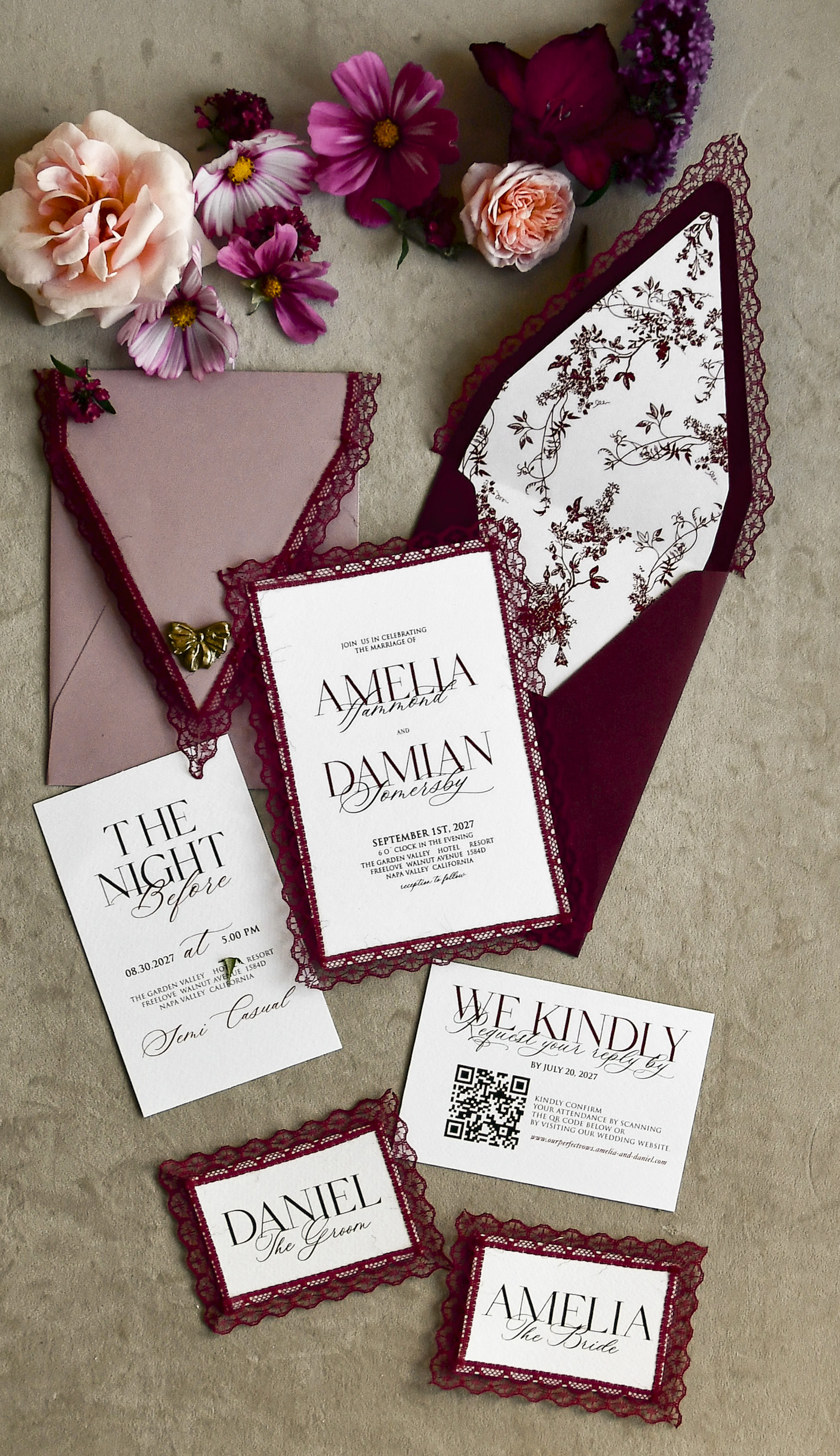
Once you've landed on your policy, reflect it clearly in how you address your invitations. The 09/laceD/z vintage lace invitation suite from Margo&Bees is a beautiful way to set the tone — elegant addressing makes every guest, solo or paired, feel genuinely celebrated before they even open the envelope.
Frequently Asked Questions
Most couples extend plus-ones to guests who are married, engaged, or in a long-term committed relationship, regardless of age. There's no magic number, but 18 is a common threshold couples use when offering plus-ones to single guests.
You don't need to proactively bring it up. Simply address their invitation to them alone — or include them on their family's invitation — without adding "and Guest," and the message is clear. If they ask directly, a brief, kind explanation is all you need.
Stay polite but firm, and point to your overall policy — for example, "We're only extending plus-ones to guests who are married or living with a partner." Consistency is your best defense, because it makes clear the decision isn't personal.
Many couples do treat 18- and 19-year-olds as adults for plus-one purposes, which is a perfectly reasonable approach. If you're giving single adults in their 20s a plus-one, it makes sense to extend the same courtesy to 18- and 19-year-old guests.
Only if there's a clear, objective reason — like one teen is in a serious long-term relationship and the other is not. Arbitrary differences based on how close you are to one family versus another will almost always cause hurt feelings.
If they're under 18 and part of a family unit, include them by name on their parents' invitation — for example, "The Johnson Family" or "Mr. and Mrs. Johnson and Ella." If they're 18 or older, addressing a separate invitation to them personally is a thoughtful touch.
See This Design Up Close
You May Also Like
More Wedding Planning Guides
- → Handling Family Guest List Pressure Without Losing Your Mind (or Your Vision)
- → Last-Minute RSVP Changes: How to Stay in Control When Guests Switch Their Answer
- → RSVP Follow-Up Timing: Your No-Stress Guide to Chasing Late Replies
- → Family Affair or Adults-Only? How to Navigate the Kids-at-Your-Wedding Question
- → Making Your Wedding Kid-Friendly: Childcare, Entertainment, or Both?
- → What to Say When Someone Assumes They're Invited to Your Wedding
- → When Future In-Laws Want to Add Their Friends to Your Guest List
- → Guests Who RSVP Yes and Don't Appear: A Practical Guide for Couples
- → Adults-Only Wedding: How to Spread the Word Without Hurt Feelings
- → Trim Your Wedding Guest List Without the Awkwardness
- → The Estranged Sibling Invitation Dilemma: A Thoughtful Guide for Couples
- → Someone Added Extra Names to Your RSVP Card — Here's Exactly What to Do
- → Your Wedding Invitation Send-Off: Getting the Timing Just Right
- → Uninvited Plus-Ones and Tag-Alongs: How to Keep Your Guest List Intact
- → When Family Feuds Threaten Your Wedding Plans: A Practical Peacekeeper's Guide
- → Inviting an Estranged Brother or Sister: Finding Clarity Before You Seal the Envelope
- → Cousins, Invites, and Hard Choices: A Practical Guest List Guide