
Navigating the Awkward 'Why Wasn't I Invited?' Moment With Confidence
You've carefully crafted your guest list, made the hard calls, and finally hit send on those invitations — and then it happens. A coworker corners you in the break room, a cousin texts you out of nowhere, or an old friend brings it up at brunch: "So… why wasn't I invited?" This is one of the most uncomfortable moments in wedding planning, and almost every couple faces it. The good news? With a little preparation and the right words, you can handle it with warmth, honesty, and zero guilt.
Understand That This Moment Is Normal (and Not Your Fault)
First, give yourself permission to exhale. Choosing a guest list is genuinely one of the hardest parts of planning a wedding. Every couple has to draw a line somewhere — whether that's due to budget, venue capacity, a desire for an intimate celebration, or simply the reality that you can't invite everyone you've ever known.
When someone asks why they weren't included, it usually comes from a place of hurt feelings rather than genuine entitlement. Acknowledging that their feelings make sense — without over-explaining or apologizing excessively — is the foundation of a gracious response. You are not obligated to justify your guest list, but you can choose to respond with kindness.
What to Actually Say: Scripts That Work
Having a go-to response ready makes the moment far less stressful. Here are a few honest, warm options depending on the situation:
- For a venue or size constraint: "We had to keep things really small — our venue only holds [X] guests, so we kept it to immediate family and our closest circle. It was honestly one of the hardest parts of planning."
- For a budget-driven decision: "We set a strict guest limit early on to make the day financially manageable. It meant leaving out people we genuinely care about, and that was really tough."
- For a micro-wedding or elopement: "We decided to elope/have an intimate ceremony with just our immediate families. It wasn't about who we value — it was about the kind of day we needed."
- For a general response: "We had to make some really difficult choices, and I'm sorry you were hurt. I hope we can celebrate together another time."
Notice what these responses have in common: they acknowledge the limit, they don't over-explain, and they don't throw anyone else under the bus (like saying "well, we had to invite my partner's whole extended family").
What Not to Say — Common Mistakes to Avoid
In the moment, it's tempting to smooth things over with a white lie or an overpromise. Resist the urge. Here's what tends to backfire:
- "We're having a second party for everyone else!" — Only say this if you're actually planning one. Otherwise you'll face follow-up questions you can't answer.
- "It was my partner's decision." — Blaming your fiancé creates tension and isn't fair to either of them.
- "You were on the list but we ran out of room." — Vague half-truths can feel more hurtful if the person later learns the details.
- Apologizing excessively — One sincere acknowledgment is enough. Repeated apologies can make the other person feel worse and signal that you feel you did something wrong.
The goal is to be honest, brief, and kind — then gently redirect the conversation.
Planning Ahead to Minimize the Awkward Moments
The best time to prepare for this conversation is before it happens. A few proactive steps can reduce the number of times you face it:
- Be discreet about your wedding on social media before invitations go out. The fewer people who see public posts about save-the-dates or venue reveals, the less likely uninvited guests are to feel blindsided.
- Tell close friends and family your guest count early. If someone knows you're having a 40-person wedding from the start, they're less likely to assume they'll be included.
- Consider a post-wedding celebration. A casual backyard gathering or dinner after the honeymoon gives you a genuine way to celebrate with a wider circle — and something honest to mention if the topic comes up.
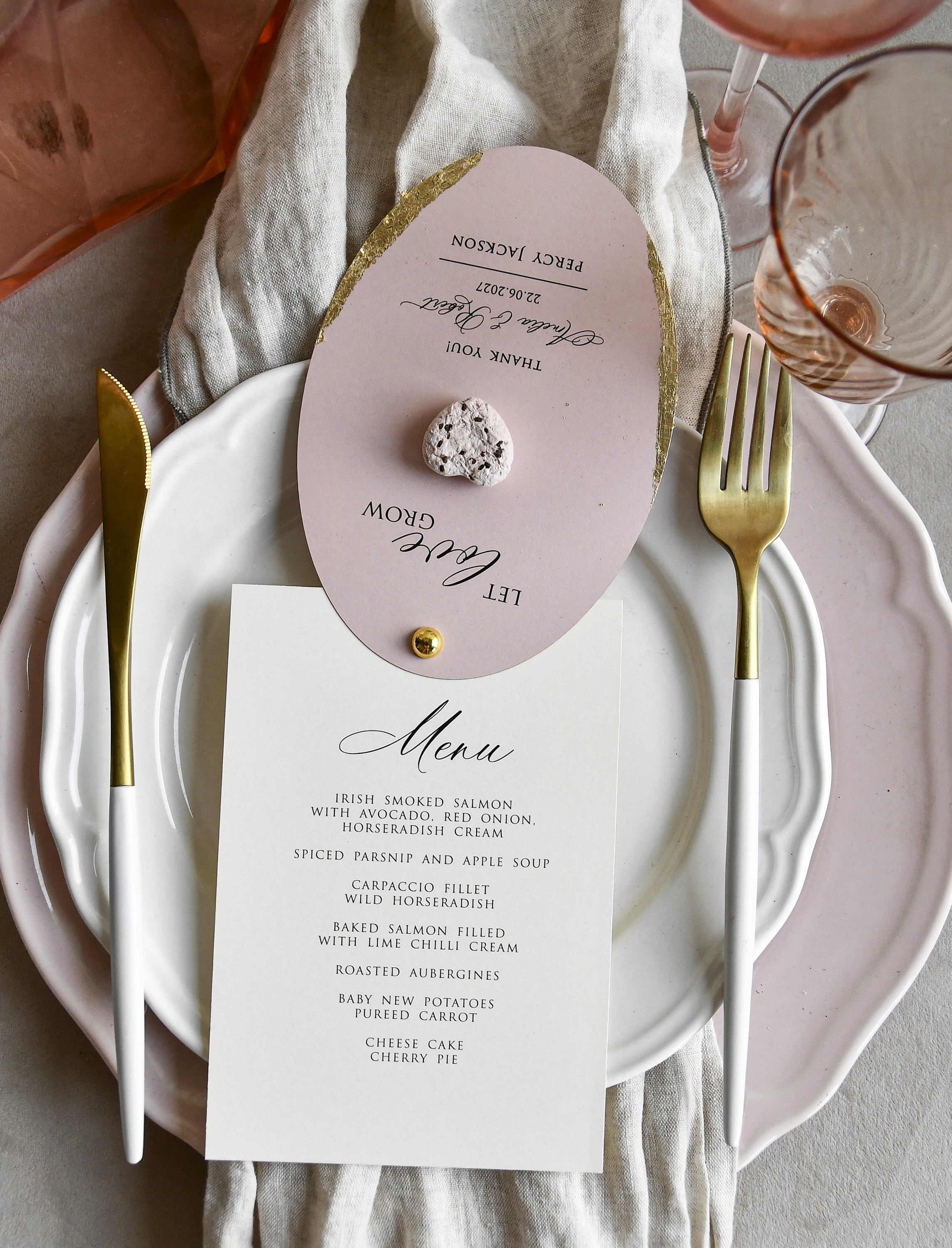
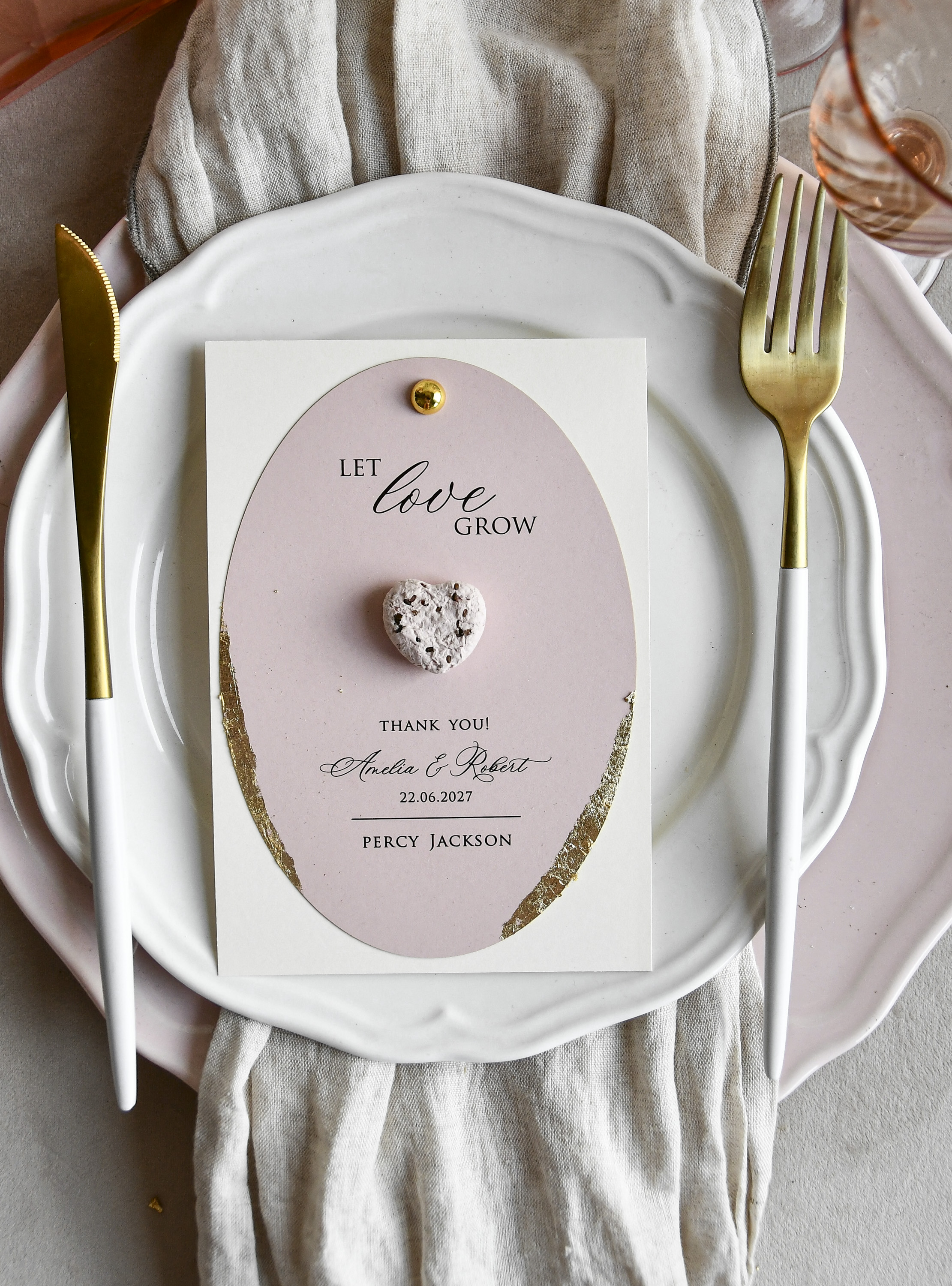
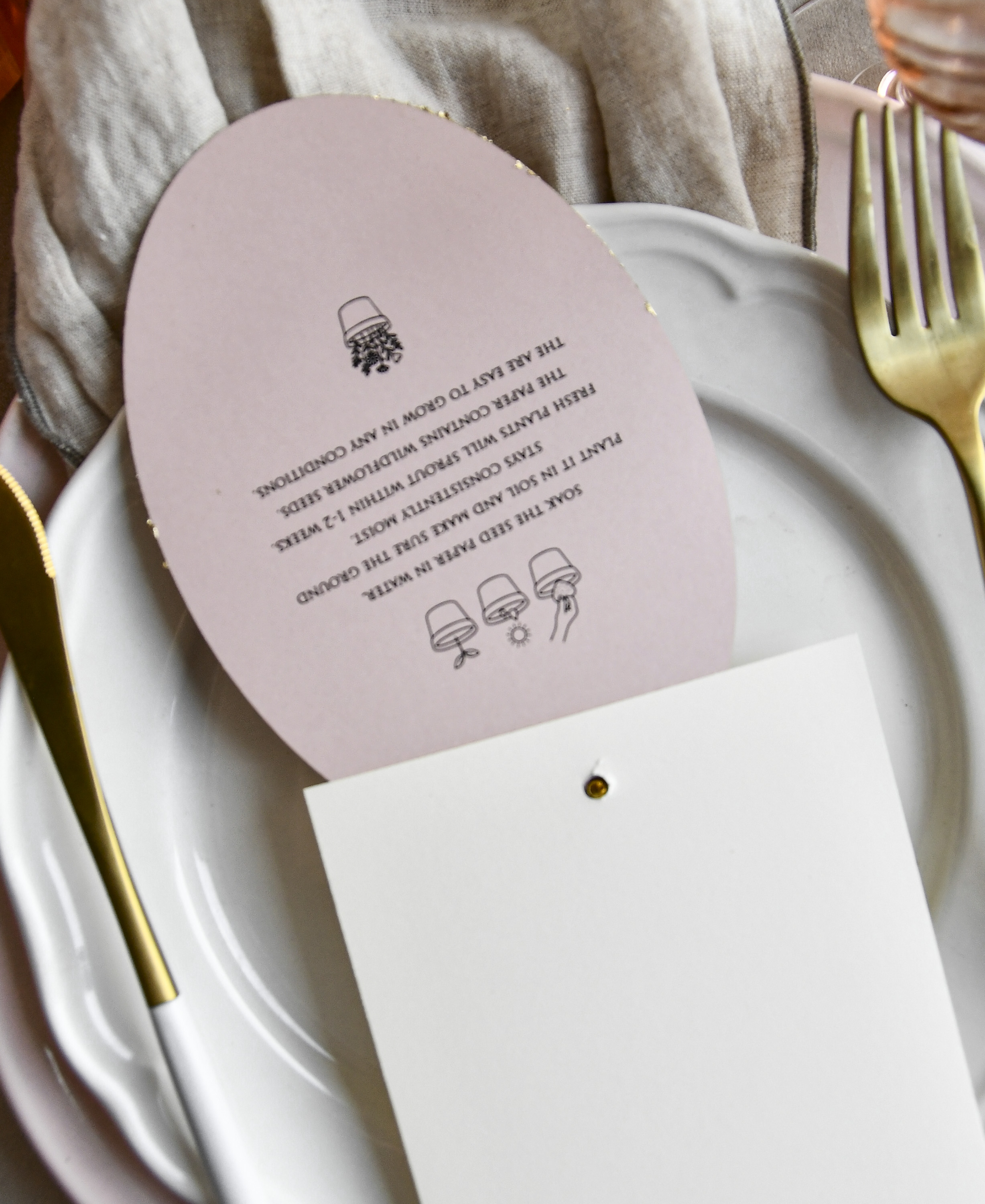
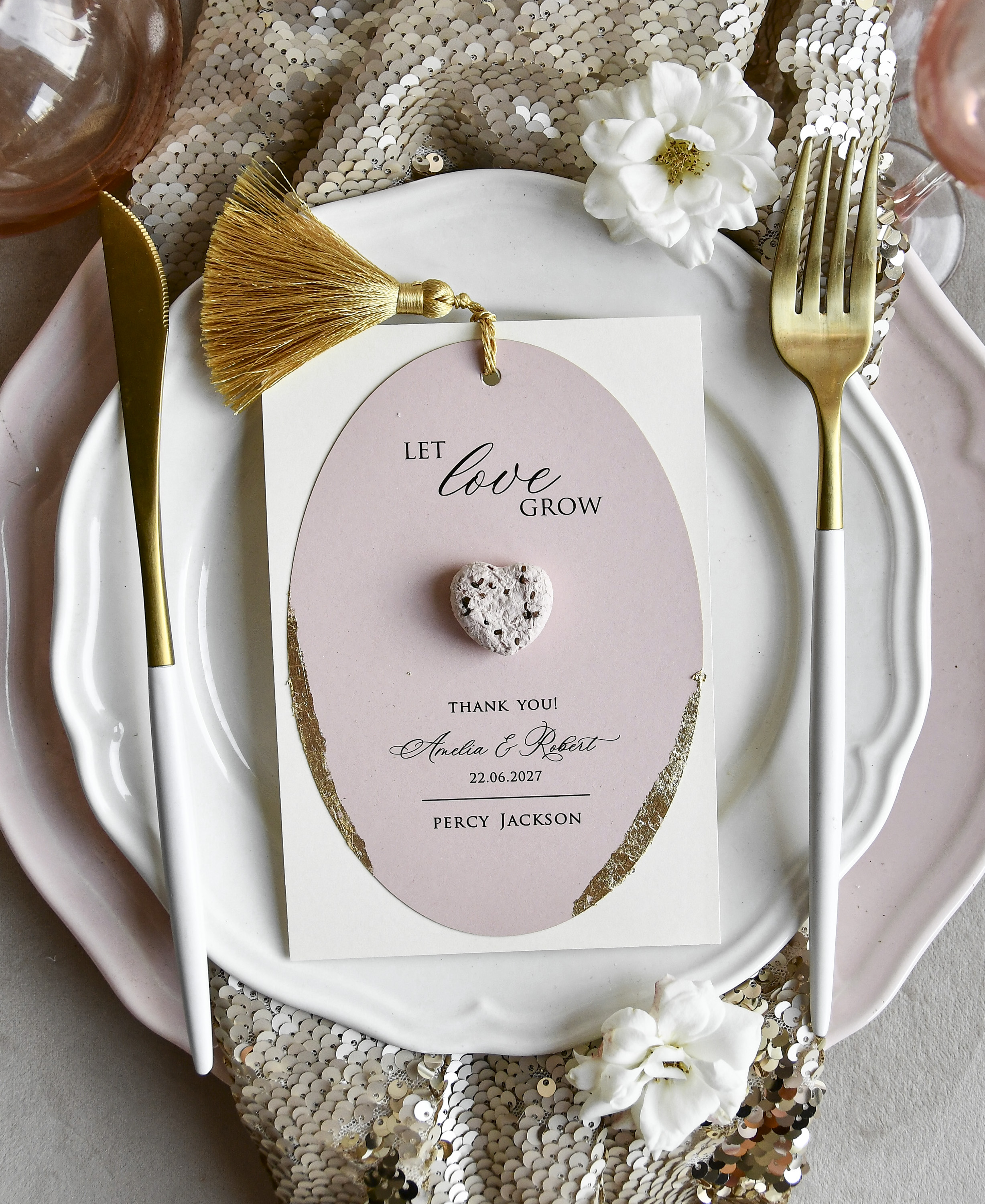
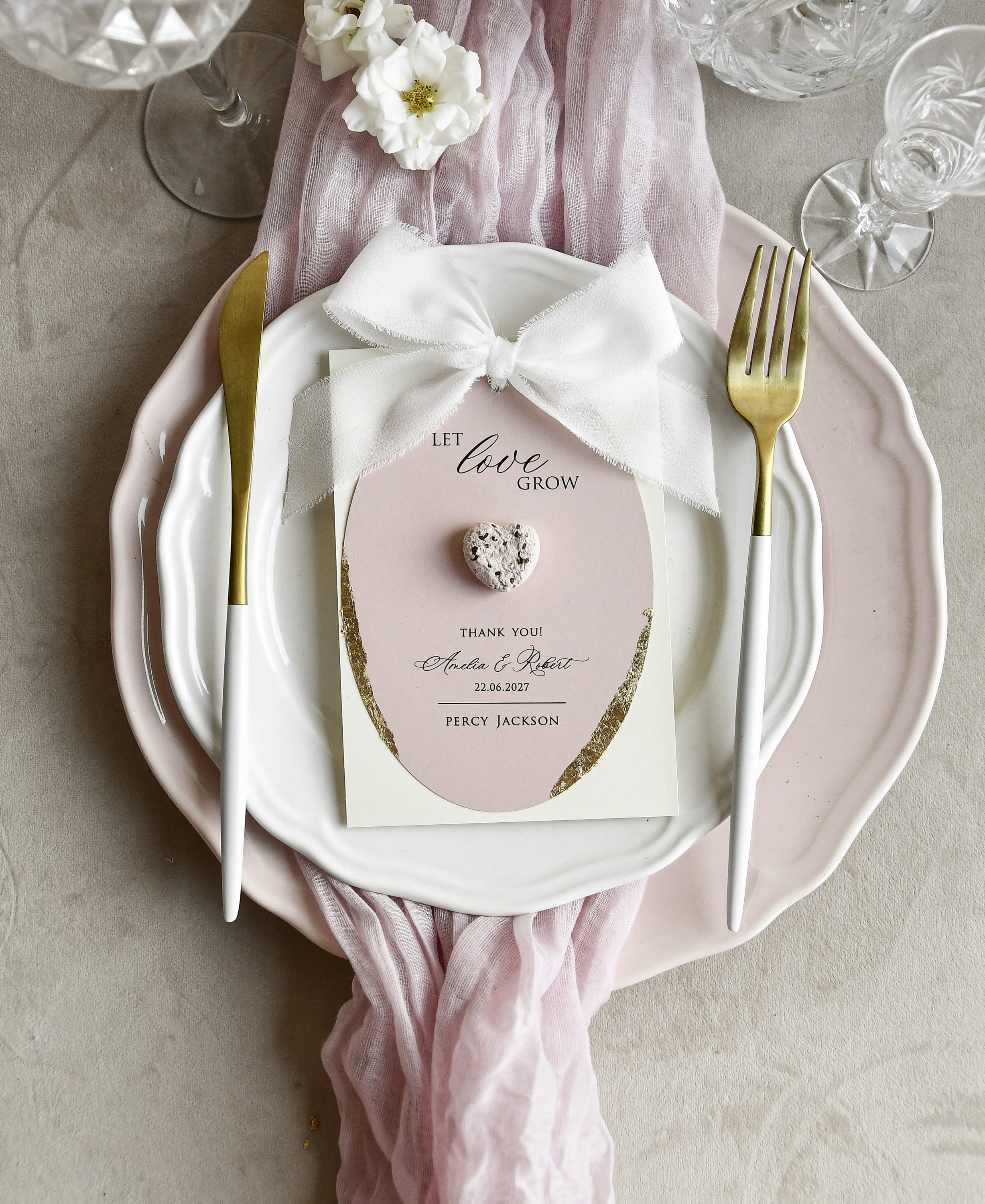
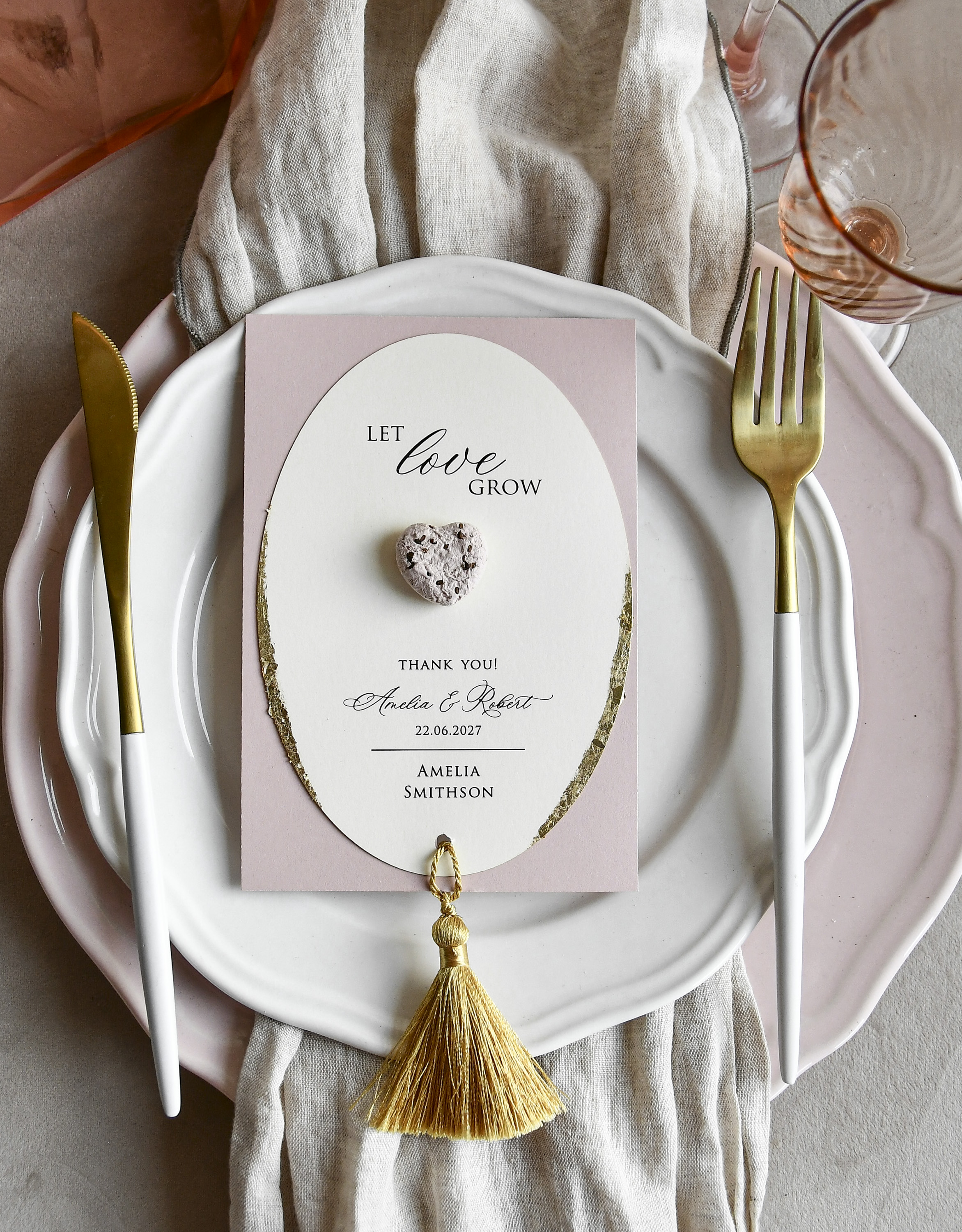
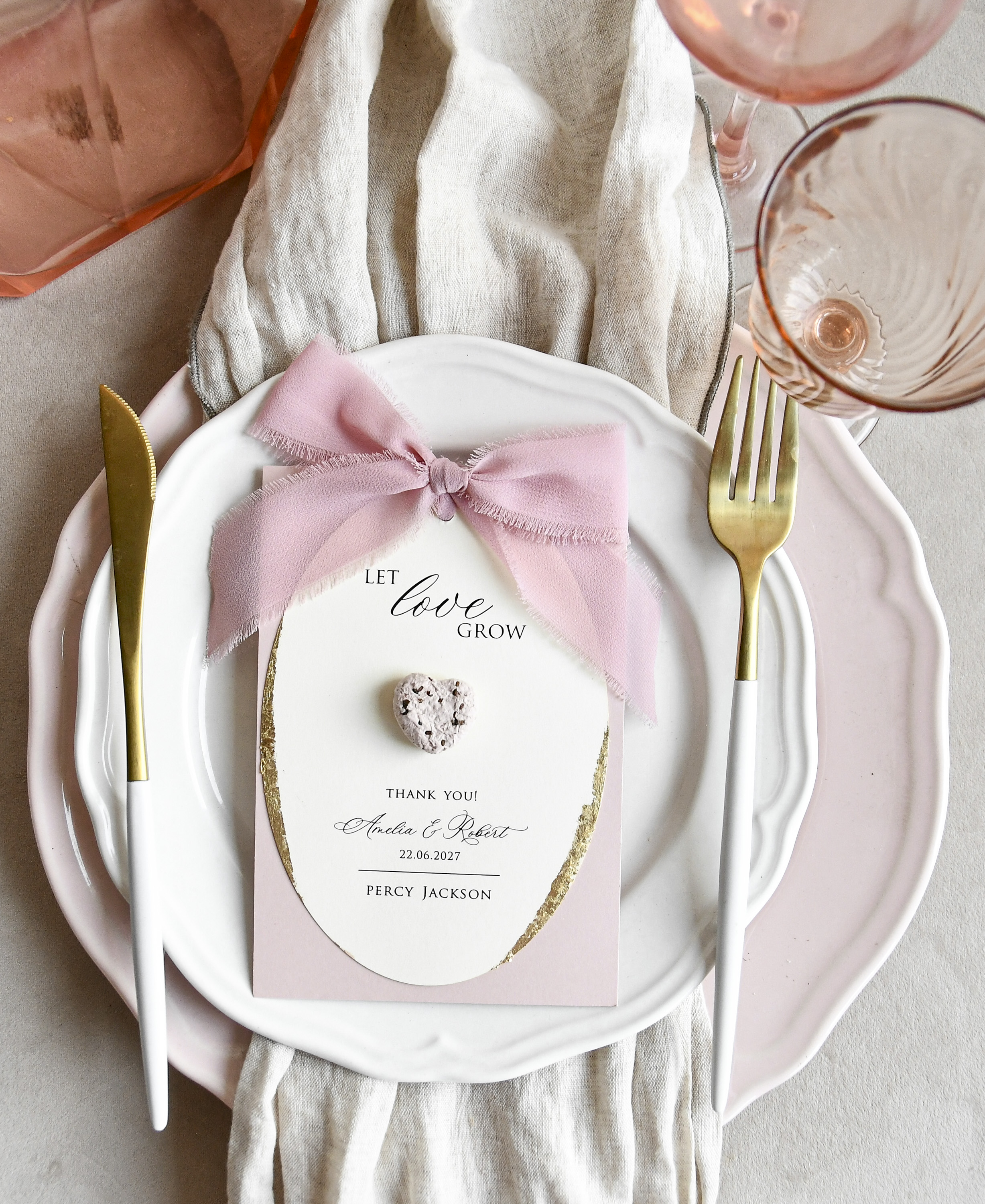
If you're planning a seated dinner with personalized touches — like the elegant 04/3in1/m menu and program cards from Margo&Bees — a smaller, more intentional guest list actually allows you to invest more meaningfully in each person who is there. That's worth remembering when the guilt creeps in.
Protecting Your Own Peace Through the Process
Here's the truth: you cannot control how someone reacts to not being invited. What you can control is how you respond — and how much mental energy you give to the situation afterward. Some people will be gracious. Some will be hurt but understanding. A small number may be genuinely upset, and that's okay too.
Your wedding day is one of the most personal events of your life. The guest list reflects your real relationships, your real circumstances, and your real vision for the day. Once you've responded with honesty and warmth, your job is done. Give yourself permission to let it go and focus on celebrating with the people who are there — every seat filled with intention, every detail chosen with love.
Frequently Asked Questions
No — your guest list is a personal decision, and you're not obligated to justify it. That said, a brief, kind acknowledgment of someone's hurt feelings goes a long way toward preserving the relationship.
Be honest with them about the constraint — whether it was budget, venue size, or family pressure — and let them know you value the friendship. Suggesting a separate celebration, like a dinner or brunch, can help them feel seen and appreciated.
It's thoughtful to be mindful of how much you discuss wedding details with people who weren't included. You don't need to hide your excitement, but avoid going into extensive detail about the guest list or venue when you know it might sting.
This is increasingly common. If it comes up, use the same calm, honest approach: acknowledge the situation, explain your constraints briefly, and express that you hope to celebrate with them another way. Consider adjusting your privacy settings on wedding-related posts going forward.
Generally, no. Adding guests out of guilt or social pressure can create a ripple effect that strains your budget or venue capacity. Stick to the criteria you set at the beginning and apply them consistently.
Stay calm and don't escalate. A simple "I understand you're hurt, and I'm sorry" followed by a topic change is appropriate. If needed, follow up with a private conversation or a kind note — but you don't owe anyone a prolonged debate about your guest list.
See This Design Up Close
You May Also Like
More Wedding Planning Guides
- → How to Handle Wedding Invitations When Stepparents Are Involved
- → Should Single Guests Get a Plus-One? A Practical Guide for Couples
- → Uninvited Plus-Ones and Tag-Alongs: How to Keep Your Guest List Intact
- → When Family Feuds Threaten Your Wedding Plans: A Practical Peacekeeper's Guide
- → Inviting an Estranged Brother or Sister: Finding Clarity Before You Seal the Envelope
- → Cousins, Invites, and Hard Choices: A Practical Guest List Guide